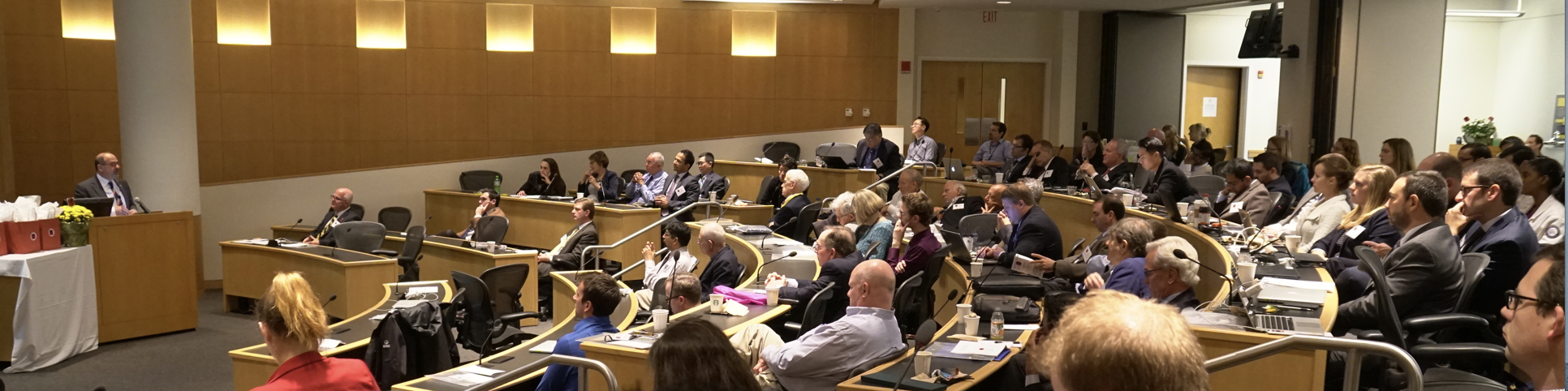
Castling

DAB Matula Thoughts Nov 4, 2016


Matula Thoughts Logo2

3975 words

Preface. This monthly communication from the University of Michigan Department of Urology & David A. Bloom is usually sent by email or posted on line at matulathoughts.org on the first Friday of each month.

huron

One.  

Autumn has been spectacular at Michigan Urology academically and around Ann Arbor visually. Seasonal changes on the Huron River were up to high expectations as leaves colored out and birds headed south. You don’t have to travel far outside of town to see crop harvesting has wound down, while distracting political signs along the roads are highlighting our national political schizophrenia. [Above: Huron River near Wagner Road. Below: Waterloo Road east of Chelsea, Michigan]

silo


Nestled in the Midwest, we were spared Hurricane Matthew that hit Haiti, Florida, Georgia, and the Carolinas in October. The biggest regional surprise was the overtime World Series victory of the Chicago Cubs over the Cleveland Indians, both teams having contested well. Births and other happy events also perked up this season, but we suffered losses. Madeline Horton, secretary of Jack Lapides and mother of Suzanne Van Appledorn (wife of Carl Van Appledorn, Nesbit 1972) passed away last month a few weeks short of her 100th birthday. Madeline was our urology librarian, a job largely obviated by the internet. I fondly remember her gracious welcome when I joined the University of Michigan Section of Urology in the early years of Ed McGuire’s leadership.

Final rules for the Medicare Access and CHIP Reauthorization Act (MACRA) went into effect last month, instituting the Quality Payment Program (QPP) that begins its first performance period 58 days from now, by my count. This will significantly change the basis of physician payment and the rules are entrenched so deeply in federal regulation as to be practically bullet-proof from the impending presidential election or other short-term political processes. By November, it is pretty clear that another calendar year is coming to an end and it’s time to start serious planning for next year. Of course as a department of urology specifically, and as a large academic health center more generally, our planning has been on going in earnest for considerably longer than the past few days. Emerging out of many years of restricted capital investment in facilities and regional relationships we are in an unprecedented growth mode to more optimally fulfill our mission. This has been the first year of our new organizational paradigm for the University of Michigan Health System in which Executive Vice President for Medical Affairs of the University, Marschall Runge, added the Medical School deanship to his portfolio. A Health System Board along with Health System President, David Spahlinger, will manage the growing enterprise of hospital groups, medical practice, ambulatory clinics, regional affiliations, and other entities that have evolved to carry out our mission. These are good structural changes and superb individuals for the challenges ahead.

Our mission derives from our foundation as a public medical school in 1850 and is similar to the mission of all other medical schools, although the University of Michigan has long described itself as one of the “leaders and best”, a phrase that history shows we can rightly claim, for the most part. The mission is framed around three components – education, patient care, and research – deployed in that order as our medical school grew, adding its own contained hospital in 1869 and soon thereafter some of the world’s definitive basic science departments and research laboratories.


Two.  

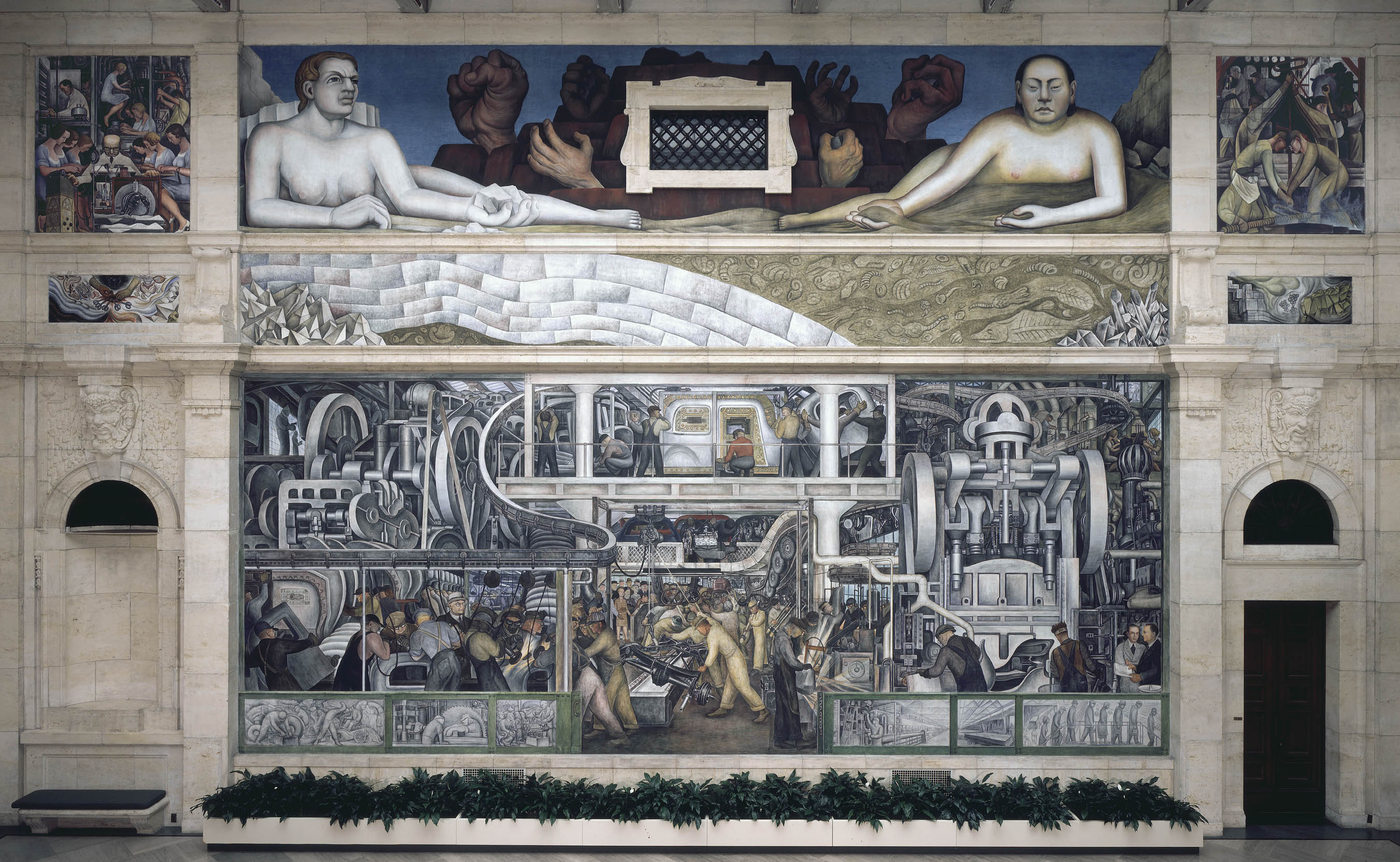
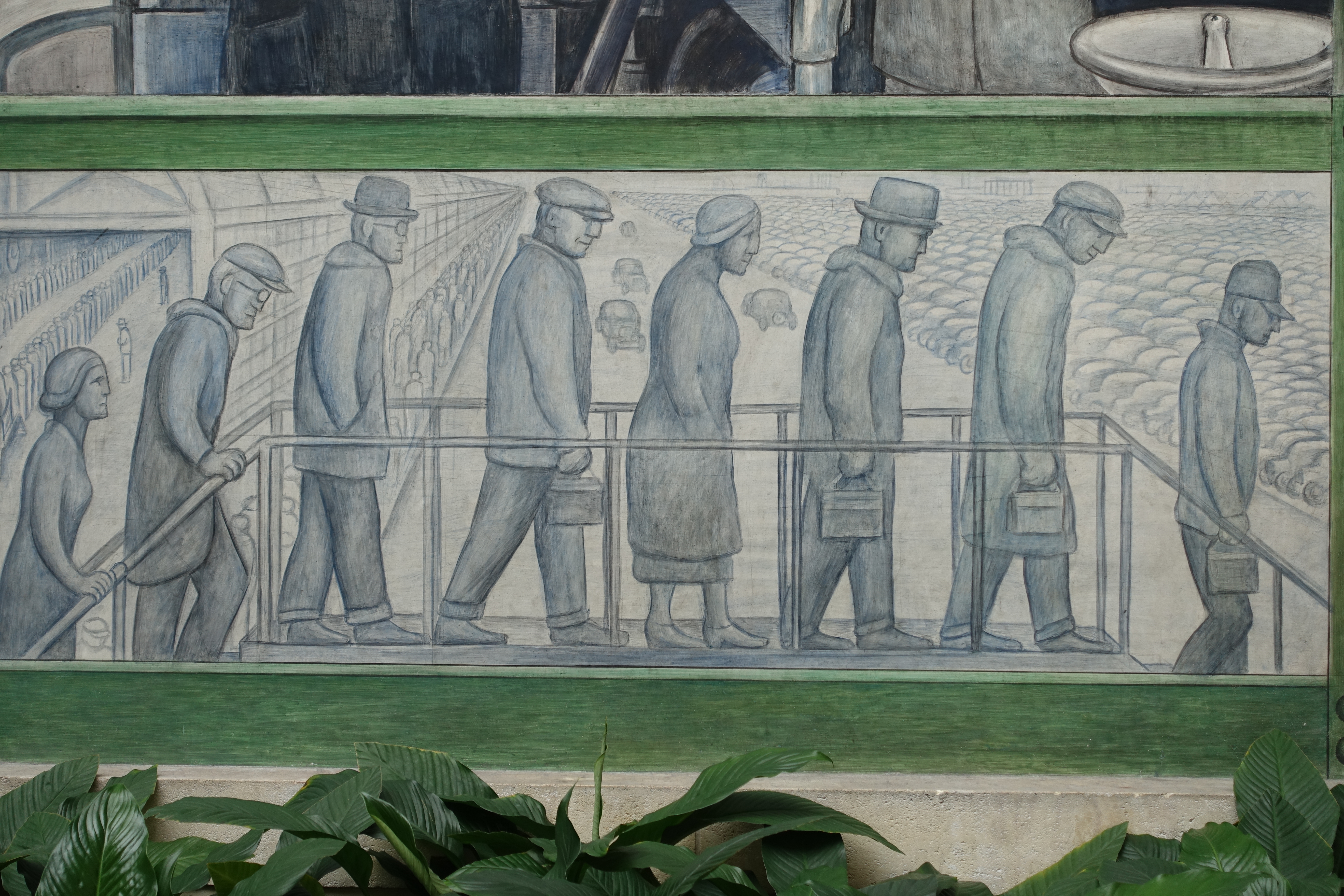
Silos of expertise necessarily accrued as the medical school and health care center in Ann Arbor grew more complex with the result that the overall management became increasingly disconnected from the loci of expertise at its many workplaces. The gemba, a Japanese term related to the Lean Process Methodology of the Toyota Corporation, describes where work is performed – the workplace. As Toyota, and later Detroit automotive manufacturing came to understand, microeconomic gembas understand their products, customers, and processes better than higher-level managers or accountants. Process improvement, value creation, efficiency, customer satisfaction, and employee satisfaction are best arbitrated “where the work is done” (i.e. the gemba) rather than in distant offices by managerial accounting.

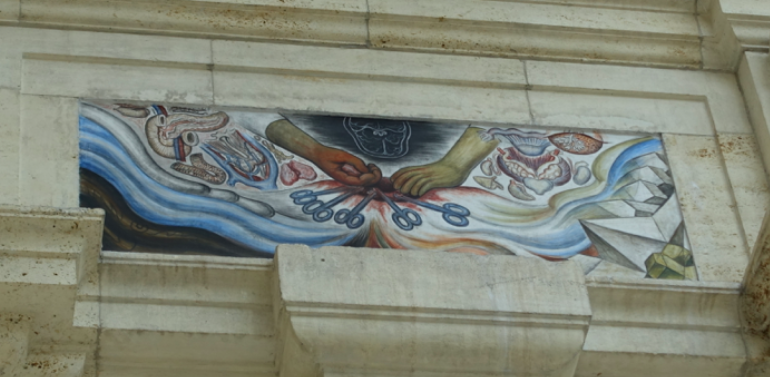
Oddly, just as forward-thinking western businesses are embracing lean process thinking, large health care systems and governmental organizations are more rigidly holding on to managerial accountancy with its concomitant archipelago of cost centers. Of course any organization needs to understand and mitigate its costs, but lean process experience has shown that efficiency and value are a natural result of letting the gemba work as an organic community, rather than forcing its functions by the levers of managerial accounting. [Below: going home from work, a Diego Rivera mural detail – Detroit Institute of Arts]
dsc03595

Anyway, back to the triple mission: the University of Michigan Health System exists to educate the next generation of physicians and scientists, to expand the knowledge and technology base of health care, and to do these things in a milieu of cutting edge clinical care. The central organizing principle at play, that is the essential deliverable (and moral center) is kind and excellent patient-centered care, as we describe it in our department.

The future in healthcare will depend on our ability to weave silos together and innovate, creating new ideas, devices, and methods. In a larger sense innovation is the ability to find better solutions for the needs of a changing environment.


Three.          

Leadership.  A recurring aspiration of the University of Michigan is that it produces the “leaders and the best.” That phrase is functionally adjectival as with the leaders and the best engineers, teachers, athletes, lawyers, nurses, chemists, or physicians, for example. The leaders and best is less meaningful as a noun, for what does it really mean to be “the best” if not the best of some particular thing. The same holds true for leadership, in my opinion. The aspiration to be “a leader” as a generality carries a bit of a selfish sense with it, whereas the aspiration to lead one’s team to do its job well or otherwise fulfill its mission is more socially virtuous. The difference is perhaps one between the captain of a football team versus travelling CEO’s who jump among companies to exercise their managerial or accounting gifts. Without deep knowledge and investment in a particular organization, an itinerant leader is unlikely to inspire most organizations and its people to achieve their best social destiny. Another way to look at this is whether the leader’s primary goal is to be “the boss” by leading, managing, and controlling employees to achieve organizational targets, in contrast to a goal of helping the organization achieve an optimal state for its stakeholders.

What does a urology department need in a leader? I submit that first and foremost it needs someone who loves and practices urology robustly; former dean Allen Lichter once said  – “for such a person patient care is a moral imperative, not something that is important enough unless it interferes with research.” Second, a clinical department needs an individual who understands the organizational mission and its history – these two things are inseparable, requiring more than just lip service to be truly known. Third, we require someone whom the faculty, residents, staff, and other stakeholders trust. Fourth, the department needs a person who can read the changing environment and find opportunities within it. Other attributes may be valued according to the specifics of each department, institution and moment in time, however “celebrity leadership” by itself should not be high on the list of qualities sought.


Four.                 

bruxelles_manneken_pis        

Until it fails, people don’t appreciate the beauty of a competent urinary system. Urologists are the essential attendants at that particular service station of life, but the necessity of professional detachment renders us susceptible to underestimating the angst and vulnerability of urologic patients. Finding the right balance between empathy and detachment is a personal matter, arbitrated by daily experience to the extent that we are influenced by our medical practices, role models (real and fictional), and general observations in life. To the extent that we pay attention to the real world around us and to the creative arts, we improve our practice of medicine.

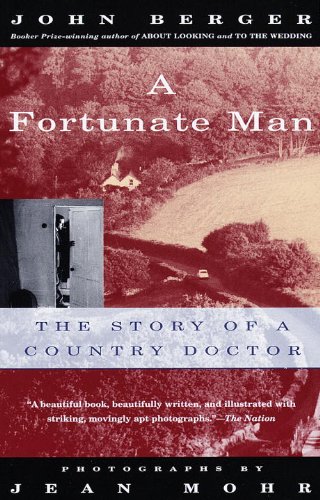
Creative arts matter to medicine. The portrait of Dr. John Sassall by Berger & Mohr in A Fortunate Man, was an artful mix of empathy and detachment. The doctor had sufficient detachment to do what he needed medically for his patients, but retained unusual empathy for their social and economic comorbidities, even to his personal detriment.

In the visual arts for hundreds of years urinalysis, depicted by uroscopy flask (the matula), was the main symbol of medicine indicating the central importance of urine examination to understand disease. After 1816, when Laennec invented the stethoscope, the matula lost its place as the popular symbol of the medical profession. The stethoscope is certainly a less indelicate and a sturdier symbol than a glass urine flask. Imagine Gray’s Anatomy with the matula.

In literature Shakespeare was precocious in recognizing the fallacy of mistaking a clinical test for the actual patient when in this scene from Henry IV Falstaff asks a messenger what the physician thought of his uroscopy specimen:

“Sirrah, What says the doctor to my water?

He said, sir, the water itself was a good healthy water;

But for the party that owned it, he might have more diseases than he knew for.”

Visual art has only rarely portrayed urinary function. One example, the statue Manneken Pis (Little Man Pee, in Dutch. Above: Wikipedia illustration) designed by Hieronymus Duquesnoy the Elder around 1618-1619 has been stolen numerous times and the current version, dating from 1965, stands in Brussels. It is dressed in costumes according to a published schedule managed by “Friends of Manneken-Pis,” but I don’t know if University of Michigan colors have adorned it yet. Other versions of the statue exist regionally and in more distant sites in the world. Notice the arching back of the confident lad making his momentary mark on the world in front of him.

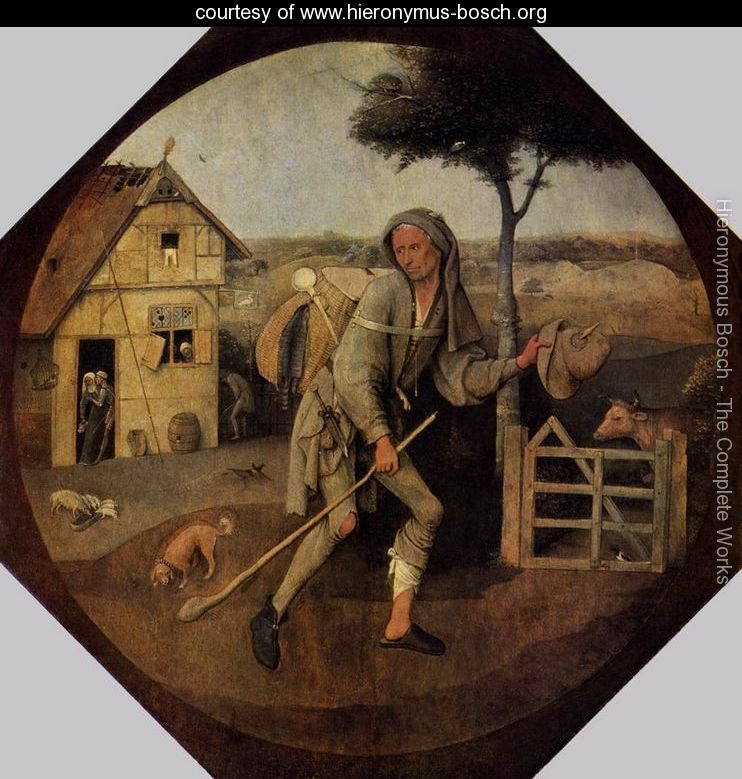
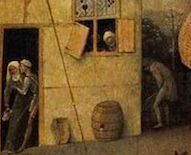
Depiction of urinary tract dysfunction in art is even less common than that of normal function. As common as dysuria and stranguria are for us humans, it’s rare to find them represented in the creative world. The Wayfarer, by Bosch, shows a man with the hunched-over posture typical of urinary distress, relegated to the central background of this curious painting. The painter, who died 500 years ago, lived in the historic low countries now called the Netherlands where he no doubt observed that characteristic posture often, as we do today in restrooms around the world.
the-wayfarer-large

[Hieronymus Bosch. Above: The Wayfarer. Below: voiding detail.]
bosch-detail

The impact of nocturnal enuresis showed up in All’s Quiet on the Western Front, where a young soldier suffered with that burden.

My point is that creative arts sharpen our perception and groom our mirror neurons to make us better attendants at life’s service stations.


Five.              

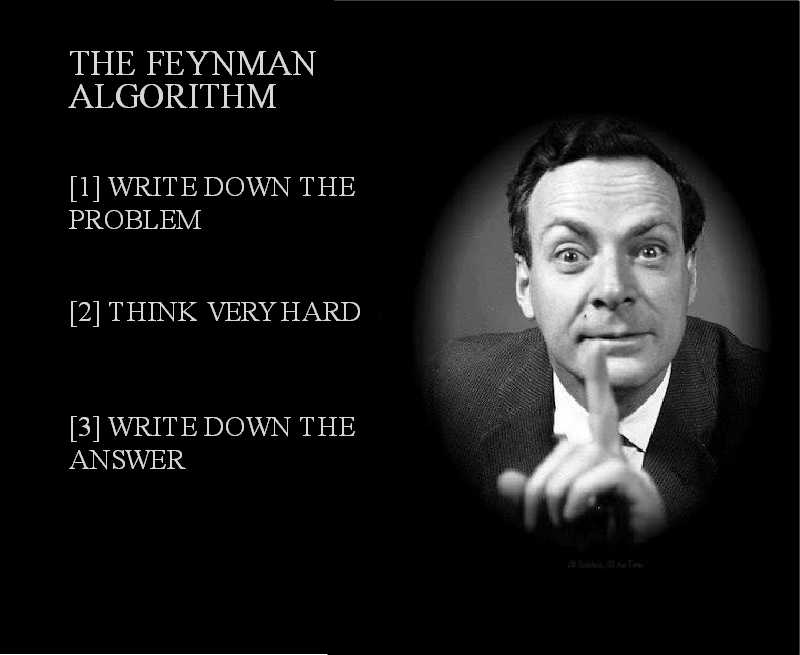
Castling. A few months ago this column referred to Richard Feynman’s metaphor related to mankind’s persistent search for central organizing principles, namely our curiosity to discover rules that govern the universe. He noted that, as we observe the “chess game of the world” and try to figure out how it works, every now and then “something like castling” occurs and blows our minds. That particular chess move is so far out of the box with respect to the other orderly rules and procedures of the game that it is, indeed, something of a miracle in that environment. (For chess aficionados the term rook may be preferable to castle, although castling sounds more appealing than rooking.)
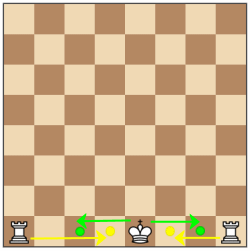
castmove

It is human nature to seek rules. Prehistoric tribal priests, Ionian philosophers such as Aristotle, and recent scientists such as Feynman sought central organizing principles and rules. Unlike the explanations of the village priests, today’s principles of math, physics, chemistry, and biology are testable and verifiable or refutable. We have some ideas of why and how inorganic material things need to flow or seek equilibrium – principles of physics and chemistry govern their existence and fate. It is more of a mystery why biological things need to grow and humans, in particular, need to know things. No one has figured out, without invoking magical or religious paradigms, why our particulate niche in the universe is such as exception to what we perceive as the second law of thermodynamics. Perhaps our material, biological, and intellectual exception to the expanding and entropy-seeking universe is that strange miracle of “castling.” Bob Seger and The Silver Bullet Band expressed it more poetically in the 1980 song Against the Wind.

alaska

[Cosmic castling. Copper River. Kenai Peninsula, Alaska. Summer 2015]


Six.

It may seem an overstatement of human optimism to believe in the principle that the world you imagine is the world you are most likely to create, but a single person can have remarkable impact; Joan of Arc, Harriet Tubman, Abraham Lincoln, and Mahatma Gandhi are just a few examples. The impact of a single person, just as likely, can be darkly retrograde and numerous examples quickly come to mind.

Scientific thinking and modern technology have given mankind unprecedented tools to change the world with Albert Einstein and Steve Jobs as two of a myriad of other players. If you imagine a kind and just world, you will likely try to live by and spread those attributes. If you imagine a dog-eat-dog world and display that vision to those around you, that may likely become the reality you experience and leave behind. The possibility that a given leader can be good or bad for humanity might appear statistically random, that is stochastic, in terms of probability. On the other hand, if we carry the theme of castling to the idiosyncratic human experiment, it may not be so far-fetched to suggest that our genetic and epigenetic construction has built in a predilection to favor good over evil, making an individual more inclined to do the “right” rather than “wrong” thing at a given moment. That is, the elements leading up to a given personal decision are built upon individual upbringing, world-view, personal needs, perceived needs of our clan, and hope for the future. Adding all these elements, our prevailing human nature favors doing good, in the stoichiometric sense, most of the time.


Seven.

Where American health care will go next is unclear, no matter how the presidential election turns out next week. Problems abound in health care. The interface between patient and provider filling up with busy work and costs that distract from quality, safety, value, or satisfaction. Third party payers, regulators, public policy (even if well-intentioned) add an immense amount of “stuff” to be done before, during, and after the so-called patient encounter. While we prize innovation and the rewards of a free society, egregious exploitation of American healthcare consumers by industry seems to be getting worse and fuels demands for significant change. The EpiPen disgrace from the Pennsylvania company Mylan is only one of the many recent examples of human elements gone bad [JAMA 316:1439, 2016]. Why call out that one bad example among so many? My reason is simply that Mylan has made themselves such an easy target because they have been so sociopathically greedy.

Our urology silo has been a good one locally and internationally, by and large. This is evident now in the midst of the residency selection process wherein we advocate for our particular training program in Ann Arbor, our specialty having attracted many of the best and brightest of this year’s senior medical students. My colleague and friend Mike Mitchell once called urology (pediatric urology, in particular) “a lovely specialty.” We practice at the cutting edge of technology, we improve patient lives, we fix things that are broken, we have the gift of long relationships with patients, and we generally get along well within our professional arena. As a medical student and resident myself, years ago, the attributes and role models of urology attracted me into the field – and these features of our profession continue to attract the superb students and residents to follow us.

Healthcare is changing and the urology of tomorrow will differ from what I experienced in my career. We have already transitioned from roles as independent urologists such as that of our predecessors Hugh Cabot, Reed Nesbit, and Jack Lapides. Our work to educate, treat patients, and expand the knowledge base of urology requires subspecialization and teams, large teams that transcend clinics, offices, department, and operating rooms. The complexity of science, technology, and healthcare delivery made this change inevitable, with marketplace pressures and regulatory actions accelerating change. The fee-for-service that largely defined health care over the past century is being rapidly displaced by alternate payment methodology, with a sharp focus on value and performance in play today. These were vague terms in health care until recently. Value and performance metrics in other endeavors have achieved growing visibility, so we shouldn’t be surprised to find them crossing over into health care. Michael Lewis’s Moneyball brought these terms to popular attention for baseball in 2014, with the movie in 2011, and healthcare was bound to follow. No doubt some sense of player value governed Theo Epstein in breaking the curses of the Red Sock and Chicago Cubs with their World Series droughts of 86 and 108 years, although it’s unlikely he discovered a novel set of useful metrics.


Eight.

Value & performance. A paper in JAMA last month demands attention. Vivian Lee et al from the University of Utah offered an original investigation with the lengthy title “Implementation of a value-driven outcomes program to identify high variability in clinical costs and outcomes and association with reduced cost and improved quality.” [JAMA 2016; 316(10): 1061-1072] A matching opinion piece in the same issue by Michael Porter and Thomas Lee offered glowing support: “From volume to value in health care”. [JAMA 2016; 316 (10): 1047-1048] While it is clear that value and performance measures will be tools to replace the American fee-for-service paradigm, the details in the Utah study are important, in particular the idea of an “opportunity index” that allows healthcare teams to understand their costs and develop lean processes that improve not just costs, but also quality, safety, and that once-vague attribute value. If leading health care centers believe in a world of value-based healthcare, such a world surely can be created. That world, however, will largely be built on the special skills of specialties and the complex teams of future medicine, wherein urologists with their singular skill sets that will likely always be prized.


Nine.

Stainless steel, eggs, & sperm. Innovation is a fundamental characteristic of biology, and randomness is always in play. At the cellular level we see innovation from the random errors of genetic transcription and the utilitarian retention of the changes in these DNA sequences when they provide a particular advantage, so one could argue that random chance lies behind all things that happen. Choice, however, somehow slips into play with life. Even low levels of cellular organization make choices and, by extension purposefully innovate in their lives. Nematodes (round worms) and flatworms, such as C. elegans and planaria, seek comfort and food as they move above their microcosms to discover opportunities or deterrents. Their actions are purposeful with deliberate directional choices as opposed to random Brownian motion. Each move is original in its own way, exploring new territory or retreating from threats. In the larger animal kingdom we see choice in behaviors of vertebrates, and hominids have taken choice and innovation to entirely new levels.

One hundred years ago Harry Brearley figured out a way to improve the quality and value of gun barrels. Gun performance deteriorated quickly after use because of barrel corrosion from moisture and gases after combustion, so Brearley considered variety of additives to create steel alloys with better resistance and found chromium most effective. This was already being used in the manufacture of steel for airplane engines, but one particular variant alloy had been difficult to examine microscopically because the etching processes used to prepare the samples for examination were far less effective than usual. The corrosion resistance problem for engine manufacturing proved to be a solution for gunsmiths.

Human innovation continues to advance even more remarkably. At our recent Nesbit meeting, Sherman Silber (Nesbit 1973) presented innovative work in reproductive medicine showing how pluripotent stem cells derived from skin cells can create eggs and sperm with full reproductive potential in normal mice.


Ten.              

jiffy-silos

Silos. Silos are disparaged glibly in modern organizational discourse, but we owe them better appreciation. Some silos are storage vaults for coal, cement, or salt while others are biologic factories. Grain elevators, for example, store and ferment grain to produce silage for animal feed. Early farmers figured this out, probably noticing it by accident. After harvesting, clover, alfalfa, oats, rye, maize, or ordinary grasses are compressed in a closed space and after a brief aerobic phase, when trapped oxygen is consumed, anaerobic fermentation by desirable lactic acid bacteria begins to convert sugars to acids. Volatile fatty acids (acetic, lactic, butyric) are natural preservatives, lowering pH and creating a hostile environment for competing bacteria. Some microorganisms in the process produce vitamins such as folic acid or B12. Ever since the early days of farming indigenous microorganisms conducted successful fermentation, although modern farms utilize select strains of lactic acid bacteria or other microorganisms more efficiently. Because fermentation produces products that bacteria consume silage has less caloric content than the original forage, but the tradeoff is worthwhile due to the preservation and improved digestibility.

Thinking about silos, it seemed natural to take a trip to Chelsea, Michigan where the family-operated Chelsea Milling Company has been making baking mixes since 1930. Mabel White Holmes created the first prepared baking mix in the United States and her grandson, Howdy Holmes, presently runs this company of 300 employees producing 1.6 million boxes of products daily. Mabel White Holmes originally marketed her biscuit mix as “so easy even a man could do it” and Jiffy Mix with its memorable blue logo became one of America’s classic brands. Chelsea Milling makes and markets 19 mixes distributed to all 50 states and 32 countries. The Jiffy Mix corporate philosophy is employee-centric, much like Zingerman’s Community of Businesses and (we believe) the Department of Urology at the University of Michigan in the recognition of how silos build a community. The Jiffy Mix silos provide dry storage for wheat, while the people that work at the company provide the fermentation that makes and innovates superior products within a lean culture of thoughtful communication and collaborative decision-making. This is biologic castling.

wh-balcony

[Next occupant?]

Whether for storage of salt or biofactories for silage, silos are ultimately useful only when working together as parts of farms and communities. This an analogy holds true in the political arena, where consensus is as important as victory. Our national and international communities suffer from self-righteous siloism. Current political rhetoric lacks dignity and respect to the point of ugliness, although the most corrosive disrespect is the a priori claim that the American political system is rigged, whether by one party, the media, or another nation. It is nonsense to be outraged that other countries are into our emails and elections – that’s exactly what we do as a nation and indeed it is the business of large nations to gather intelligence on competitors and get a thumb on the scales when possible. If our candidates say foolish things and our firewalls are weak then we should own the blame. With 4 days to our next national elections, this incivility of discourse is a short slippery slope to civil instability, which will not be good for anyone. The effect on healthcare will consequential and international scientific media as influential as The Lancet have taken the unprecedented step of hosting a US Election 2016 website: www.thelancet.com/USElection2016.  Aside from parochial concerns such as healthcare, ultimately what will matter most for all of us on the planet after November 8 will be financial market and geopolitical stability – all other concerns pale in comparison.

leaves

[October driveway]


David A. Bloom

University of Michigan, Department of Urology, Ann Arbor

Matula Thoughts October 7, 2016

DAB What’s New Oct 7, 2016


Education, errors, & box scores

3931 words

giants-vs-cardinals

One.               Autumn is academic medicine’s high season.  With summer officially over the serious work is well underway for faculty promotions, graduate medical education (GME) in academic centers, and continuing medical education in professional meetings. Residency interviews are beginning. Coincidentally, this is also the definitive season for baseball as major league teams compete for its World Series. [Above: San Francisco Giants 6 – St. Louis Cardinals 2. Sept 15, 2016. Cueto pitching.]

With participants notching up their games, rookie mistakes become occasional, although errors never totally go away.  Performance measurements allow individuals to understand and improve their work, while inviting inevitable comparisons. Fielders in baseball, for example, are judged by errors: the number of times they fail to complete plays that could have been made by common effort, a term roughly equivalent to the reasonable and standard practice by which physicians are judged.

640px-jetererror

[Derek Jeter, Yankee shortstop. 8/24/08. Photographer Keith Allison]

It may seem awkward for physicians to talk of mistakes, however these conversations are not only necessary, but also healthy when done properly. We formalize these conversations in morbidity and mortality (M&M) conferences. Fortunately, most errors are minor if not trivial and are intrinsic to all biologic behaviors, indeed species variation itself is built on error. Health care cannot be expected to be exempt from error, for who among us has not missed a blood draw or an IV placement on first puncture? Who has not made a transcription error when typing an entry into today’s electronic medical record systems. (When I trained to become a surgeon, typing skills were not a required skill set; today many surgeons spend nearly as much time typing as operating – surely an epic waste of health care resources.) On the other hand, serious complications such as postoperative bleeding, deep venous thromboses, anastomotic leaks, or missed relevant comorbidities, bear inspections that should inspire personal and systemic improvements to minimize errors for future patients. While we take errors very seriously, we can’t let them disable us, for the next patient is always in line.

The point to make is that the conversation of error in health care is essential. The practice of medicine is, indeed, a practice and things that don’t turn out as intended need to be investigated to improve quality of practice. Charles Bosk’s 1979 book, Forgive and Remember, is a classic starting point. You can get a good summary of it in Robin Williamson’s review of its 2003 edition [J. Royal Society of Medicine. 2004 Mar; 97(3): 147-148]. While surgical fields have a long history of tough treatment of trainees, surgical training today (GME) is far less recriminating when errors are the result of earnest effort. [Below: Ed McGuire lecturing as emeritus professor to residents last year.]

mcguire-lecture

Two.           An astonishing array of events emblematic of our three-way mission initiated the 2016 academic high season of urology in Ann Arbor.

Inspiring Discovery was a celebration at North Campus Research Center focusing on partnerships with donors that fuel education and research. Tom Varbedian, distinguished Michigan alumnus, friend of our department, and retired ophthalmologist was among those honored, in his instance for support of medical students. He has funded 14 students over the years and 4 “Varbedian scholars” are presently here in medical school. [Below: Tom and some of his students]

varbedian-students

The evening was rich in meaningful stories of partnerships between donors and faculty to grow the conceptual basis and technology of health care while educating the next generation. Endowments are the key strength of Michigan’s future as a great academic medical center.

Dow Division Health Services Research Symposium targeted the topic of performance. The program by Jim Dupree, Khurshid Ghani, and Chad Ellimoottil featured our own and other world-wide experts who investigate and innovate health care delivery. This third biennial meeting included around 200 attendees.

screen-shot-2016-09-24-at-4-08-20-pm

Jerry Weisbach Lectureship last month brought Martin Gleave from Vancouver, BC to discuss his extraordinary work co-targeting the androgen receptor and adaptive survival pathways in advanced prostate cancer.

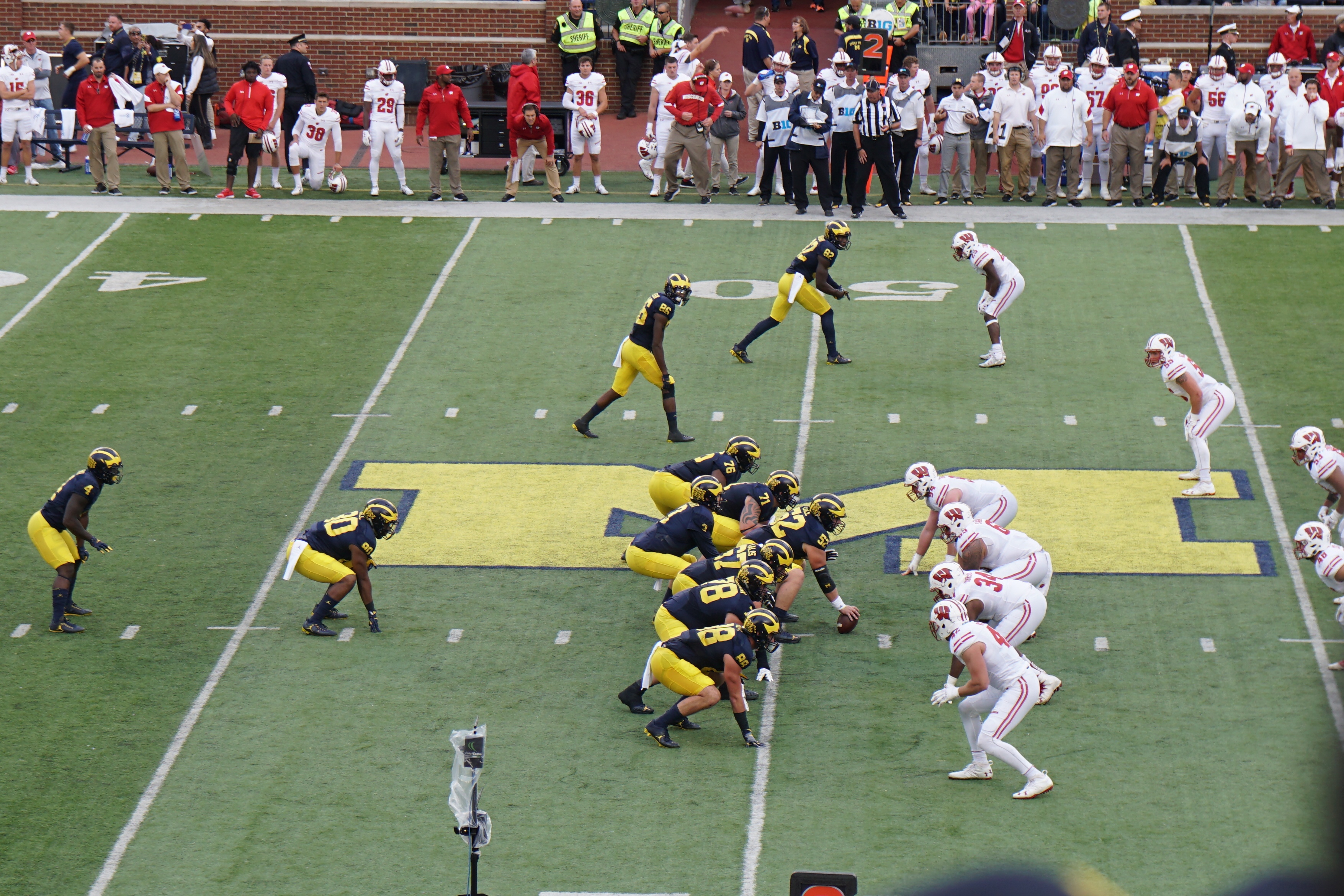
Nesbit alumni weekend featured Freddie Hamdy from Oxford University describing his unique randomized trial of active monitoring, radical prostatectomy, and radiotherapy for localized prostate cancer. Two NEJM papers from his group last month attracted international attention and Freddie’s talk to us was the first public presentation. At the cutting edge of reproductive medicine, Sherman Silber explained how the Y-chromosome is becoming redundant in the light of the incredible accomplishment of creating sperm and ova from skin fibroblasts. Many other talks filled the program. We were honored to have senior urologists Cheng-Yang Chang, Clair Cox, and Mark McQuiggan in the audience. Cheryl Lee (Chair at OSU) and Stu Wolf (Associate Dean at Austin’s Dell SOM) were honored at our alumni dinner and John Park won the John Konnak award for service to our department. A lively Nesbit tailgate party preceded the Wisconsin football game.

hamdy

[Above: Freddie Hamdy presents results of prostate cancer trial. Below: Freddie Hamdy, Marschall Runge, Sherman Silber, Jim Monte & Nesbit attendees]

nesbit-group

After the Nesbit tailgate we saw Michigan edge Wisconsin out 14-7. Next year’s Nesbit alumni reunion will align with the Air Force Academy game here in Ann Arbor.

coxs-wisc-game

[Clair & Clarice Cox tailgating]

The Montie Visiting Professor was Ian Thompson, Jr.,  Director of the Cancer Therapy & Research Center of the University of Texas in San Antonio. Ian (below) spent childhood years (1956-59) in Ann Arbor when his father was on the Michigan urology faculty. A West Point graduate, Ian became Colonel in the U.S. Army and chair of urology at University of Texas San Antonio. He is President of the American Board of Urology. He spoke to us on the future of prostate cancer detection and therapy, and heard superb presentations from our residents and fellows.

montie-thompson

[Ian Thompson, Jim Montie]

This past month has been rich in education. Although these costly events interrupt the clinical work that supplies their main funding, they are educationally essential and important for quality improvement and team alignment. Quality of care is improved by expanding the conceptual basis of medical practice, clinical skills and professionalism of the workforce, and delivery systems. Alignment of healthcare workers is critical to their success in teams. In the face of new technology, new diseases, and a changing socio-economic-political environment these educational efforts cannot be sacrificed to clinical throughput.

Three.           The attendant at the gas station of life was a picturesque metaphor of Dr. Horace Davenport as he taught first year physiology to medical students here in Ann Arbor in the later 20th century (re-quoted by us in July What’s New and Matula Thoughts). The actuality of a physician’s role is more complex, as Dr. Davenport well knew, and the irony of his specific term attendant in the midst of an academic medical center full of attendings was probably intentional. (Another irony is that today’s gas stations, in contrast to those of Davenport’s time, are mostly self-service).

A physician is better understood from the neuroscience perspective with respect to mirror neurons. Humans are not unique in having these sophisticated forms of quorum sensors that facilitate empathy, a phenomenon seen in certain other biologic species such as crows, elephants, and of course fellow primates. Humans, however, have tools, skills, and systems that allow highly developed ways to operationalize empathy.

Physicians can no longer speak so territorially about their roles because health care is provided as significantly by nurses, physician assistants, and other advanced practice providers (APPs). The awkward term health care provider has crept into general use, and while downplaying the physician as a professional, the new terminology is necessary in the team play of modern healthcare. Regulatory and corporate forces reduce health care services to commodity encounters that match diagnostic codes to treatment codes. Many encounters can be delegated to APPs working at high ends of their scopes of practice. While vaccinations, dental cleaning, and sports physicals can readily be commoditized, whether routine “well patient” check ups or visits for uncharacterized problems can be similarly commoditized in 15 to 30-minute encounters remains to be seen. Some patients need the magic of attention and intuition from a health care professional that is not readily translated to check lists or passed down the ladder of expertise.

Effective attendants at life’s service stations hone their skills to observe and listen carefully while practicing their craft. In the process of listening and observing they need not only determine a patient’s diagnosis and an attendant treatment (ICD 10 and corresponding CPT codes), but also must discover relevant issues of the context of that person’s life in terms of livelihood, family, neighborhood, or socioeconomic condition. Context amplifies or minimizes any diagnosis and therapy. Without understanding the patient’s life story, that is the ultimate co-morbidities, an actual encounter in the office may have little value to the patient. All this is to say that effective attendants (physician, medical assistant, nurse, advanced practice provider, etc.) must seek to understand the patient as fully as possible, although such understanding is illusive and always incomplete.

Four.              Rabbit holes in time.   An article earlier this year in The Lancet by Kingshuk Pal, “Could you wait a second,” described a clinic visit with a woman in her mid-thirties. The encounter was allocated for a mere 10 minutes in his National Health Service (NHS) clinic in London, and in spite of an earlier add-on patient Pal was back on time for the last patient of the morning. He assumed the visit would be a simple encounter for a prescription, and indeed things started out that way. In fact, Pal had seen the same lady in brief encounters twice before and his colleagues had seen her other times as well to write prescriptions after going through standardized template checklists. However, Pal noted:

“But things didn’t feel quite right. I interrupted my internal monologue to go back over what she had just said … There was something about the vehemence with which she had expressed herself that jarred.”

Follow-up questions led into a “rabbit hole” that revealed an unexpected terrible social situation of an abusive marriage. Pal called in appropriate support services and eventually the lady became able to take control of her life. The missed opportunities to uncover the critical social comorbidity (spousal abuse) that was the basis of all of the previous encounters with the well-intended NHS physicians surely would be considered errors in other occupations. Pal commented on earlier missed opportunities to rescue the patient:

“… each time we had stuck to our templates. We were focused on her medical needs. We had listened to what she said, but not what she meant. What had been left unsaid was how much she needed kindness, sympathy, and patience. For me to give her a few seconds of my silence so that she could finally break hers. I know if I had been busy, it would have seemed like that would take forever. But the passage of time is a peculiar thing. As strange as in a consultation as it is in Wonderland:

Alice: ‘How long is forever?’

White Rabbit: ‘Sometimes, just one second.” [The Lancet. 387:1900-1901, 2016]

Five.               Attending at the station. John Berger’s factual description of a rural English general practitioner in the 1960s is an understated gem of medical literature. Berger and photographer Jean Mohr spent six weeks with the doctor. More than shadowing him, they embedded in his practice, living with him and his wife in St. Briavels in the Forest of Dean, Gloucestershire. The physician, John Eskell, was named John Sassall for the book, A Fortunate Man: The Story of a Country Doctor, although accounts of patients and the community were otherwise factual. Berger and Mohr observed Eskell/Sassall in his clinic (called the surgery) and dispensary, as well as on his house calls.

a%20fortunate%20man-2

This somber book has underlying themes of optimism in human kindness, meaning, and extraordinary curiosity that some people, such as Eskell possess. Berger explains how the morbidity and comorbidities of patients became the personal burden of Eskell.

“I said that the price which Sassall pays for the achievement of his somewhat special position is that he has to face more nakedly than many other doctors the suffering of his patients and the sense of his own inadequacy. I want now to examine his sense of inadequacy.

There are occasions when any doctor may feel helpless: faced with a tragic incurable disease; faced with obstinacy and prejudice maintaining the very condition which has created the illness or unhappiness; faced with certain housing conditions; faced with poverty.

On most occasions Sassall is better placed than the average. He cannot cure the incurable. But because of his comparative intimacy with patients, and because the relations of a patient are also likely to be his patients, he is well-placed to challenge family obstinacy and prejudice. Likewise, because of the hegemony he enjoys within his district, his views tend to carry weight with housing committees, national assistance officers, etc. He can intercede for his patients on both a personal and bureaucratic level.”

Six.                 Personalized medicine. Comorbidities unquestionably impact illness, and without understanding them in at least some depth, physicians can hardly claim to deal out meaningful advice and therapy. Today we confuse recognition of comorbidities, by our ability to list billing codes, with actual understanding of comorbidity relevance and impact. Prominent in Sassall’s example is the matter of who he is outside the clinic and dispensary. He represents something positive in the community and accordingly he is not quite free to live a life that doesn’t impact favorably on him, his environment, or his profession. He accepted that “trade-off” when he accepted his role as a physician. Berger continues his explanation.

“He is probably more aware of making mistakes in diagnosis and treatment than most doctors. This is not because he makes more mistakes, but because he counts as mistakes what many doctors would – perhaps justifiably – call unfortunate complications. However, to balance such self-criticism he has the satisfaction of his reputation which brings him ‘difficult’ cases from far outside his own area. He suffers the doubts and enjoys the reputation of a professional idealist.

Yet his sense of inadequacy does not arise from this – although it may sometimes be prompted by an exaggerated sense of failure concerning a particular case. His sense of inadequacy is larger than the professional.

Do his patients deserve the lives they lead, or do they deserve better? Are they what they could be or are they suffering continual diminution? Do they ever have the opportunity to develop the potentialities which he has observed in them at certain moments? Are there not some who secretly wish to live in a sense that is impossible given the conditions of their actual lives? And facing this impossibility do they not then secretly wish to die?”  [Berger. A Fortunate Man. 1967. Vintage International Edition 1997. p. 132-133.]

sassall

[Jean Mohr photo p. 50]

The doctor confronts existential issues in these questions. Berger makes the case that Sassall’s biggest inadequacy was an inability to counter the comorbidities that framed the immediate morbidities of his patients. Sassall was an idealist who tried to fix morbidities and co-morbidities patient by patient. His intermittent successes fueled his perseverance.

Seven.           Mistakes. Medical practice in Eskell’s day was mainly the binary proposition of doctor and patient, family “comorbidity” notwithstanding. Physicians had far fewer tools at their disposal than today’s incredible armamentarium, but it requires teams to deploy modern healthcare’s tools. No single John Eskell can deliver today’s miracles, although confoundingly the complex paradigm of multidisciplinary team medicine greatly increases the opportunities for error. The complexity of healthcare today and the multiplicity of people involved in the teams delivering it, has magnified the chance for mistakes in the intervening half century.

The Journal of the American Medical Association recently introduced a new department, JAMA Professionalism, with an inaugural article on disclosure of medical error. The case summary described a dermatologist who had just performed skin biopsies on two patients only to discover that the instruments he had just used had not been sterilized. The ensuing discussion revolved around the issues of disclosure and analysis of the error to preclude its repetition. [W. Levinson, J. Yeung, S. Ginsburg. Disclosure of medical error. JAMA 316(7):764-765, 2016]

A phrase has stuck with me from John Shook, the insightful “zen-master” of lean processes: I can’t remember exactly where or when he said it, but it goes like this: for us to fulfill our role, we have to keep on learning. screen-shot-2016-09-11-at-8-17-58-pm

[John Shook on right with Jack Billi]

Eight.             Retrograde thoughts. Everyone brings a unique identity to their work, and in health care the idiosyncrasies of each practitioner resonate with particular specificity in the nature of his or her practice. The professional motivations, world-view, aspirations, distractions, personal demons, work-ethic, curiosity, consistency, empathy, attention to detail, ability to listen and observe, as well as commitment to community are unique to each practitioner and are manifested distinctly in each practice, and with each patient. A mandate for professionalism is intended to bind all these variables together in the practice of medicine, but this is necessarily a vague aspiration although a national trend seeks to define a professional standard and perhaps reduce it to metrics and benchmarks. A national set of professionalism standards or a GME curricular competency can never replace the role models of John Sassall/Eskell and so many others.

It may be subversive to suggest, in today’s world of measurement and precision in medicine, that if you can’t measure something of importance, you still can (and must) improve it. The discovery of what matters to a patient may not be readily measureable. On the other hand, for things that are measureable a certain degree of precision does not matter. Whether you weigh 170 pounds vs. 169.573 pounds, or whether your creatinine is 1.2 or 1.18746, or if your BP is 120/80 or 117.3/78.4 the precision is irrelevant. However, if your abdominal aortic aneurysm or renal transplant are managed by medications that you are reluctant to admit you can’t afford – that fact really matters.

Nine.              A growing body of literature punctures any remaining illusions of the perfection of medical practice. Atul Gawande’s Complications and Henry Marsh’s Do No Harm are good examples of this genre of story-telling and introspection. This type of work is instructive, although limited to single examples of individuals, sometimes approaching the point of titillation or voyeurism. Anecdotes certainly have value, acting like fables that accrue in our minds and bring us to greater wisdom in future actions. Lacking any real-time peer review and team-based process improvement, however, these personal denouements and anecdotes are unlikely to achieve larger scale in medical practice quality improvement.

Autopsy of errors or failures is more purposeful in driving deliberate changes in the ways we deploy work, whether in the structure of a clinic visit or the steps in an operative procedure. This turns out to be the very holistic idea of the Toyota Process Systems that has translated in western business as lean engineering. Reconsidering that pseudo-scientific phrase, if you can’t measure it you can’t understand or fix it – this adage is useful, but should not become dogma. Of course, measurement is essential to understanding and improving things, but measurement is not central to all sophisticated human processes. Ideas are central to understanding and progress, and measurement is only a tool used along the way to test hypotheses, measure performances, or test results.

henry_chadwick_baseball

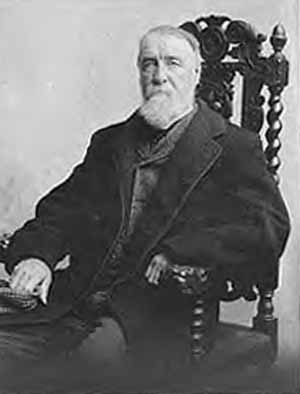
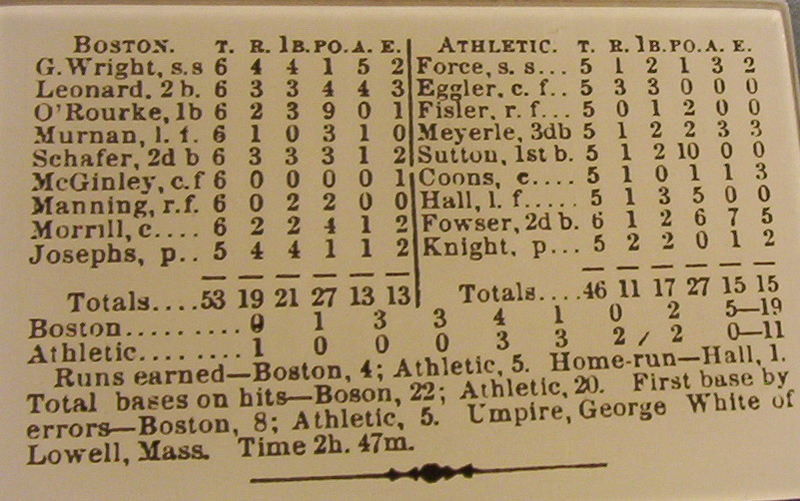
Henry Chadwick (1824-1908) initiated the practice of recording statistics based on his experience in the game of cricket. He applied these methods to baseball after discovering the game in 1856 while “cricket reporter” for the New York Times. His box score for reporting the game, adapted from the cricket box score, has blossomed into contemporary baseball statistics of batting average, runs scored, base on balls, strike outs, runs batted in, earned run average, fielding percentage, and errors, to name a few before falling into the more complex Sabermetrics. Numbers can replicate or model a game, but they cannot substitute for the performance of the game itself.

1876boxscore

[1876 Box score: Wikipedia]


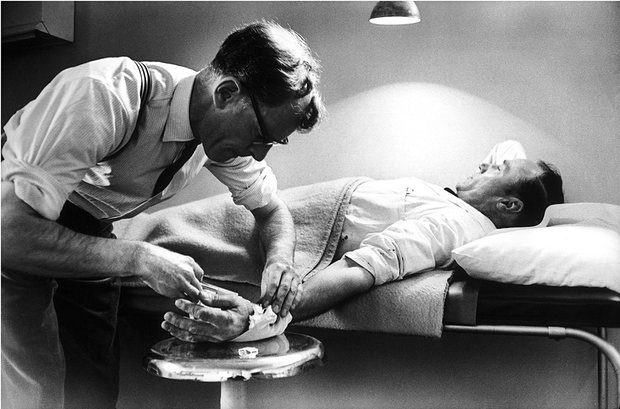
Ten.               Boston surgeon Ernest Amory Codman (1869-1940) was an intellectual successor to Chadwick in the realm of health care, where scoring is more complex than in baseball. [Below: Codman collecting data.]

codman

Eskell and Codman were obsessively committed to their work, but centered on the patient in different ways. Both men were mavericks. Codman focused on measureable outcome, he called this the end result idea, and believed that individual physicians and hospital record systems should keep relevant information. Eskell attended to the patient in the moment and in the environment. Each physician was overwhelmed by his own idea. Codman became alienated from his colleagues and went bankrupt self-publishing his book on the end-result idea, A Study in Hospital Efficiency.  Eskell focused on his immediate performance delivering health care one patient at a time, attentive to their inevitable comorbidities, but he ultimately committed suicide. Whether their unfortunate ends were due to highly sensitive mirror neurons overwhelmed by the woes of the world, or obsessive personalities that closed the door to sufficient joy to offset their burdens is a mystery.

The word detachment caught my attention when I finished surgical residency at UCLA. My inspirational chief was William P. Longmire, Jr. and, just as our completing residents and fellows and the Nesbit Society, I was given a diploma when I finished training. The Longmire Society logo was a symbol with four corners that read: Detachment, Method, Thoroughness, and Humility. At the time (it was 1977) I understood three of the attributes, but found detachment somewhat odd: why include that word?

Over the years. I’ve come to understand it better. Clearly, Codman and Eskell suffered from inadequate detachment. Dr. Longmire, a great surgeon, found the right balance. He knew his patients quite well, but had the necessary detachment to make a grand incision, put his hands in the abdomen, and fix most any problem with exquisite skill and judgment. He felt the need to warn young trainees to develop similar detachment.

The world is different today. Minimally invasive surgery, OR checklists, and electronic health records serve their purposes, but distance us from patients. Indeed, with robots a surgeon never needs to physically touch a patient, surrogates and checklists can stand in the way. Don’t get me wrong, I have benefitted from the robot and I believe in systems (although not obsessively). However, when it is not the surgeon’s hand that makes the incision and it’s not the surgeon’s hands in the body, the doctor-patient relationship is changed, even if in a subtle way. This is reminiscent of the old farmer’s adage: if you have ham and eggs for breakfast, the chicken was involved, but the pig was committed. The new tools, the regulations, scorekeeping, and the economics of health care have created an environment of significant detachment for our trainees. We no longer need to warn them to develop that sense, rather we need to inspire the right extent of involvement and commitment that will lead them into rabbit holes and other avenues of inquiry as caring attendants at the gas stations of life.

Health care performance is now judged by a multitude of variables, some worthy and others less so: patient outcomes may not be evident for years, peer review at M & M conferences drives quality improvement, and performance measures du jour, such as Press Ganey data, remind us of our public responsibility. Ultimately, our game has no final box score. The practice of medicine is an individual art, evolving as knowledge and technology accrue and as self-knowledge notches up, one hopes in lockstep with experience, patient by patient, whether in the springtime or autumn of our careers. Measurements can improve elements of our performances, but will never substitute for artful performance itself.

dsc01844

[Michigan 14 – Wisconsin 7,  Nesbit Weekend 2016]


David A. Bloom

University of Michigan, Department of Urology, Ann Arbor

Matula Thoughts. September 2, 2016.

DAB What’s New Sept 2, 2016

Matula Thoughts. September 2, 2016. News & views.

3821 words


Sept 2016

One.   Summertime news.  Yesterday was the beginning of meteorological autumn and tomorrow is Michigan’s first football game of the season, here at home with Hawaii. Ann Arbor days were hot this summer, but are getting shorter, although not so short yet since we can travel between home and work in daylight at least in one of the directions. [Above: the drive on Huron Drive] September was the seventh month in the old Roman calendar when March served as the first month of ten in the year (see April 1st Matula Thoughts). Calendar reform added January and February to create a 12-month year and September got demoted to the ninth month, but retained its historic name.

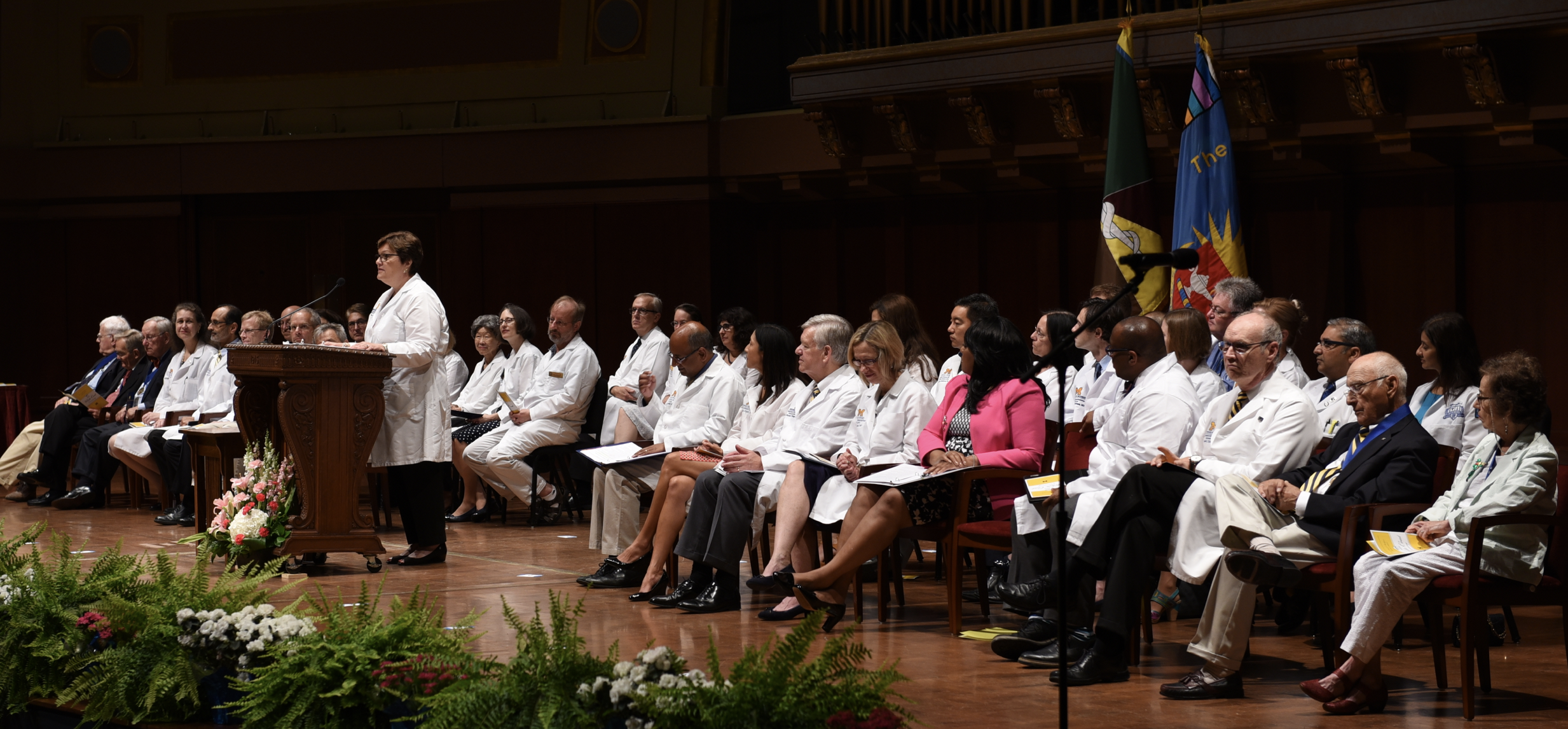
       We had a good summer, overall, in spite of local, national, and worldwide tragedies admixt with the ongoing environmental degradation of which we are no longer innocent. Our particular geographic microcosm, however, has been mostly pleasant and constructive with the entry of new house officers, promotion of their seniors, incorporation of new fellows, and initiation of first year medical students. We enjoyed the Ann Arbor Summer Festival, Art Fairs, Chang-Duckett-Lapides lectureships, White Coat Ceremony, and lovely three-day weekends that come to an end with Labor Day on Monday. A few weeks back Mani Menon from Henry Ford Hospital gave a brilliant Grand Rounds talk on his remarkable achievement of translating radical prostatectomy to the robotic platform, and thus introducing a new paradigm of therapy worldwide (below: Mani Menon, Khurshid Ghani, Andy Brachulis). Stu Wolf had his last day a week ago and will now be doing his part to build a new medical school in Austin, Texas.

Menon

In mid-August we lost a wonderful colleague and pediatric surgeon, Dan Teitelbaum (pictured below), after a difficult struggle with brain cancer. Dan partnered with us in the Disorders of Sex Development program and was a world authority on pediatric gastrointestinal problems both clinically and in the research world. Dan was more than just a colleague, he was a kind, skilled, and reliable partner-in-care and his excellence made us better. We could always count on Dan. Brain cancer, all cancer, is an evil destroyer of the good things in life. We are making progress against cancers on many fronts, but not in time for Dan.

Dan

A road trip this summer to Toronto featured Sick Kids Hospital’s Gordon McLorie symposium for the latest news in pediatric urology. [Below: McLorie Symposium] The Olympics captured much attention during my visit north of the border and, flipping back and forth on television, it seemed that Canadian coverage favored more actual sports and news than broadcaster celebrities and opinions on American networks.

McLorie Symposium

Bruce Hornsby & The Noisemakers appeared back in Ann Arbor at the Summer Festival one evening. Many of us (of a certain age) recall the classic song, The End of the Innocence, Hornsby wrote with Don Henley in 1989. At the Power Center Hornsby and the Noisemakers expanded the piece into an amazing long version with riffs, explorations, and pleasing dissonances. I wondered if the composers intended some reference to Songs of Innocence and Experience by William Blake in 1789 and 1794, but in any case the piece struck me more meaningfully this summer than when I first heard it years ago. Jeff Daniels joined the Hornsby ensemble for an encore and performed his new composition on the iconic environmentalist Henry David Thoreau.

EO & JD

Back in 2009 Daniels and E.O. Wilson received honorary degrees from The University of Michigan (pictured above). Wilson, above on left, is our planet’s most credible spokesman for biodiversity. Recognizing this at a dinner in their honor, Daniels commented self-effacingly something like: “I really don’t know why I am here, for after all, my claim to fame is a film called Dumb and Dumber.” In fact, both honorees are substantial contributors to society and they have comfortably crossed intellectual boundaries. Daniels’ work, for example in The Newsroom, not only entertains, but also speaks to the better nature of mankind, offering an example of a trustworthy television journalist navigating the challenges of corporate broadcasting. Wilson, on the other hand, successfully ventured out from his academic world with the novel, Anthill.

Blake - innocence

[Title page: Songs of Innocence and Experience Showing the Two Contrary States of the Human Soul. 1826 edition. At Fitzwilliam Museum, Cambridge, UK]


Two.   Experience. A new season of academic medicine begins each September and renews the process of turning innocent medical school graduates into experienced urologists. Medical students cram our urology services to test out the idea of careers in urology and audition for 4 available PGY1 (intern) slots, while our residents quickly ascend their ladders of experience and our faculty hone their practices.

Consult DB

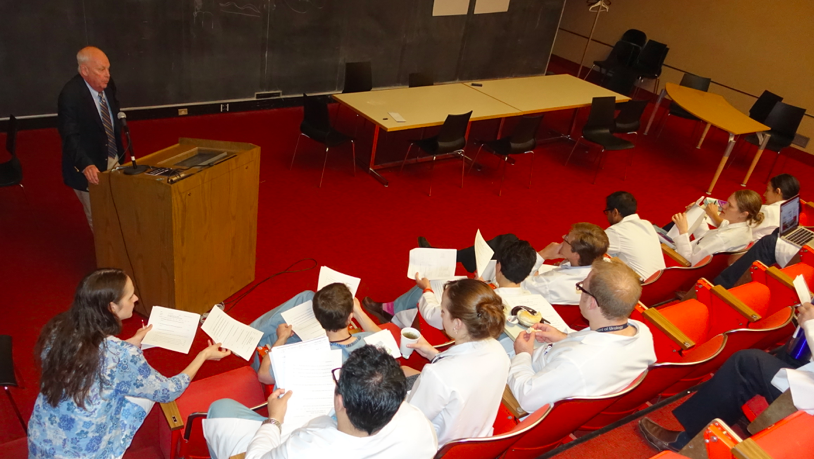
Above you see Julian Wan at Grand Rounds presenting awards to residents Duncan Morhardt, Amir Lebastchi, and Parth Shah for their achievements with consults in Julian’s innovative Tour de Consult. The next picture shows faculty and residents that same Thursday morning at 7 AM listening to talks from medical students. The newly redecorated conference room is a big improvement over its previous 1986 version, although we still run out of space.

Grand Round

Our residents, however, are enjoying ample private space in their new residents’ room we gained recently and which was significantly upgraded thanks to contributions by Jens Sönksen (Nesbit 1996) and a number of other alumni. [See picture on our matching departmental Instagram https://www.instagram.com/umichurology/, courtesy Pat Soter]

This autumn we expect 21 clinical clerks (six 4th year medical students from UM and 15 from other medical schools) to rotate with us. The individual Grand Rounds presentations they make during their stints over the course of my career at Michigan get better and better in sophistication of presentation skills and subject mastery, indicating that the next generation of urologists should surpass us. Later this autumn a subset of our faculty will personally interview about 40 other students from a pool of 350 applicants. In December we will rank all applicants just as they will rank us, a computer will do the matching and by February we will know the names of our next 4 entering residents.

Autumn will also be busy with sectional and subspecialty conferences, national meetings of the American College of Surgeons and other organizations. Abstracts will be due for next year’s big clinical congress of The American Urological Association in Boston. Family life restructures for many of our faculty when children head back to school. Also this fall a presidential election will take place, so make arrangements now so you can vote on Tuesday, November 8.  I’ve learned from sad experience that busy clinicians and staff cannot count on finding a voting window during election day unless they have made deliberate plans, like absentee ballots, far in advance. Unprepared, you may get lucky – or not.


Three.

Radio tuner 1920s

Far from the town crier and printed circular, radio was a big step in the dissemination of news. Radio itself began in 19th century, arguably with the wireless telegraphy patent of Guglielmo Marconi in 1896, but the first tuning system, patented a century ago, brought choice and accessibility to the public. Ernst Alexanderson, an engineer for General Electric in Schenectady, New York, developed the selective tuning system. Station choices grew on AM radio [Above: vintage radio tuner c. 1920s, Wikipedia] and later with FM, thanks to generous regulation and commercial competition. When I spent a year training in Great Britain as a resident in 1976-77 only 4 radio choices were available on my radio, in addition to an off-shore “pirate” station, because government tightly controlled airwaves.

1939_RCA_Television_Advertisement-1

[Radio & Television Magazine X (2): June, 1939. NY: Popular Book Corporation]

Television portended the end of radio after the first public television broadcast in 1927 and color TV in the 1960s made the medium even more irresistible. The prophecy was wrong, however, as radio rebounded with multiple new consumer channels and TV became just the newer communication layer. Radio stations provided “narrow networks” of sports talk shows, partisan political commentary channels, business news stations, religious channels, local news, weather, and some splices to television channels. Reemergence of radio’s early variety shows appeared with Garrison Keillor and the ubiquity of NPR gave radio large new audiences; the final broadcast of A Prairie Home Companion this past July 2 completed its extraordinary 42-season run. Commercial satellite radio produced an explosion of new radio species for an astonishing range of human interests from Elvis to POTUS Politics. Cable TV ended the domination of broadcasting networks, although the proliferation of new television channels added only precious few of quality.

Radio and television “news”, however maintained a sense of integrity with trusted journalist/broadcasters such as Edward R. Murrow who told it clean and straight, in contrast to advertising or propaganda. At some point, however, the term “content” subsumed “news” and clarity began to vanish. Entertainment mingled with news broadcasts and trusted news broadcasters appeared in fictional stories further blurring the border between truth and fiction.

Podcasts, cable and satellite media, and other innovations offered content to seriously compete with network television and the movie industry. Home Box Office (HBO) produced its first original movie for cable TV in 1983 (The Terry Fox Story) and other memorable films and series followed including Breaking Bad (2008-2013) and The Newsroom (2012-2014) with Jeff Daniels who should inspire a future generation of good journalists. (What Game of Thrones inspires is not so clear). Personal phones, computers, and video streaming bring yet newer layers and innovations to communication, information, and entertainment. Mini-series binge-watching eroded prime time network television while Netflix’s video streaming expanded into a new model of content production. Abandoning the pilot and sequential release of episodes, House of Cards (2013) offered an entire series for immediate consumption. The bottom line: new communication technologies add new layers rather than replacing the older media.


Four.

Alex Zazlovsky

Quorum sensing.  A few months ago at Grand Rounds Alex Zaslovsky, representing the lab of Ganesh Palapattu, gave an excellent presentation showing how platelets communicate with tumor cells to help them metastasize.

A process much like bacterial quorum sensing seems to be occurring, and perhaps this type of communication is prevalent throughout all life forms, whether gaining a consensus in a microbial biome to release endotoxin or a majority in a society for an election or an action on an issue. Strictly speaking, quorum sensing is a matter of individual gene regulation in response to news of cell population density. In other words, gene expression is coordinated according to the size and needs of the population. In the larger sense, quorum sensing allows individuals, that by themselves may be insignificant, to become superorganisms. Bacteria thus act in congress like multicellular organisms and this process works in bigger species such as social insects, fish, mammals, and likely all biologic creatures in ways we have yet to understand. This phenomenon brings us back to the seminal work of E.O. Wilson who linked ant pheromones to sociobiology and then to human consilience.

Quorum sensing is basically a matter of getting news, that is acquiring information about the environment so as to change or maintain behaviors. Weather (temperature, humidity, and pressure) is a form of news, but news about other creatures (one’s own species and different ones) also has great relevance for the immediate and intermediate future. Just as people learn individualistically, they collect news idiosyncratically. A hurricane or a full solar eclipse in mid-day gets everyone’s attention, but most news we need or crave is more discrete, while the media we employ to collect it are many and increasing in variety. Newspapers, radio, television, personal computers, and smart phones expand human quorum sensing and newsgathering far beyond the wildest expectations of Gutenberg with his printing press. New forms of social media layer upon each other and get tested in the market. Michigan Urology has its regular What’s New email, web site, Facebook page, Twitter Account, Matula Thoughts blog, and will now test out a weekly Instagram photograph that we hope will attract not only viewing interest, but also contributions from the readership.

We started putting Matula Thoughts on a web site three years ago mainly as an archive and an alternate access because our What’s New email list was getting cumbersome. While we don’t know much of our ultimate email audience, due to multiple forwarding, the matulathoughts.org web site provides visibility of readership as seen in the snapshot below of the first 6 months of 2016.

MT readership 2016


Five.   Thoreau away thoughts.  Coming into work one day this summer I was listening to an audio book by Chris Anderson, the head of TED Talks, and had just come to his optimistic conclusion about mankind when I stepped out of my car on the Taubman lot and was offended by a bunch of pistachio nutshells someone had dumped on the deck. My first thought was “What jerk did this?” but after reconsidering I thought Why should I care?

Pistachio

After all I was wearing shoes and those shells weren’t going to hurt my feet. They don’t harm the environment, aside from minor aesthetic degradation, and even so some modern artist might consider the pattern a compelling expression of random human graffiti. Possibly I myself had been such a jerk making similar transgressions in the past, before my sensibilities (presumably) matured. No sharp demarcation exists between the clueless citizen and the clinically certified narcissist, although most of us can tell the difference at any moment. Another label for the parking lot perpetrator springing to mind was the less complimentary anatomical term for the gastrointestinal tract terminus, a word that has an important place in organizational theory (RI Sutton, The No Asshole Rule, The Hachette Book Group, 2007). Thanks to the ubiquitous cell phone camera I was able to record this minor breech of civility for a teaching opportunity. The lesson being that the environment is our nest, but general appreciation of its limits is poor, in spite of great thinkers from Lucretius to Henry David Thoreau to E.O. Wilson who have tried to raise our sensibility.

Thoreau

Thoreau was a curious fellow, best known for his Walden Pond seclusion, possibly because he didn’t consider himself very sociable. The above daguerreotype was taken in response to a request by Calvin R. Greene, a Thoreau disciple living in Rochester, Michigan. Greene began corresponding with Thoreau in January, 1856 and asked for a photographic image, that Thoreau initially denied, saying: “You may rely on it that you have the best of me in my books, and that I am not worth seeing personally – the stuttering, blundering, clodhopper that I am.” Greene’s persistence paid off and in June of that year Thoreau sat for three daguerreotypes at 50 cents each in Worchester, MA at the Daguerrean Palace of Benjamin Maxham. Henry David must have at least liked the third image, sending it to Greene, noting: “… which my friends think is pretty good – though better looking than I.” [Image and description, National Portrait Gallery, Washington, DC]


Six.   News. It’s a nice coincidence that NEWS could be an acronym for north, east, west, and south. The reality, though, is that the English term arrived in the 14th century as a plural form of “new” information. For 14th century English village folk, relevant news included weather, gossip, crop issues, births & deaths, accidents, plague, and war. In turn over time town criers, newspapers, radio, and television carried news among villages, through cities, and across continents. A new profession arose as journalists pieced events together and investigated them to derive factual stories. Photographs and today’s video clips offer powerful encapsulations of news in images and voices. Aggregation of news and targeting it to audiences with narrow interests is not new, we saw it in People magazine, the Racing Form, and Popular Mechanics, but daily news aggregation on the internet compiles information on a global scale and devastated the business model of investigative journalism. The Newsroom attended to the tensions between regurgitated information, narrative truth, and corporate self-interest. Human quorum sensing is immeasurably more complex than that of E.coli, although the basic principles must be quite similar. The variety of ways to collect and disseminate news from quorum sensing to Instagram will continue to expand, and each of our growing number will adapt our own methods and devices to capture what we will.

Newsboys Pose c 1890 copy

[Ann Arbor newsboys c. 1890]


Seven.    Urology news & Ig Nobel Thoughts. Later this month the 2016 Annual Ig Nobel Prize Ceremony takes place at Harvard’s Sanders Theater (September 22) to introduce 10 prizewinners for accomplishments “that make people laugh then think.” We expect no winners from the ranks of UM Urology, although it is worth mentioning that one winner last year was a study of mammalian urination times that found “golden rule” wherein urination times ranged around 21 seconds regardless of the species or bladder volume. This work, published in PNAS (a curious acronymic homonym), begs further investigation to explore gender differences, age effects, and the relations to various pathologies such as BPH [Yang et al Proc Nat Acad Sci 111:11932, 2014]. Notably, the first reference in the paper was Frank Hinman, Jr.’s book On Micturition (1971). The Ig Nobelists, however, missed Hinman’s smaller limited edition book called The Art and Science of Piddling [Vespasian Press, San Francisco, 1999] Hinman (shown below) playfully censored the retromingent stream of the rhinoceros on the book cover. To what end this unusual direction of micturition has evolved remain unclear, but extinction may void the species before an explanation is discovered.

Piddling

Hinman-office copy


Eight.   Photography. If you happen by the National Archives, as we did on a brief visit to Washington this summer, you might spot the Daguerre Memorial on Ninth Street by the Department of Justice. American sculptor Jonathan Scott Hartley (born in Albany, NY 1844, deceased 1912) produced the relief bust of Louis Daguerre honored by a female figure representing fame while a garland encircles the globe in homage to the universality of photography. Harley also made busts of Nathaniel Hawthorne, Washington Irving, and Ralph Waldo Emerson, Thoreau’s friend and colleague.

Daguerr Statue

Daguerreotypes transitioned to portable film cameras and now digital images on universal camera phones that allow great visibility of the particulars of the world. Visual images are fundamental to modern communication and newsgathering. Walking near the Daguerreotype monument we noticed a discarded snuff can in a planter box similar the pistachio shell arrangement shown earlier, further evidence that the great pageant of humanity marches forward and continues to leave its mark, although now subject to universal documentation.

Skoal

A yearly photographic competition of The Lancet, called Highlights,  further opens the door to the world’s cellphones and cameras. Last year’s contest yielded 12 winners detailing: a ruined hospital in western Syria, moments of patient care, community action, a poster showing health advantages of raised beds with mosquito nets, smoking prevention, Ebola hot zone management, road traffic accidents, cleft lip repair, and the politics of social justice. [Lancet. Palmer & Mullan. Highlights 2015: pictures of health. 386:2463, 2015]


Nine.   A somber note. Last month this column concluded with reference to the Hiroshima bomb, an existential threat that has increased since 1945 by many orders of magnitude. There is little question what Henry David Thoreau, among many wise thinkers of the past and present would say on this matter of nuclear weapons: they must be contained and their spread prevented. Failing that, a doomsday scenario is not unlikely and only luck has prevented this from happening so far. A new book, My Journey to the Nuclear Brink by William Perry (US Secretary of Defense 1994 – 1997), explains our precarious situation better than anything else I’ve read. You can understand his point in a “Cliff’s Notes” fashion by going directly to Perry’s website, but his book is quite compelling and readable. Perry, currently emeritus professor at Stanford University and senior fellow at its Hoover Institution, founded the William J Perry Project in 2013(http://www.wjperryproject.org/), a non-profit organization intended to educate the public on the current dangers of nuclear weapons. Addressing close calls of the past, Perry reveals that the Cuban Missile Crisis came far closer to the brink that most people suspected, but for two unreported “mistakes” on both sides of the conflict (USA and Soviet Union) that prevented nuclear deployment. Today the risk is greater and more complex as the weapons are far more massive and numerous than 71 years ago over Hiroshima. Opportunities for accidents, terrorism, rogue nations, territorial disputes, or mistaken perceptions of “responsible” nations are too many to count.

AtomicEffects-p7a

[Above, Hiroshima before blast, above ground zero, with 1000 foot circles marked; below, after the explosion with not much left standing.]

AtomicEffects-p7b


Ten.

Cassandra

Cassandra. In Greek mythology, Cassandra was a curious prophet, who turned out to be an ineffective communicator. Attempting to seduce her, Apollo gave her the power of prophecy, but when she refused his advances he spat into her mouth with the curse that no one would believe her prophecies. Prophecy skepticism has endured since her time. Right or wrong, but forecasts require consideration, especially when backed by information, whether in the form of news or other information. [Cassandra, in front of burning Troy, by Evelyn De Morgan, 1898]

The current likelihood of a nuclear incident is great and in recognition of this an exercise called Mighty Saber was held last year by the Defense Threat Reduction Agency at Fort Belvoir, Virginia to simulate a detonation in a US city and trace the origin of the device. An article by Richard Stone in Science concluded: “… to have any chance of unraveling the details of a nuclear attack, investigators have to lay the scientific groundwork – while hoping it will never be needed.” [Stone. Science. 351:1138, 2016]

The world is full of danger and nuclear devices are but one of a number of catastrophic threats. This fact needs to be acknowledged as people go to the polls to vote for their legitimate self-interests that may involve party loyalties, economic matters, civil rights, first and second amendments, immigration, border security, health care equity, public education, government size, gender issues, free speech, law enforcement, etc. Our ultimate self-interest, however, is immediate survival of our species and the security of our children’s future. With this in mind we individually must make the best choices we can for the elections at hand. Just as importantly we, as a society, must do a far better job of leadership succession to prepare educated and wise future civil leaders rather than leaving succession up to random populists, celebrities, or narcissists who crave power and the ultimate corner offices. Geopolitical and world market stability are severely challenged and we are terribly short of good leaders and great ideas. The grim political landscape at hand, however, doesn’t give anyone of us the right to be aloof from the politics and processes of representational government.

You may ask what does all this have to do with our profession, our patients, our trainees, and our science? The answer is – everything. Our successors won’t consider us innocent if we hand over to them a diminished future in a dysfunctional society on a damaged planet. Join the important political conversations, the next generation is counting on it.


Thanks for reading Matula Thoughts for this first Friday of September, and on future first Fridays if you are so disposed.

David A. Bloom

University of Michigan, Department of Urology, Ann Arbor
Matula Thoughts August 5, 2016

Matula_Logo1

Matula Thoughts – August 5, 2016


Summertime field notes, superheroes, and retrograde thoughts.
3975 words


Art Fair

Patient experience. Walking through the Art Fairs last month after great lectures from visiting professors, my thoughts wandered to Matula Thoughts/What’s New, this electronic communication that has become my habit for the past 16 years. It may be presumptuous to think that anyone would spend 20 minutes or more reading this monthly packet approaching 4000 words. Certainly, UM urology residents and faculty are too busy to give this more than a glance, and that’s OK by me. Of the 10 items usually offered I’d be happy if most folks just skimmed them and perhaps discovered one of enough interest to read in detail. Conversely, some alumni and friends hold me to account for each word and fact, and they are enough for me to know that this communication (What’s New email and Matula Thoughts website) is more than my whistling in the wind.


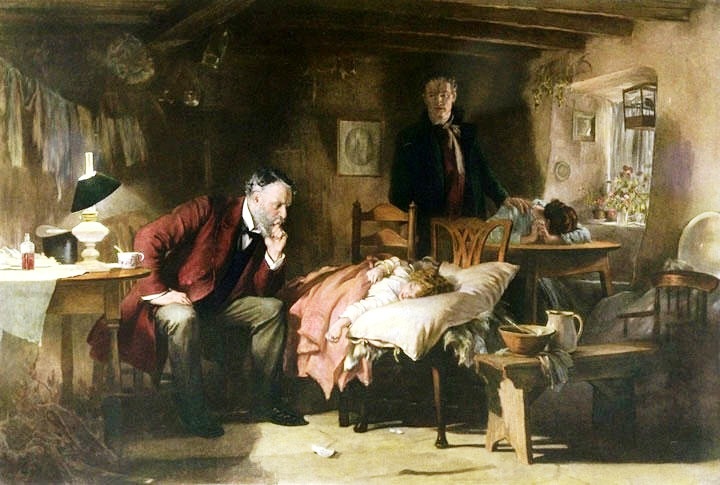
The_Doctor_Luke_Fildes copy

One.

Art & medicine. Luke Fildes’s painting, The Doctor, shown here last month, deserves further consideration in the afterglow of Don Nakayama’s Chang Lecture on Art & Medicine. [1892, Tate Gallery]. The duality of the doctor-patient relationship, ever so central to our profession, has gotten complicated by changes in technology, growth of subspecialties, necessity of teams and systems, and the sheer expense of modern healthcare. As Fildes shows, medical relationships in the pediatric world extend beyond twosomes and this actually pertains for all ages, since no one is an island. That nuance notwithstanding, the patient experience through the ages and into the complexity of today remains the central organizing principle of medicine.

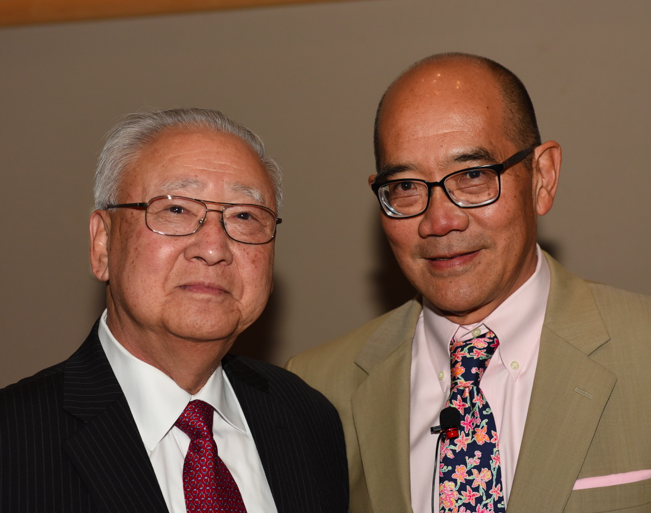
Nakayama & Chang

[Dr. Chang & Don Nakayama]

An article in JAMA recently explored the patient experience via the Hospital Consumer Assessment of Healthcare Providers & Systems (HCAHPS) Survey. Delivered to random samples of newly discharged adult inpatients, the 32 items queried are measurements of patient experience that parlay into hospital quality comparisons and impact payments. [Tefera, Lehrman, Conway. Measurement of the patient experience. JAMA 315:2167, 2016]

It is unfortunate that health care systems and professional organizations hadn’t previously focused similar attention on patient experience and only now are compelled to investigate and improve it by the survey. We may chafe and groan at HCAHPS, but it reflects well on representational government working on behalf of its smallest and most important common denominator – individual people.

Everyone deserves a good experience when they need health care whether for childbirth, vaccination, otitis, UTI, injury, other ailments and disabilities, or the end of life. If for nothing more than “the golden rule” all of us in health care should constantly fine-tune our work to make patient care experiences uniformly excellent because, after all, we all become patients at points in life. The individual patient care experience is the essential deliverable of medicine and the epicenter of academic health care centers from the first day of medical school to the last day of practice, after which we all surely will become patients again.


Twitter invasion

Two.

Educating doctors. Last week’s White Coat Ceremony was the first day of medical school class for Michigan’s of 2020. Deans Rajesh Mangulkar and Steven Gay with their admissions team assembled this splendid 170th UMMS class. Unifying ceremonies are important cultural practices and this one is an exciting milestone for students and a pleasant occasion for the faculty who will be teaching the concepts, skills, and professionalism of medicine. Families in attendance held restless infants, took pictures, and applauded daughters and sons. A “doctor in the family,” for most of the audience, happens once in a blue moon, a rare circumstance of joy, and certainly evidence of success and luck in parenting. The attentive audience for the 172 new students entertained only rare social media diversions. Julian Wan represented our department on stage.

Dee at White Coat

Dee Fenner’s keynote talk resonated deeply. She described her career as a female pelvic surgeon and its impact on patients and on herself. Dee talked about the symbolism of the white coat and skewered today’s hype about “personalized medicine”, saying that medicine is always rightly personalized; our ability to tailor health care to the individual genome is just a matter of using better tools.  Alumni president (MCAS) Louito Edje said: “This medical school is the birthplace of experts. You have just taken the first step toward becoming one of those experts.” She recommended cultivation of three fundamental attitudes to knowledge: humility, adaptability, and generosity. Students then came to the stage and announced their names and origins before getting “cloaked.”

Cloaking

The ceremony passes quickly, but is long remembered. Students shortly immerse in intense learning, although medical school is kinder today with less grading, rare attrition, and greater attention to personal success and matters of team work.

New student

My favorite “new medical student story” concerns the late Horace Davenport. He had retired before I arrived in Ann Arbor, but remained active in the medical students’ Victor Vaughn Society that met monthly at a faculty home for a talk over dinner. Davenport, an international expert in physiology, was a superb and fearsome teacher as one student, Joseph J. Weiss (UMMS 1961), recalled from the fall of 1957.

“In our first physiology lecture Dr. Horace Davenport grabbed our attention by announcing that the first person to answer his question correctly would receive an ‘A’ in physiology and be exempt from any examinations or attendance. The question was: ‘What happened in 1623? The context implied an event of significant impact to human knowledge. After a long pause the amphitheater echoed with answers: the discovery of America, the landing of the pilgrim fathers, the death of Leonardo da Vinci. Then Nancy Zuzow called out: ‘The publication of William Harvey’s The Heart and its Circulation’. There was sudden silence. She must be right. How clever of her. Of course a physiologist would see this landmark publication as an event to which we should give homage. Who would have thought that Nancy was so smart? Even Dr. Davenport was impressed. He asked her to stand, and acknowledged that she had provided the first intelligent response. ‘However,’ he noted, ‘that publication occurred in 1628.’ No one could follow up up on Nancy’s response. Dr. Davenport looked around the room, sensed our ignorance, realized we had nothing more to offer, and then said: ‘1623 was the publication of Shakespeare’s First Folio.’ He announced that we would now move on and ‘return to our roles as attendants at the gas station of life”,’ and began his first in a series of three lectures on the ABC of Acid-Base Chemistry.” [Medicine at Michigan, Fall, 2000.  Weiss, a rheumatologist who practiced in Livonia, passed away in October 2015.  Zuzow died in 1964, while chief resident in OB GYN at St. Joseph Mercy, of a cerebral hemorrhage.]

First folio


Three.

New Perspectives. Visiting professors bring different perspectives and last month the Department of Urology initiated its new academic season with several superb visitors. Distinguished pediatric surgeon Don Nakayama gave our 10th annual Chang Lecture on Art and Medicine on the Diego Rivera Detroit Industry Murals. [Below: full house for Nakayama at Ford Auditorium]

Chang Lecture

I’ve been asked what relevance an art and medicine lecture has for a urology department’s faculty, residents, staff, alumni, and friends. Davenport would not have questioned the matter. This year, in particular, the lecture made perfect sense with Don’s discussion of what can now be called the orchiectomy panel in the Detroit Institute of Arts murals. Hundreds of thousands of people have viewed this work since 1933, including the surgical panel that art historians labeled “brain surgery” – a description unchallenged until Don revealed the scene represented an orchiectomy. His Chang Lecture explained the logic of Rivera’s choice.

Nelsons

Grossmans

Drach

[Top: Caleb & Sandy Nelson; Middle: Bart & Amy Grossman, Bottom: George Drach]

The day after the Chang Lecture, Caleb Nelson (Nesbit 2003) from Boston Children’s Hospital and Bart Grossman (Nesbit 1977) of MD Anderson Hospital in Houston delivered superb Duckett and Lapides Lectures. Caleb discussed the important NIH vesicoureteral reflux study while Bart brought us up to date on bladder cancer, greatly expanding my knowledge regarding the rapid advances in its pathogenesis and therapy. George Drach from the University of Pennsylvania provided a clear and instructive update on Medicaid coverage for children. Concurrent staff training went well thanks to those who stayed behind from this yearly academic morning to manage phones, clinics, and inevitable emergencies.

Lapides Lecture

[Above: Lapides Lecture, Danto Auditorium]


Tortise on post

Four.

Observation & reasoning. Don Coffey, legendary scientist and Johns Hopkins urology scholar, retired recently. Among his numerous memorable sayings he sometimes mentioned an old southern phrase: “if you see a turtle on a fencepost, it ain’t no coincidence.” A tortoise on a post isn’t some random situation that happens once in a blue moon, it is more likely the result of a purposeful and explainable action. (Of course, it is also not a nice thing.) Coffey was arguing for the importance of reflective and critical thinking as we stumble through the world and try to make sense of it, whether on a summertime pasture, in an art gallery, or in a laboratory examining Western blots.

[Above: tortoise sculpture on post. Mike Hommel’s yard AA, summer, 2016. Below: Coffey]

Coffey

feynman1

Richard Feynman (above), Nobel Laureate Physicist, offered a related metaphor.

“What do we mean by ‘understanding’ something? We can imagine that this complicated array of moving things which constitutes ‘the world’ is something like a great chess game being played by the gods, and we are observers of the game. We do not know what the rules of the game are; all we are allowed to do is to watch the playing. Of course if we watch long enough we may eventually catch on to a few of the rules… (Every once in a while something like castling is going on that we still do not understand).” [RP Feynman. Six Easy Pieces. 1995 Addison-Wesley. P.24]

Observation, reasoning, and experimentation are the fundamental parts of the scientific method that allows us to figure things out. Feynman’s castling allusion is brilliant.

EO Wilson_face0

[EO Wilson at UM LSI Convocation 2004]

E.O. Wilson went further with his thoughts on consilience, the unity of knowledge.

“You will see at once why I believe that the Enlightenment thinkers of the seventeenth and eighteenth centuries got it mostly right the first time. The assumptions they made of a lawful material world, the intrinsic unity of knowledge, and the potential of indefinite human progress are the ones we still take most readily into our hearts, suffer without, and find maximally rewarding through intellectual advance. The greatest enterprise of the mind has always been and always will be the attempted linkage of the sciences and humanities. The ongoing fragmentation of knowledge and resulting chaos in philosophy are not reflections of the real world, but artifacts of scholarship. The propositions of the original Enlightenment are increasing favored by objective evidence, especially from the natural sciences.” [Wilson. Consilience. P. 8. 1998]


superheroes

Five.

Superheros. Somewhat to our cultural disadvantage our brains are hardwired to favor physical performance, entertainment, and appearances over intellectual leaps of greatness. We celebrate actors, athletes, politicians, musicians, and cartoons far more than great intellects. Worse, intellectuals in many periods of history were deliberately purged.

Coffey, Feynman, and Wilson are real superheroes of our time. Their ideas have been hugely consequential and they individually are role models of character and intellect. Another name to add to the superhero list is Tu Youyou (屠呦呦). My friend Marston Linehan first alerted me to her incredible story and discovery of artemisinin. It is also a story of how the better nature of humanity is subject to the dark side of our species and the nations we let govern us.

Born in Ningbo, Zhejiang, China in 1930 Tu Youyou attended Peking University Medical School, developed an interest in pharmacology, and after graduation in 1955 began research at the Academy of Traditional Chinese Medicine in Beijing. This was a tricky time to be a scientist in Maoist China. Ruling authorities favored peasants as the essential revolutionary class and in May 1966, the Cultural Revolution launched violent class struggle with persecution of the “bourgeois and revisionist” elements. The Nine Black Categories (landlords, rich farmers, anti-revolutionaries, malcontents, right-wingers, traitors, spies, presumed capitalists, and intellectuals) were cruelly relocated to work or forage in the countryside while neo-revolutionaries disestablished the national status quo.

In 1967 as North Vietnamese troops contended in jungle combat with US forces, chloroquine-resistant malaria was taking a heavy toll on both sides. Mao Zedong launched a secret drug discovery project, Project 523, that Tu Youyou joined while her husband, a metallurgical engineer, was banished to the countryside and their daughter was placed in a Beijing nursery. Screening traditional Chinese herbs for anti-plasmodial effects Tu found Artemisia (sweet wormwood or quinghao) mentioned in a text 1,600 years old, called Emergency Prescriptions Kept Up One’s Sleeve (in translation). She led a team that developed an artemisinin-based drug combination, publishing the work anonymously in 1977, the year after the revolution had largely wound down and only in 1981 personally presented the work to World Health Organization (WHO). Artemisinin regimens are listed in the WHO catalog of “Essential Medicines.” Tu won the 2011 Lasker-DeBakey Clinical Medical Research Award and in 2015 the Nobel Prize In Physiology or Medicine for this work.

Artemisia

[Above: Artemisia annua. Below: Tu Youyou with teacher Lou Zhicen in 1951]

Tu_Youyou_and_Lou_Zhicen_in_1951.TIF


Six.

It may be a human conceit to think of ourselves as the singular species on Earth capable of self-improvement. Considering the impact of Coffey, Feynman, Wilson, and Tu among other intellectual superheroes, imagination at their levels seems a rarity in the universe. Yet, any sentient creature wants to improve its comfort as well as its immediate and future prospects, for who is to say that a whale, a dolphin, a gorilla, or an elephant cannot somehow imagine a more comfortable, happier, or otherwise better tomorrow? In anticipation of another day, birds make nests, ants make tunnels, and bees make hives.

We humans have extraordinary powers of language, skill (with our cherished opposable thumbs), and imagination that provide unprecedented capacity to improve ourselves. Accordingly we easily imagine ourselves in better situations, whether physically, materially, intellectually, or morally, and as it is said, if we can imagine something we probably can create it.

Imagination of a better tomorrow is part of the drive for change as we consider our political future, although this can be risky. The intoxicating saying out with the old and in with the new has led to such things as the United States of America in 1776 or the Maastricht Treaty and European Union in 1992. Change, however, does not always produce happy alternatives, as evidenced by the Third Reich, the dissolution of Yugoslavia, the Arab Spring, or Venezuela’s Chavez era. Disestablishment does not predictably improve life for most people. The human construct, at its best and most creative, rests on a fragile establishment of geopolitical, economic, and environmental stability. The status quo that has been established may be imperfect, but is disestablished only at considerable risk.

Representational government and cosmopolitan society seem to be the best-case scenario for what might be called the human experiment wherein various factions of a diverse population come together to create a just social agenda and build a better tomorrow. The threat to this utopian scenario comes from factionalisms and tribalisms that insert narrow self -interests and litmus tests for cooperation into any consensus for agenda. We see this in the mid-east, in the European Zone, and in American presidential election cycles. Generally ignored or forgotten by competing factions and litmus-testers is the worst-case scenario of civil collapse. We experienced limited episodes of this in two World Wars, southeastern Asian catastrophes, central African genocides, Yugoslavia’s dissolution, and the collapse of Syria to name some instances. However sturdy we think human civilization may be, it is only a thin veneer in a random and dangerous universe. Civil implosions of one sort or another occur intermittently in complex societies, however we must become better at predicting them, circumventing them, and most importantly preventing their dissemination. Their catastrophic nature surpasses any sectarian interests or individual beliefs beyond the survival of civilization itself.


Moon June 17, 2016

Seven.

The Blue Moon, mentioned earlier, is a picturesque metaphor for an uncommon event. It’s actually not random, inasmuch as a blue moon is a second full moon in a given month (or other calendar period), so the next one can be accurately predicted. Since a full moon occurs about every 29.5 days, on the uncommon occasions it appears at the very beginning of a month, there is a chance of Blue Moon within that same month. The next Blue Moon we can expect will be January 31, 2018.

The song is a familiar one. It was originally “MGM song #225 Prayer (Oh Lord Make Me a Movie Star)” by Richard Rogers and Lorenz Hart in 1933. Other lyrics were applied, but none stuck until Hart wrote Blue Moon in 1935.

Nothing is visually different between blue moons or any other full moons. I took this picture (above) of a nearly full moon this June after some trial and error. A full moon is a beautiful thing and can’t help but give anyone a sense of the small individual human context. Friend and colleague Philip Ransley, now working mainly in Pakistan, spent much of his career aligning his visiting professorships around the world with lunar eclipses and lugging telescopes and cameras along with his pediatric urology slides. Receiving the Pediatric Urology Medal in 2001, barely a month after the tragic event of September 11, 2001, he spoke on lunar-solar rhythms, shadows, and their relationship to the human narrative: “… I would like to lead you into my other life, a life dominated by gravity and its sales rep, time. It has been brought home to us very forcibly how gravity rules our lives and how it governs everything that moves in the universe.” [Ransley. Chasing the moon’s shadow J. Urol. 168:1671, 2002]

PGR2

[PG Ransley c. 2005]

Ransley is currently working in Karachi, Pakistan at the Sindh Institute of Urology and Transplantation, the largest center of urology, nephrology, and renal transplantation in SE Asia. The pediatric urology unit at SIUT is named The Philip G. Ransley Department. [Sultan, S. Front. Pediatr. 2:88, 2014]


Eight.

Ruthless foragers. Earlier this summer a friend and colleague from Boston Children’s Hospital, David Diamond, brought me along for a bluefish excursion off of Cape Cod. These formidable eating machines travel up and down the Atlantic coast foraging for smaller fish. Like many other targets of human consumption, blue fish are not as plentiful as they once were, although they are hardly endangered today.

BluefishBiomass_Sept2015

[From Atlantic States Marine Fisheries Commission]

Just as we label ourselves Homo sapiens, the bluefish are Pomatomus saltatrix. Both, coincidentally, were named by Linnaeus, the botanist who got his start as a proto-urologist, treating venereal disease in mid 18th century Stockholm. His binomial classification system (Genus, species) is the basis of zoological conversation, although genomic reclassification will upend many assumptions. Also like us, the bluefish is the only extant species of its genus – Pomatomidae for the fish and Hominidae for us. Thus we are both either the end of a biologic family line or the beginning of something new. Our fellow hominids, such as Neanderthals, Denisovans, or Homo floresiensis didn’t last much beyond 30,000 years ago, although they left some of their DNA with us. It may be a long shot, but I hope H. sapiens can go another 30,000 years.

Bluefish

[Bove: ruthless foragers]

Teeth

Like us, Pomatomus saltatrix are ruthless foragers, eating voraciously well past the point of hunger. Their teeth are hard and sharp, reminding me of the piranha I caught on an unexpected visit to the Hato Piñero Jungle when attending a neurogenic bladder meeting in Venezuela some 20 years ago. Lest you think me a serious fisherman, I disclose there’ve not been many fish in between these two.

Pirhana

[one of 4 piranha geni (Pristobrycon, Pygocentrus, Pygopristis, & Serrasalmus that include over 60 species]

Linnaeus gave bluefish a scientific name in 1754, describing the scar-like line on the gill cover and feeding frenzy behavior (tomos for cut and poma for cover; saltatrix for jumper, as in somersault). I learned this from the book Blues, by author John Hersey (1914-1993), who was better known for his Pulitzer novel, A Bell for Adano (1944) or his other nonfiction book, Hiroshima (1946). [Below: Hersey]

Johnhersey

Michigan trivia: Hersey lettered in football at Yale where he was coached by UM alumnus Gerald Ford who was an assistant coach in football and boxing for several years before admission to Yale’s law school. Hersey became a journalist after college and graduate school in Cambridge. In the winter of 1945-46 while in Japan reporting for The New Yorker on the reconstruction after the war he met a Jesuit missionary who survived the Hiroshima bomb, and through him and other survivors put together an unforgettable narrative of the event. The bluefish story came later (1987).


Nine.

Today & tomorrow. Today is the start of the Summer Olympics in Rio de Janeiro, Brazil where 500,000 visitors are expected, presumably well covered and armed with insect repellent due to fears of Zika, an arbovirus related to dengue, yellow fever, Japanese encephalitis, and West Nile viruses.
Tomorrow is a sobering anniversary. I was 11 days old, on August 6, 1945, when, at 8:15 AM, a burst of energy 600 meters above the Aioi Bridge in Hiroshima, Japan incinerated half the city’s population of 340,000 people. Don Nakayama wrote a compelling article on the surgeons of Hiroshima at Ground Zero, detailing individual stories of professional heroism. [D. Nakayama. Surgeons at Ground Zero of the Atomic Age. J. Surg. Ed. 71:444, 2014] We reflect on Hiroshima (and Nagasaki) not only to honor the fallen innocents and to re-learn the terrible consequences of armed conflict, but also to recognize how close we are to self-extermination. A new book by former Secretary of Defense, William Perry, makes this possibility very clear, showing how much closer we came to that brink during the Cuban Missile Crisis. [Perry. My Journey at the Nuclear Brink. Stanford University Press. 2016]


Ten.

Self-determination vs. self-termination. Life, and our species in particular, is far less common in the known universe than Blue Moons, it might be said, although those moons actually are mere artifacts of calendars and imagination. Art and medicine are distinguishing features of our species, Homo sapiens 1.0. The ancient cave dwelling illustrations of handprints on the walls and galloping horses, are evidence of our primeval need to express ourselves by making images. The need to care for each other (“medicine” is not quite the right word) is an extension from the fact that we are perhaps the only species that needs direct physical assistance to deliver our progeny. If our species is to have a future version (Homo sapiens 2.0) we will have to check ourselves pretty quickly before we terminate ourselves, through war and genocide, consumption of planetary resources, or degradation of the environment. While representational government, nationally and internationally, may be our best hope to prevent termination we will have to represent ourselves a lot better. That’s a fact whether here in Ann Arbor, in Washington DC, in China, Africa, Asia, or Europe.

Tribalism resonates with many deep human needs and it has gotten our species along this far, but H. sapiens 2.0 will have to make the jump from tribalist behavior to global cosmopolitanism. Sebastian Junger, a well-known war journalist, has written a compelling book that explores the human need for a sense of community that he describes by the title, Tribe. While we need better sense of community in complex cosmopolitan society, we cannot accept primitive tribalism, sectarianism, or nativism of exclusivity that exacerbate conflict among the “isms.” Tribalism cannot create an optimal or even a good human future whether the version is Brexist or ISIS, paths retrograde to human progress and the wellbeing of humanity in general.

Girl with pearl

[Girl with Pearl Earing, Vermeer, c. 1665, & viewers at Mauritius Museum, The Hague]

Reflections on art and medicine lead to cosmopolitan and humanitarian thought and behavior. Humanistic reflection, shared broadly, should track us more closely to a utopian scenario, rather than to catastrophe that is only a random contingency away.

Tulp

[Anatomy Lesson of Nicolaes Tulp. Rembrandt, 1632. Mauritius Museum, The Hague]


Thank you for reading our Matula Thoughts.

David A. Bloom
University of Michigan, Department of Urology, Ann Arbor
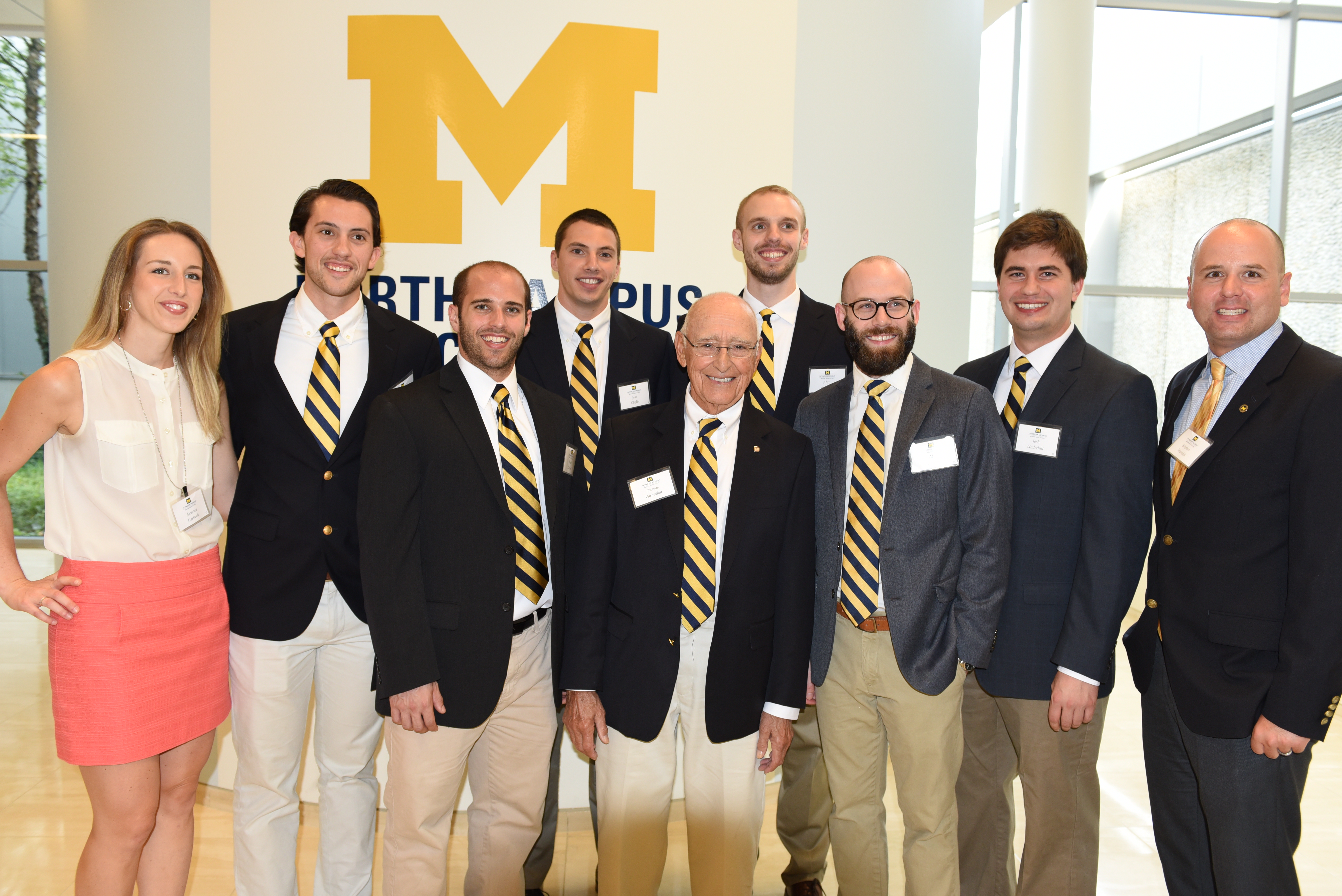
Matula Thoughts June 3, 2016

DAB What’s New/Matula Thoughts June 3, 2016

 Matula_Logo1

 3659 words

Periodic explanation: What’s New is a weekly email communication from the University of Michigan Department of Urology. Most Fridays it is distributed internally to faculty, residents, and staff, dealing with operational specifics, personnel, and programs of the department, but on the first Friday of the month it is general in scope as “a chair’s perspectives” and is distributed more widely to alumni and friends of the department. The website (blog) version is matulathoughts.org.


Screen Shot 2016-05-29 at 8.22.24 AM

One.          Springtime & Montie. Spring declared itself in Ann Arbor early last month when flowers, shrubs, and trees began to wake up from the winter, while many Michigan urologists headed out to San Diego for the national meeting of the American Urological Association. There Jim Montie received the Lifetime Achievement Award, a distinguished honor for a great career.

[Picture above: NCRC trees waking up near the Keller Laboratory; below: kudos to Jim Montie]

JM Award

Michigan Urology owes much to Jim who took the helm during a turbulent era of our Section of Urology in the Department of Surgery in 1997. He stabilized our unit without disturbing its essential deliverable of kind and excellent patient-centered care while standing solidly for the other key parts of our academic mission, education, and research. Jim led our Section of Urology to departmental status and became inaugural chair in 2001. As a world-class clinician and surgeon his reputation is unsurpassed. Jim’s foresight in recognizing the potential for health services research in urology and his courage in “betting the farm” on it within our new department led to our key position in academic urology today. This is a good year for Montie awards, as Jim will also be receiving the UM 2016 MICHR Distinguished Clinical and Translational Research Mentor Award.

Montie, Straffon

Above you see Jim in an older picture with his own mentor, Ralph Straffon (Nesbit 1959), another great Michigan Urologist. Ralph, also honored by the AUA during his lifetime, became President of the American College of Surgeons and led the Cleveland Clinic to its excellence.


Two.          AUA & Nesbit. The national meeting of the American Urological Association is an annual ritual that mixes science, technology, networking, and reunions to the general advantage of our field of urology and to the public it serves. Our Department of Urology figured prominently at the meeting this year with over 120 presentations by faculty, residents, and fellows. Additional work produced by our Nesbit alumni at large and former students nearly doubled that number. The MUSIC reception on Saturday highlighted productive collaborations of urologists throughout Michigan and regionally that have measurably improved urologic practice. Envisioned by Montie and led in turn by John Wei, Brent Hollenbeck, David Miller, and now Khurshid Ghani, the collaborative is an international model for medical practice improvement, centered where it should be centered – at the professional level. This lean process approach has been generously funded by Blue Cross/Blue Shield of Michigan.

MUSIC 16

[MUSIC Collaborators: Khurshid Guru of Roswell Park, DAB, Jim Peabody of Henry Ford, Ahmed Aly of Roswell Park]

Our Nesbit Reception on Sunday evening hosted 130 alumni, faculty, residents, and friends of Michigan Urology from Sapporo, Japan to Copenhagen, Denmark. We additionally were pleased to see chairs from other departments of urology in this country including Joel Nelson from Pittsburgh, Mani Menon from Henry Ford Hospital, Marty Sanda from Emory, and Tom Stringer from Gainesville, Florida (former chair). Three father-son urology pairs attended our event – Ian & Robert McLaren, Len (Nesbit 1980) & Jack Zuckerman (currently at Portsmouth Naval Hospital), and Mike and Michael Kozminski (Nesbit 1989, 2016). In spirit we thought of Carl Van Appledorn (Nesbit 1972 who passed away last month) and his son Scott, a urologist in practice in Kirkland, Washington. Another urology family attended the Nesbit reception – Kate Kraft and her uncle Kersten Kraft (a urologist trained at Stanford and in practice in the San Jose area). Kersten coincidentally is a relative of Norm Hodgson (Nesbit 1958), a great pediatric urology pioneer who practiced in Milwaukee. Other UM Michigan urology pairs, not in San Diego this year, include Cheng-Yang and Ted Chang (Nesbit 1967 & 1996), Marc & David Taub (Nesbit 1971 & 2006),  the late L. Paul Sonda II & his son Paul Sonda III (Paul II finished urology under Lapides at Wayne County Hospital in 1962, Paul III Nesbit 1978), and of course Reed Nesbit and son-in-law Roy Correa (Nesbit 1965).

McLarens

[Above: Bob & Ian McLaren, below: Len & Jack Zuckerman]

Zuckermans


Jens, Dana

[Above: Tim Miller (London, UK), Jens Sönksen (Nesbit 1996), Jim Dupree (faculty), Dana Ohl (Nesbit 1987).

Screen Shot 2016-05-29 at 8.33.55 AM

Below: Miriam Hadj-Moussa (Nesbit 2016), Quentin Clemens (Nesbit 2000), Lindsey Cox (Nesbit 2015), Irene Makovey (Cleveland Clinic), Yahir Santiago-Lastra (fellow, Nesbit 2016)]


Three.    Corrections & kudos. Like me, you are likely deluged by email, electronic feeds, newsletters, and blogs so you necessarily pick and choose what you attend to with the slow thinking part of your brain (to use terminology of Daniel Kahneman – Thinking, Fast and Slow, 2011). I am thankful that this monthly column, What’s New/Matula Thoughts, has found a loyal readership to inspect these words in detail and catch me up for inaccurate claims. My friend John Barry is one of those who keep me on my toes. After my mention of Joe Murray in our March edition (with reference to the history of human renal transplantation and my old teacher Will Goodwin), John referred me to a historical paper in the Journal of Urology he authored with Joe Murray in 2006 [Barry & Murray. The first renal transplants. J. Urol. 176:888, 2006]

Reading this paper I learned that the first human kidney transplantation was performed in 1933 by Yu Yu Voronoy in the Ukraine, although the outcome was not good. Other attempts followed in Boston, Chicago, and Paris, but the first long term success was achieved by Joe Murray along with Hartwell Harrison and their team in Boston in 1954. Total body irradiation improved subsequent results, followed by pharmacological immunosuppression. Goodwin was the first to use glucocorticoids to reverse rejection. The transplantation story is clearly more complicated than I thought.

Barry & Parry

[Two notable urologists: Parry & Barry]

John Barry (R) is shown above with Bill Parry (L), one of the great statesmen and historians of urology. Bill Parry had a distinguished urologic career in Oklahoma. Many paths in the history of worldwide urology trace back to Michigan and accordingly Bill credits William Valk (Nesbit 1943) for significant mentorship. Valk went on from Michigan to become Chair of Urology at the University of Kansas and served as President of the American Board of Urology. I recall Valk’s name from correspondence at the time I was getting my board certification. Valk spent six years in Ann Arbor amidst the heyday of BPH as the index disease of urology and TURP was its signature procedure.  Reed Nesbit and Ann Arbor were the international epicenter of prostate expertise. Things change in medicine and the TURP is giving way to other modalities (including the histotripsy method of Will Roberts and his team). Renal transplantation, once a core part of urology’s domain, remains so only at a few centers today including UCLA and Portland, Oregon where John Barry, former chair, is a rare urologist with a strong presence in that realm.


Four.

Pythagoras

[Pythagoras, contemplating his idea: by Peter Fischli & David Weiss, Swiss artists recently exhibited at the Guggenheim]

History. Written history is ultimately a matter of finding clarity from evidence and out of critical analysis of anecdotal stories. New information improves the historical interpretation of events and is an important part of ongoing scholarly investigation that sharpens the rigor and truth of any field. Knowing the past adds meaning to today and gives perspective to the challenges of tomorrow.

Mathematics, for example, is best understood from the perspective of the stories of people, from Pythagoras, to Euclid, to Newton, to Fermat, etc. Whether Newton’s apple was a real event, a thought experiment, or a wild speculation may never be known unless some evidence turns up from a discovered letter, a diary, genetic evidence of an apple orchard at the site of Newton’s garden, or a time machine. The story of urology is also incomplete, but is rapidly evolving from the days of Hippocrates’ admonition against cutting for stone to the latest chapter of robotic prostatectomy. All stories bear re-inspection and who, after all, is better equipped to do the scholarly inspection than those participants with knowledge of each story? Historical inquiry is a fundamental part of the scholarship of all disciplines.


Five.          Change is in the air. A recent paper called Injurious Inequalities, by David Rosner of Columbia University, caught my attention with the statement: The close relationship between a nation’s physical health and its economic and political health has been a central tenant of statecraft since the rise of the mercantile economy in the 18th century. [D. Rosner. Milbank Quarterly 94:47, 2016] On more levels than easily counted, politics and health are closely linked. Today’s public is uneasy and change is in the air. Of course change is what elections are about, but this time the issues and consequences of their resolution seem more substantive. Change was in the air around the time of the Arab Spring, yet humanity doesn’t seem to have benefited from the resulting change. Certainly the sum total of human happiness is no greater since that springtime. Stability may not be relished by the populace, but it seems preferable to unbounded terrorism, genocide, massive waves of immigration, and erosion of national borders.

When I was a youngster, learning to spell, the rumor on the streets of my pre-adolescent peers was that the longest word in the English language was antidisestablishmentarianism. Being a nerd back then, it was somewhat of a rite of passage to know that fact and to be able to spell the word. Probably our language has longer words and, anyway, nerds today define themselves digitally. Antidisestablishmentarians seem to be a rare breed currently, or perhaps disestablishmentarians are barking louder today in political conversation directed at taking down establishments, an ambition that seems rather anti- conservative.

Antidisestablishmentarianism has roots in 19th century Britain, developing as a political position opposing liberal proposals to disestablish the Church of England as state church for England, Ireland, and Wales. The word now refers to any general opposition to those who would disestablish government, public programs, or other established parts of society.


Six.       Germinal ideas. Sometimes disestablishmentarianism is the right thing. Recently these pages discussed Holmes, Semmelweis, and Lister with reference to the germ theory, an essential building block in the modern conceptual basis of health care. Many authorities of the time not only were nonbelievers, but  became vehement antisepsis-deniers.  Amazingly, incomplete appreciation of the reality of germ theory is still evident in the under-utilization of genuine handwashing, covering coughs, or sneezing into handkerchiefs. The setting for Semmelweis, at the University of Vienna, is an illuminating case study. The late Sherwin Nuland, surgeon and faculty member at Yale and friend to many here at the University of Michigan wrote about this in his introduction to a modern translation of Semmelweis’s book.

“The University of Vienna, most particularly its medical school, was a hotbed of revolutionary activity. The uprisings of 1848 were strongly supported by the younger faculty members, largely because the university was under stifling control of government ministries. Some of the major positions at the school were held by professors who were old in years and who owed their power to close connections with those very same bureaucrats. They became arrayed against the younger faculty whose liberal policies and new ideas in research and pathophysiology they opposed.” [Nuland in Etiology, Concept and Prophylaxis of Childbed Fever by Semmelweis. Classics of Medicine Library. Birmingham, 1981. P. xvi.]

The ideas of Semmelweis, embraced by only a few of his mentors and colleagues, were perceived by the establishment as threatening. Nuland frames this as a conflict between “the flow of true understanding of pathophysiology versus the fuzzy theoretics of nonscientific medicine.” The younger crowd in Vienna embraced the new idea that puerperal fever was transmissible. Semmelweis made the proper and seminal distinction that childbed fever is a transmissible but not a contagious disease.

Semmelweis had been an upstart outsider in the eyes of established senior colleagues who controlled appointments and when his appointment as assistant in obstetrics expired in March of 1849 it was not renewed. Younger colleagues (Rokitansky, Skoda, and Hebra) spoke on for his idea and ultimately coaxed the authorities to allow Semmelweis to speak about his work and urged Semmelweis to give a talk at the Vienna Medical Society. This happened on 15 May 1850, although Semmelweis didn’t submit written remarks. Accordingly the speech, first public record of his idea, was only recorded as an abstract in the minutes of the society. Nonetheless Semmelweis must have been somewhat persuasive and he was offered a minor clinical appointment. This must have offended him, however, and he abandoned Vienna and his supporters abruptly in October of 1850. The Etiology was not published until 1860 and Semmelweis died in 1865.


Seven.

Poppy field

Poppy fields. One free afternoon during a recent meeting in Texas, Martha, Linda Shortliffe, and I visited the LBJ Ranch north of San Antonio and west of Austin. Remembering the LBJ presidency, but hardly a student of the era, I was surprised to realize the shortness of LBJ’s terms, somewhat over 400 days in total, and equally surprised to learn that Johnson spent a quarter of that time at his ranch, requiring a large entourage of support. A poppy field nearby (shown above) caught our “fast-brain attentions” and we pulled over for slow-brain inspection. I recalled two other poppy fields. One, you too might remember, was  in The Wizard of Oz by L. Frank Baum. The original text in 1900 portrayed the vapors from the poppy field as enticing fatal sleep – and only narrowly did Dorothy and her companions escape.

WizardofOz_poppies

In the 1939 film the 5 travelers were lulled into temporary sleep that allowed nasty flying monkeys to carry them off to the Wicked Witch of the West.

Poppies 2010

The other poppy field I recalled was real in Normandy, France in 2010. Intending to visit the famous beaches and other sites of WWII, we came across a large poppy field on the mainland from which I first viewed Mont Sainte-Michel, floating a short distance offshore. The Normandy poppies although sparser than we would see in Texas 6 years later were equally stunning. [I took the picture, below, with my Blackberry camera phone, which could hold little more than a few dozen pictures].

Field notes: The poppy is a flowering plant in the Papaveraceae family according to the binomial system of Linneaus, who was far better known for his botanic studies than for his short career as a proto-urologist in early 18th century Stockholm .

Screen Shot 2016-04-10 at 5.05.23 PM

[Robert Berks sculpture of Linnaeus, Chicago Botanic Garden. Taken May 23, 2009]

The species, aptly named Papaver somniferous, is the source for well-known medicinal and “recreational” alkaloids, in particular opium and morphine. Poppy seeds, edible and tasty, lack the narcotic factor and are also a source of poppy seed oil. The poppy fields of Flanders became terrible places of trench warfare during WWI and perhaps for that reason poppies, like rosemary, are a symbol of remembrance around Memorial Day.


Eight.        Memorial Day & sad transitions.

Earlier this week (May 30) we paused at Memorial Day. You may recall that Memorial Day was first celebrated in 1868 as Decoration Day in memory of soldiers who died in the Civil War, although it was only celebrated in the north until 1890. After WWI the holiday honored the memory of all Americans who died in wars, and in a cosmopolitan sense it also reminds me of anyone who dies in service to their fellow man or those who die from the disservice of their fellows. Memorial Day reminds me, too, of the waste of war, some wars being sadly virtuous while others are failures of diplomacy and excesses of greed, tribalism, and stupidity.

The federal holiday was traditionally celebrated on May 30, whatever day of the week that happened to be. In 1968 the Uniform Holidays Bill created 3-day holiday weekends, with the last Monday of May assigned to Memorial Day.

Most acutely, Memorial Day reminds me of friends gone by such as Carl Van Appledorn (Nesbit 1972) last month, and last year Gordon McLorie, Tom Shumaker, Bill Steers, and Adrian Wheat, a career Army surgeon and expert on Civil War medicine.

cerny

[Above: Joe Cerny, Carl, Cheng-Yang Chang. Below Gordon, Tom & Sharon Shumaker, Bill Steers, Adrian Wheat]

Gordon

Tom & Sharon 2013 copy

Steers

Adrian


Nine.         Good transitions. This year 4 anchors of the Urology Department are moving on to great new phases of their careers.

Gary F

Gary Faerber is in Salt Lake City with a terrific urology team at the University of Utah where his wife Kathy Cooney is the new chair of internal medicine at the University of Utah. Gary will be returning to us for quarterly clinics at our Hamilton FQHC in Flint.

Lee, Cheryl

Cheryl Lee will become chair of urology at Ohio State, an opportunity not only for a new challenge, but also a chance to get her family in the same city as her husband’s twin and his family. She will be a loss not only for us in the Urology Department, but also for our Dean’s Office where she has been managing the Office of Career Development for the Medical School.

Oldendorf

Our irreplaceable Ann Oldendorf is retiring. No one can sort out a complex UTI or deal with complex neurourological dysfunction such as seen with interstitial cystitis with more expertise, patience, and kindness than Ann. Our PA Gayle Adams will be picking up some of that work, but Ann was a unique talent.

Wolfs

Stuart Wolf will be moving to Austin, Texas, and we have had a long “heads-up’, as this has been a planned family transition. He will be in on the organizational stages of a new medical school as Associate Chair for Clinical Integration and Operations of the Department of Surgery and Perioperative Care at the Dell Medical School of the University of Texas at Austin.

Austin, Columbus, and Salt Lake City are lucky to get these extraordinary medical talents and superb Michigan people. We will be honoring all 4 faculty at the autumn Nesbit Society Dinner here in Ann Arbor, and hope for a large turnout of alumni and friends.


Ten.       Graduation, JOW, & predictions.

JOW

Medical school graduation last month in Ann Arbor featured our former dean, Jim Woolliscroft as speaker. You can see a video clip of the lovely event. Jim’s speech offered 7 lessons for the graduates that are well-worth repeating:

  • Recognize and respect your good fortune that medicine is an inherently meaningful profession.
  • Patients are not clients – you are not service providers but professionals who share an ancient responsibility to those you serve.
  • Yours is a healing profession, not primarily a curing profession. Cure is not always possible, but your presence can be valued just as much.
  • Recognize the individuality of patients. The experiences, comorbidities, and expectations of each is unique. (Jim recalled a patient who taught him that no single patient has, for example, a 20% chance of an outcome or complication – for that patient the chance is zero or 100%).
  • Making the correct diagnosis is important – don’t jump to conclusions based on what you are familiar with or what’s in your toolkit.
  • Maintain curiosity and awe of the infinite variety of the human condition. From here on, your patients and your colleagues will be your teachers.
  • Take care of yourself and your relationships. Make time to reflect.

I especially liked Jim’s fourth lesson and the predictive bearing of statistics on the individual patient. Yogi Berra, in better words than mine, said that predictions are unpredictable. Four years ago, when we were in the midst of another presidential election season, change was also in the air and predictions were no better then than they are today. Jim’s next three points, culminating with reflection, will help your inquiry and critical thinking lead you out of the poppy fields to the right choices of antidisestablishment or disestablishment.

Screen Shot 2016-05-29 at 8.52.34 AM

[Taken from my TV October 22, 2012]

If anyone had asked a year ago for predictions of probable high profile medical topics one year hence (i.e., now) Flint, Michigan and the Zika virus would not been at the top of any lists. Yet these topics figure prominently today’s nightly news, daily papers, and top medical journals. Zika, a Flavivirus that injects a single RNA strand into the host cells, was recently discovered to cause acute myelitis, Guillain-Barre, macular atrophy, and microcephaly, for a start. A bite from an infected mosquito (daytime active Aedes aegypti or A. albopictus) gives you a one in five chance of getting the viral infection with headaches, maculopapular rash, fever, malaise, conjunctivitis, and joint or back pains. (Yes, that’s only a 20% chance, but when it’s you that gets the bite it’s all or nothing.) Vaccines are on the way, but until then all you can prescribe is rest and symptomatic treatment. Zika is also spread from mother to fetus, as well as sexually.

As for water security – a single April issue of The Lancet contained articles on toxic water in Flint [The Lancet 387:1499, 2016] and Bangladesh [The Lancet 387:1484, 2016]. These stories are neither random nor coincidental, but part of the growing collective evidence of environmental deterioration and climatic instability. Such issues occupy some of our attention today, but will likely dominate much of the attention of our successors.

So what might we predict for the hot topics one year hence? I would put a major bet down that climatic heat will be a key feature of some of them.

Meanwhile, to help cope with daily change and challenges, good advice  comes from the display labeled HOW TO WORK BETTER at the Guggenheim Museum in the exhibit mentioned above by Swiss Artists Peter Fischli & David Weiss.

DO ONE THING AT A TIME

KNOW THE PROBLEM

LEARN TO LISTEN

LEARN TO ASK QUESTIONS

DISTINGUISH SENSE FROM NONSENSE

ACCEPT CHANGE AS INEVITABLE

ADMIT MISTAKES

SAY IT SIMPLE

BE CALM

SMILE

Shortliffe poppies

[Texas Hill Country poppy field. Linda Shortliffe, 2016]


Postscript: July 21 (Thursday at 5PM) Chang lecture on Art & Medicine: Don Nakayama, pediatric surgeon, will speak about his unexpected discovery in the Diego Rivera Murals. July 22 9 AM Duckett Lecture in pediatric urology – Caleb Nelson and Lapides Lecture – Bart Grossman.

David A. Bloom

University of Michigan, Department of Urology, Ann Arbor

Matula Thoughts May 6, 2016

DAB What’s New May 6, 2016

Matula Thoughts Logo2

(3948 words)


Carl

Carl Van Appledorn, friend, Nesbit alumnus, and colleague, passed away last week. Carl trained under Jack Lapides and fulfilled an illustrious career as a superb urologist and beloved physician at St. Joseph Mercy Hospital. He spent a mini sabbatical in pediatric urology in Cambridge, England working with Bob Whitaker and when I came to Ann Arbor, Carl welcomed me most generously although I was “the competition.” We talked periodically about patients and I admired his work and gracious manner. As a University of Michigan and Nesbit alumnus, he supported his alma mater to the hilt. Later in his career Carl and his wife Sue developed an interest in international health for the underserved and they focused their attention in Ghana. Among other efforts, they facilitated care for a youngster with bladder exstrophy whom they brought to Ann Arbor and Mott Children’s Hospital with his mom for reconstructive surgery by John Park. The Van Appledorns generously created an endowment between the departments of Urology and OB/GYN for clinical and educational links to Ghana and the program is ongoing and growing. Carl’s passing is sad news indeed, but his name will carry on with his global program.


One.           May, at last.

May 2015

Ann Arbor and the University of Michigan Campus are especially lovely just now (shown above from the west side of the Cardiovascular Center last year). Cold days and wintry mixes are over and we are primed for spring. May brings, among other things, academic commencements, watershed moments when change is in the air. Last month in this column we referred to a commencement address by President John F. Kennedy at American University in 1963, for its relevance to environmental stewardship.
With Cuba “back” in the news recently, Kennedy’s speech is also relevant at a geopolitical level. In the aftermath of the Cuban Missile Crisis of October, 1962, when a showdown with the Soviet Union took us very close to the brink of nuclear war, Kennedy knew that world security was precariously dependent on constructive dialogue with our adversaries and his commencement address, called Strategy for Peace, helped turn the tide of the escalating confrontation and ushered in an improved era of diplomacy. A cautionary phrase from the speech is worth repeating again this month: “For in the final analysis, our most basic common link is that we all inhabit this small planet. We all breathe the same air. We all cherish our children’s futures. And we are all mortal.”                             Thanks to the Internet, you can scour the world for notable commencement speeches, that while typically forgotten in the momentary excitement of most graduates and families, are retained the collective human memory of newspapers, libraries, and YouTube clips. An NPR web site (npr.org) lists 354 of The Best Commencement Speeches, Ever.


Two.           Significant speeches.
Even when unconnected to graduations, speeches may open opportunity for commencement of a new idea, if an audience picks up on it.
Around this time of year in 1850, May 15 to be exact, a young physician Ignaz Semmelweis gave a talk to the Imperial Viennese Society of Physicians urging physicians at Vienna General Hospital to clean their hands when they went to the delivery room. Animal experiments and clinical observation, coupled with a mentor’s death after an autopsy wound in 1847, convinced him that childbed fever was due to contaminating agents. His clinical experiment showed that the simple act of hand rinsing in chlorine markedly decreased the high incidence and fatality of childbirth sepsis in his hospital. While not a commencement speech, his talk might have commenced a new era in health care, but few in Semmelweis’s audience accepted the idea. (Our colleague at Michigan and current editor of Milbank Quarterly, Howard Markel, presented a discussion of this on PBS News Hour last year and John Park recently referred to it in his Mott Children’s Hospital blog.)
The same opportunity had been missed seven years before the Semmelweis speech when Oliver Wendell Holmes advanced the contagiousness concept at an evening scientific meeting of the Boston Society for Medical Improvement, yet the idea gained no traction. In 1867 Joseph Lister working in Glasgow wrote 2 papers in The Lancet that conclusively showed how antiseptic techniques converted the universal fatality of open fractures into probable survival, yet colleagues again failed to accept the idea. Listerian antiseptic methods were first only appreciated by German physicians and the idea diffused slowly back to England and the rest of the world over the next 20-30 years. Even today, we could do a better job of regular handwashing (actual washing, rather than “Purell” propaganda, in vogue today).
Failure of commencement of the ideas of Holmes, Semmelweis, and Lister is another cautionary tale for us today. A quote on a cover of The Lancet several years ago sums it up well: “The most entrenched conflict of interest in medicine today is a disinclination to reverse a previous opinion.” [Yudkin, Richter, Gale. Lancet 377:1220-1221, 2011.] While academic health centers have self-righteously implemented stern conflict of interest policies, we seem oblivious to the proven fact that it is not the ballpoint pen with drug company logos or the pizza from surgical suppliers at grand rounds that we have to fear, rather it is our own prejudices that close our minds to new ideas.


Three.           UMMS graduation.

Cropsey copy

[Above: University of Michigan Medical School. c. 1850. Cropsey painting.]

This month the UMMS will graduate its 166th class of medical students. Back in 1850, when Semmelweis spoke to an unreceptive audience in Vienna and cattle grazed in front of the Medical School in Ann Arbor, Michigan’s first M.D.s were about to go out to independent general practices in a world quite different than today. What inspired those students to study medicine then is a matter of conjecture for us now, but it is likely that role models, the ability to help people, the respectability of the occupation, and perhaps some attraction to body of knowledge of human disease, were motivational factors.
Those same motivational factors are at play for our class of 2016 about to graduate, but newer attractions such as the magic of health care science and technology, cures for cancer, and surgical wizardry including robotics, lure many of young people to medicine now. Some students are also inspired by deep personal and family health care experiences.
What is also different now from the 19th century is that after graduation nearly the entire class of 2016 will continue further formal education in residency training for 3-10 additional years before they are ready for independent work in one of nearly 150 areas of focused practice.
While the curriculum and conceptual basis of medical practice have changed enormously, the spirit of professionalism and necessity of continuous learning through experience, reason, and study have remained constant. Medical school and residency training are now just a start. Even back in 1850 medical societies and professional journals played key parts in what we now call professional development. Students and physicians, even more readily today, travel to distant sites of expertise to improve knowledge and skills. In today’s world, conferences, visiting professorships, and web-based educational programs intensify learning experiences as knowledge and technology accrue with dizzying speed.

UMHS

[UM Health System 2016]


Four.           Role models.

JOW & MJ

This picture shows former Dean, Jim Woolliscroft and former Interim EVPMA, Michael Johns, at Medical School Commencement several years ago. As of January 1 this year those two jobs have been rolled into one, namely Marschall Runge (seen below), an equally great role model for students, residents, and faculty.

MR

[Marschall at the Urology Retreat March, 2016 Michigan Union]
Jim will be our Medical School commencement speaker later this month and I’m sure he is focusing intensely on his remarks right around now. Our rich history at Michigan and the changing world of medical practice, education, and research may enter his speech, and I bet he will also have something to say about professionalism and the lifelong learning required of physicians today.
Role models often conflate into ideas and images of idealized doctors. Last month we contrasted Norman Rockwell’s idealization (shown below) to the crayon artistry of a 7-year old girl illustrating a clinic visit: the family is looking at the viewer while the physician is turned away facing the computer while dutifully documenting the encounter. In our brave new world of technology, computerized documentation is a poor surrogate for the essential transaction of the doctor-patient relationship. The classic role model of the attentive, kind, and expert physician will become only more highly prized and that should be the Michigan Difference in our medical graduates, trainees, and faculty.

Family Doc

It turns out that Rockwell’s idealized physician was an actual doctor named Donald Campbell and I learned this through Maria Muller of our development office, who wrote me after she read Matula Thoughts in March, that Dr. Campbell was the grandfather of a friend of hers.

1989 -- Stockbridge, MA: Dr. Donald E. Campbell, model for artist Norman Rockwell's illustrations, smiling, walking arm in arm with his daughters (L) Jeanie Campbell Jones and (R) Bonny Campbell Flower, who holds her daughter Hana. (Photo by Steve Liss/The LIFE Images Collection/Getty Images)

[1989 — Stockbridge, MA: Dr. Donald E. Campbell, model for artist Norman Rockwell’s illustrations, smiling, walking arm in arm with his daughters (L) Jeanie Campbell Jones and (R) Bonny Campbell Flower, who holds her daughter Hana. (Photo by Steve Liss/The LIFE Images Collection/Getty Images)]

         Campbell was Rockwell’s neighbor in Stockbridge, Massachusetts and for many years the sole regional physician, charging $2 for an office visit and $3 for a house call. Born in 1906, Campbell was educated as a physician and married, in time fathering 4 daughters. He retired at 83 just after making his last house call in 1989 and died in Stockbridge at 95 on May 14, 2001. [New York Times article May 16, 2001. Photo via Getty Images for a payment of $150]


Five.           Three stories.
After residency training at UCLA I went on to obligated military service at Walter Reed Army Medical Center under Ray Stutzman and David McLeod, enjoying my time so much that I stayed for an additional 2 years, leaving when Ray retired from the Army to join Patrick Walsh at Johns Hopkins. Dave is still in uniform in Washington.

Stutzman, DAB, McLeod

[McLeod, Bloom, Stutzman at USUHS]
At Walter Reed I re-encountered an older friend of my family who was working at its Institute of Research (WRAIR). This distinguished physician became my patient, in fact his was the last radical prostatectomy that I performed in an adult. Long gone now, he told me at the time that it had been his idea to create the weekly section in JAMA called A Piece of My Mind. How accurate this claim is I have no way to know, but without reason to doubt him I’ve been regularly attached to this column and frequently refer to its essays. Three recent ones are of particular interest.
  What Now? What Next? was written by a pulmonologist and medical intensivist at the University of Pennsylvania who became a patient in his own ICU and discovered, in the experience, that the current idea of shared decision making with acutely ill patients, especially on an a-la-carte basis (formal consents for central lines, transfusion, hyperalimentation, etc.) may be ill-advised: “I think we should bundle consent for the acute phase of intensive rescue. … Whether on a ski slope or battlefield, or in an emergency department, operating room, or intensive care unit, the foundation of respect for patient autonomy lies not in multiple permissions and consents, but rather in mutual understanding and trust. In the context of acute critical care – once the goals of care are clearly defined – we clinicians (thankfully, I am one of ‘us’ again) should not substitute asking permission at every step for the hard and time-consuming effort of earning trust.” [J. Hansen-Flaschen. JAMA 315:755-756, 2016]
The second essay, The Unreasonable Patient, came from a palliative care physician at the University of Pittsburgh and discusses a man in his early 50s with metastatic prostate cancer. At a terminal point in his life the patient, Walt, was viewed by the health care team as “unreasonable.” The author writes: It turned out that Walt wasn’t ‘unreasonable’ – he just wasn’t completely understood. After getting to know him better – after sitting and taking the time to explore his emotions and concerns – it was clear that Walt knew what he wanted, but he needed information in a certain way. He needed a recommendation without ambiguity, and he needed someone to speak to him as Walt the Husband and the Mechanic, not Walt the Man with Prostate Cancer. [A. Thurston. JAMA. 315:657-658, 2016]
I had initially missed the third essay, until it was sent to me by an extraordinary applicant to our OB/GYN residency. Caiyun Liao is an MD/ MPH doing research at Johns Hopkins and I got to know her through our Nesbit alumnus Sherman Silber. The article is called A Place to Stay and was written by Yale physician Bennett Clark. [JAMA 315:871, 2016] Clark shows how a patient taught him that what makes the hospital a hospitable place to live and die is “having people,” meaning having genuine human connections around him. This thought, expressed so much better by Clark than by me, circles back to Paul Kalanithi’s observation (last month’s Matula Thoughts) that, for many people, life’s meaning is found in their relationships and connections. These externalities bring meaning to our individuality.


Six.           Electronic journal club.
When I began this periodic essay for our Department of Urology, alumni, and friends in 2007 I thought it might serve as a sort of electronic journal club and I still harbor hopes that some readers will guest-edit a paragraph or entire issue to join me in this process. (What have you read that you want to tell the rest of us about?) These three articles from A Piece of My Mind are linked and offer much to consider.
Hansen-Flaschen’s observation as a patient in the ICU reflects a very particulate level of concern: My visual world reduced to the confines of a small room. The space was both familiar and foreign to me as I looked outward for the first time from the head of a hospital bed. There was both little and much to see. The clock showed the wrong date and time. The sink faucet dripped. Two ceiling tiles were stained by previous water leaks. The harsh overhead lighting cast yawning shadows that provoked my imagination. By comparison to Ebola wards in West Africa last year, the annoyances of inaccurate clocks, ceiling tiles, and dripping faucet are less compelling than the very matter of survival. Yet, in the industrialized world and most expensive health care system on the planet, I wonder why we can’t address these simple matters of hospitality. Our basic “hotel management” is too often inhospitable to patients. Even our newest hospitals can’t coordinate the clocks – why bother to have them if they’re correct only twice a day? Little things are important to patients and visitors, such as working elevator lights, paper towels in clean bathrooms, and general orderliness.
Another point to make comes from Thurston’s paper, when he said … after sitting and taking the time to explore his emotions and concerns… We use this phrase a lot – sitting down to talk and listen. Posture in space is not the point, this expression of speech conveys the idea that we are taking time (more time than might be usual or expected) by sitting down to listen and respond.


Seven.          Big questions.
Last month I asked you to consider what might be the big questions in health care and offered a short list with thoughts regarding the first question.
a.) What is health care?
b.) How should it be provided?
c.) How is it improved and how does innovation occur?
d.) How is it taught?
e.) How is it funded and how are escalating costs managed?
The second question follows naturally; if you consider all the things that comprise health care and then imagine the various avenues society can use to provide those things, you need to decide what health care goods every human in a society should have by right. Few could argue that clean air and water, food safety, prevention of communicable disease, along with maternal and pediatric care, are mandatory for everyone in a modern just society. So, too, is care for trauma or other general hazards of life.
At the other extreme, some services are purely discretionary – such as Botox for wrinkles or plastic surgery for facelifts. However, things get complicated because Botox for neurogenic bladder is sometimes very necessary, as is plastic surgery for craniofacial reconstruction. No insurance system or single payer system can reasonably satisfy the overall demand for health care – from the fetus to the end of life, the demand curve for health care and the therapeutic possibilities in our toolkit are growing relentlessly. A variety of systems and avenues are necessary, but wise choices need to be made and agreed upon as to what services are mandatory public goods, what services are discretionary, and what robust systems can provide these facets of health care.


Eight.           Harvey & hearts.

Screen Shot 2016-04-26 at 4.28.40 PM

Four hundred years ago William Harvey, the English physician we referred to last month, began a series of anatomy talks as Lumleian Lecturer at the Royal College of Physicians in London. By coincidence William Shakespeare died just the following week at Stratford-on-Avon. [JAMA 315:1524, 2016] Harvey continued to study and learn while he taught and practiced medicine and 12 years later, in 1628, published some extraordinary findings, cleverly introduced at the annual book fair in Frankfurt, Germany, to ensure wide publicity and dispersion. He offered a novel explanation for the systemic circulation based on the pumping of blood from the heart to the body and brain. The short title of the book was De Motu Cordis, but you will find it on Amazon as On the Motion of the Heart and Blood.
Harvey was on my mind last month since his birthday was on that entertaining first day of April, back in 1578. Those were dark times in Europe with civil wars, witchcraft persecution, and sectarian violence, but the spirit of inquiry and discovery was not quiescent. Francis Drake was circumnavigating the globe and European universities were holding their own, for the most part, nurturing ideas and preparing for the next generation that would include Harvey and other bright lights.
Harvey came to mind again when I read a review of a new novel called The Heart, by Maylis de Kerangal, a French writer. Being on the road at the time (visiting professor in Houston at Baylor) and intrigued by the review, I succumbed to the temptations of Amazon and ordered the book (apologies to local booksellers Literati and Nicola’s Books). The story takes place in a single 24-hour period, much like the Homeric Odyssey, but it happens in France when a 19-year old dies after a motor vehicle accident. The book runs from the instant the young man wakes up to join friends for morning surfing to the moment the team that transplanted his heart to an older woman leaves a Parisian operating room. The accident and subsequent transplantation of the heart involved many individuals, including the boy, parents, girlfriend, doctors and nurses in the rural hospital, transplant coordinators, transplant teams, and recipient in Paris. The victim and all these people have their own metaphorical “hearts” in terms of their feelings, motivations, and hopes. The personal tragedy, families, health care teams, and hope are all knitted together around a single human heart that transcends the story. The story is compelling, although the translation and a few technical details fall short. Urologists have a place in the story as the anchor positions in the operating room sequence of the multi-organ harvest.

Screen Shot 2016-04-26 at 4.32.15 PM

A final Piece of My Mind reference: Louise Wen’s article 2 weeks ago in JAMA, called Meeting the Organ Donor [JAMA. 315:1111, 2016]


Nine.
One of the pleasures of academic medicine is the chance to visit great centers of excellence and learn from them while teaching residents. I’ve done my share of these tours, and as my career winds down. I don’t expect to be doing many more, but recently enjoyed such a chance to visit Baylor Medical School and friends at Methodist Hospital. Fannin Boulevard in Houston is one of the world’s greatest constellations of health care assets, a tribute to the life and vision of the great cardiac surgeon, Michael DeBakey (1908-2008), role model to thousands of students, trainees, and colleagues. His surgical and educational contributions are unsurpassed in world-wide medicine. DeBakey’s knitting ranged from Dacron grafts to clinical, educational, and research institutions that resulted in the combination of Baylor Medical College, Methodist Hospital, St. Luke’s Hospital, MD Anderson Cancer Hospital, superb urology training programs at Baylor and the University of Texas Houston, Ben Taub Hospital, Hermann Hospital, Texas A&M programs, etc.
The balance was sadly disrupted by governance and leadership blunders, severing the cherished Baylor-Methodist bond. As a result Methodist Hospital of Houston, oddly now, has its academic affiliation with Cornell in Manhattan. The unfortunate story, well recounted in a weblink the residents sent me, could well have been our misfortune at Michigan as one of the perpetrators had been selected by a former UM president and Board of Regents to be our EVPMA, but withdrew in favor of a better deal from Baylor. [Weblink: courtesy Michael Brooks PGY 5 at Baylor- Article in Texas Monthly, March 2005, by M. Schwartz. https://shar.es/1CUXX5 The marriage of Baylor College of Medicine and Methodist Hospital should have been made in heaven—and until recently, it was. Their nasty breakup is a bell tolling for American medicine.]
In spite of the institutional breakup, urologists and their educational programs in Houston get along very well and gave me a great 3-day visit. Edmond T. Gonzales, Jr., the founder of pediatric urology in Houston, had been the first partner of Alan Perlmutter in Detroit. Edmund is a wonderful role model as a pediatric urologist, teacher, and leader. By a rare coincidence he, Ed McGuire, and Jean DeKernion had been on the same dormitory floor as young men in college together in New Orleans.

Baylor fac & DAB

[Above Baylor faculty; Below Baylor case conference. Edmond – top right]

Res Conf


Boone & Bloom

[Above: with Tim Boone. Below: two old friends now in Houston – David Roth chief of pediatric urology and former intern with me at UCLA, Brian Miles former resident with me at Walter Reed and later colleague at Henry Ford Hospital]

Roth & Miles


Chester

[Above: Chester Koh at robot performing pyeloplasty on pancake kidney in the Edmond Gonzales operating room. Below: Residents at dinner.]

Residents dinner

[Below: Michael DeBakey, museum photo]

220px-Michael_DeBakey

Harvey, DeBakey, and thousands of physiologists and physicians who followed have extracted increasingly detailed knowledge of the heart as a living physical entity, but it takes imaginative exploration of the heart’s metaphysicality, such as Maylis de Kerangal’s penetration of this realm, for complete understanding. Fiction thus builds a better understanding of reality.


Ten.           UMMS & Department of Urology Notes.
Since Jim Montie’s era as chair transitioned to mine in 2007, our department has grown with only modest attrition consisting of Humphrey Atiemo to the Henry Ford System, Jerilyn Latini to Alaska’s Indian Health Service, Dave Wood as CMO of the Beaumont Hospital System, and Jill Macoska as endowed professor at the University of Massachusetts. In terms of joint faculty we lost Ken Pienta to Johns Hopkins. This year, however, we lose four more of our best. Nevertheless, our fulltime faculty will nonetheless grow to around 40 after the loss of Gary Faerber and his wife Kathy Cooney to Salt Lake City (Kathy, our joint faculty member, became chair of Internal Medicine and Gary joined the urology team there), Cheryl Lee to become chair of urology at Ohio State, Stu Wolf to help form a new medical school of the University of Texas at Austin, and the irreplaceable Ann Oldendorf is retiring. On the plus side, Sapan Ambani, Casey Dauw, Priyanka Gupta, Chad Ellimoottil, Arvin George, and Sam Kaffenberger will join our faculty this summer and more candidates are in play for FY 17.
Why the growth? Several reasons: A.) Our 7 clinical divisions, although already robust, need more bench depth to accommodate our growing clinical needs and future faculty turn-over; B.) Increasing sub-specialization demands more people in areas of tightly focused practice; and C.) Our newly reorganized UM Health System needs a larger clinical footprint to sustain our educational programs and to remain relevant in the new paradigm of American health care.
Residency training programs learn from each other through the recurring interchanges of visiting professorships, national meetings, research collaborations, migrating students and trainees, etc. It is nonetheless healthy for programs to undergo more formal evaluations through internal reviews and external reviewers as we have done recently with Bradley Leibovich of the Mayo Clinic, Mark Litwin of UCLA, and Ed Sabanegh of the Cleveland Clinic. They were superbly analytical and very helpful.

Bradford, Carol

Most recent news: Carol Bradford, our chair of Otolaryngology, was named by Marschall Runge and the Regents as inaugural Executive Vice Dean for Academic Affairs, as the UMMS puts a new structural paradigm in place.

Thanks for looking at our monthly commentary for May 2016.
David A. Bloom, University of Michigan, Department of Urology

April First, 2016

DAB What’s New April 1, 2016

Hearts & hoaxes, questions & bells

[matulathoughts.org]

(4073 words)


One.  Noteworthy births.

508px-William_Harvey_2

The first of April  has a small share of notable birthdays for physicians, scientists, and others who impacted the human condition. A name that rings a bell is William Harvey (1578) shown above. This English physician produced the first accurate description of the function of the heart and  circulation of the blood in his book, Exercitatio Anatomica de Motu Cordis et Sanguinis in Animalibus [Painting attributed to Daniel Mytens, 1627. National Portrait Gallery London] Predecessors back to the time of Galen had gotten the physiology wrong, but Harvey was forgiving in his discovery, telling students: “Not to praise or dispraise other anatomists, for all did well, and there was some excuse even for those who are in error.” French mathematician Marie-Sophie Germain (April 1, 1776) produced pioneering work in elasticity theory and Fermat’s Last Theorem. Bismarck (1815) and Rachmaninoff (1873) came along as April firsters in the 19th century. Joseph Murray (April 1, 1919 – November 26, 2012) was a plastic surgeon and close friend of my old professor at UCLA, Willard Goodwin. When I was a resident I naively thought Joe was somewhat out of his league in his yearly travel group of old friends that included Goodwin and Robert McNamara, until Joe got the Nobel Prize for his work with renal transplantation.

DAB Murray copy

[Above: Joe Murray visiting UM & young faculty member out of his league. Below: 2 legendary Michigan coaches – Steve Fisher & Bo Schembechler]

Bo & Fish copy

Bo Schembechler (April 1, 1929 – November 17, 2006) is, of course, legendary for us at the University of Michigan. More controversial is Abdul Qadeer Khan (April 1, 1936), a Pakistani physicist who disseminated nuclear weaponry to rogue nations of the world.

Unlisted so far in the Wikipedia tallies for April first birthdays is Paul Kalanithi (April 1, 1977 – March 9, 2015), author of a current best-seller When Breath Becomes Air. Finishing residency in neurosurgery at Stanford the author discovered he had metastatic lung cancer. The book has a simple structure: a prologue, Part One In perfect health I began, Part II Cease not till death, and then an epilogue by his wife Lucy.

We each quietly contemplate deeply personal questions related to what might be described as the meaning of life, but circumstances gave Kalanithi urgency to come to some resolution. He exposes his thoughts with literacy and without self-pity. The meaning of life he discovered for himself lay in what he called human relationality. The context of one’s life is what matters, he believed, and it is from relationships with others that we derive meaning. Physicians and other health care providers should have a head start in the personal search for meaning, if you accept Kalanithi’s view, although many don’t understand that advantage. A spiritual person at the end of life may derive comfort from a religious faith or from a faith in the order of the universe and, perhaps, a reassuring sense of the circle of life as the Lion King said. On the other hand a cynical person might claim that faith is only a hoax we play upon ourselves and that each of us should grab whatever we can before our individual turns at life are over. No one can genuinely tell anyone else what the truth actually might be, we each must figure it out for ourselves. That individual worldview is what makes each of us what we are, each of our presidential candidates what he or she is, what the pope is, what El Chapo is, and it made Paul Kalanithi what he was.


Two.              Happy New Year.

For reasons lost in the deep recesses of history, the first of April has become a day for harmless pranks and hoaxes. April was the first full month of the new calendar year until only a few centuries ago. In Europe and during the Middle Ages March 25 was considered New Year’s Day. Possibly the natural human bent for trickery consolidated around that yearly transition. Japan begins its new year on the first of April and for this reason Dr. Takahiro Osawa and his family now return to Sapporo after 2 productive years with us in Michigan. We will miss him.

Screen Shot 2016-03-18 at 10.48.00 PM

Taka tells me that April pranks are also a tradition in his country. April foolery has endured around the world since first alleged references in Chaucer’s Canterbury Tales in 1392.

Exactly 40 years ago (1 April 1976) during a BBC broadcast English Astronomer Patrick Moore predicted that a “Jovian-Plutonian gravitational effect” would cause a noticeable short-term reduction on Earth’s gravity. At 9:47 AM on that day (GMT), he announced, a momentary alignment of Pluto and Jupiter would decrease Earth’s gravity such that those who jumped into the air at that moment would experience a floating sensation. Soon thereafter, BBC received hundreds of calls from people who claimed to have had felt the effect. The story was revealed to be a hoax, but Moore was a believable prankster and 4 years later he co-authored a totally factual book on Pluto with Clyde Tombaugh, who had discovered the dwarf planet in 1930.

Pluto

[Pluto, NASA image. North polar region at top. Notice the large bright Tombaugh Regio, nicknamed The Heart, lower right of center.]

The idea of fluctuating gravitational fields was prominent in Kurt Vonnegut’s book Slapstick (published in 1976, the same year as Moore’s hoax) and if you notice cyclic patterns in human behavior you might find some validity in Vonnegut’s satirical hypothesis. A prediction 100 years ago along a similar line was made by Albert Einstein. Stemming from his theory of general relativity he predicted the idea of gravitational waves that could transport energy in the form of gravitational radiation. Hypothesis rather than hoax, it took a full century to prove this idea. On February 11, 2016 the LIGO and VIRGO Collaboratives announced discovery of a gravitational wave from a pair of black holes that spun into each other 1.3 billion light years away. The wave passed by the Earth this past September 14 when it was noticed initially by Marco Drago, a 33-year old Italian Physicist in his office at the Max Planck Institute in Hanover, Germany. [A. Cho. Science. 351:797, 2016] Teams and collaborations of thousands of people spent over 100 years seeking a gravitational wave, although Drago was the first to notice the anomalous signal, and even then his first thought was that it was a glitch or a trick.

Our ability to sort out truth from myth, stories, hypotheses, hoaxes, science fiction, propaganda, and blatant deceit is constantly being tested. April Fools’ Day offers a playful “reset button.”


Three.           The heavy human footprint.

glacier

[USGS Water Science School]

Winter is officially over and while we did have some cold days, it wasn’t quite as cold or snowy as my memory tells me it used to be. Of course all things change and many of them cycle, whether sunspots, seasons, or climate. It is no hoax, though, that the Earth is in a warming spell and that anthropomorphic effects on the planet are driving that and other detrimental changes. Curiously, large swaths of the population, including many elected leaders in our nation, deny the fact of significant environmental change due to human influence.

Earth, with a volume of 2.6 x 10¹¹ cubic miles and a mass of 1.3 x 1025 pounds, is the densest planet in the Solar System with a mean density of 0.2 pounds/cubic inch (5.5 grams per cubic centimeter). While the origin of planetary water is still unknown and it seems so vast, its 3.3 x 10⁹ cubic miles represents only 0.0013% of the earth’s volume, merely a thin wet veneer over part of Earth’s surface. (1 cubic mile = 1.1 trillion gallons)

global-water-volume-fresh

The image above comes from the USGS website (Water Science School). The big blue sphere represents all of earth’s water, the smaller sphere over Kentucky represents total fresh water, and the tiny bubble over Atlanta estimates the fresh surface water in lakes and rivers – this being what most of us 7 billion earthlings have available for drinking or washing. [Credit: Howard Perlman, USGS; globe illustration by Jack Cook, Woods Hole Oceanographic Institution © Adam Nieman.] Ice caps, glaciers, and permanent snow account for 5,773,000 cubic miles or a little less than 5.8 x 10⁷ m3, or 17.6% of the earth’s total water.

During the last ice age, when Michigan was a mile deep below the Laurentide Ice Sheet, sea level was about 400 feet lower than it is today. At the other extreme, if all land and sea ice melted the ocean level would rise 70 meters or 230 feet. However you choose to describe it, the environment is changing rapidly and dangerously due to the heavy human footprint. This is no hoax or conspiracy.

A fragment of a speech from John F. Kennedy has resonated with me throughout my adult life: “For in the final analysis, our most basic common link is that we all inhabit this small planet. We all breathe the same air. We all cherish our children’s futures. And we are all mortal.” I recently asked my colleague and Kennedy scholar Kevin Loughlin for the origin of the quote and he immediately referenced Kennedy’s American University speech (titled A Strategy of Peace) on June 10, 1963. The president at the time had only a little more than 5 months to live. Flawed no more or less than most presidents or the rest of us, JFK did have inspiring intellect, clarity, and a way with words.


Four.             Ann Arbor notes.

In April 1985 my family and I had been in Ann Arbor for less than a year. Having accepted the job here as an associate professor (without tenure) I was still getting over the sting of finding myself demoted to assistant professor by the Medical School Executive Committee after arrival, but that’s another story. The Section of Urology was a terrific environment, Ed McGuire was a great boss, pediatric urology at Michigan was going well, and I loved my colleagues here in the medical school. The community was an excellent fit for Martha and our children, and we quickly found great friends. I distinctly remember the hoopla about a local restaurant, the Pretzel Bell, closing that April. This picture below from the old Ann Arbor News (used recently in Michigan Today) shows people lined up for an auction of Pretzel Bell memorabilia, necessitated by the IRS because of fraud related to employee withholding taxes. The article in Michigan Today by James Tobin explains that the original proprietors, John and Ralph Neelands, hung an old bell, said to have dated back to Civil War times, in the tavern. The story went that Fielding Yost had come to own the bell and gave it to the Neelands, after ringing it at Ferry Field. Ann Arbor has a rich German history and German university beer gardens traditionally featured two signs of hospitality – a bell to call in neighbors and a basket of pretzels.

pretzel bell Apr 1985

New ownership and management is resurrecting the Pretzel Bell and it should reopen soon to delight a new era of aficionados as well as old timers, for whom the name will ring a bell.

The University of Michigan has two bell towers (the original and the one on North Campus). The Bell Tower Hotel, across from the original, was the first place I stayed in Ann Arbor, when Ed McGuire invited me in 1983 to look at a pediatric urology job. A key predecessor of mine in the job had been Ed Tank, and his next-door neighbor back then, Dennis Dahlmann, now owns the hotel and has turned it into quite a gem. Ed Tank has retired in Portland, Oregon after a great career in our field. His excellent surgical results, the trainees he inspired, his academic productivity, and his organizational leadership constituted an extraordinary and admirable career. Ed’s successor in Portland, Steve Skoog, had been my resident at Walter Reed and is now a close friend and colleague. The coincidences in life are often beautiful.

Tank

[Above: Bloom & Tank. Below: Skoog and Dennis Peppas, former student of mine at USUHS, now pediatric urologist University of Texas, San Antonio]

Skoog copy 2

——————————————————-

[Below: Dennis Dahlmann & Bill Martin 2015]

Martin & Dahlmann


Five.              Metrics & mission.

A flawed general assumption in the business world is that an organization can be run, optimally, by cost-based accounting. If, in fact, all decisions could be based on numbers (metrics, as it is often said) then a good computer could replace all managers. Businesses, however, run based on people, relationships, and their stories at least as much as any numbers. Alon Weizer referred with irony to his excellent efforts at managing the Cancer Center ambulatory care unit (the largest in the UM Health System.): “it is easier to manage by metrics, rather than digging down into the stories behind them.” Of course we cannot ignore numbers and have to pay attention to them, they are a key part of our information intake, but they are hardly the only form of our intelligence. The idea of running a business from the central organizing principle of managerial cost-based accounting, rather than managing it according to mission, customer-based deliverables, and lean-centric employee engagement has been a damaging conceit of 20th century industry. Yet, paradoxically, just as managerial accounting is phasing out of forward-thinking businesses as the central operational paradigm, it has been colonizing the brains of health care system managers.

At our Urology Department Retreat 2 days ago, we grappled a bit with the importance of financial margin and the need to defend and expand our markets on one hand, but with the central values of mission and essential deliverable (kind and excellent patient-centered care) on the other hand.

David Spahlinger got us started at noon with an overview of our health system reorganization and urgent strategies. Marschall Runge closed the program around 6:30 with a lively Q & A session. Our health system and medical school are fortunate to have great top leadership at this point in time.

Screen Shot 2016-03-30 at 7.57.18 PM

[Retreat at Michigan Union]


Six.                 Bellmen.

We need leadership but too often find odd characters coming forward offering their services to take charge of our governments and more immediate organizations. Having studied and experienced great and poor leadership I’ve become somewhat cynical of those who have a pressing need to lead me. The cautionary tale of the Bellman is fitting. He was the captain of a ship’s crew in Lewis Carroll’s The Hunting of the Snark. His map of ocean (a blank paper) and contradictory navigational orders did not inspire his crew, but his rule of three (“What I tell you three times is true.”) helped lead them into strange territory. Sometimes it feels like this for those of us taking care of patients in large health care systems.

300px-Lewis_Carroll_-_Henry_Holiday_-_Hunting_of_the_Snark_-_Plate_1

[Cover of first edition Hunting of the Snark by Lewis Carroll 1876. Hendry Holiday, the illustrator born in 1839, died 15 April 1927]

Lewis Carroll, a mathematician, delighted in nonsense and intellectual pranks and he no doubt relished that irony. The beauty of math and science is their pursuit of verifiable truth. Bellmanism may work well in primitive societies, but it fails in free, just, and scientifically-educated societies. A modern bellman can say whatever he or she wants, as many times as they want, but for the rest of us to accept a claim, verification or proof is necessary. Trust but verify, is the adage we often hear. Scientists are rigorous about this way of thinking.

Thinking about statements and proofs, a long time ago Pythagoras proved that a2 + b2 = c2 for any right-angled triangle and most of us not only remember this is true, but we can actually prove it by a few examples or tests. A French lawyer and mathematician, Pierre de Fermat (1601-1655), asked himself: if a2 + b2 = c2 then can this be true for higher integers; in other words does a3 + b3 = c3  and is this equation generalizable for all powers? Fermat thought not and his conjecture was written in the margin note of a book in 1637, but his proof was apparently not recorded although he must have convinced himself that Pythagoras’s hypothesis only holds for special cases (like the number 2). For more than 350 years other mathematicians, including Marie-Sophie Germain, tried to figure it out, but failed until Andrew Wiles successfully proved Fermat’s conjecture in 1994.

Medical practice aspires to evidence and logic over Bellmanism. Nevertheless, much of what we do has to find a balance within a Pythagorean triangle of decision choices. On one side we rely upon our personal training and individual experiences. Another side (with far fewer options) offers evidence-proven therapeutic choices. The third side entices us with cutting-edge innovations. In the fast action of clinical practice we will usually default to the hypotenuse of our training and experience. The reality of clinical practice today falls short of the math; that is present-day clinical evidence plus cutting edge innovative technology does not equate to individual training, experience, and reason. Yet while this larger side may be our first resort, we need to condition ourselves and our students to remain self-critical and vigilant for old faulty dogma and new ideas that are better.

220px-Pythagorean.svg

[a= cutting edge innovation, b= verifiable high level evidence, c= training & experience]


Seven.          Health care questions.

What are the big questions in health care? As health care in this country undergoes significant changes, dictated by a variety of forces, it may be useful for us to consider health care not in the context of metrics (e.g. RVUs, length of stay, and cost per case), but rather in terms of our basic expectations and values. If most citizens and practitioners can understand and agree upon the larger questions of health care, the answers and the structures to provide them may come to us more readily.

I don’t think it should be up to any one subset of “the experts” to tell us the questions, for after all, that’s a sort of Bellmanism. The key questions should be derived more broadly, they do not belong solely to universities, medical schools, or schools of public health. They do not belong to state or governmental legislative or regulatory agencies. They do not belong to the AMA, the ACS, the AUA. They belong to the public – to citizens, patients, health care providers. My first loyalty lies within the last broad categories as a citizen, patient, and physician – memberships that convey measures of authority in offering, just now, a set of basic questions for our collective consideration. Whether these are the right questions is a matter for you to consider. What among them is right, what is wrong, and what is missing?

  • What is health care?
  • How should it be provided?
  • How is it improved and how does innovation occur?
  • How is it taught?
  • How is it funded and how are escalating costs managed?


Eight.            Choices.

While there may be no simple solutions for these questions, and whereas the “devil is in the details” clarity can be found in their deliberate articulation and informed public discussion. The first question is deceptively simple, but what of “health care” is a public good and in the public interest? Certainly vaccination for dangerous diseases, TB surveillance and therapy, mosquito control, and Ebola management should be public goods. When is health care screening – screening for TB, hypertension, or malignancies (which malignancies) – in the public interest? What basic commodities of health care must be assured to the public (to assure the public health) and what are the discretionary choices that should be paid for by the responsible recipients of those services? And what about recipients who are incapable of such responsibility? Is not antenatal, obstetric, and well-child care in the public interest? Who should make these decisions?

The time-worn bogeyman of “socialized medicine” has seen its day; socialized medical care has a heavy footprint in today’s USA and its called Medicare, Medicaid, Tricare, and the Veterans Administration. Pressing questions are related to funding, equity, and scope of each of these systems. The present binary argument between a single payer system or an insurance-based model, in my opinion, is wrong.

A single payer system, while convenient from the point of funding and health policy, is fraught with many problems, among them being loss of personal choice, dependence on politically-set budgets, restriction of innovation, and lack of competition. On the other hand, the idea of building an entire national health-care system on an insurance-based paradigm is faulty since basic health care (this first question, after all) is a complex life-long responsibility extending from antenatal months to the last days of life. Insurance for rare and unexpected catastrophes like liver transplantation, motor vehicle accidents, ALS, renal failure, and serious malignancy makes sense, but not “insurance” for expected life events such as childbirth, vaccinations, dental care, routine checkups, and screening for certain diseases. The bipolar choice could be compared to asking us to choose between the Post Office or Federal Express as the single national mail delivery service. Neither one alone would be a good provider. The competition between them and other delivery services makes each one leaner, more innovative, and more customer-centric. Health care of our population needs many avenues to be universal, fair, excellent, efficient, and innovative.


Nine.            An epilogue.

The epilogue to Kalanithi’s book, written by his wife Lucy, included one phrase that struck me: “Although Paul accepted his limited life expectancy, neurologic decline was a new devastation, the prospect of losing meaning and agency devastating.” [p.203] Ultimately, for most of us, those two things are what life boils down to – the meaning we find in life and our agency to do things that are meaningful to us and to others. Meaning is our ability to make sense of things. Sense-making may be a matter of simple practicality, knowing for example that 1+1=2, or it may be the more existential making-sense of our lives. Kalanithi made fine sense of his shortened existence. Lucy Kalanithi ends her epilogue in the book powerfully enough to make your eyes well up: “Paul’s decision to look death in the eye was a testament not just to who he was but who he had always been. For much of his life, Paul wondered about death – and whether he could face it with integrity. In the end, the answer was yes. I was his wife and a witness.” [p.225]

The content, style, and literacy of Kalanithi’s book makes it compelling and readable. Coincidentally, the book is visually accessible because of its typeface, which is called Bell, after John Bell (1745-1831) who produced the original design, described as: “a delicate and refined rendering of Scotch Roman” at the book’s conclusion (above quotation is bold Bell MT font on my computer, although via email or the WordPress blog site, deformation is expected).


Ten.              Tolling bells.

Cancer, sectarian violence, motor vehicle trauma, and heart disease remain high on the list of the Grim Reaper’s tools. Nearly 400 years ago last month (March 31, 1631) the cleric and poet John Donne died, from stomach cancer it is believed. Born in 1572, 6 years before Harvey, Donne grew up and lived his 59 years through difficult times amidst terrible sectarian conflict that makes our recent western paradigm of separation of church and state so praiseworthy. During the reign of Elizabeth I (1558 -1603) the Recusancy Acts, beginning in 1593, imposed punishment on those who didn’t participate in Anglican religious activity, extending to imprisonment and capital punishment. (These laws were ultimately repealed in 1650, although restrictions against Roman Catholics lasted in England and Wales until full Catholic Emancipation in 1829.) Donne’s parents were Roman Catholics, but the father died when he was four and John’s mother married a wealthy widower, Dr. John Syminges. Donne studied in Oxford and Cambridge but never graduated with a degree as he was unwilling to take the Anglican Oath of Supremacy. He then studied law in London. Donne’s brother Henry, a university student, was arrested in 1593 for harboring Catholic priest William Harrington. Under torture Henry betrayed Harrington who was tortured, hanged, and disemboweled in 1594. Henry Donne died in Newgate Prison of bubonic plague.

John_Donne_BBC_News

[Lots on his mind. John Donne c. 1595. National Portrait Gallery, London]

John Donne became an Anglican minister, Dean of St. Paul’s, and a poet. (His interesting later years were chronicled by Izaak Walton, author of the first book on fly fishing.) What’s relevant from Donne is Meditation XVII in Devotions upon Emergent Occasions that included this familiar phrase that is linked to Kalanithi’s idea of human relationality: No man is an island, entire of itself; every man is a piece of the continent, a part of the main. If a clod be washed away by the sea, Europe is the less, as well as if a promontory were, as well as if a manor of thy friend’s or of thine own were: any man’s death diminishes me, because I am involved in mankind, and therefore never send to know for whom the bell tolls; it tolls for thee.”


Thank you for reading What’s New and Matula Thoughts for this April 1, 2016


Matula Thoughts March 4, 2016

DAB What’s New March 4, 2016


The March of time, money, & art

3923 words


Mozart watch 2.05.26 PM

One.         Time flies, but sometimes we have to slow it down.  Today would have been March 5, but for a corrective leap year adjustment. This necessity is proof of the slightly imperfect alignment of humans to nature – we meter out our seasons and years with great reliance on lunar and solar cycles, yet our calendars and clocks can’t quite match heavenly reality. Nevertheless, since Robert Hooke’s anchor escape device, human ingenuity has been measuring time with increasing precision. Pocket watches, developed in the 16th century, were the most common personal timekeepers until military trench watches (pocket watches with lugs for a strap) became popular around WWI, proving more practical than a watch in a soldier’s pocket. The wristwatch quickly came into fashion. Today cellphones threaten wristwatches for top position in personal timekeeping, although wrists are contesting the matter with physical activity trackers that also monitor time, pulse, and even messaging alerts. Whether by wrist, phone, or clock most people are compelled to track time at home and at work. In the health care environment time measurement has come to sharply impact patient care and residency education due to intense attention on clinical throughput and duty hour regulations. [The pocket watch shown above is a rare Donald Mozart three-wheel mechanism watch made over 150 years ago.]


Two.          Time is money, it is often said. If I need furnace repairs this winter, a repairman will reacquaint me with that fact. This is also true for legal services, cabs, baby sitters, or employees in your business. Ultimately, because most of us are employees for someone or some organization, we each have a personal stake in the belief that time equates to money. Healthcare used to be somewhat different, being a professional service in which the service was valued as a parcel of work rather than a unit of time. A doctor’s visit, for example, was charged as the actual “visit” with the time factor accounted for indirectly. New knowledge and technology added complex services to the toolkit of health care and the relative value unit (RVU) joined the language of medicine. Urethral catheterization, for example, takes less time and expertise than radical cystectomy, a fact now accounted for in the charges or RVUs. The physician work RVU for catheterization (CPT 51702) is 0.5 (although after facility expenses and malpractice expenses are factored in the total RVU grows to 0.87 to 2.0 depending upon whether the work is done in a hospital or an office). For open radical cystectomy with urinary diversion (CPT 51590) the physician’s work RVU will be 36.33 and the total RVU including facility and malpractice expenses will be 55.66.  The assignment of an RVU number to robotic cystectomy is under discussion. Radical cystectomy is one of the most technically difficult and risky operative procedures, with significant mortality, morbidity, complex postoperative care, and the highest postoperative readmission rates. In terms of work (preoperative, operative, postoperative, and global exposure) and liability it is easily more than the “equivalent” of 36.33 urethral catheterizations, in my opinion as someone who has performed both procedures. If it is your urethra getting catheterized, of course you want skill, kindness, and attention to the process. Yet, to equate the effort of 36 catheterizations to a single radical cystectomy is like comparing 36 bicycle rides to flying a Boeing 787 or Airbus A380 full of passengers across the Pacific Ocean. Both take skill and both carry some risk, but the differences are enormous. [Data thanks to Malissa Eversole & Irene Gundle]

Just as all procedures are not equal, neither are all clinic visits the same, although less disparity pertains. One new patient visit may be fairly straightforward with discovery of a simple problem defined as ICD-10 code X and perhaps a distinct solution proposed in the form of CPT code Y. If such simplicity had pertained for all my patients and clinics over the years, life would have been easier although less interesting. Some clinic visits are especially challenging, taking deep concentration and probing examinations and conversations that are not always easy. Occasional clinic encounters are excruciating, with unwilling kids, angry parents, painful social circumstances, and no clear solutions. Yet even these complex occasions are gifts of a sort in that they test our mettle and make the other encounters, by contrast, satisfying and sweet.

Most of us understand the need to steward resources, standardize work as much as possible, and create efficiencies to meet payrolls and manage our mission at large. However, a sharp focus on clinical throughput, with standardized 15-minute encounters and checklists that must be obeyed, runs counter to our values, counter to patient satisfaction, and counter to the excellence we espouse. Still, our eyes stray to clocks on the walls, (although it is a mystery why they are so often wrong) or watches on our wrists, the latter being easier to consult unobtrusively than cell phones and are more accurate than those wall clocks.


Three.

$100   Ben Franklin wrote “time is money” in Advice to a Young Tradesman, written by an old one although the idea has a far older provenance. It is fitting that Ben is featured on our largest circulating currency denomination (since 1969 when larger bills were retired). The Franklin has become the international monetary standard and is worth more than its weight in gold if you figure that the bill weighs around a half a gram and with the price of gold at $1200 per ounce that comes to about $40 per gram or $20 for a Ben Franklin. The US Bureau of Engraving and Printing says that the average C-note remains in circulation about 7.5 years before replacement due to wear and tear. The new bill, with its anti-counterfeiting technology, costs about 12.5 cents to produce, compared to 7.8 cents for the older version (shown above) before 2013. Curiously, and I think dangerously, some people are calling for eliminating this “high” currency note, as humanity seems to be placing its faith in electronic monetary transactions. [Getting rid of big currency notes. NYT Editorial Feb. 22, 2016]

In health care, the concept that time is money applies across all nations and health care systems. In corporate U.S. health care, clinic visits are set in many places at 15 minutes of “face time” with physician, nurse practitioner, or PA. In the NHS of the United Kingdom 10 minutes is a common standard. In third world countries, any such face time might be a rare occasion unless you have cash in hand. Facilities and staff cost money and health care expenses need to be covered by some source, so it seems rational to measure and ration time as well as physical commodities. Facing off against such reality, however, is the nearly universal belief that health care is a natural human right and that its best delivered at the individual level by professions (and, now, teams of professionals).

Time value of money is a financial calculation that dates back to the early days of the School of Salamanca formed by Spanish and Portuguese theologians in northwestern Spain around the first half of the 16th century. (The old city of Salamanca in Castile and León is  a UNESCO World Heritage Site.)

Martin_Azpilicueta

Martín de Azpilcueta (1491-1586), pictured above, was an early member of this important school of thought. This Basque canonist and theologian was an innovator of monetarist theory and it was he who allegedly conceptualized the time value of money in the sense that the present value (PV) of a sum of money equals its future value (FV) given a specified rate of return (r) divided by 1 plus r. That is if the Department of Urology gives the University of Michigan Clinical Enterprise $1,000,000 for new capital projects and assumes a rate of return of 7% (the typical interest rate for a savings account in days not so long past) then the FV at 10 years will be $1,700,000, assuming the original sum and the yearly interest returns remain intact. In other words, a million dollars today if invested in those circumstances could be worth 1.7 million dollars in 10 years. Of course, this is not quite as good as that historic savings account at 7% where the interest was compounded annually, in which case the future value at 10 years would be a little over $1,967,000. That is the difference between an annuity and a savings account. Darwinian forces have propelled financial markets to increasingly creative and complex devices, such as credit default swaps that gained recent attention in the film The Big Short, or the more recent contingent convertible bond (CoCo) that exchanges risk for the ability to suspend payment, convert the bond into equity, or write it off totally.

In 1748 Franklin wrote: “Remember that Time is Money. He that can earn Ten Shillings a Day by his Labour, and goes abroad or sits idle one half of that Day, tho’ he spends but Sixpence during his Diversion or Idleness, ought not to reckon That the only Expence; he has really spent, or rather, thrown away Five Shillings besides.” [Courtesy Kate Woodford at Yale University, Papers of Benjamin Franklin Project]

This is the innate paradox of academic medicine: since clinical revenue sustains the enterprise, every part of the day diverted to education, research, and administration is costly, lacking proportionate revenue. Nevertheless, education, research, and their administration are essential to our mission. For a healthy academic clinical department these other parts of the mission consume a minimum of 20% of a clinician’s effort and the ability to support those efforts comes from endowment, institutional support, and the overachievement of clinical faculty in terms of clinical productivity.


Four.         As scarce as face-time may be for patients and the professionals who provide it, that time and attention within those moments are polluted by the mandatory processes of electronic health record systems, third party payer requirements, and demands of “meaningful use” documentation. I call your attention once again to the crayon drawing of a doctor’s visit by an 8-year old girl featured on a JAMA cover article in 2012 by Elizabeth Toll and contrast that to any of the many other artistic renderings of this ancient professional service from Renaissance painting to Normal Rockwell. Something seems to have changed. (Interestingly, Rockwell’s family doctor doesn’t seem to be wearing a watch.)

Family Doc

[Above: detail from The Family Doctor by Norman Rockwell 1947; Below: The cost of technology. JAMA 307: 2497, 2012. Elizabeth Toll. © Thomas C. Murphy, MD]

Cost of Tech copy


Five.          Time piece manufacturing came to Ann Arbor 150 years ago when Donald J. Mozart moved here just after the stockholders of the MoZart Watch Company in Providence, Rhode Island fired him as superintendent. Mozart’s three-wheel watch had proven unsuccessful and the new superintendent replaced Mozart’s design with a conventional movement and renamed the firm the New York Watch Company. Mozart improved his 3-wheel design in Ann Arbor, but was able to produce only about 30 movements before closing up operations four years later in 1870.

He sold the manufacturing equipment to the Rock Island Watch Company for $40,000 cash plus $25,000 in stock and gave away the existing watches to stockholders and friends. One of these was recently sold at auction in NY [Introductory illustration & below: Bonhams Auction 21971 12 June 2014 Lot #1128 A very rare gold filled open face ‘chronometer-lever escapement’ watch Signed Don J. Mozart Patent Dec. 24, 1868. US$ 20,000-25,000].

mozart_mvmt_small

Mozart was still living in Ann Arbor as of May 14, 1873 when he filed a patent from here, but died four years later in 1877 and was buried at Forest Hill Cemetery (as was Rensis Likert, discussed last month on these pages).


Six.           A noteworthy and thoughtful artist, Evelyn Brodzinski, when asked her definition of what constitutes the stuff we call “art” replied, “Art is anything that is choice.” This idea stuck with me and I often quote her at our speaker introductions during the annual Chang Lecture on Art and Medicine each July during the Art Fair. This phrase came to me again when I read Hugh Solomon’s retirement letter this past December. With his retirement, urological manpower loses one of its most excellent physicians and surgeons. Retirement was a difficult decision, Hugh noted, but his timing seemed right: “I have been lucky to have interfaced with so many wonderful people who have taught me the value and sanctity of life. Everyone has a story to tell if you are prepared to listen.”

Stories, however, are getting bypassed in modern healthcare. With the systematic tendency to measure service in terms of time and time in terms of money, today’s electronic health care record systems force stories into checklists. Listening to stories is harder than filling out checklists. While these tendencies chip away at our ancient profession we can fight the trend. When we make a choice to listen, as Hugh advocates, clinical medicine becomes an art.


Seven.                Art & medicine. In 1936 Sir Henry Wellcome’s will established the Wellcome Trust in London to advance medical research and the understanding of its history. If you visit that city the Wellcome Trust is a wonderful place to spend a morning or afternoon perusing its collections and exhibits. An article last year in JAMA by Jeremy Farrar, Director of the Wellcome Trust, discussed the role of this organization in the world today. [Farrar. Science, medicine, and society. A view from the Wellcome Trust. JAMA. 313:2315, 2015] The trust expends more than $1 billion dollars yearly in biomedical sciences and biotechnology “interrogating the fundamental processes of life in health and in sickness and using that knowledge to develop ways to promote well-being and to diagnose, treat, or prevent disease.”

Farrar makes the point that while science is essential and wonderful, its implementation in medicine and society is not guaranteed. He references Semmelweis and Snow, who in the mid-nineteenth century provided theory and supporting evidence that certain diseases were transmitted by dirty hands, yet conventional wisdom of the time rejected the idea. Farrar writes: “…their stories reveal that scientific evidence is not enough to improve medicine: social and cultural factors are vital as well… Because the Trust appreciates the importance of the history and social contexts of medicine, it also supports research across the medical humanities, social sciences, and bioethics, as well as funding for artists and educators to engage the public with research.”

We health care professionals revel in science. Scientific ways of thinking have brought us a verifiable understanding of life, health, and illness as well as new technologies to enhance health and mitigate disease. Yet as Farrar tells it, science is not enough. History, social contexts, and values must always frame the science, as well as inspire and deploy it. In the consilience of human knowledge, as EO Wilson explains, science is but one facet of the art of Homo sapiens.


Eight.        Chang Lecture on Art & Medicine. In 2007 our Department of Urology began an annual lecture in honor of the family of Dr. Cheng-Yang Chang, an esteemed Nesbit Alumnus who joined our faculty when Urology was a small section of the Surgery Department. Dr. Chang was our first faculty member to focus on pediatric urology. Coincidentally, his father was a highly acclaimed artist in China during its turbulent mid-Twentieth Century years. A number of his paintings are housed in the University of Michigan Art Museum where you can also visit the Shirley Chang Wing, named in honor of Dr. Chang’s late wife. The couple had two sons. Ted Chang, a University of Michigan and Nesbit alumnus like his dad, practices urology in Albany New York. Ted is a first class urologist and educator. Hamilton Chang, a fellow UM man, is an investment banker in Chicago, a leader in Michigan’s alumni organizations and a cornerstone of our urology fundraising efforts.

This year’s Chang Lecture will be given by Don Nakayama, a pediatric surgeon and expert on the Diego Rivera Murals you can find at the Detroit Institute of Art. The Surgery Panel on the upper left hand corner of the south wall has been described by art historians as “brain surgery,” but after personal investigation Don discovered that the art historians were not quite right, anatomically. The actual panel, in fact, depicts an orchiectomy, an operative procedure far more in tune with Rivera’s theme, as a committed socialist, of the emasculated worker. Don discussed this in a paper in The Pharos, [Summer 2014, p. 8].

South Wall

[Above: south wall. Below: surgery panel]

Surgery panel

If you plan to visit the Ann Arbor Art Fairs this July, consider setting aside an hour to join us at the Chang Lecture on Tuesday, July 21 at 5 PM in the UM Hospital Ford Auditorium. You can hear Dr. Nakayama, meet him at a reception after the talk, collect some CME credits if you are a physician, and have your parking ticket stamped. Not a bad deal, I submit.


Nine.     The art of humanity extends from the earliest moments of assisting childbirth, caring for lacerations, splinting fractures, counseling sufferers, and painting on cave walls, to today’s robotic surgery and technological entertainments such as the new Star Wars, if you accept the proposition that art is any deliberative human action or construct. This new iteration of Star Wars successfully expands the story of a distant galaxy and the force that binds it. A business school professor at Washington University St. Louis explored the narrative and proposed that an economic force binds the distant galaxy as well, thus brightening the dismal science. [http://arxiv.org/format/1511.09054v1]

The dark side of the dismal science was evident in another current film – The Big Short. I’d read the book by Michael Lewis, who showed in lucid detail how the housing and credit bubble collapse in 2008, known also as the subprime mortgage crisis, was predicted. This catastrophe quickly expanded into a major stall of the world economy, that is still under repair. The astonishing thing is that the prediction was not made by economists, the big banks, the big accounting firms, universities, Nobel Laureates, bond rating companies, regulatory agencies, or “the market” itself. The prediction was made by an oddball physician who analyzed publicly available data and discovered the “obvious” flaw in complex mortgage securities. Astonishingly, none of the experts was so smart and the sad, sad reality is that none of them was doing their job competently. This story begs the question: how can so many smart people be so dumb? It’s an astonishing story and a very cautionary tale of reliance on experts. If course we have to trust experts, but we also have to verify that trust constantly in real time, by listening to diverse and even oddball opinions and insisting upon honest broker regulation and competition.

The physician who figured this out was Michael Burry, a UCLA economics graduate, Vanderbilt MD, and Stanford neurology resident.  His main interest, however, was investing and even as a resident had acquired a reputation for success in value investing. He left residency to invest full-time and in November 2000 he started Scion Capital. As Lewis told the story, in the first full year of Scion when the S&P 500 fell 11. 88%, Scion’s fund was up 55%. This was no Bernie Madoff effect, the Scion success was real, verifiable, and durable. Value investing is based on the idea of buying an asset that appears underpriced according to an analysis of some sort. The analysis may recognize some fundamental flaw in the current price of the asset based on historical factors, operational data related to the company, information about its market and competitors, or expectations concerning the future. In some ways this is a complex extension of the thinking of Martín de Azpilcueta. Burry extended the idea by betting against the future value of money through an insurance mechanism called the credit default swap.

Burry was not looking for “a short” rather was actually seeking good long term bets. In 2005, however, his analysis of national lending practices in 2003 and 2004 indicated to him that a subprime mortgage bubble would collapse in 2007. He persuaded Goldman Sachs to sell him credit default swaps against certain subprime deals. The rest is history, as well as excellent cinematography.

Lamro

[Illustration: Lamro, on Wikipedia, Credit Default Swap. Burry is the blue box, Goldman Sachs is the black box. The par value of the asset was its high value at the time of the credit default deal.]


Ten.       March, now that we are a few days into it, has its own stories. March 1 is the meteorological beginning of spring, although that may not be so apparent here in Ann Arbor. March 20/21 is the astronomical beginning of spring in the Northern Hemisphere or autumn in the Southern. The month is named for the Roman God of War, Mars, who was also the guardian of agriculture. This was an odd conjunction since it is not immediately apparent that the pursuits of war and of agriculture are similar. On the other hand, if you believe that the best defense is a strong offense, the idea makes some sense and in Roman times the month Martius marked a new season of farming and military campaigns. In addition to competence on the land and in battle, legend also ascribed to Mars some competence in the urological sense, as his relationship with the Vestal Virgin, Rhea Silvia, produced twin boys, Romulus and Remus, the mythical founders of the city of Rome. Even beyond the reproductive outcome, Mars was generally viewed as a paragon of virility, with no issues of low testosterone. Martius was the start of the Roman yearly calendar until as late as 153 BC. Russia held on to this start date to the end of the 15th century, and Great Britain and its colonies (even us in America) used March 25 as the beginning of the calendar year until 1752 when the Gregorian calendar was adopted. March is American Red Cross Month.

March 13 marks the shift to Daylight Savings Time. Ben Franklin has been claimed as originator of daylight savings time, but in fact the solid proposal came from George Vernon Hudson who died 70 years ago (5 April 1946). Born in London he moved to New Zealand with his father and became a respected amateur entomologist and astronomer. His daytime job in Wellington as post office clerk gave him time after work to study and collect insects. It was said that this was the impetus for his idea to maximize daylight in winter times. In 1895 he gave a paper at the Wellington Philosophical Society proposing a 2-hour daylight savings time shift. Hudson was a member of the 1907 Sub-Antarctic Islands Scientific Expedition. The daylight savings idea was slow to catch on and New Zealand’s Summertime Act wasn’t passed until 1927.

Hudson-RSNZ Willett

[Left: Hudson in 1907 on expedition. National Library of New Zealand. Right: Willett in 1909, J. Benjamin Stone Collection, Birmingham Central Library.]

Daylight savings occurred later to another Briton, home builder William Willett (1856-1915). Riding his horse one summer morning he observed many household’s blinds still drawn, indicating the inhabitants were still asleep and missing much of the day. He began to advocate for an official way to extend daylight and the British Summer Time became law in 1916, although Willett died just before it went into effect. (Trivia: Willett’s great-great-grandson is Chris Martin of the band Coldplay.) Today, daylight savings time methods are utilized throughout much of the world.

DaylightSaving-World-Subdivisions

[Wikipedia. Blue – DST used, Orange – formerly used, Red – never used]

If March came in like a lion we hope it exits sheepishly after a bit of collegiate athletic madness. We also will be having a departmental retreat at the end of the month. Before closing out this message, let me return briefly to Ben Franklin, printer, inventor, author, postmaster, diplomat, and urethral catheter expert. In 1752 he designed a flexible silver catheter for his brother John who was suffering from bladder calculi and it is likely that, living to age 84, Ben used it himself.


Thanks for reading What’s New and Matula Thoughts.

David A. Bloom, University of Michigan, Department of Urology

Matula Thoughts February 5, 2016

DAB What’s New February 5, 2016


Legendary Jedi Masters, teams,  & other considerations

3779 words

UM Hospital Postcard2

One.               Ninety years ago a massive hospital opened for business here in Ann Arbor, although its intent at that moment was not just ordinary hospital business. The intention was advanced clinical care, medical education, and research. These activities on that hill, comprising the three-fold mission of our medical school, would have substantial impact throughout the world of health care. Health care was evolving from the work of solo practitioners armed with their hands and a few tools to specialty based teams armed with deep knowledge of their fields and incredible technologies. Michigan’s first 2 urology trainees began their residency training that same year.

The advanced clinical care, medical education, and research offered at Michigan were at the cutting edges of possibility in 1926 and changed medical practice, pedagogy, and discovery over the next century. Hugh Cabot, chair of the surgery department and dean at the time, was the force behind the building (shown above in an antique post card) dominating this small university town. In addition to building the hospital, Cabot put together the University’s first coherent multispecialty group practice.  He also was Michigan’s first academic urologist with a strong record of clinical innovation, scholarly achievement and, beginning that year in 1926, urologic education. His first two trainees in Ann Arbor would come to fame well beyond this town and their field of urology, having gotten their start standing on Cabot’s shoulders, as it might be said. Reed Nesbit came from California, remaining at the University of Michigan for an extraordinary period of clinical innovation, education, and leadership in American medicine lasting more than 40 years. Charles Huggins came from Boston and would go on to win the Nobel Prize for demonstrating the hormonal dependency of prostate cancer. We’ve not quite matched that first cohort of residency training, although we have trained many superb urologists in the intervening 90 years.

The world of specialty training has changed much since those autocratic days of graduate medical education when It was considered somewhat of a gift for the few experts like Cabot to allow younger doctors such as Huggins and Nesbit to assist them clinically as, in exchange, they mentored and educated those trainees. Cabot realized that while educating the next generation was part of his duty it distracted him from his other obligations as well as costing time and money, yet somehow he decided to select those two young men to come work with him in Ann Arbor in 1926. This duty has gotten more expensive and distracting with onerous regulation and recognition that trainees are also “customers” in today’s world. As customers – along with patients, referring docs, our employees, and the public in general – their opinions and “satisfaction” concerning our efforts matters. We now measure satisfaction with tools such as the Likert Scale, although as we train the next generation of health care professionals their immediate satisfaction and pleasure are not our only responsibility to them and society.


Two.              The University of Michigan was the first university to own and operate a hospital, going back to 1869 when a faculty building was converted into a dormitory for patients undergoing surgery in the Medical School building. Nearly 60 years later the building, shown above in 1926, was the hospital’s fourth iteration. Built on the side of a hill, the front entrance was actually on the 5th floor of the structure. The admixture of a university and a hospital makes excellent sense in terms of the missions of education, research, and clinical care, although the operational implementation has been challenging. Complicating the challenge is the growing complexity of universities, the increasing specialization of modern health care, new and expensive technology, the economic/regulatory environment, aging populations, expanding comorbidities, international instability, and climate change. Yet for all these reasons, the role of the academic health center in large and strong universities makes more sense than ever. The basic unit of a university is its academic department while the basic unit of a health care center is the so-called service line, the smallest team unit that delivers a specific clinical service. Yet like any biological cells, these basic units are co-dependent. Our challenge is joining them together to create excellent clinical care, education, and research.


Three.           A primary necessity in academic medicine is its regeneration through the selection and education of its successors. This annual ritual brings new cohorts of medical students into residency programs, and four interns (PGY1s) will comprise Michigan’s class of 2022. This is twice Cabot’s inaugural class and seems about right for us now. Clinical practice has become far more complex since the days of Cabot and Nesbit, so residency training accordingly encompasses a greater range of knowledge and skills. The actual number of trainees is based upon clinical volume, institutional factors, and faculty talent. Whether four will be the right number in the future will be a topic of faculty conversation as we continue to match manpower to mission.

Faculty serve not just as clinician-teachers, but also as coaches and mentors, and after accounting for all residents and fellows our faculty to trainee ratio is 1:1. Although the public and much of the rest of academia view medical educators as people standing in front of students in classrooms, that is actually a rare circumstance. Our classrooms are operating rooms, patient bedsides, clinics, laboratories, offices, coffee shops, and cafeterias. These places comprise the gemba of medical education (the Japanese term gemba refers to the place where the work is done and is part of lean process terminology). The subjects include basic sciences, clinical sciences, surgical techniques, professionalism, E & M coding, research techniques, health care delivery, population management, team work, leadership, and teaching itself (pedagogy).

Residency training is the career-defining stage of medical education and one could claim it is the signature product of an academic health center, usually exceeding (sometimes more than twice) the time spent in medical school. Furthermore the numbers of our residency trainees here in Ann Arbor are roughly double those of medical students at any moment. In addition to the subjects mentioned above residents are coached to develop the habits of lifelong learning and teaching. Confounding these goals are regulatory pressures including the duty hour restrictions.

Five Michigan students wanted to go into urology this year and they all did extraordinarily well. Entering our program this summer will be Adam Cole (UM), Lauren Corona from Wayne State, Scott Hawken (UM), and Udit Singhal from Wright State. If our program allowed 8 residents per year we would have also kept our other 3 Michigan students, for I believe all 8 will add to urology and society very positively. And of course, they will be Nesbit Society members someday soon. David Kozminski will be going to the excellent Albany program to train with Nesbit alumnus Barry Kogan. Naveen Krishnan will be at Indiana (our sister Big 10 residency where Mike Koch is chair) and Heiko Yang will train at the University of California in San Francisco with Peter Carroll. I’m jealous of Barry, Mike, and Peter for getting these three superb students.


Four.              The Likert psychometric scale is commonly used in questionnaires that are becoming a large piece in the value equation of health care. Rensis Likert, the originator of the idea, grew up in Cheyenne, Wyoming. His father was an engineer for the Union Pacific Railroad and Rensis followed his dad working for the railroad during its 1922 strike. That experience in workplace conflict led to a lifetime interest in organizational behavior and communication failure. Likert then travelled east to the University of Michigan, obtaining a B.A. in economics and psychology in 1926. He continued east to Columbia University for a Ph.D. in psychology in 1932, where his thesis developed the idea of a system for measuring attitudes based on a 5-point scale ranging from “strongly agree” to “strongly disagree.” It was hardly a novel idea for students to rate their teachers, although evaluation was usually behind the teacher’s back, on occasions resulting in voting with one’s feet to find another teacher or mentor. The Likert Survey Scale, however, was the first validated psychometric evaluation system and it found broad use across many fields. In educational arenas it would give students a voice in their instruction and also provided the teacher a sense of the satisfaction of their audience.

Teachers, however, can become enslaved to evaluations and accordingly pander to their subjects, an outcome that does not result in effective teaching or mentoring. Effective teachers and coaches may need to push team members beyond levels of comfort. Popular culture makes this point nicely in the story of Star Wars, for who can forget Yoda pushing Luke Skywalker beyond his tolerance until the youngster bowed to his internal Likert rating of “strongly disagreeable” and walked away from his training prematurely, to the advantage of the dark force.

Yoda

[The legendary Jedi Master]

Sometimes we need to hear “disagreeable things” and to feel uncomfortable. The business author Jim Collins talks about the need for leaders to confront “the brutal reality” of situations. Health care no less than the business world has its share of brutal realities. We fail to train medicine’s future Jedi knights effectively if we protect them excessively from over-work or take pains to wrap criticism in flowery packaging. There were times during my residencies that I worked more than 80 hours a week, by choice or by necessity. Yet probably just as often my weekly work hours amounted to less. It is often claimed in the educational world that expertise in topics such as chess, piloting, or golf takes 10,000 hours of practice or experience. Perhaps urological skill takes more, a number that empirically looks like 20,000. Considering the rapidly changing basis of technology and science, as well as the modeling of professionalism and the need for vacations and some down time, five to six years at 80 hours a week goes by quickly.

Patient care, particularly in the surgical world, is not perfectly predictable and workplace service line demands and workforce culture should set the pace. If reasonable limits are consistently exceeded for no good clinical or educational limits, institutional leadership (program directors, chairs, or deans) must recognize and address the matter, or alternatively residents should air their grievances or vote with their feet. It is unfortunate that a few historic bad apples in the world of graduate medical education (e.g. the Libby Zion case) precipitated the present obsessive national regulation of resident work days.


Five.               Likert’s career. After graduate school Likert found a job with the Department of Agriculture and during WWII became Director of Program Surveys for the USDA and as the war progressed he also helped the Office of War Information, the Department of Treasury, the Federal Reserve Board, and the US Strategic Bombing Survey.

Likert, Rensis

At the war’s end political forces in Congress forced the Department of Agriculture to stop its social survey work. Likert’s team accepted an offer from the University of Michigan in 1946 to form the Social Research Center, that in turn became the Institute for Social Research (ISR) in 1949 when Dorwin Cartwright moved his Center for Group Dynamics from MIT to Ann Arbor. Michigan’s ISR fielded the 1954 double blind trials for the Salk polio vaccine. Likert remained director of ISR until his retirement in 1970. While his work centered around the attitudes of individuals he  also studied the function of teams in terms of management styles in the business world. He and his wife Jane applied their findings to educational settings, recognizing 4 basic styles: a.) exploitive authoritative, b.) benevolent authoritative, c.) consultative systems, and d.) participative systems. His elaboration of the linking-pin model is relevant in complex organizations today. Likert died in 1981 and is buried in Ann Arbor’s Forest Hill Cemetery.


Six.                 Pendulums swing in organizational systems, as is their nature. In previous iterations of health care education, just as in previous generations of athletic coaching, many learners suffered more than was necessary to achieve mastery of their games. In response, peer organizations such as Residency Review Committees, ACGME, NCAA, and even the United States Government assumed roles overseeing the respective training grounds. Oversight organizations, however, tend to become self righteous and in the pursuit of added value create regulatory over-reach evident now in the constraints of duty hour regulations and the mandated EHR.

While few can deny that a national standard for electronic health records is necessary, the EHR law went way beyond creating a standard to imposing cumbersome systems that traded away personalized health care and physician efficiency for billing efficiency and corporate enrichment. “Meaningful use constraints,” checklist orientation, and workflow standardization have altered the relationships between patients and providers to the satisfaction of neither.

People come to health care providers to solve problems, but problems are bound up in stories. Rarely is a patient’s story simple enough to be reduced to an ICD-10 code that may be addressed by a therapy expressed in a CPT code. This is not the personalized medicine that people desire. Let’s say that you have a large painful ureteral stone (ICD-10 N20.1) that might be solved by expulsive therapy, ESWL (CPT 50590), or ureteroscopy (CPT 52356). The choice takes a discussion that must account for many personal needs wrapped up in the patient’s story, a story that doesn’t easily fit the EHR checklist. The patient’s narrative is likely to involve significant comorbidities (as discussed here a few months ago ….) that may be physical, mental, or social. Furthermore, not all diagnoses, therapies, or co-morbidities actually have codes. For all the 150,000 ICD-10 codes and additional thousands of CPT codes in the books I often find myself at the computer during clinic struggling to find  a code that fits the problem I think I have discovered in a patient or the code for the solution I have in mind.

The failure of our massively expensive EHRs and health care organizations to respect the role and power of narrative in the essential transactions of kind and excellent patient care is gnawing at the heart of health care. While the exploitive-authoritative model Likert experienced at the Union Pacific Railroad is dissolving in most forward-thinking businesses it is establishing itself in healthcare. For this reason we can expect growing physician dissatisfaction to express itself in such things as unions and other forms of protest.


Seven.   

Coaches

[Three contemporary Jedi Masters of coaching and team-building – Chalmers “Bump” Elliott in center, Bruce Elliott and Fritz Seyferth on left and right]

Discussions of coaching and mentoring often default to the world of sports. This is no surprise since athletics have been a universal cultural experience throughout human history and remain even more so today from preschool to the Superbowl and from refugee camps to elite universities. The idea of coaching has crept from the athletic world into business organizations and professional work. We know today, through the examples of the sports world and the ideas of lean engineering that the best coaching is done at the gemba, or at least with the gemba close in sight or in mind.  Most great coaches will tell you that they are only standing on the shoulders of those who coached them or inspired them as coaches, and the individuals above would offer names such as Fritz Crisler, Pete Elliott, Jim Young, Bo Schembechler, and others including their high school coaches or examples from other sports.

All coaches share some similarities, although even within the athletic world coaching styles differ according to the nature of the sport or the culture of an institution as well as the personality of the coach and the needs of a particular team. Certain coaches are more exploitive authoritative than benevolent authoritative, according to Likert’s model, but most successful ones will have some consultative and participative elements even if not overtly visible. In fact all good coaches learn from each others’ plays and styles, in addition to learning from those they coach – for after all, the coach is a part of the team.

Not so long ago, in the days of Hugh Cabot and Henry Ford for example, leaders presumed they “knew it all” and that their decisions were final and best. The idea of the “wisdom of crowds,” as James Surowiecki and Scott Page explained in their books, was not a common belief.


Eight.             Coach Harbaugh got his team off to a good start last month at the Citrus Bowl, a stadium that we learned resulted from one of FDR’s WPA projects. Team size in American football today consists of 11 players in play per side, although when the first American football game was played on November 6, 1869 each team had 25 players. It was Rutgers vs. Princeton and who would have guessed that one of them would join the Big Ten nearly 150 years later? Rules then were set by the host school. In 1873 Yale, Rutgers, and Princeton agreed on some standard rules and set the teams at 20 players per side. Walter Camp of Yale in 1880 led rule changes that set the size at 11 players and introduced the snap to replace the scrum (scrummage), a method of restarting a play, taken from rugby.

Citrus Bowl

Team size was an issue for the Supreme Court, on this particular day coincidentally in 1937, when FDR attempted an historic over-reach. Article II of U.S. Constitution leaves it to Congress to determine the number of Supreme Court justices. The Judiciary Act of 1789 started our nation off with 6 justices. With growth of the nation Congress increased the number to correspond with the number of judicial circuits: 7 in 1807, 9 in 1837, and 10 in 1863. In 1866 Congress passed an act that the next 3 justices to retire would not be replaced, thus attempting to scale back the court, however in 1869 the Circuit Judges Act returned the number to 9.

President Franklin Roosevelt in 1937 on this day proposed a plan to enlarge the court by adding an additional justice for each who reached the age of 70 years 6 months, but refused to retire – up to a maximum of 15 justices. The motivation was more political than an attempt to match manpower to mission. The court-packing plan failed to muster enough support in Congress, although the president was still able to pack the court ultimately appointing a total of seven justices and elevating Harlan Fiske Stone to Chief Justice. A good coach might have cautioned FDR against interfering with the authority and structure of another branch (the judicial) of government, but presidents and other CEOs have a poor record of coachability. Clearly Roosevelt’s proposal was a moment of executive over-reach, but in his defense all branches of government, all agencies, and most organizations of any sort are self-programmed to over-reach. That is the Darwinian nature of things. Not just our presidents and leaders, but each of us needs some sort of coaching to keep our values, our missions, and our daily work in balance. I’ve found this very important in my time as chair, with the coaching of David Bachrach, a former administrator here at UM and later at MD Anderson.

Bachrachs

After a short time in any leadership position, surrounded inevitably with its own “zones of yes,” most of us start to yield to the dark side of the force in figuring that we have all the answers. A wise coach who has played in the game extensively, can find clarity, and doesn’t mind telling you unpleasant things you need to hear, is essential for success of the organization – and that success is ultimately the success that counts.


Nine.              Cells and organizations. Last month we also mentioned that the first use of the term cell, as a basic unit of life, appeared in Robert Hooke’s book Micrographia in 1665. The changes between Micrographia and today have been incredible and even a great mind like Hooke’s couldn’t have predicted today’s world of science and health care.

Micrographia

When Cabot, however, opened Michigan’s University Hospital 90 years ago he likely could have predicted most of today’s big issues in health care. These include specialization, new discovery, expensive technology, regulation from numerous quarters, third party payment systems, demographic changes, and increasing dependency on regional and national economies. The changes are coming at rapid fire and no single health care system is prepared to manage them. The changes impact the nature and financing of health care and all aspects of its educational and research components. Nevertheless, the basic dynamic of the doctor-patient relationship (in our Department of Urology we call this the essential deliverable of kind and excellent patient-centered care) and the basic dynamic of the teacher-student (or faculty-resident, coach-learner, mentor-mentee) are unlikely to change. This scenario predates the days of recorded history and is echoed in most human endeavors throughout classrooms, athletic fields, and in gembas everywhere.


Ten.

Chrtres cathedral

If someday your travels take you to the Loire Valley and town of Chartres in France you will notice a large and impressive cathedral that dominates the town, much as our hospital did here in Ann Arbor 7 centuries later. The church is one of 1031 World Heritage Sites, although to the discredit of our species ISIS is assiduously working to reduce that number. The south rose window at Chartres dates from 1221-1230 and beneath the spectacular dominating rose window sit 5 lancet windows, the central one featuring Mary carrying Christ. The lateral lancet windows illustrate New Testament evangelists on the shoulders of Old Testament prophets looking up at the Messiah.

Shoulders

(Left to right: Jeremiah carrying Luke (shown below in detail), Isaiah carrying Matthew, Ezekiel carrying John, Daniel carrying Mark.)

The metaphor of finding new perspective from the shoulders of giants long precedes this image and has been employed many times subsequently, most notably in Isaac Newton’s letter of 1676 to his intellectual rival Robert Hooke: “What Des-Cartes did was a good step. You have added much several ways & especially in taking the colours of thin plates into philosophical consideration. If I have seen further it is by standing on the sholders of Giants.” Coleridge said it again in 1828: “The dwarf sees further than the giant, when he has the giant’s shoulders to mount on.” Our teachers, mentors, and coaches become giants for us when we catch a glimmer of their perspectives, insights, and art. In their minds they may not at all consider themselves “giants” and nor do we even though our students, residents, and colleagues use our shoulders for a little start to their careers. All of us teachers and mentors of one sort or another in our lives, that’s how civilization works. Hippocrates, Osler, Cabot, Nesbit, Lapides, Schembechler, and Elliott achieved great distinction as giants in their times and fields, exemplifying the path for the rest of us.


We will get an extra day at the end of this month and it will be a Monday. Think of it as a glitch in The Matrix.

Best wishes and thanks for reading What’s New and Matula Thoughts this month.


David A. Bloom

Department of Urology, Ann Arbor
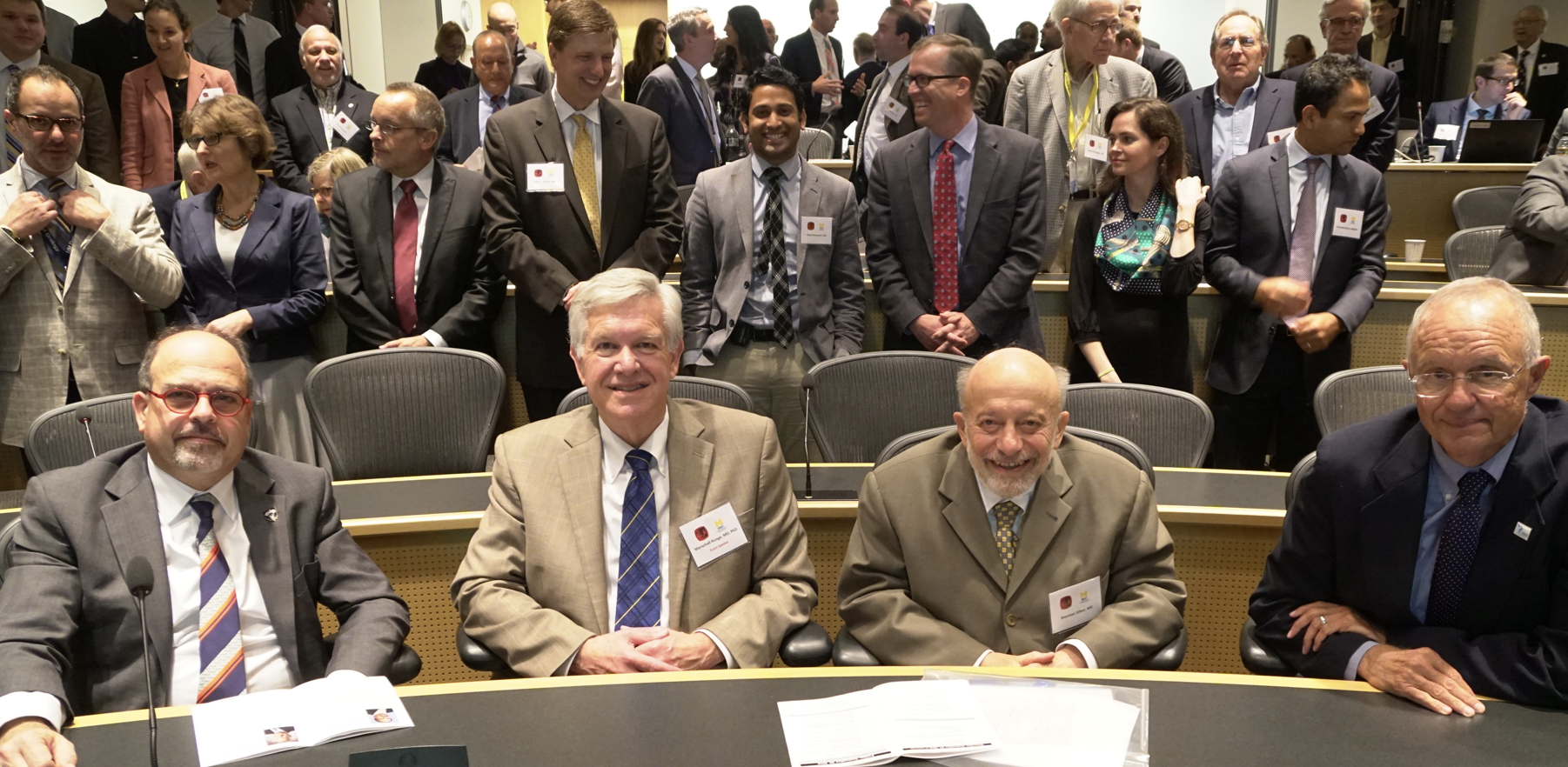


Matula Thoughts November 6, 2015

DAB Matula Thoughts November 6, 2015

Seasons, Movember, Nesbit reunion, the dimensions of academic medicine, politics, feline lives, & other disparate thoughts

3452 words


Nov leaves

[Self portrait with dog. Nov 8, 2013]

 1.    Shadows are longer in November, days are colder, and it gets dark noticeably sooner as 2015 winds down. Autumn foliage, so spectacular this season, is detaching from the trees and recycling on the ground. Most of us are getting ready to hunker down and bundle up for the business of winter ahead as we begin to contemplate 2016. We meter out our lives in seasons and cycles, so with November we enter a sort of fin de l’année, playing off on the French term for the end of a century. Fin de siècle most notably applies to the end of the 19th century, an era around the 1880s and 1890s that was only well understood decades later when historical perspective could account for its significance. The photo below shows Michigan medical students and the hospital in 1880 on a cloudy late autumn day much like today. Their big news would have been the election of James Garfield as president.

Old Hosp - fall  

[UM Bentley Library. Med students in front of hospital c. 1880]

This was the UM Medical School’s 31st season. The 1880 class, recently graduated, was already practicing medicine throughout the state and beyond. The medical school curriculum had transitioned from a 2-year set of lectures to a 3 and then 4-year program of graduated instruction with laboratory and patient care experience. Today when you walk from our “new” main hospital (it was new in 1986) to the Cancer Center you will pass the class of 1880 picture showing 60 students including 24 women, by my count. Only 4 of the men have moustaches or beards that became so fashionable a decade later (when you continue to view the pictures) and will be more common this month in November due to the world-wide Movember Movement.

UMMS 1880

A decade later in the 19th century fin de siècle on a similar autumn day these Ann Arbor newsboys are getting ready to hawk the morning papers. That year was midway between presidential elections of Grover Cleveland (first term) and Benjamin Harrison. Newsboys are gone, their jobs made obsolete by technology and nowadays people get their news via NPR, television, or smartphones. Urologists, however, have had Darwinian persistence in the human workforce and technology has actually expanded their reach and role.

Newsboys Pose c 1890

[AA newsboys 1890. I can’t give credit to the photographer who obtained this image without a lot more investigation, but after 135 years I figure this must be “fair use.”]

The medical school and hospital have changed much since then and now in our 167th season the signature educational product of our academic medical center has expanded from medical students alone to include residents and PhDs who collectively outnumber the students two to one. Our mission of education, clinical care, and health care discovery remains unchanged since that fin de siècle, but to fit that mission to today’s world we are re-organizing our medical school and hospital under the single aegis of an Executive President for Medical Affairs and Dean, Marschall Runge. The success of this structural change in terms of the optimization of our mission will depend upon three major variables: the operational details currently under construction, the people selected to execute those details, and the productivity (clinical, educational, and scholarly) of our health care enterprise as a whole.

Political rhetoric continues to heat up this month even though major voting is a year away. The U.S. elections are held on the Tuesday after the first Monday of November and the president is elected in even-numbered years at 4-year intervals, so November 8, 2016 will be a big decision point. The contest today looks stranger than ever with providential outsiders competing against highly seasoned and lightly seasoned professional politicians. The consequences of our elections will roll out to residency training programs, medical record systems, and payment methodologies of the not-so-distant future. More importantly, the consequences will be reflected in geopolitical stability and the international economy.


 2.     The initial urology experiences for most medical students come during third year rotations and fourth year electives when students take clerkships or subinternships at their home schools and visit other places that attract them. At Michigan we had over 350 actual applications for our 4 residency positions. The applicants are clearly the best of the best, although excellent medical school performance and test scores do not automatically equate to great residents, teammates, superb urologists, and Nesbit alumni. It is our job to transform our selected applicants through 5-6 years of residency and subsequent fellowships into extraordinary urologists, educators, and innovators.

The personal statements of our candidates are articulate, show amazing personal accomplishments, and often reflect on the attractions of urology, especially the ability to fix distinct problems with technical wizardry. Yet, I worry how this generation will do with the distractions of the mounting numbers of comorbidities of patients that complicate their “urology issues.” Will urologic detachment blind our next generation of urologists to the inevitable co-morbidities of their patients?  Conversely, will patient comorbidities distract young physicians from urologic-decision making or immobilize them to necessary action? How do we teach our successors to understand and even seek out comorbidities so as to attend to their solutions whilst doing the “urology”? Will the growing administrative burdens, including the mandates of the electronic record and duty hour restrictions, further exacerbate their detachment?

As I was reading transcripts, writing letters of recommendation, and thinking about this new season of applicants, I began to reconsider the characteristics we expect of ourselves as people, physicians, urologists, and educators. Seven key attributes seem to apply equally to residents as well as our best selves. To my list of the seven essential attributes for an excellent urology resident I added a bibliography:

A. Kindness. (P. Ferrucci: The Power of Kindness)

B. Authenticity. You are whom you seem to be. (HG Frankfurt. Two books: On Truth, On Bullshit)

C. Cosmopolitanism (KA Appiah: Cosmopolitanism)

D. Curiosity (EO Wilson: Consilience)

E. Literacy. (S Fish: How to write a sentence)

F. Teamwork & leadership. (DJ Brown: The Boys in the Boat) 

My little list may or may not prove useful for a “book club.” Although we don’t have time for this in the 80-hour weeks “allowed” for resident education, perhaps our best trainees will pursue this list or one like it, surreptitiously off the grid, for “extra credit.”


Nesbit 2015

3.    Nesbit meeting background. Reed Miller Nesbit was the first official head of urology at Michigan. His teacher, Hugh Cabot, had arrived here in late 1919 to lead the Surgery Department and in short order also became medical school dean. Cabot, a genitourinary surgeon of international stature at this time, was such a catch for the university that the regents gave him the president’s house to live in until he got settled. Nesbit and Charles Huggins were Michigan’s first 2 urology trainees, and Cabot seemed to have trained them well. Cabot’s innovative ideas and outspoken nature offended many and he was fired by the regents in 1930.

Nesbit was then named official head of urology within the Surgery Department and he soon became a pivotal figure in American surgery. Huggins focused on prostate cancer research, developed his career largely at the University of Chicago, and earned a Nobel Prize in 1966. Our Nesbit Society was created in 1972. Faculty, UM urology trainees and UMMS students who got their urology start here, but trained elsewhere, are members of the Nesbit Society.

Residency training is an intense period of work, study, and friendships that reverberate for a lifetime. It is a fact lost on lay people and many in the academe that residency training is the career-defining stage of medical education and the signature product of an academic medical center. It is where the professional knowledge base, values, and skills of the next generation of physicians are forged. Whereas UM has close to 700 medical students and 200 Ph.D.s in health sciences at any time, we have 1200 residents and fellows. [Picture above – day one of Nesbit Meeting 2015 in Sheldon Auditorium; below – day two at North Campus Research Complex]

Nesbit - NCRC

Nesbit 2015. Our Nesbit academic Thursday & Friday were among the best continuing medical education events I’ve experienced and far too much went on to be summarized here. Attendance topped 100 including Tom Koyanagi from Japan, Dave Bomalaski from Alaska, and Jens Sønksen from Copenhagen, along with many other Nesbit alums and MUSIC colleagues from around Michigan. Faculty, resident, and fellows gave superb presentations. Appropos of November, Daniela Wittmann’s talk included details of the worldwide and Ann Arbor impact of the Movember Movement, including significant scientific funding and collaborations for us in AA. Since 2003, Daniela noted, 5 million Movember participants worldwide have raised over $650 million for men’s health, targeted heavily to prostate cancer. Jerry Andriole, our visiting professor from Washington University in St. Louis, gave superb talks on prostate cancer and PSA.


Harden et al

Greg Harden, our featured speaker, was extraordinary. [Above from left: Gary Faerber, Mike Kozminski, Dave Burks, Greg Harden, DAB] Long-time psychologist to our Athletic Department Greg spoke about need to fine-tune our personal “critical self-assessments” and extended the idea of fitness holistically to the three domains of physical, mental, and spiritual fitness – noting  the factor of recovery time: the better fit we are, the quicker our recovery from exercise or exhaustion. During the business meeting Gary Faerber, Associate Chair for Education, announced plans for a new resident’s room. While the hospital is footing the half million dollar overall cost, Gary believed that the dinky regulation lockers and minimal amenities should be upgraded so he announced a campaign for Nesbit alums to fund lockers or computer workstations, etc. Many stepped up to the challenge and Jens Sønksen (picture below; Nesbit 1996 and close colleague of Dana Ohl) put us over the top with an amazing gift.

Jens

Julian Wan will be turning over the Nesbit presidency to Mike Kozminski next May at our Nesbit AUA Reception and John Wei will become Secretary-Treasurer. In the Big House Michigan led Michigan State until only the final few seconds when a terrible anti-climactic error cost us the game. No doubt the football team will be doing a thorough post-mortem analysis of that game to look for missed opportunities and analyze mistakes. Just like the rest of the university, the Athletic Department is ultimately an educational unit.

UM vs. MSU  

[Opening of UM vs. MSU game 2015. Lloyd Carr is honored]


M&M

4.     We too analyze our mistakes and untoward events. The Morbidity and Mortality Conference is a key ritual of academic medicine. Once a month we have a 7 AM Grand Rounds-type meeting where our residents stand up and present serious complications and deaths that occurred in our urology department. Faculty and residents discuss what might have been done differently and what factors contributed to each complication or death. Lay readers should not be surprised – every week deaths are likely to occur in UM hospitals at large and among our outpatient population; several million people a year pass through the doors of our health system, tens of thousands of operative procedures occur, and hundreds of thousands of people with serious illnesses are hospitalized. Our daily work is serious, not just the actual care of patients, but also the education of our successors with the expectation that they will be better tomorrow than we are today in this serious business of healthcare. Just as important as patient care and physician education, no less essential is the need to expand the knowledge base of urologic health and disease, in addition to improving therapies and delivery systems. These are the three dimensions of academic medicine. As specialists we hone in with great intensity on the urology issues presented to us, but must also probe efficiently for the context of the urology problem – the comorbidities of health and life.


 5.     The lives of patients are far more complex than the urologic problems that bring them to our clinics. With specialization comes our conceit of detachment. Living in an era of specialty knowledge and skills, we specialists concentrate on our specific fields and as urologists these are urologic matters. It is easiest to do this in isolation from all the other stuff around a patient’s life, but of course we also need to listen to them and recognize, for example, such things as sadness about recent loss of a parent, delaying traffic jams on the way to appointments, awful parking situations, or perhaps unusual heartburn experienced after a rushed breakfast to get to the appointment on time. These issues are not necessarily irrelevant to, for example, the small renal mass that brings a patient in to see us, although we still need to focus on that immediate issue – and the clock is running while other patients are checking in and you may shortly be called to the OR. On the other side of the coin we have all referred patients with unexplained problems to other services only to be told dismissively by a colleague: “it is not cardiac” or “it is not GI” or “it is not surgical.” We get exasperated when other doctors fail to “consider the whole patient.”


6.     Few urological problems, few medical problems of any sort, are isolated conditions. Everyone has lives and comorbidities that complicate the medical conditions under inspection in our clinic. These may be dire social situations, family matters, or other specific medical comorbidities.  A recent Perspective in The Lancet by Todd Meyers of the Department of Anthropology at Wayne State University offers a compelling view of this additional dimension of our health care paradigm.

 “Comorbidity is a clinical and conceptual problem. It is simultaneously a problem of how to describe multiple morbidities – clinically or epidemiologically – and a problem of how individuals themselves conceptualise and wrestle with their polypathia … Through the play of disorder and circumstance (and presentation and expectation), to treat is to capture, to arrest symptoms in a particular moment, but rarely is there enough time or resource to discover where these symptoms fit within the complex lattice that makes up the individual experience of comorbidity.” [Permission of Todd Meyers. The art of medicine. How is comorbidity lived? T. Meyers. The Lancet. 386:1128-1129, 2015]

You and I will never find the perfect balance between truly understanding a patient in terms of comorbidities of life and body and the immediacy of the person’s urologic condition. The art, however, is in our effort to try as we practice medicine patiently, one patient at a time.


 7.     Comorbidity, as a term and idea, is attributed to internist and epidemiologist Alvan Feinstein who spent his career at Yale School of Medicine. His reputation has been challenged due to some statements during a period of his career when he minimized the negative effects of smoking, even though he had been sponsored by the industry. [Feinstein, Alvan R. (1970). “The pre-therapeutic classification of co-morbidity in chronic disease”. Journal of Chronic Diseases 23 (7): 455–68] It is easy to pile on indignantly to this criticism now, in 2015, but the overwhelming evidence today of the destructive effects of tobacco smoke was not so apparent back then. Later in his career, particularly as editor of the Journal of Clinical Epidemiology, he became more critical of tobacco. Smoking looked cool in the mid-nineteenth century, and the makers of cigarettes naturally tweaked the composition of their product to enhance the addictive features. Ironically, smoking has turned out to be a major contributor to today’s medical comorbidities.

Feinstein, born in Philadelphia December 4, 1925, died just about 15 years ago (October 25, 2001). He obtained bachelor’s, master’s, and medical degrees at the University of Chicago, where he probably interacted with former UM trainee Professor Charles Huggins. In spite of that likely intersection, Feinstein chose internal medicine for a career and trained at the Rockefeller Institute, becoming board certified in 1955.  [Picture from Yale Bulletin & Calendar Nov. 2, 2001] After a few years at what would later become the NYU Langone Medical he moved to Yale in 1962 and became founding director of its Robert Wood Johnson Clinical Scholars Program in 1974.

Feinstein 


Freedom_from_Want

8.     November brings Thanksgiving to mind. The Norman Rockwell painting Freedom from Want (discussed on these pages last March) had its debut on March 6, 1943 as a Saturday Evening Post cover. This was number three in his Four Freedoms series of oil paintings inspired by Franklin Delano Roosevelt’s 1941 State of the Union Address. Rockwell started this particular painting the previous Thanksgiving in 1942, depicting actual friends and family at the table. We are too comfortable today to feel as viscerally about the four freedoms as Roosevelt, Rockwell, and most Americans did during the darkest days of WWII or as the world’s 60 million refugees must feel today, but we should beware that our comfort rests on only a thin veneer of civilization. As specialists we are also sometimes too comfortable in our professions. We enjoy not only the four freedoms of Roosevelt (freedom of speech, freedom of worship, freedom from want, and freedom from fear), but also freedom to choose one’s work, in our case the specialty of urology. Board certifications and hospital credentialing processes define our scopes of practice, while varying degrees of personal detachment allow us to focus specifically on urologic disorders and their treatment.


9.     On this particular day in history two now-obscure events left countless social and physical comorbidities reverberating still today. In 1965 Cuba and the United States agreed to an airlift for Cubans who wanted to come to the United States. When the Cuban revolution began in 1959 the U.S. government initially reacted favorably to it, but after hundreds of executions and Fidel Castro’s embrace of communism relations soured and by 1965 the Communist Party was governing Cuba. Amazingly, Castro is still around, having survived as Cuba’s leader parallel to 11 American presidents for 16 terms of office. By 1971, 250,000 Cubans had made use of this program. Only now, 50 years later, do we find signs of improvement in relations with that nation of 11 million people only 90 miles away from Key West, Florida. A second historic coincidence occurred exactly 40 years ago on the other side of the Atlantic. The Green March was a strategic mass demonstration in November 1975, coordinated by the Moroccan government, to force Spain and General Franco (ailing despite recent recovery from a serious bout of phlebitis) to hand over its colony, the disputed, autonomous Spanish Province of Sahara. Some 350,000 Moroccans advanced several miles into the Spanish Sahara territory, escorted by nearly 20,000 Moroccan troops and met very little initial response from either Spanish forces or the Sahrawi Polisario Front, an independence movement backed by Algeria, Libya, and Cuba which was fortified by Soviet arms. The Spanish Armed Forces were asked to hold their fire so as to avoid bloodshed and they removed mines from some previously armed fields. Nevertheless, the events quickly escalated into a fully waged war between Morocco, Mauritania, and the Polisario, once Spain left the territory. The Western Sahara War, as it came to be known, lasted for 16 years. The color green was incorporated to invoke Islam. A cease-fire agreement reached in 1991 remains monitored by the UN Mission for the referendum in Western Sahara (MINURSO). What these two events have in common is the disruption of people’s lives when colonialism, regionalism, and independence movements collide and become playing grounds for larger international proxy conflicts. Sound familiar?


 10.    November refers to the number nine in Latin, a quantity recalling the alleged lives of a cat. Reflecting back over the shoulder of human time, you can’t help but think that our species has been testing the limits of our existence with far more numerous close calls than a cat’s. The Cuban missile crisis was just one close call, among other instabilities around the planet from Africa, to the mid-East, and in far too many other places. The feline proverb  dates back at least to Ben Johnson’s play written in 1598, Every Man in his Humor. William Shakespeare performed in that play and then used a similar phrase a year later in his own play Much Ado About Nothing: “What, courage man! What though care killed a cat, thou hast mettle enough in thee to kill care.” The actual intent of the word care, was worry or sorrow, but somehow over the intervening centuries curiosity became the perpetrator of the cat’s demise. Possibly the belief in 9-lives is related to the ability of cats to land on their feet. In fact their spine is more flexible than that of humans; while like most mammals cats have 7 cervical vertebrae, they have 13 thoracic, 7 lumbar, and 3 sacral vertebrae. We humans have 3-5 caudal vertebrae fused into an internal coccyx, but cats have a variable number of caudal vertebrae in their tail.

English_tabby_cat

[English tabby cat. 1890. Popular Science Monthly Vol. 37] 

 It is also curious, if we may re-employ the term without penalty, that while cats may have 9 lives and often have amazing moustaches (that remind us of Movember throughout the year), dogs unequivocally remain mankind’s best friends.


Thanks for considering our Matula Thoughts once again.

Best wishes for Movember, 2015.

David A. Bloom