Matula Thoughts April 4, 2014

Matula Thoughts April 4, 2014

Michigan Urology Family

Matula Thoughts Logo1

Disparate thoughts on bugs, flags, and April 4

  1. It has been a full year since we began to post our Michigan Urology Department monthly global email called “What’s New” on this blog, labeled “Matula Thoughts,” as explained in our first posting. The blog format allows the postings to be kept chronologically (so I can try to prevent repetition) and it doesn’t clutter up email. While much more relevant detail about our department, faculty, and personnel is found in our weekly internal “What’s New,” Matula Thoughts, on the first Friday of each month, ranges further afield with around a dozen items related to our department, history in general, or issues of the day. Mainly, I write this because I like to collect and connect ideas, events, and thoughts even if many seem unrelated directly to our specialty. If you read this, I thank you for your interest and invite your comments.

  2. We take for granted today’s world of scientific specialty-based medicine, but it’s worthwhile to occasionally reflect on the past. Genitourinary surgeons, as urologists previously described themselves, found a big part of their daily work related to communicable diseases, particularly venereal diseases. Today, other specialties have picked up a large part of this burden and urologists have moved off of the front lines of communicable disease for the most part.  While C. difficile has refocused our attention recently, hand washing routines, antisepsis, asepsis, antibiotics, and immunization underpin our work every day.

  3.  This arduous winter may have occasionally flagged our spirits, but spring is in the air with many of its harbingers.  Flu season should be winding down. In the US the season usually begins in October, peaks in January-February,  and ends around May. Infectious diseases still account for significant human misery and mortality, but vaccination and antibiotics have hugely reduced the toll. Vaccination has been pretty well shown to be effective in mitigating disease for the past 2 centuries although influenza challenges us with novel presentations of the viruses each season. Still, it amazes me that our employee vaccination rate at the UM health system is only  86%. Conspiracy theories, myths, and individual fears (and a few rare true allergies) seem to account for the gap from 100%. More amazing to me is the infrequent deployment of handkerchiefs for sneezing and coughing.  If I ever get arrested for assault it will likely be on an airplane when the person next to me sneezes in the open one too many times.  Handwashing is a good thing after a sneeze, cough, or even for random reasons.  Amazingly, in our new Mott it is hard to find free sinks for this use.  Influenza is transmitted by viruses, and the alcohol-based hand lotions are useless against them (also useless for Clostridial spores, as well as most garden variety bacteria).  Anyway, my advice in this concluding flu season, for next season, and in between – buy some handkerchiefs, carry some kleenex, and wash your hands compulsively. The simplest solutions are usually quite effective.

  4. ICS_Lima.svgFor centuries we have known that many diseases are contagious. Flags were routinely flown from ships to warn a town that disease was on board. The idea of quarantine comes from 17th century Venetian term quaranta, indicating the 40-day waiting period on ship to be certain that no active communicable disease was present before disembarking.  Yellow flags have a long history of marking locations of disease, although green, black, or even a skull’s head have been used. The Lima (L) flag, or yellow jack is still in use, although yellow jack was also a name for yellow fever. A plain yellow flag (Quebec or Q) may have also been so used in the past, but as meanings change with the times, today a plain yellow Q flag means a ship is free of disease and can be routinely boarded and freely disembarked. We are somewhat insulated from the stark terror that infectious diseases inflicted on populations, not so long ago. A gathering storm of Ebola virus or renewed treachery from influenza may resurrect the ancient panics of lethal infectious diseases.  Our colleague Howard Markel in the department of Pediatrics, wrote an excellent book called Quarantine! in 1997, that is well worth a place on your shelf.

  5. Immunization has had a profound effect on history. Edward Jenner is assigned priority in the story of vaccination, although others even centuries earlier  understood its potential intuitively and utilized inoculation principles empirically. But Jenner was methodical, communicated his ideas well, and gets the credit for smallpox vaccination in 1796.  Smallpox was a terrible disease, apparently wiping out much of the indigenous American population after European explorers brought the virus over across the Atlantic. Well after Jenner,  the disease persisted and it has been estimated that in the 20th century alone smallpox killed 500 million people. The last natural case of smallpox was diagnosed in 1979, and it is believed now to be totally eradicated.

  6. 800px-US_20_Star_GreatStar_Flag.svg  800px-US_flag_20_stars.svgSpeaking of flags, Congress on this date, 4 April 1818, adopted a national flag standard with 13 alternating red and white stripes (for each of the original colonies) and a star for each of the 20 states at the time. This was the suggestion of U.S. Naval Captain Reid with a new star to be added for each new state. Up to then then no official standard existed and the number of stripes had grown to 15 with no particular arrangement of the stars specified.  A number of variants  were then in use including the circular arrangement of stars of the so-called Betsy Ross flag. The blue square, by the way, is called “the canton” in flag-speak and even Reid’s model allowed variable arrangements in the canton.

  7. At that point in time the University of Michigan was only one year old and its next 21 years of operation in Detroit would be significantly interrupted by cholera epidemics until the move to Ann Arbor. No medical school existed at the university in those years (although one had been envisioned from the start) and urology as a field was represented mainly by uroscopy and lithotomy in the hands of self-styled experts.

  8. Some questions of priority, such as the chicken and egg, will likely be matters of debate for time eternal, whereas others are deciphered through historical study or modern scientific method. As an alumnus of Walter Reed Army Medical Center, the yellow fever story has been a matter of interest to me, not just for its influence on public health, but also for its priority in establishing insects as disease vectors. So as I was recently investigating a series of early American medical student theses concerning genitourinary conditions I was surprised to find that priority challenged. Yellow fever was the first illness shown to be transmissible via filtered human serum and transmitted by mosquitoes, and it was Reed who led this effort to contain it around 1900. The disease is caused by the yellow fever RNA virus of the family Flaviviridae.

  9. The story I knew went back to Carlos Finlay, a Cuban physician (graduate of Jefferson Medical College 1853), who “first” proposed in 1881 that yellow fever might be transmitted by mosquitoes rather than direct human contact.  Yellow fever was a big problem in early American history. A Philadelphia epidemic in 1793, then capital of the United States, killed nearly ten percent of the population causing the national government including President Washington to flee the city. Subsequent epidemics devastated Baltimore, New York, Charleston, Shreveport, and Memphis to name some hard-hit locations. Since the losses from yellow fever in the Spanish-American War in the 1890s were extremely high, Army doctors began research experiments with a team led by Walter Reed. Their work proved Finlay’s ″Mosquito Hypothesis″. Yellow fever was thus the first virus proven transmitted by mosquitoes. Reed fully credited Finlay with the idea for the yellow fever vector. William Gorgas MD applied these principles, eradicated yellow fever from Havana, and then combated yellow fever during the Panama Canal construction, after the previous French effort failed largely due to yellow fever and malaria.

  10. So it was a big surprise to me to come across a now obscure paper from 1848 by Josiah Clark Nott entitled: Yellow Fever contrasted with Bilious Fever – Reasons for believing it a disease sui generis – Its mode of Propagation – Remote Cause – Probable insect or animalcular origin, etc. [New Orleans Med Surg J 4:563-601, 1848] Not quick himself to claim priority, Nott wrote “There is no novelty in the doctrine of Insect or Animalcular origin of diseases. Many of the older writers, amongst who are conspicuous Linnaeus, Kircher, and Nyander, have promulgated such an opinion, and …”  Nott, a paragraph later said this: “As far as doctrines are concerned in the history of Medicine is little more than a recital of successive delusions, and we have too much reason to know, that it takes almost as much time to uproot a false medical doctrine as a false religion, when it has once seized upon the public mind.” He then discusses the false doctrine of miasma, or bad air, as the putative cause of malaria since the days of Hippocrates. A few years after writing this paper, Nott lost 4 of his own children to yellow fever within a six day period. As I was tracing the curious career of Nott, I was amazed to find the coincidence of the fact that as a general practitioner in 1854 he delivered an infant boy who would be named William Gorgas.

  11. Today, April 4,  also marks the date in 1968 when Martin Luther King, Jr. was shot and killed in Memphis. Of relevance to this is a recent book review that is among the best reviews I’ve ever read and it is called “The scholar who shaped history” by Drew Gilpin Faust [The New York Review of Books, March 20, 2014]. The book featured is the third in a series produced by Professor David Brion Davis of Yale University, a man quite fortunate  in that luck and excellent public health gave him the opportunity at age 88 to complete his great trilogy. This third book in the set is called The Problem of Slavery in the Age of Emancipation, and while you probably won’t read the entire 422 pages of it, let alone Davis’ previous two books, you should read the 2 pages or so of Professor Faust, herself an astonishing intellect.

  12. For those friends of Michigan Urology who will be in Florida for the American Urological Association annual meeting in May, please stop by our Michigan Nesbit Society Reception where you will see our flag, in one or more of its iterations, on display that Sunday evening on the 18th at the Hilton Orlando Sun Garden. RSVPs are helpful so please let Sandy Heskett know at sheskett@umich.edu.


    LogoB
    Best wishes, and thanks for spending time on “Matula Thoughts, David Bloom

Matula Thoughts February 7, 2014

Matula Thoughts Logo1
Matula Thoughts February 7, 2014

Michigan Urology Family 

Curiosity, novelty, and the elements of change: Norse mythology, ICD-10, PACs, and other thoughts.

  1. granddaugter and Molly Today, February 7th is the 38th day of 2014 and given our recent experience with the arctic temperature blasts and deeper snow than we’ve seen in Ann Arbor in many years, who cannot yearn for those lovely Michigan summers? (Picture from “Up North” in summer with 4-legged Molly seeking a dietary novelty, held barely out of range by Charlotte) By the way, in case you are curious, 2014 is NOT a leap year, so we have only 21 more days of February and 327 days in this calendar year to extend our curiosity and good work in the Department of Urology at the University of Michigan. So you might ask, is the glass partly empty or mostly full? While a matter of one’s perspective, the latter viewpoint is the more productive option, as it conditions us to seek comfort and novelty in that glass of opportunity. All of us crave novelty just as do Charlotte and Molly. Novelty rewards curiosity, a driving force for most living things. We enjoy novelty in the arts and our department celebrates this yearly during the Ann Arbor Art Fairs in July with the Chang Lecture on Art and Medicine. This will be our 8th year for it and our speaker will be James Ravin, an ophthalmologist at the University of Toledo. He was educated and trained here at Michigan and is co-author of a wonderful book The Artist’s Eyes. As you look forward to the summer, consider coming to the Art Fairs and stepping out of the heat late on Thursday afternoon (July 17, 5:00 PM, University of Michigan Hospital, Ford Auditorium) to hear Dr. Ravin.
  2. Curiosity drives discovery, a fundamental expectation of society for enterprises such as our university, our medical school, and our Department of Urology. We have been pretty good at discovery for a century of urologic practice, education, and research in Ann Arbor. Intellectual curiosity gets expensive, but it must be supported. A hundred years ago our curiosity was funded by the faculty themselves and the hospital. That is, some dollars from the practice of health care were turned to the academic mission of educating the next generation and discovery of new knowledge. After WWII, the federal government recognized the essential national priorities of education and research, thus federal funding came to dominate health care research. Massive structures were necessary to play in that important game of discovery. (Just look in our back yard at Med Sci I & II, the VA research buildings, Med Sci Research Buildings I-III, The Life Sciences Institute, BRSB, North Campus).
  3. Deliberate contraction of that national agenda and foolish sequestering have downshifted that funding, transferring more cost of maintenance of the physical and intellectual infrastructure to medical schools. This makes the picture bleak for today’s budgets, and bleaker for tomorrow’s discovery. The frost is lifting a little, perhaps as you look at Congress’s funding projections, but we are sadly below where we should be in terms of nations R & D. The paradox is that on one hand as we assign blame for the downshifting of research funding to the “limited resources” of our national wealth, we seem oblivious to the fact the wealth of nations and the health of nations derive from discovery. Thor’s hammer of sensibility will not be coming down on Washington anytime soon, so we need to live with this new normal and create a new paradigm of medical education and research, or rapidly shutter expensive buildings and repurpose talented researchers.
  4.  Politics and politicians that set the national agenda and policies are important to our self-interest. Courts have recently decided that influence from political action committees (PACs) should not only be protected, but even expanded. Therefore you and I cannot remain mere witnesses to the political game. We need to be open-minded to different ideas, but find and support niches that resonate with our interests. The AUA and ACS PACs represent our profession reasonably well and need our support. They are part of political life today and we can’t treat them as unseemly. Even more essential than those professional organizational PACs is M-PAC that represents our health system. The meager dollars it raises for regional political candidates gives the UM a seat at the table where political sausage is made. Yet from that seat, our voice is disproportionally stronger than our dollars. This is because of our intrinsic legitimacy (after all, the University of Michigan is not simply a self-interested business; as a university it is one of the few institutions that are specifically here for the tomorrow of our species). The purpose of education and research is to create a better tomorrow. The obvious legitimacy of our enterprise magnifies the effect of our lobbying. My friend Rick Bossard, a critical link between the University of Michigan Health System and the world of politics and policy, once quoted a prominent state of Michigan official as saying: “Show me all the data you want, but the only thing a politician understands is a story.” So please make 2014 a year to tell those stories. A few dollars from each faculty member will make a difference. (This plug and my plug for your support of the Micah and Noah Canvasser Mott Library are all I’ll ask of you this year in terms of external philanthropy).
  5. Last month I complained, quixotically, that technology and health care policy have gone beyond enabling to distorting the practice of medicine. I have no illusion that technology and standardization are essential in health care, but their applications are best carefully integrated into the next iteration of our model of health care, rather than legislated by Congress, regulated by disconnected agencies and states, or put in play by competing industries in the free market. It is an unsightly hodgepodge that is forcing the commoditization of medical practice, with a misguided belief that technology will solve the problems. Health care is becoming more expensive and less patient-centric in spite of the Orwellian rhetoric that puts this phrase in play. When this gargantuan apparatus eventually collapses, correction will be all the more difficult.
  6. Orwellian language brings to mind ICD-10, another story of our time. Few can doubt that to manage the complexities of modern diagnoses and new therapies, some consistency in language is necessary at national and an international level. That consistency has been achieved and regulated, but now to a fault. A Darwinian niche was filled in 1893 when Jacques Bertillon, a French physician, presented the Bertillon Classification of Causes of Death at a meeting of statisticians in Chicago. Five years later the American Public Health Association recommended adopting this system throughout North America, with periodic revisions to reflect new discoveries. The idea was embraced and in 1900 it became the International Classification of Causes of Death published as a small book. In 1948 the World Health Organization (WHO) took over the responsibility for this publication, expanding it to two volumes and including morbidity conditions, injuries, their causes, and mental conditions. That sixth revision (ICD-6) in 1949 was retitled – International Statistical Classification of Diseases, Injuries and Causes of Death (ICD). A ninth revision began at an international conference in 1975 and the International Classification of Diseases, Clinical Modification (ICD-9-CM with additional morbidity data) is used by the U.S. National Center for Health Statistics (NCHS) in assigning diagnostic and procedure codes for inpatient, outpatient, and physician office utilization throughout the United States. It was updated annually.
  7. ICD-10 Work on ICD -10 began in 1983 and is only now in the midst of implementation. This “new” system became ridiculously complex in its 3 decades of creation. It is a main reason we must abandon our beloved homegrown electronic medical record called CareWeb in favor of a clunky nationally-mandated product.  (See the article in New York Times Business Day by Pollack December 30, 2013: “Who knows the code for injury by Orca?”  Also, Utter et al in JACS 217:516, 2013: Challenges & opportunities with ICD-10-CM/PCS). The US ICD-10 CM has 68,000 codes. That is a lot of separate diagnoses to keep straight. Amazingly, a newer system ICD -11 is expected 2015 from the WHO. With up to 16,000 diagnostic codes ICD-10 is already in play world-wide from China to the United Arab Emirates. Hearing a rumor that the code had “7 different categories for bird bites” I went to ICD10Data.com and found even more detail than I’d expected.  Does this matter? I think so, for when a practitioner or office has to spend more time documenting a service (writing the note and looking up the codes for evaluation and management billing, etc.) than actually delivering the service, something is wrong. The infrastructure of personnel to manage this work in doctors offices, insurance offices, and government offices also siphon off huge dollars from actual delivery of care. Then too, if the documentation is inaccurate the bill at best is delayed or not paid, at worst the health care provider may be accused of fraud and incur penalties.
    Contact with birds
    The list goes on by the way to include chickens, turkeys, geese, ducks, and other birds. Holy cow – have ruminants also been considered?
  8. Current Procedural Terminology (CPT) codes describe medical, surgical, and diagnostic services and are maintained (and copyright-protected) by the AMA CPT Editorial Panel. CPT coding is similar to that of the ICD system except that the CPT identifies services rather than diagnoses. The Centers for Medicare and Medicaid Services (CMS) established the Healthcare Common Procedure Coding System (HCPCS) in 1978 as a voluntary system, but The Health Insurance Portability and Accountability Act of 199 made CPT coding mandatory. [Title I of HIPAA protects health insurance coverage for workers and their families when they change or lose their jobs. Title II – the Administrative Simplification (AS) provisions – requires the national standards for electronic health care transactions and national identifiers for providers, health insurance plans, and employers.] The U.S. ICD -10 PCS has 76,000 codes for procedures. Human disease and its therapeutic options are complex, but does a diagnostic billing system for doctors offices and hospitals need that degree of detail? Who would have thought the elements of medical practice would be so complex?
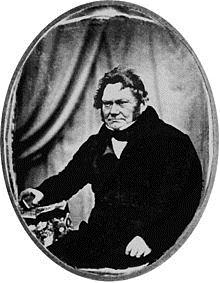
  9. Berzelius Jumping from the complex elements of modern American healthcare structures to the relative simplicity of the truly elemental elements we come to Jöns Jacob Berzelius, (1779 -1848), a curious Swedish physician. His interests in chemistry dominated his career to the extent that he became one of the founders of modern chemistry along with Boyle, Dalton, and Lavoisier. Berzelius developed the concept of electrochemical dualism, created our system of chemical formula notation (e.g. H2O), and he originated terms including catalysis, polymer, protein, and isomer. You can thank him for the distinction between chemistry and organic chemistry.  He identified or isolated a number of elements including silicon, selenium, cerium, and thorium. Students in his lab discovered lithium and vanadium.
  10.  Thor Thorium, a naturally occurring radioactive element (Th -90) was discovered in 1828 by Norwegian priest and mineralogist Hans Morten Thrane Esmark, but isolated and identified that year by Berzelius.  Thorium is quite relevant to us. It has the atomic number 90 and is naturally radioactive (thorium-232). It is 3-4 times more abundant on earth than uranium in the Earth’s crust and is mainly refined from monazite sands. It has been considered as a nuclear fuel and India is leading in the pursuit of that application. It is used in high-end optics and scientific instruments. Thorium produces the radioactive gas radon-220 and its other secondary decay products include radium and actinium. The radiogenic heat of the earth largely comes from radioactive decay of thorium and uranium. Thorium was named for the Norse mythologic god, Thor – associated with thunder, lightning, protection of mankind, fertility, and healing. Clearly Thor’s persona encompasses some urologic undertone. The day of the week Thursday also derives from Thor. By the way, twenty years ago yesterday (February 6, 1994) the cartoonist Jack Kirby passed away at age 76 in Thousand Oaks, California. He was the imaginative “penciller” who drew Thor for Marvel Comics.
    Thorium
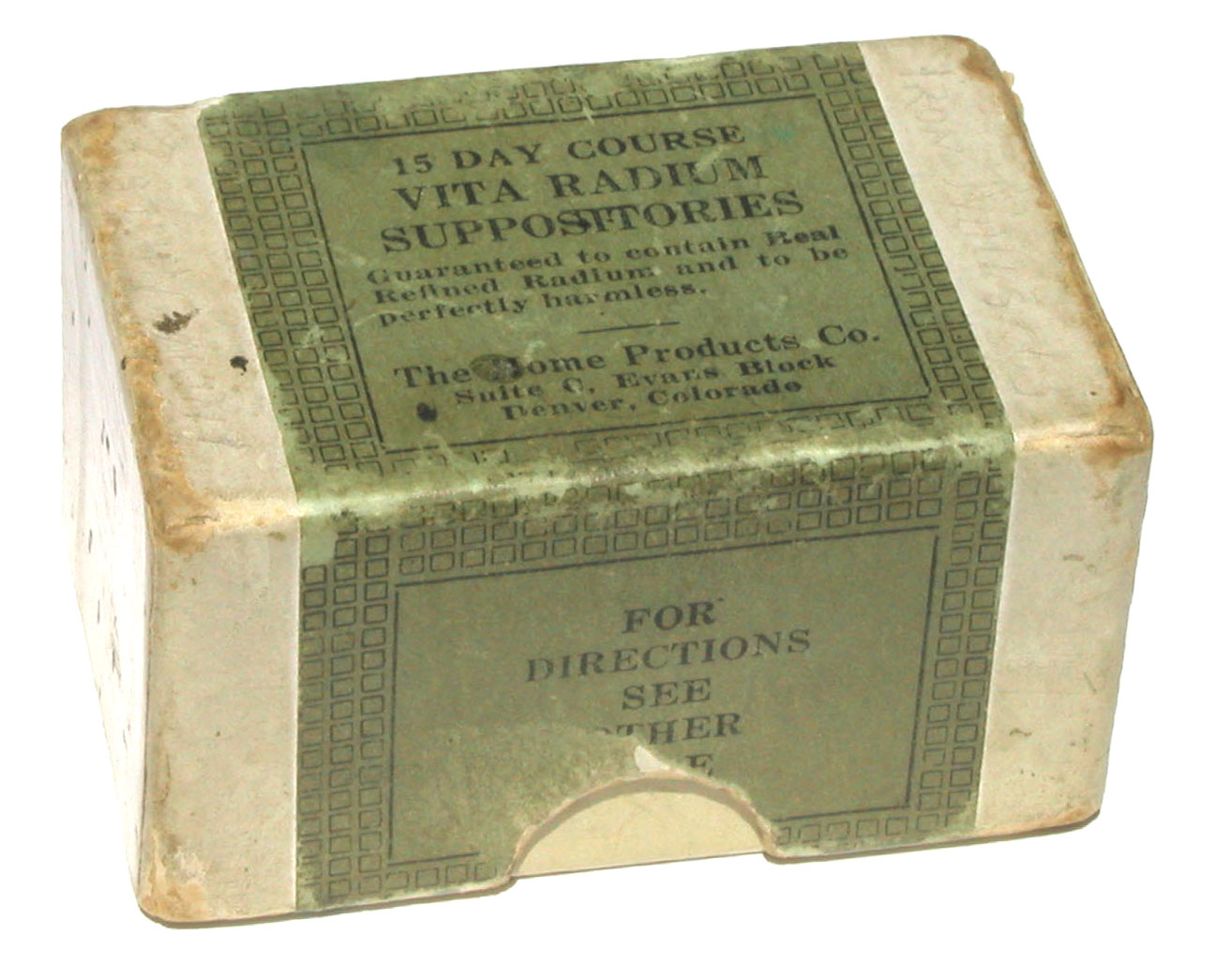
  11.  DoramadThe Auergesellschaft Company of Berlin in the 1920s had the novel idea of using thorium to make radioactive toothpaste advertised to “strengthen defenses” of teeth and gums (Doramad Radioaktive Zahncreme). A related healthcare novelty, Radithor, was a patent medicine manufactured from 1918 to 1928 by Bailey Radium Laboratories, Inc., of East Orange, New Jersey. The owner of the company and head of the laboratories William J. A. Bailey, a Harvard College dropout, advertised it as “”Perpetual sunshine and a cure for the living dead.” It didn’t contain thorium, but consisted of triple distilled water with 1 microcurie of radium 226 and 228 isotopes. The Vita Radium Suppositories, also including radium and sold around 1930 by Home Health Products of Denver were advertised for “weak discouraged men.” Radium Springs, Georgia is one of the state’s “Seven Natural Wonders.” After it was found to have trace elements of radium, it became a popular therapeutic spa.  Radium Springs, New Mexico also sits at the location of an old hot springs, although it never enjoyed national popularity as a resort. And then we must consider Radium Schokolade.Not all change and new technology has genuinely advanced the human condition.
    suppositories Radium
  12. If the winter doldrums are starting to get to you and you are starting to feel weak and discouraged, however, be cautious before reaching for that Doramad toothpaste to put a sparkle in your smile or those reinvigorating Vita Radium Suppositories to give you a literal kick in the butt. Novelty is important for us in that it challenges and entertains, but on the grand scale of social policy novelty should be embraced most cautiously. While ICD-10, HIPAA, the HITECH Act derived from compulsions to innovate, and while they may not be radioactive, I don’t think they have added to the greater good or happiness of mankind (except for a few very successful vendors). Enough said by me for now about ICD-10 and CPT coding, a “Thor subject” indeed.

Best wishes, and thanks for spending time on “Matula Thoughts.”

David Bloom

What’s New December 6, 2013

Matula Thoughts Logo1

The University of Michigan Department of Urology

3875 Taubman Center, 1500 E. Medical Center Drive, SPC 5330, Ann Arbor, Michigan 48109-5330

Academic Office:  (734) 232-4943   FAX: (734) 936-8037   www.urology.med.umich.edu   https://matulathoughts.org/


 What’s New December 6, 2013  

Looking at things: Autumn is over and 2014 is at hand. The continuing national drama and 2 stories: the Halifax tragedy and the florist’s tale. 

A monthly communication to the faculty, residents, staff, and friends of the University of Michigan Urology Family.

 12 Items, 4 Web Links, 9 Minutes

Fall

  1. Another season of interviews has passed as applicants from all across the country visited Ann Arbor to check us out for the residency class that will graduate in 2019. We held 4 full days of interviews with 2 dinners to meet the applicants and for them to see us. It may seem a long way away until 2019 when this cohort will step out into the world as trained urologists, but the time will pass in the blink of an eye. This is an incredible group of candidates with amazing life experiences, board scores, and talents. Our job will be to turn four of them into the best of the best of the next generation of urologists, and we are well qualified for that task, based on our history and our assets. For all the intensity of work they will encounter, I hope they will appreciate each passing season in our town. Seasons bring both an anticipation and reality of change that seems sharper here in Ann Arbor, than I noticed myself as a resident at UCLA in Los Angeles, not that I didn’t enjoy LA greatly. In some years the anticipation exceeds the actual physical reality, but this year the autumn actuality was crisp, colorful, and generally more lovely than expected. I hate to see autumn pass, but December is at hand and given general and personal good fortune for you and me, another lovely autumn will present itself in nine months. [Picture: Huron River looking east from Foster Bridge, mid-November]
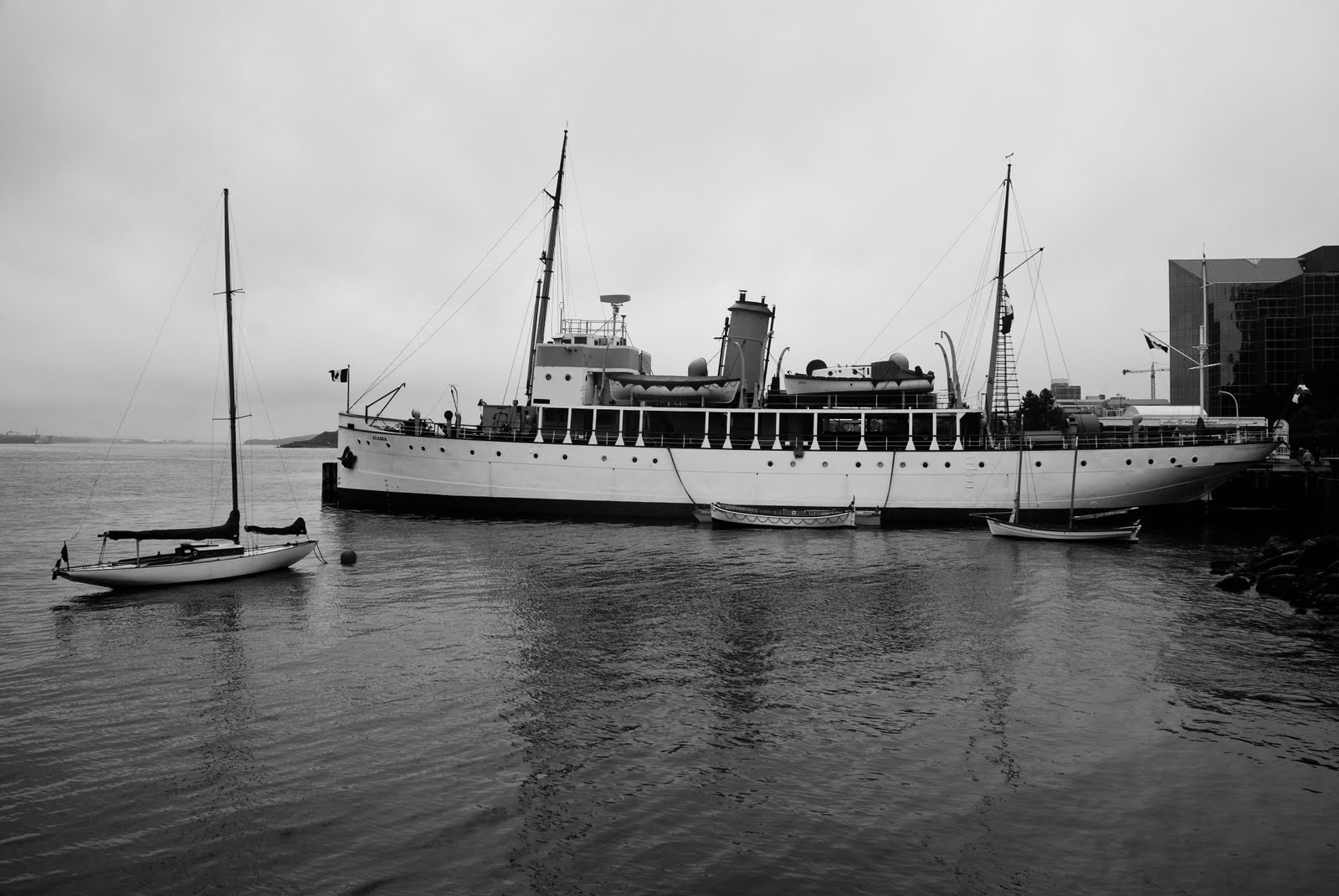
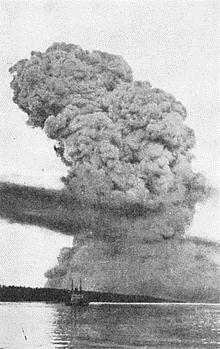
  2. Interesting things happened on this day of the calendar. In 1768 the first edition of the Encyclopaedia Britannica was published. The U.S. Congress on this day in 1790 moved from NYC to Philadelphia before the southward migration ended in Washington, DC. In 1865 the Thirteenth Amendment to the U.S. Constitution banning slavery was ratified. (If you haven’t seen the new film, “Twelve Years a Slave”, that was based on a true story – you should.) The Halifax Explosion in Canada in 1917 was the largest man-made explosion prior to the development of nuclear weapons and until September 11, 2001 in NYC it was the largest disaster in North America with over 2,000 deaths and 9,000 injuries.
  3. What’s next in our national political and legislative drama?  I wish we could look to someone for a reasonable set of answers. Clearly, health care is a human right and reasonable access to health care of good quality is in the national interest. The national interest was served in 1965 by the Medicare/Medicaid laws (largely over the vehement objection of our professional groups). Health care has changed almost beyond recognition in the 50 years since Medicare/Medicaid in terms of science, technology, systems, and expense. So some new iteration of systemic legislation is a reasonable expectation.  As a sixth of the national economy, health care can’t be left solely to the “market” (which is far from free in any sense), nor can it be tinkered with federally without great care and deliberation.  The national web-based system of health care exchanges built by contractors on the cheap with unreasonable deadlines and other constraints was bad tinkering. The present set of systems, organizations, rules, and regulations related to health care must be made to work, or we will face a serious melt-down of health care and the national economy.
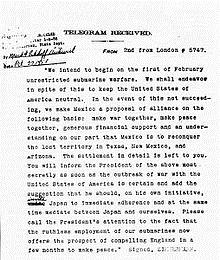
  4. Having mentioned the Halifax Explosion anniversary a little earlier, we can’t let it pass without more comment. However, it needs to be viewed in terms of what was going on in the world on December 6, 1917. The First World War had been raging in Europe since 1914 although here at home Woodrow Wilson had started his second term of office re-elected in large part for his record of non-intervention. Germany announced resumption of unrestricted full-scale submarine warfare in February of 1917, challenging American restraint. The decoding of a secret telegram revealed that Germany had invited Mexico to become an ally against the U.S. in exchange for the recovery of Texas, New Mexico, and Arizona. Doubt as to the veracity of the telegram evaporated in March when Arthur Zimmermann, Foreign Secretary of the German Empire, admitted he was the author. With the exposure of the telegram and the sinking of 7 of its merchant ships, the U.S. was provoked out of non-intervention and entered the war on April 6, 1917. Canada, of course, had been in the war from the start as part of Great Britain.
    Western UnionTelegram
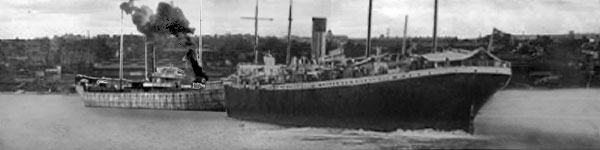
  5. That morning of December 6, 1917 the SS Mont-Blanc was trying to enter the harbor of Halifax, Nova Scotia to join a slow-moving convoy to Europe, gathering in the basin of the harbor. The explosives on board the SS Mont-Blanc included TNT, picric acid, benzole, and guncotton. The ship had arrived from New York too late on December 5 for the evening deadline when the anti-submarine nets went up at The Straights leading to the harbor basin and thus had to wait to enter at first light the next morning. Harbor Pilot Francis Mackey had come on board and spent the night as guest of Captain Le Médec. So on the morning of December 6, moving at the slow speed of less than 1.5 miles per hour (.87 knots/hr) the SS Mont-Blanc headed northwest into The Straights on the Dartmouth side of the channel.
    map
  6. A Norwegian vessel, the SS Imo, chartered by the Commission for Relief in Belgium, had been in the Port of Halifax since December 3 enroute to NYC to pick up a cargo of relief supplies to bring back to Europe. The Imo was without cargo and high in the water, leaving her difficult to steer. She had refueled with coal in the Bedford Basin of Halifax Harbor and had intended to leave port on December 5, but its 50 tons of coal had arrived late in the afternoon and by the time the loading was completed the anti-submarine nets had been raised outside The Straights so the Imo had to remain in port that night. Captain Haakon From, an experienced Norwegian seaman and whaler, was anxious to get moving the next morning and headed out The Narrows along the Halifax side of the channel starting its journey to NYC. Proceeding at a speed in excess of the seven knot limit he encountered an American tramp steamer coming towards him (on the wrong side of the channel). For practical reasons the two captains, who knew each other, agreed to pass each other on their right sides, port-to-port (rather than the starboard-to-starboard convention of Article 18 of the 1910 “International Rules of the Road, Regulations for Preventing Collisions at Sea”). The Imo then found itself in the path of an oncoming tug and 2 scows that forced it even more off course toward the north side of The Narrows. This then brought the Imo directly into the path of the on-coming Mont-Blanc. The two captains saw the predicament and the Mont Blanc went to port and at the same instant the Imo reversed her engines. However, because the Imo was so high in the water, with its single 20 foot right-hand propeller and rudder partway out of the water, the ship had reverse thrust, tending to swing to the left (port) on forward motion and the right (starboard) if in reverse. The engines were cut, but the momentum of the two ships could not be reversed.
    Ships
  7. At 8:45 AM the ships collided at slow speed in The Narrows. The prow of the Imo went into the starboard hull of the Mont-Blanc causing a 9-foot gash into the No. 1 hold. As the Imo reversed its engines to disengage sparks ignited a fire with benzole spilled from some barrels crushed by the collision. The fire quickly spread out of control and the Mont-Blanc crew knew an explosion would be imminent. They fled the burning ship in lifeboats and the slack tide carried the empty ship to Pier 6, on the Halifax side of The Straight, where it beached at the foot of Richmond Street which was near the western end of The Straight. The fire continued, attracting hundreds of spectators, and at 9:04 AM the explosive cargo ignited. Mont-Blanc was completely blown to pieces, and the remains of her hull were launched 1,000 feet into the air. The pressure wave from the explosion flattened much of the city, bent iron rails, and snapped trees. Pieces of the ship landed all over Halifax and Dartmouth, the town on the other side of The Straight.  Some pieces of the ship traveled over four kilometres. One Mont-Blanc cannon landed 3.5 miles north of the blast site and the anchor shank landed 2 miles south. Today you can find these mounted where they landed as monuments to the disaster. A tsunami from the blast wiped out the community of Mi’Kmaq First Nations community in the Tuft’s Cove area. Hundreds of people who had been watching the unfolding drama of the ships were blinded by exploding windows. The disaster elicited a wave of volunteers from the United States, including Ernest Codman, in many ways the inspiration for modern day “outcomes research.” He had established a hospital constructed around his “end-result idea” but on hearing of the Halifax Disaster he closed his hospital doors and headed north to help. The Codman Hospital never reopened.
    Ships2Explosion
  8. The Wreck Commissioner’s Inquiry placed blame with the Mont-Blanc captain, harbor pilot, and the port’s executive officer – Royal Canadian Navy, Acting Commander F. Evan Wyatt. The men were immediately arrested and charged with manslaughter and criminal negligence. A Nova Scotia Supreme Court justice, however, found there was no evidence to support the charges and Mackey was discharged on a writ of habeas corpus and the charges dropped (15 March 1918). As the captain and pilot had been arrested on the same warrant, the charges against Le Médec were also dismissed, leaving only Wyatt to face a grand jury hearing. On 17 April 1918, a jury acquitted him in a trial that lasted less than a day. Le Médec returned to France and continued his career with the French Lines. His North American counterparts, however, found their careers ruined. Wyatt and his family moved to Boston where he worked in the merchant marine for a few more years. Mackey spent his life savings fighting for reinstatement of his pilot’s license, which he finally regained in 1922, but the stigma of the disaster tarred him and his family even after he died in 1961. Much was learned from the disaster, in terms of navigation safety, training, and medical response.
  9. Although catastrophe provokes change more urgently than tranquility it is not necessary to wait for the gigantic disasters of life to learn and improve processes. The many clinics and operating rooms of Michigan Urology are more complex than maritime passage in The Straights of Nova Scotia, and while the consequences of imperfection do not level a city like the Halifax Disaster, they can have substantial individual impact. Few human enterprises are perfect, but perfection must be our target. We try to learn and improve daily with tools such as PDCA (plan-do-check-act) cycles and Gemba walks.  Casual communication in the community also reveals opportunities to learn where we fall short and how to work better. This happened just a few weeks ago at home as we were getting ready for a Sunday brunch with residents and new faculty families. We do these in batches because our faculty, residents, and fellows in aggregate exceed our home footprint. Tom Thompson, friend and florist extraordinaire, was bringing over the flowers for the event and he was in exceptionally good spirits due to his new orthotics. I could relate to that, since like many people who work on their feet I know what plantar fasciitis (a similar problem) is like.  Additionally as a purveyor of health care for our Urology Department services and as of vice chair of our Faculty Group Practice I am very interested in other people’s experiences with our system at UM and with the systems of our colleagues regionally and around the country.
    Tom Martha
  10. Tom gave me permission to tell his story. He is a tad older than I am and he has had painful, non-diabetic peripheral neuropathy – exacerbated by his job on his feet all day. This has been going on for several years and it sounds similar to plantar fasciitis that affects many surgeon and OR nurses. Tom has seen some of our UM folks and had testing that made the diagnosis, but found no therapeutic relief from our clinics. One day, in his store, a local orthopedic surgeon, Robert Young, hearing of the problem, suggested a trial of foot orthotics. Tom pursued that lead and went to a UM clinic where a young health care professional came in with an entourage and asked: “What is your problem?” Now Tom is a pretty agreeable and mellow soul, but as a florist with a gift for “presentation” he found the question brusque and perhaps unnecessary given our highly touted electronic medical record. I agreed – that particular opening gambit is a suboptimal introduction of a healthcare provider (and an intimidating phrase) to a patient.
  11. I don’t want to draw too fine a point with this. The youngster in question clearly intended no malice and was probably wearing down at the end of a busy day. Maybe his feet hurt too. Ultimately, the blame for this little episode must come back to me, my fellow chairs, and our faculty. As teachers and role models, we are imperfect, but one would think the products of our instruction should be able to do better than Tom’s experience – which is neither isolated nor unique. The introduction, the conduct of a clinic visit, the ability to make a diagnosis, and the commitment to find a meaningful solution to a clinical problem are the “blocking and tackling” basics of our work in health care. For many of our young health care professionals those basics are eclipsed by economic and technical realities. Economic pressures from E & M coding, the HITECH Act, the ACA, and ICD10 direct more health care dollars to the corporate world – and distort every patient experience. The electronic medical record turns the ancient doctor-patient experience into an “encounter” with mandated electronic “check-offs” wherein the computer screen has become a surrogate for the patient and the “provider” becomes a stenographer. Anyway, I’m glad Tom is feeling better and still working, but I feel as though we could have done our jobs (educationally, professionally, and therapeutically) better.
  12. Looking forward, 2014 will be here soon enough. I had a productive mini-sabbatical last year with our A3 analysis and the Department of Urology benefited from John Wei’s term as Acting Chair. We will repeat the experiment this year with the next half of the mini-sabbatical when Stuart Wolf will take his turn as Acting Chair. The AUA will be in Orlando in May and we hope to see many friends of the department at our Nesbit Reception Sunday evening May 18 from 5:30-7:30 PM. An essential source of funds for our prostate cancer research is the Michigan Men’s Football Experience, and the dates for this have been fixed at June 4 and 5, 2014. This was the innovation of Dave Brandon and Jim Montie during the great coaching era of Lloyd Carr. Brady Hoke and his superb team have been developing and building that tradition. The Hoke coaching staff has been coaching our department in recruiting methodology and their teaching helped greatly in our urology recruiting this autumn. Next in the calendar comes the Ann Arbor Art Fairs with the Chang Lecture on Art and Medicine (Thursday, July 17 during the Art Fair at 5 PM), followed the next day by the Duckett and Lapides Visiting Professorships.  Our Nesbit Society Seminar is planned for October 9-11 when, as I predicted in item #1, autumn 2014 will be here in the blink of an eye.  So please pencil some of these into your new calendar as soon as you open it up.

Postscript notes. a.) Last month our internal weekly “What’s New” profiled a Part II update from John Wei our Director of Communications, Marketing, and Networking; Khurshid Ghani in the Endourology Division; Nina Casanova fellow in our Pediatric Urology Division as well as Lindsey Cox and Anne Suskind fellows in our Neurourology and Pelvic Reconstruction Division; and John Stoffel our Associate Chair for Ambulatory Urology Services on the ACU.  Website: http://www.med.umich.edu/urology/about/MonthlyNewsletter.html.  Recent award: Susanne Quallich was awarded the Arthur T. Evans Lectureship for her presentation on “Diagnosis and Management of Chronic Testicular Pain: State of the Science” at the Society of the Urologic Nurses and Associates 44th Annual Conference in Chicago last October.

b.) Nearing the end of the year we each get bombarded with requests for charitable giving. In fact, I send out a number of these on behalf of our department to support our research and education efforts.  You and your family have a few key organizations to support, but I’ll put in a special pitch to you now to consider two specific efforts. One of course is United Way (http://uway.umich.edu/), a community-based organization that fills many needs in our region. The other is the Micah and Zachary NICU Giving Library at Mott and the Micah Smiles Fund that has special meaning to our department and the Canvasser family. This project could use new picture books or any contribution that you might feel like offering. (http://www.annarbor.com/news/ann-arbor-family-starts-library-at-cs-mott-childrens-hospital-in-memory-of-infant-son/ and  http://givetomott.org/ways-to-give/current-fundraising-initiatives/micah-smiles/)

Best wishes, and thanks for spending time on What’s New this weekend.  Your comments are welcomed.

David A. Bloom, M.D.

The Jack Lapides Professor and Chair

Department of Urology

TEL: 734-232-4943

Email: dabloom@umich.edu

What’s New November 1, 2013

Matula Thoughts Logo1

The University of Michigan Department of Urology

3875 Taubman Center, 1500 E. Medical Center Drive, SPC 5330, Ann Arbor, Michigan 48109-5330

Academic Office:  (734) 232-4943   FAX: (734) 936-8037   www.urology.med.umich.edu    https://matulathoughts.org/


 What’s New November 1, 2013   

Nesbit Society and Other Thoughts 

A monthly communication to the faculty, residents, staff, and friends of the University of Michigan Urology Family.

 31 Items, 1 Web Link, 15 Minutes

 1.  The autumn leaves are mostly gone, our PGY1s are well into their game, and our chief residents and finishing fellows are looking at their next stage of professional life. All these themes came together two weeks ago at our Nesbit Society Reunion. Although Hugh Cabot actually established urology at Michigan (circa 1919/1920), his trainee Reed Miller Nesbit, was the first formal section head from 1930 to 1968. Jack Lapides followed from 1968 to 1983 during which time his former resident and later colleague, John Konnak (Nesbit 1969 Trainee), spearheaded the Nesbit Society that formed in 1972. When Lapides retired in 1983 Ed McGuire came from Yale to become section head and brought me here from Walter Reed in 1984. Michigan Urology became an official department of the medical school in 2001 under Jim Montie, our first chair.

 2.  The Nesbit Society has a reunion and scientific meeting on campus in the autumn, usually around a football game in which, this year, Michigan prevailed after a challenging contest with Indiana. Additionally we have a reception at the spring meeting of the AUA, on Sunday night May 18, 2014 next year in Orlando. Membership is now at 211 active members (including our 3 new faculty members), 34 senior members, and 32 associate members. We have gradually been broadening the membership of the Nesbit Society to include not only our residency/fellowship alumni and our faculty, but also our UM undergraduates and medical students who found their way (inspired by Michigan Urology, one way or another) into the field. The Nesbit Society is an important bridge from our past to the future. We need to support that bridge, so if you missed the meeting this year, try to put it on the calendar in 2014 (October 9-11 when we will be playing Penn State).  If you don’t quite think you are “a member” but have even a slight interest in coming to a great CME event, a great tailgate/football game, and a dinner with wonderful friends and colleagues – drop me a note, put it on the calendar, and come as my guest.

3.  Three outside speakers and one colleague from our School of Business distinguished the program this year. Ray Costabile, Senior Associate Dean, Vice Chair and Professor of Urology at the University of Virginia spoke about his career in the U.S. Army and challenging work running “An Academic Medical Center on the Battlefield” as well as “Controversies in Andrology.” Both talks were crowd-pleasers. (Years back both Ray and I were at Walter Reed together). Jovan Ivchev, a friend of Michigan Urology for many years, gave “An Overview of Military Medicine in Macedonia and its role in NATO peacekeeping operations.”  Jovan is Head of the Military Medical Service of the Army of the Republic of Macedonia and he is an accomplished urologist and general surgeon.

4.  Dana Ohl had inserted an andrology theme into the Nesbit meeting that included his own superb talk and a terrific presentation of Rob Jackson [Nesbit 2012 and former fellow of Dana’s].  Rob is now in practice in Boise, Idaho. During his years at Michigan, with Julie and their children, he tried to visit each of our public parks and probably hit that mark or came very close. Ray Reilly, Professor of Business Administration at our Ross School Business spoke on “Managing your portfolio in turbulent times.” His pyramid of prudence (as I would describe his approach) was well-received by the audience, with an interesting counterpoint from our own Dr. Cheng-Yang Chang.
cerny

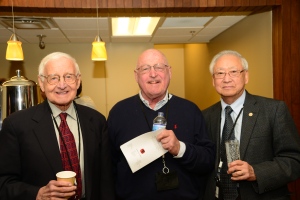
Joe Cerny [Nesbit 1962], Carl VanAppledorn [Nesbit 1972], Cheng-Yang Chang [Nesbit 1967]

Solomon Goh

Hugh Solomon [Nesbit 1980] and Meidee Goh [Nesbit 1998]
Wan Oldendorf

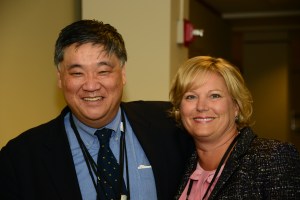
Julian Wan [Nesbit 1990] (President) and Ann Oldendorf [Nesbit 1992] (Secretary Treasurer)

Nesbit Attendees

Attendees at the Nesbit Society Meeting

5.  At Nesbit we also heard a number of first-rate presentations from our residents, fellows and faculty. I gave the usual talk on the state of the department, that is solid after a rocky 2 years (much like the rest of the world) and explained why we need a substantial clinical margin (the faculty’s “tax” for running an academic program with education, research, and leadership centered around our essential deliverable of kind and excellent patient-centered care) in addition to help from our friends in the form of philanthropy.  Medical research funding is shrinking. Ray Costabile was quick to note that the same pertains at his shop in Charlottesville: to get a dollar from the NIH has traditionally cost us a dollar-and-a- half. I expect very shortly (if not already now) we will revise that calculation and find it really takes more than two dollars to get one from the NIH.  Research and discovery are essential to our field and our species, and we have been lucky to have had relatively easy money from the government in the past, those days are gone.

6.  A similar story pertains for residency training (GME). Even with money we get from the Medicare-based funding of GME, we train more residents and fellows than the government pay supports. The bottom line is that our faculty practice and philanthropic base have been essential for the several million dollars we need each year to deploy the Michigan Urology mission of education, research, leadership, and that essential deliverable of kind and excellent patient-centered care. Michigan Urology has been doing this well for close to a century, even as rules, systems, and economics have changed. These things are changing again, faster and more substantially. Every iota of interest and support helps us, and every nickel contributed is stewarded wisely in support of our mission.

7.  At the Nesbit dinner Friday evening Betty Konnak graced us with her presence.  Dan Murtagh [Nesbit 1983] and his wife, Stephanie, (pictured below) joined us to celebrate his 30th class reunion.

Dan Stephanie

Dan reminisced about his residency training days with John Konnak:  to this day when he is doing a difficult case and has a moment of quandary he “hears” John’s admonitions “showing him the way.”  Brent Hollenbeck [Nesbit 2003] celebrated 10 years.  John Wei was awarded the 2013 John W. Konnak Faculty Service Award for his dedication to the educational, research, and service missions of the department. He was also honored this past week at the Faculty and Staff Awards Dinner on receiving the Dean’s award for Clinical and Health Services Research.

8.  At the Nesbit dinner we also recognized Ed McGuire along with his wife, Susan, for service to the department.  Ed was recruited to the University of Michigan as Professor of Surgery and Section Head of Urology in July of 1983 becoming Associate Chair of the Department of Surgery in 1988.  In 1992 he joined the University of Texas Health Science Center at Houston as Professor of Surgery, and Director of the Division of Urology one year later. He returned to Michigan in July of 1999 as Professor of Urology and head of the Neurourology and Pelvic Reconstructive Surgery Division in the Department of Urology (a position he served as head until 2007).  In 2007 he was named the Reed Nesbit Professor of Urology.  In the past few years he shifted his effort to the Ann Arbor VA.  On June 30 of this year Ed officially retired from the U of M and was granted Professor Emeritus of Urology status at the September Regents meeting.  We honored Ed by giving him a collegiate chair (the kind you actually sit in).  Ed will remain in our department as an active emeritus faculty and continue his work on the next volume of the history of urology, among other projects.

9.  On a larger palette, healthcare USA remains a work in progress, but overall it is far below its potential. Yes, we have some, (arguably most), of the high points of innovation and performance in the world, but we fall short in terms of distribution, equality, and systemic integration. Many people experience terrible personal hardship when they fall through the cracks between silos of turfs and systems. Economic hardship is rife as people fall through the economic cracks of health care – I’ve heard the figure that more than 50% of personal bankruptcies are related to catastrophic health care bills. If you suffer a million dollar health care catastrophe, your 20% copay can make you homeless.

10.  Bad press.  A recent front page NY Times article profiled a 78 year-old lady in Florida needing a partial denture. The bill was $5700 and the dentist gave her a “special line-of-credit” with a financing company. It was good news for the dentist who was paid up front. The lady was given a payment plan at 23% interest that would go to 33% (plus a $50 penalty) if a payment is missed.  Her minimum monthly payment of $214 takes a third of the Social Security check that she lives on. [Silver-Greenberg J. “Patients mired in costly credit from doctors.”  NYT Oct 14, 2013.  CLXIII p. 1] Of course dentists need to be paid fairly and of course many elderly people need dentures. But this common scenario doesn’t seem right – and notice that the caption of the article says “doctors.”  The public is increasingly unhappy with all health care professionals.

11.  The ACA – how is it working? The point to make is that the law is here, it’s not going away, and it is (in spite of its many problems) a natural progression of health care legislation on this country. The ACA has been in place and in play for over three years. It is certainly imperfect and contains mistakes, omissions, and glitches, but it is the third major installment of the federal determination of health care that started in 1935 with the Social Security Act, extended in 1965 with the Medicare/Medicaid Act, and expanded again nearly on a 30-year cycle in 2010. The law is an attempt to make health care accessible, affordable and accountable to patients. You can look at the law as a bridge between patients and health care, although perhaps it is more of a causeway constructed of various pathways of insurance carriers and federal programs. Whether you like it or not, it is here after due process, it fills many needs of the public, and it needs to be improved as it gets implemented. It made no sense to try to turn back the hands of time and hijack the national economy in the hope of reversing the law. The national model of health care that may have worked well enough at the end of the 20th century cannot be parbuckled.

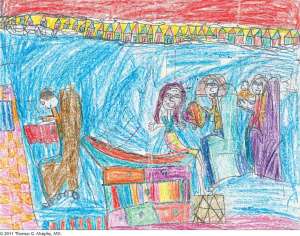
12.  Clearly the roll-out of the sign-up phase for the health care exchanges was marred by immature, clunky, and poorly fashioned software products, but we understand that already well-enough in the daily work of health care especially here in Ann Arbor. Actually, if I have any overarching complaint it is with the HITECH law and ICD 10 that preceded the ACA, and mandated systems that have slowed down health care delivery, driven up costs, enriched a few companies beyond imagination, and turned provider-patient relationships into forced encounters tailored to satisfy federally-determined “meaningful uses.” A cover illustration from JAMA last autumn, drawn by a little girl observing her sister’s visit in a doctor’s office, tells the story better than ten thousand words. Notice the doctor’s position and attention. [JAMA, 307(23):2497, 2013]
crayon

13.   “What’s New”, that you are reading now, began over a decade ago in the Dean’s Office here at Michigan under Allen Lichter when faculty, and most other people on the planet, were becoming deluged by information. Heavy activation of the “delete” button was the only way to get home at night, and even then to get to sleep. The right index finger of Homo sapiens was developing more callus and bone density around the world wherever anyone had access to a computer. It seemed to us then that a single predictable message that filtered and digested a minute fraction of useful information from the 2.5 exabytes (2.5 x 10¹⁸) of data produced by mankind every day would be welcomed. In the Department of Urology, we have an internally-directed “What’s New” every week, targeted mainly to faculty and residents, but often filled with internal operational issues and intended as weekend “homework.” In these over the course of each year we hear from our divisions and our individual faculty members who produce their own editions of “What’s New.”

14.  On the first Friday of each month (such as now) “What’s New” has a broader message and distribution, going out to the entire department, alumni, friends, colleagues, and other curious souls who sometimes send me very welcomed thoughts of their own. One of the objectives of What’s New is to be an electronic mini-journal club. We each read a unique set of newspapers, magazines, journals, and books so I hope whoever produces one of these weekly issues will digest one or more articles, ideas, or factoids from the daily 2.5 exabytes at large and share them with the rest of us. As the email chain for “What’s New” got longer and longer we started also posting this as a “blog” at MatulaThoughts.org. We are still in the learning stage of the blog-o-sphere, and are finding our way in it, but we hope you come to find MatulaThoughts.org easier to access and read.

15.  Factoid of the day number one. On this day in 1957 the Mackinac Bridge opened to connect the two pleasant peninsulas of Michigan. This was then the world’s longest suspension bridge between anchorages. The main span is 3,800 feet, making it now the third longest suspension span in the U.S. and the 15th worldwide. However, the entire 8,614 foot bridge is the world’s third longest in total suspension and the longest between anchorages in the Western hemisphere. The maximum height above water is 552 feet. The Verrazano-Narrows Bridge, opened in 1964, has a span between towers of 4,260 feet, a maximum height of 228 feet. The Golden Gate, opened in 1937, has a center span of 4,200 feet, a span between anchorages of 6,463 feet, and a maximum height of 746 feet. Longer anchorage-to-anchorage spans have been built in the Eastern Hemisphere, including the Akashi Kaikyō Bridge in Japan (12,826 feet). But the long lead-ups to the anchorages on the Mackinac make its total shoreline-to-shoreline length of 5 miles longer than the Akashi Kaikyō (2.4 mi or 12,672 feet). Like most things, it all comes down to definitions and clarity when you talk about bridge lengths. The main span between towers, the distance between anchorages, and the shoreline to shoreline lengths are all quite distinct.

16.  The big three American suspension bridges. (The U.P. is still a bargain.)

a.  Mackinac Bridge $4.00 each way, daily traffic 11,600.

Mackinac

b.  Verrazano-Narrows. $15 each way, daily traffic 189,962.

Verrazano-Narrows

c.  Golden Gate. $5 northbound only (southbound no charge), daily traffic 110,000.

Golden Gate

17.  Interesting things happen under bridges and on the sea, and in that respect parbuckling is a word that entered my vocabulary recently. It refers to the righting of a disabled ship, the notable case being the Costa Concordia on September 17, an amazing feat of determination, strategy, technology, and teamwork. The hapless individual responsible for the disaster itself, namely the captain of the ship, recently went on trial in Italy. Is he just a scapegoat for larger business decisions of the corporate enterprise that employed him or was the responsibility for the specific misadventure his alone? Like most binary questions of business, the answer is split between the choices. His selection and the culture of the organization may have set the stage for the SNAFU (I love that old Army acronym), but unquestionably it was the captain at the end of the sad day who steered that ship into the ground.

18.  Parbuckling may expand in its meaning to encompass the concept of resurrecting an entity or enterprise that while perhaps iconic in its day may be flawed enough to prohibit survival in new Darwinian circumstances. The Titanic is another relevant maritime metaphor. Like the Costa Concordia it was an amazing piece of technology for its time with hundreds of thousands of parts and thousands of processes. However, an overconfident captain, faulty systems of command and control, and structural deficiencies led to disaster. Who actually was responsible in each case? We have yet to build a perfect system on which we can rely that does not require the human factor. Maybe you might think Voyager 1 and 2 might qualify as examples, but even they will run out of power one day, and likely needed some tweaking along their incredible journeys up to now. Parbuckling won’t save them when that power runs out, nor could it save the Titanic. Anyway, leadership matters.

19.  Factoid number two (you can use this one): cranberries and UTIs. A JAMA Clinical Evidence Synopsis by Jepson et al concluded that cranberry products are not associated with UTI prevention. This seems to explode an old belief of mine, although the authors qualify their claim that a lack of sufficient active ingredient or statistical powering may have influenced their analysis.  [JAMA 310:1395, 2013]

20.  Another useful factoid: anti-oxidant supplements are not associated with decreased mortality and beta carotene, vitamin E, and higher doses of vitamin A may be associated with increased mortality. This comes from another JAMA Clinical Evidence Synopsis. Bjelakovic et al came up with this conclusion after an analysis of 78 RCTs involving nearly 300,000 participants. [JAMA 310: 1178, 2013]

21.  Continuing the idea of the electronic journal club, I can’t mention JAMA without bringing up the October 16 issue that has two contributions from Michigan. First is a paper by Steven Katz, and Sarah Hawley from our Departments of Internal Medicine and Health Management and Policy. This Viewpoint piece is entitled: “The value of sharing treatment decisions making with patients. Expecting too much?” [JAMA 310:1559, 2013]  The authors dissect the idea of “shared decision making” (SDM). Like many simplistic solutions to complex problems, the unintended consequences may exacerbate the original problems. The authors conclude: “…too little is known about SDM and its outcomes to support its role in addressing the increasing concern about overtreatment and medical cost inflation.” In other words, let’s not be too quick in inserting the “health policy idea de jour” into legislation and funding methodologies. The experience and damage from HITECH should offer enough evidence to avoid helter-skelter and knee-jerk health policy formulation. You can hear Steven’s on-line interview at Online@jama.com.

22.  Also in that edition is an editorial by Preeti Malani from our Department of Internal Medicine “Preventing infections in the ICU. One size does not fit all.” [JAMA 310:1567, 2013]  This editorial responds to a paper in that same issue on a randomized trial in 20 hospital ICUs to see if gloves and gowns mattered at all in acquisition of MSRA or VRE. In this study of 26,180 patients health care workers in one cohort used gowns and gloves for ALL patient contact, whereas the workers in the other cohort used only “usual care” unless an individual patient had known infection with antibiotic resistant bacteria – in which case gowns and gloves were worn in compliance with CDC guidelines. The study, by Harris from the University of Maryland School of Medicine, showed no difference in outcome regarding MSRA or VRE acquisition. Preeti’s editorial advocates caution in interpreting the finding and tailoring any approach to “the epidemiology of specific ICUs and resources available.”

23.  The Lancet is another journal I try to skim with regularity (I depend on others to read the high-fluting New England Journal of Medicine) and as I was thumbing through the Sept 28-Oct 4 edition I found a strong imprint of the University of Michigan. John Birkmeyer and his group have two articles on “Variation in Surgery.” He is lead author of the first that studies regional variation in surgery [Lancet 382:1121] and senior author on Peter McCulloch’s paper on strategies to reduce variation in the use of surgery [Lancet 382:1130].  The first article is the source of the “cover quotation” that distinguishes most issues of Lancet: “A patient’s odds of undergoing surgery often depend more on where he or she lives than on clinical circumstances.” In the same issue of Lancet Regina Morantz-Sanchez, of our history department, has an article in “The Art of Medicine Section” on Mary Amanda Jones one of the rare early women gynecologists in the male-dominated world of surgery in the later 19th century [Lancet 382:1088, 2013].

24.  Scientific literacy 101: Nobel Prize in Physiology or Medicine 2013.  This went jointly to James Rothman (now at Yale – work done at Stanford, MMSK, and Columbia), Randy Schekman (a Howard Hughes Investigator, now at UC Berkeley – work done at Stanford and UC) and Thomas Südhof (also a Howard Hughes Investigator now at Stanford – work done at UT Southwestern) for discoveries related to vesicle traffic mechanisms in cells. The intracellular control of “cargo” is a matter of exquisite logistics, the term that United Parcel Services (UPS) has leveraged so nicely in its advertisements. While UPS and its sister organizations manage your Amazon purchases, our intracellular vesicles manage hormones, neurotransmitters, enzymes, cytokines, etc. getting each one to the right place, at the right time. Schekman identified three classes of genes that regulate this work. Rothman discovered the membrane docking and fusing mechanism that works via protein complexes. Südhof identified how “temporal precision” is achieved by calcium sensitive proteins that activate a zipper like mechanism at the outer membrane of a nerve cell. This is important in all parts of biology, but especially so in our area of neuro-urology.

25.  One of the things that bothered me about the significant recent legislation related to health care, including such things as HIPPA, HITECH, and ACA is that the voice of our profession was drowned out by input from large corporate interests of third party payers, hospitals, big pharma, and other large industries of health care. The big special interests, seem to have eclipsed out the interests of the “house of medicine.” Part of the responsibility for this situation lies with us insofar as I think most of us medical professionals have a skewed perspective on the business of lobbying – a distaste for it – and accordingly our profession has a very weak voice in Washington. We should get over the distaste.

26.  The Constitution protects even our weaker voices, relative to big corporate interests. This protection comes in the Bill of Rights with the First Amendment that secures five freedoms: those of speech, the press, religion, petition, and assembly.  The right to petition of government is essential to a democracy. Citizens have general interests and special interests. Those general interests such as life, liberty, and the pursuit of happiness apply to all citizens, but special interests need protection as well because, after all, we are all specialists of one sort or another whether plumbers, panhandlers, pianists, or pediatric urologists.

27.   Urologists have two important professional organizations. The most immediate is the AUA (American Urological Association) that was established in 1902. The ACS (American College of Surgeons) dates back to 1913. These organizations were formed to consolidate the professionalism and values of their members and to further their education in the changing world of science, technology, and healthcare. The public interest of these goals and functions is represented in their tax-exempt nature as 501c(3) organizations. However, such identification prohibits their ability to engage in the political activities of lobbying for their special interests by means of supporting political candidates. Accordingly, the ACS in 2001 and the AUA in 2002 set up political action organizations under the 501c(6) tax code. These PACs were established as bridges between the members of their professions and federal officials. By law individuals such as us can contribute up to $2,000 per year while the PAC can contribute $5,000 per candidate per election cycle. Only the members of the AUA and ACS can contribute to these two PACS. The AUA-linked organization has recently reached the million dollar level of total annual funding while the ACS group is at about the $600,000 level. Although the scale of these PACs may seem small, they have a relatively larger impact in the halls of Congress because of the very nature of their representation of finite groups of professionals. Representatives are receptive to these authoritative professional groups. Interestingly – the UM Health System PAC representing our enterprise at home has less than a “$12,000 yearly voice.” You’d think it could be stronger.

28.  To me, the ACS political committee represents our general interests as surgeons, while the AUA political arm represents our special interests as urologists.  Both sets of interests are compelling and certainly overlap. While the ACS may, for example, lobby for standards of trauma units, GME funding, etc. the AUA political group might focus on such specific things as constraints on PSA usage, lithotripter deployment, and guidelines implementation. All these things and many more represent legitimate objectives of not only the professional aspects of urology, but just as well and even more importantly of the needs of patients with genitourinary conditions.  The aligned interests of these two conjoined groups, urologists and patients, are nowhere represented better anywhere else. Still, the involvement of surgeons and urologists in these two agencies is sparse – only 3.5% of ACS members and somewhat better for the AUA membership in its organization UROPAC. In contrast to the Mackinac Bridge the tariff on our bridges to federal legislation is up to an individual’s discretion up to the legal limit of $2,000 per year.

29.  Healthcare exchanges, ACOs, and direct business-health systems bridges. These new things are replacing the traditional individual insurance-based/employer-supported form of health care. One form or another of these experiments in health care delivery was bound to happen with or without the Affordable Care Act. Some prominent direct business-health systems bridges include Walmart and GE. Walmart and Lowe’s joined the Pacific Business Group on Health Negotiating Alliance to create the Employers Centers for Excellence Network that will offer no-cost hip and knee replacement for more than 1.5 million employees and dependents at Johns Hopkins Bayview, Kaiser at Orange County, Mercy Hospital in Springfield, MO and Virginia Mason Clinic. Other similar bundled payment direct contract may occur with Cleveland Clinic, the Mayo Clinic and Geisinger Clinic to provide care for employees with specific higher end specialty needs.

30.  Close to halfway up towards the Mackinac Bridge you might stop in the territory of MidMichigan Health, a quality healthcare system with a number of links to Ann Arbor. Those links have been strengthened by a significant affiliation that is being developed through an organizing council with 8 members of each institution. Furthermore, 2 members from UM have joined the MidMichigan Board, these being David Spahlinger, our Senior Associate Dean and leader of the Faculty Group Practice, and Doug Strong, our Chief Executive Officer. An oncology council, a heart and vascular council, plus additional collaborations in Ob/Gyn, Neurosurgery, Pathology, Radiology, Telemedicine, IT, Palliative Care, and Case management are already in play.  Credentialing/privileging standards plus quality/safety systems are also being brought together. We expect this relationship to improve both health systems.

31.  Last month our internal weekly “What’s New” profiled Mike Kozminski in the General Urology Division; Florian Schroeck and Paul Womble, fellows in the Urologic Oncology Division, and an update from John Wei our Director of Communications, Marketing, and Networking.  Website: http://www.med.umich.edu/urology/about/MonthlyNewsletter.html.  Also at the recent AUA North Central Meeting we had several people win awards.  Florian Schroeck had two awards: (1) Traveling Fellowship Award of the North Central Section of the AUA for the manuscript entitled “Regional Variation in Prostate Cancer Quality of Care” and (2) Best poster in the Outcomes / Socioeconomics poster session for the abstract entitled “Technology Diffusion and Diagnostic Testing For Prostate Cancer.”  Miriam Hadj-Moussa, HO3, won 1st place in the Bladder Malignant/Stone Disease/Endourology Poster Session for the abstract “Outcomes following radical cystectomy for bladder cancer in patients under 60 years old.”  John Stoffel was selected as one of the scholars for the 2014 AUA/EAU Academic Exchange Program.

Best wishes, thanks for spending time on “What’s New” this first weekend of November. Your comments are welcomed.

David A. Bloom, M.D.

The Jack Lapides Professor and Chair

Department of Urology

TEL: 734-232-4943

Email: dabloom@umich.edu

What’s New October 4, 2013

The University of Michigan Department of Urology

3875 Taubman Center, 1500 E. Medical Center Drive, SPC 5330, Ann Arbor, Michigan 48109-5330

Academic Office:  (734) 232-4943   FAX: (734) 936-8037   http://www.urology.med.umich.edu    https://matulathoughts.org/

Matula Thoughts Logo1

What’s New October 4, 2013

A monthly communication to the faculty, residents, staff, and friends of the University of Michigan Urology Family.

Michigan Traditions – Kindness, heart, healthcare, kudos,

and other news.

22 Items, 2 Web Links, 12 Minutes

1.  Fall

Autumn is at hand, with a solid football season in play and our Nesbit Alumni weekend coming up. The department is doing well as this new fiscal year has begun and our calendar year starts to enter the home stretch. It was a busy summer and a crazy September given the apparent usual Mott effect of added patients. In the middle of the month I drove into Kerrytown for a cup of coffee with colleagues and after parking I dutifully was putting coins into the meter when a car paused alongside me and the driver opened the window to tell me: “It’s Sunday, you don’t need to feed the meter.”  It was a nice and random act of kindness. His heart was in the right place and it made me think of a book I read during my mini-sabbatical (Skip Campbell gave it to me, undoubtedly because he thought I could use the lesson and I truly did need it). The book was “The Power of Kindness” by Piero Ferrucci and was an easy read yet powerful and incisive. It pointed out that for most of us our heart is in the right place (anatomically and socially), although our self-absorbed lives and necessarily selfish interests often tune it out of our standard operating systems. Ferrucci’s lesson in kindness is an important “app” that we all need to install and refresh.

2. We had a retreat last month, the second in 2013, but this was entirely run by our younger faculty.  The retreat was called “Marketing, Branding and Social Media at Michigan.”  The faculty in charge assembled a great lineup of presenters and the keynote speaker was Ari Weinzweig on “Zingerman’s Community of Businesses: 3 Decades of Making a Difference.” The Zingerman’s Family of Businesses is a huge local success story, with a sustainable business plan, a culture of customer service raised to a whole new level, superb employee engagement, and a thoughtful holistic and precise strategy.  We have much to learn from Ari.  Coming soon as a result of this dialogue is a new and much improved website for our department.

Ari Julian Kate

Ari Weinzweig, Julian Wan, and Kate Kraft [Photo by Gary Faerber]

3. Our PGY-1s are well immersed in their first step of residency training going from their undifferentiated pluripotent stem cell state as new medical school graduates on a journey of specialization into urologists over the next 5 or more years. We hope this differentiation into specialists won’t impact their lifelong expression of kindness and curiosity although we know this happens to some specialists (rarely urologists). Our PGY-1s will finish in 2018, the 99th year of Michigan Urology, by my measure from the time Hugh Cabot brought modern urology to Michigan.  The tradition from Hugh Cabot and his trainee Reed Nesbit is long and great. With the Nesbit Society annual meeting approaching this is a good time to mention that we are putting the production of the next edition of our departmental history on the front burner.

4. Imagine my surprise the other week when I was looking through Science magazine and I found a picture of Scott Tomlins, our joint faculty member with the Department of Pathology.  It was not so long ago that Scott was one of our Michigan MD – PhD students considering residency choices. He picked well, selecting UM Pathology and his work with Arul Chinnaiyan, also a joint member of our department. Their team made a big discovery a few years ago, related to two normal human genes. One gene called TMPRSS2 is normally turned on in the prostate, while another called ERG is normally turned off. When, abnormally, the two genes fuse – something that the team found happens in about half of all prostate cancers – ERG becomes turned on and this drives cancer formation. From this observation, they have developed a urine test that can detect a product of this gene fusion. [Science 341:973, 2013]  Potentially, targeted therapy could follow.

Tomlins CEO

Scott Tomlins with AAAS CEO Alan Leshner [From Science: 341:973, 2013]

5. Nesbit Alumni Refresher. A new cohort of residents has stepped into the long maize and blue line of the Michigan Urology family that actually began under Hugh Cabot when he brought Reed Nesbit and Charles Huggins to Ann Arbor.  Cabot was busy, building the Michigan surgery department, the new hospital, and being dean in his first 6 years, and didn’t step into urology GME until 1926.  Formal residency training began under Nesbit and it is for him that our urology alumni group is named. We currently have 279 members consisting of 176 active members, 34 senior members, 32 UM Urology faculty, 15 joint faculty, 8 fellows, 20 residents, and 4 associate members.  Whereas meetings used to occur on alternate years, now they take place yearly and our 28th one is coming up.  The meeting is not just a scientific one, but a social one as well. The social aspect is essential.  Residency and fellowship training constitute the longest and most intense single educational interlude anyone will likely experience and it tends to bind most participants together tightly.  If careers and families inevitably create some drift of individuals, the Nesbit Society affords opportunity for reunion and reconciliation during careers and after them. Officers this year→ President Julian Wan [Nesbit 1990], Secretary/Treasurer Ann Oldendorf [Nesbit 1992], and three Directors David Bloom, Surendra Kumar [Nesbit 1981], and Dana Ohl [Nesbit 1987].

6. I was out of town for the Dean’s State of the School talk last month and went to the web site to see it.  [http://medicine.umich.edu/medschool/about/news/view-dean-woolliscroft%E2%80%99s-2013-state-school-address]  Dean Woolliscroft spoke of the challenges we face in this new resource constrained era of academic medicine.  This is the 4th era for our Medical School, the first being the period of focus on medical student education (1850-WWII), the second was the period of federal investment in research (WWII-1965), the third period was shaped by the expansion of clinical federal funding from Medicare and Medicaid in 1965.  This new era is one of resource constraint related to slowing of federal support of research and clinical care, increased regulatory constraints, and competitive pressure from aggregating large systems.  One could argue that this is an era of mission equilibration as the dominant federal funds that support research, clinical care, and education seem to  be shrinking significantly (era 4).  Perhaps this became most evident with the world economic crisis of 2008.  Research (era 2) and clinical care (era 3) come into balance not only with each other but with the basic unfunded educational part of our mission that started in era 1.  The Dean nonetheless painted an optimist picture of Michigan’s future based on our collective engagement, citizenship, and collaboration to preserve our mission and existence in the new era.

7. Medicare and Medicaid Update. We had talked about this before, but it’s time for a refresher. These entities came out of the Social Security Amendments of 1965, a bill signed by LBJ on July 20 as part of his Great Society era, an important testimony to the power of kindness of a nation. The AMA opposed the legislation until it was enacted and then cooperated in the implementation. The law basically consisted of 2 amendments to the 1935 Social Security Act. Title XVIII was Medicare – consisting of Part A which provided hospital insurance for the aged and Part B which provided supplementary medical insurance. Since then Medicare has acquired a Part C (Medicare Advantage which was formerly known as Medicare + Choice) and Part D (a prescription drug coverage).  Title XIX was Medicaid – providing for the states to finance health care for individuals at or close to the public assistance level with federal matching funds.

8. Medicare is a federal insurance program mainly for people over 65 and Medical bills are paid from trust funds that those covered have paid into. It also serves younger people with specific disabilities, particularly end stage renal disease and ALS. Patients pay part of costs through deductibles for hospital and other costs. Small monthly premiums are required for non-hospital coverage. Medicare is basically the same everywhere in the United States and is run by the Centers for Medicare & Medicaid Services.  Part A is funded for by a portion of Social Security tax. It helps pay for inpatient hospital care, skilled nursing care, hospice care, and other services.

9. Medicaid is a federal-state means-tested assistance program and medical bills are paid from federal, state and local tax funds.  Medicaid is the largest source of funding for medical and health-related services for people with low income in the United States.  It serves low-income people of every age and is managed by the states. Patients usually pay no part of costs for covered medical expenses. It varies from state to state and is run by state and local governments within federal guidelines. Each state has broad leeway to determine eligibility and states are not required to participate in the program, although currently all do. Medicaid recipients must be U.S. citizens or legal permanent residents, and may include low-income adults, their children, and people with certain disabilities. Medicaid payments assist nearly 60% of all nursing home residents and 37% of all childbirths. In 2008, Medicaid provided health coverage and services to approximately 49 million low-income children, pregnant women, elderly people, and disabled people. In 2009 Medicaid provided health care for approximately 50.1 million Americans and about one of every five persons in the U.S., were enrolled in Medicaid for at least one month that year. The Children’s Health Insurance Program (CHIP) provides coverage to 8 million children in families with incomes too high to qualify for Medicaid, but can’t afford private coverage. Supplemental Security Income (SSI) disability benefits are for adults or children with a disability who qualify for income, resource and living arrangement requirements. Although the standards for determining disability are the same as for Social Security Disability Income (SSDI), people are not required to have paid Social Security taxes to qualify for SSI; once they qualify for SSI, they are also eligible for Medicaid.

10. The Affordable Care Act Update. In case you forgot, the ACA, passed into law March 23, 2010, sets out comprehensive changes that are already underway but go into high gear in 2014.  In summary, in 2010 a Patient’s Bill of Rights went into effect to protect patients from abuses of the insurance industry and additionally many cost-free preventive services were offered. Other consumer protections included elimination of lifelong limits on coverage, prohibition of rescinding coverage, prohibition of denial of coverage to children with “pre-existing conditions”, and help with appeals of corporate decisions. Small business tax credits became effective in a first phase. New incentives were created to rebuild the primary care workforce. States were offered matching funds to cover more people on Medicaid.  In 2011 Medicare patients were slated to get certain preventive services for free and receive 50% discounts on brand name drugs in the Medicare “donut hole.”  In 2012 value-based purchasing, linking payment to quality outcomes, was established in traditional Medicare. Accountable Care Organizations (ACOs) began to form that year and standardized billing requirements were initiated. Federal health programs were required to collect and report disparities-related data.  In 2013 new funding was provided to state Medicaid programs that cover preventive services at little or no cost. The law established a national pilot program to encourage payment bundling. Open enrollment in the Health Insurance Marketplace was set to begin October 1 of this year (three days ago) and will go to March of 2014.

11. One key goal of the ACA was to fix the unconscionable problem we had in this country of 47 million uninsured people. The latest estimates I’ve seen are that in spite of this gargantuan law, the number of uninsured will only drop to 31 million.  In 2014 new consumer protections will be put in place including prohibition of discrimination due to “pre-existing conditions”, elimination of annual limits on coverage, and ensuring coverage for patients in clinical trials. Quality improvement and cost reduction factors in the 2014 step include tax credits for people with income between 100% and 400% of the poverty line who are not eligible for other affordable coverage. A Health Insurance Marketplace should be available in 2014 and the small business tax credit second phase will be implemented: for qualified small businesses and small non-profit organizations the credit is up to 50% of the employer’s contribution to provide health insurance for employees and there is also up to a 35% credit for small non-profit organizations. Access to affordable care will be promoted in two ways.  One: increasing access to Medicaid – Americans who earn less than 133% of the poverty level (approximately $14,000 for an individual and $29,000 for a family of four) will be eligible to enroll in Medicaid; states will receive 100% federal funding for the first three years to support this expanded coverage, phasing to 90% federal funding in subsequent years. Two: under the law, most individuals who can afford it will be required to obtain basic health insurance coverage or pay a fee to help offset the costs of caring for uninsured Americans.  If affordable coverage is not available to an individual, he or she will be eligible for an exemption.

12. In 2015 it is intended that physicians will be paid (from Medicare and Medicaid) based on value not volume. A new provision will tie physician payments to the quality of care they provide. Physicians will see their payments modified so that those who provide “higher value” care will receive higher payments than those who provide “lower quality” care. This will be a fascinating experiment, although not one that I think should be run without far better understanding of what “higher value care” means and detailed analysis of the effect on health care at the individual level and the health care market. We certainly need to reform the American health care enterprise, but this sector of our national economy employs one in six people and affects the care of everyone so experimental solutions should be applied with great caution and prudence.  The risk to the nation’s health care and the economy as a whole is massive.  We can’t afford to continue on the previous trajectory, but we also can’t afford to crash.

13. Last month I spoke of the loss of KAL 007 due to a trigger happy, nervous, and unkind Soviet military pilot. This catastrophe took down one of our Michigan Nesbit alumni, Larry McDonald, who had been a passenger on that ill-fated commercial flight.  Coincidentally on this day in 2001 another commercial flight, Siberian Airlines 1812, crashed into the Black Sea, killing all 78 people on board (12 crew, estimated 66 passengers). Since this was just a month after September 11, terrorism was suspected. The plane, a Tupolev Tu-154, was enroute from Novosibirsk to Tel Aviv. The CIA reported that the crash was due to an errant S-200 surface to air missile fired by Ukrainian Air Defense Forces from the Crimean coast likely by some other nervous character with a firing switch. Russia denied that possibility.

14. Comments from Dick Lyons, a great name in the history of urology and a colleague of Nesbit and Lapides.  Dick is retired in Napa, in his mid 90’s and is a faithful reader of “What’s New.”  Responding to last month’s edition and the McDonalds he said: “I knew Harold Sr. better than most. One day on a visit on the way back from AAGUS, we had a long talk and I asked him how many TURs he would do in a day during the War when he was almost alone in town. He operated standing, by the way. He said ‘Eight or ten.’ He must have been a whizz, doing that many a day, and he had only a single resident, usually from the islands below. I asked how he slept, and he didn’t understand the question. My point was to do that many and not have a troublesome bleed seemed miraculous to me. No room for skepticism. The man was better than good.  He always was sad and disturbed about not being in the AAGUS.  But it seemed clear why. In any discussion, Harold would stand up and tell all that he had already mastered the subject in question, and he was correct and honest. I would have loved to partake of his knowledge and experience. But the egos got their wishes and kept him out. It’s tough to always be one-upped by someone who had really done it and I decided to test him. I had a urethral caruncle or was it a partial prolapse, in a black youngster…So I gave him call, asking what he would do. Wonder of wonders, he said ‘I don’t know. Never had one’ I told him that I, in the office simply strangled it with a tie, and it dropped off in a day or two-just common sense of course. But now I knew without doubt that Harold was an honest man. He admitted he didn’t know everything and I [therefore found that] had that rarity, a wonderful, exciting, probing, curious, older friend. There’s more to his story, for this was a lively family, at the least. He died of a broken heart … That is another heart rending story.”

15. Things aren’t always right. Sometimes, if you will forgive an anatomic pun, the heart is aberrantly in the “right” place, that is on the right side. Situs inversus was first reported in 1788 when students at the Hunterian School of Medicine showed their teacher, Matthew Baillie, a cadaver with the liver on the left side and heart on the right. Baille, a nephew of John & William Hunter, was a physician at St. George’s Hospital and specialist in morbid anatomy.  He died of TB in 1823. Carl Zimmer wrote an interesting report on this historic moment. [Carl Zimmer, Growing Left, Growing Right. NYT June 4, 2013] Actually, Leonardo da Vinci (1452-1519) had observed and drew dextrocardia much earlier but didn’t “report” his finding publically. The Baille story is even more interesting due to the investigative skills of Wendy Moore, author of The Knife Man, a great biography of John Hunter, the founder of scientific surgery. Baille kept most of Hunter’s notes after his death and is believed to have plagiarized so much from his uncle’s prodigious work that Baille burned the notes late in his life to hide the plagiarism. The observation of dextrocaria, however, seems to have been legitimately that of Baille.

16. Situs inversus refresher.  This is autosomal recessive, although it can be X-linked and there is a 5 –10% prevalence of congenital heart disease in individuals with situs inversus totalis, most commonly transposition of the great vessels.  (Curiously the incidence of congenital heart disease is 95% in situs inversus with levocardia.)  Individuals with primary ciliary dyskinesia have a 50% chance of developing situs inversus and when they do this is called Kartagener Syndrome. In the absence of congenital heart defects, most individuals with situs inversus who do not have Kartagener Syndrome are phenotypically normal (about 1 in 12,000) and can lead normal healthy lives. One example is Randy Foye an American professional basketball player currently of the Denver Nuggets of the NBA who has situs inversus with apparently no functional significance. He played collegiately at Villanova University and was selected in the 2006 NBA Draft by the Boston Celtics, immediately traded to the Portland Trail Blazers, and later traded to the Minnesota Timberwolves. He was just 30 years old at the end of last month and seems to have done pretty well in spite of his anomaly. We have full confidence that Foye and his similar anatomically distinct brethren are kind by default since their hearts are always in the right place.

17. Since we have been discussing puns and anatomy I can’t let the day go by without mentioning that it caught my eye that Oct-4 is the term for a transcription factor that is initially active in the oocyte but remains active in embryos throughout the preimplantation period. Oct-4 expression is associated with an undifferentiated phenotype and tumors.  Oct-4 can combine with Sox2, so that these two proteins bind DNA together.  Sox 2 is important to us urologists because it is actually SRY (sex determining region Y)-box 2, a transcription factor essential for maintaining self-renewal, pluripotency, of undifferentiated embryonic stem cells. The Sox family of transcription factors plays key roles in many stages of mammalian development.  Sox2 maintains embryonic and neural stem cells and may be critical for induced pluripotency, an emerging area of regenerative medicine. Mouse embryos that are Oct-4-deficient lose pluripotency and differentiate into trophectoderm. Therefore, the level of Oct-4 expression in mice is vital for regulating pluripotency and early cell differentiation since one of its main functions is to keep the embryo from differentiating. So much for the interwoven story of mice and men, for now.

18. The 3rd Annual James E. Montie Visiting Professorship was held on September 20 with W. Marston Linehan, MD, Chief of Urologic Oncology Surgery and the Urologic Oncology Branch at the National Cancer Institute in Bethesda.  Marston gave a great talk on “Targeting the Genetic Basis of Kidney Cancer, a Metabolic Disease.”  His extraordinary life’s work at the NCI has revolutionized our understanding of kidney cancer with its variants and pathogenesis.  I have several great friends who have benefited enormously from Marston’s work.

Linehan

Marston Linehan lecturing [photo by Todd Morgan]

Linehan VHL Dinner

VHL Family Alliance Benefit Dinner honoring Jim Montie [photo by Todd Morgan]

19. New faculty have joined the Urology Department.  Mike Kozminski [Nesbit Alumni 1989] will be working part-time with us here in Ann Arbor and Chelsea in the general urology clinic while he still maintains a practice at Phoenix Urology of St. Joseph, Missouri.  He has four sons.  Michael is a third-year resident here, Christopher escaped the medical world and is a comedic writer in Chicago, David is in our Medical School, and Andrew is at Northwestern senior pre-med.  Khurshid Ghani just completed a fellowship in Robotic Surgery at the Vattikuti Urology Institute at Henry Ford Hospital with Mani Menon.  He will be seeing patients at the Ann Arbor VA.  Daniela Wittmann, a social worker in our department, recently received her PhD from Michigan State University and now holds an appointment on our faculty as an Assistant Professor.  Welcome and congratulations!

20. Congratulations to Susanne Quallich (along with Cynthia Arslanian-Engoren) for winning 1st Prize Poster on “Chronic Testicular Pain: An Integrative Literature Review” at the 2013 UMHS Nursing Poster Session held last month.  Also John Wei will be honored later this month by the Medical School with the Dean’s Award for Clinical and Health Services Research.  Julian Wan is beginning his term as Chair of the American Academy of Pediatrics Section on Urology and was just named as one of the editors of the Journal of Urology.

21. Our Taubman II Ambulatory Care Unit has had two terrific leaders. Jerilyn Latini got it up and running very successfully at the start, and since she left John Stoffel has continued the pattern of excellence and leadership. Earlier this week he held a mini-retreat and gave an update on the ACU and his compelling vision. The ACU saw about 13,000 patients last year and its 34 FTEs support 20 providers. Four key metrics for the ACU are the current areas of focus.  The first is a matter of accessibility – trying to get at least 80% of new patient visits to occur within 4 weeks. The second is moving the patient into a room within 15 minutes (this metric is identified on our gemba walk by little racing cars on the visual board). We have been quite successful. Metric #3 is that of having visits completed in 60 minutes (90 minutes for our NPR patients. Previously we had about 80% success in this, although the challenges of MiChart have dropped this to around 50% for now. The final metrics are related to having nursing calls answered live and all problems addressed within 24 hours.

Malissa Stoffel Standiford

Malissa Eversole, John Stoffel, and Connie Standiford

Call Center

Early audience attendees

22. Last month our internal weekly “What’s New” profiled Brent Hollenbeck with updates as the Associate Chair for Research; Fellows Abdulrahman Al-Ruwaily, Chad Ellimoottil, and Sara Lenherr from Health Services Research; and an update from Jeff Montgomery head of urology at the VA including comments of Khurshid Ghani.  Website: http://www.med.umich.edu/urology/about/MonthlyNewsletter.html.

Best wishes, thanks for spending time on “What’s New” this weekend, and we look forward to seeing many of you at the Nesbit Society meeting.  If you can’t make it this year, consider joining us in 2014.

David A. Bloom, M.D.

The Jack Lapides Professor and Chair

Department of Urology

TEL: 734-232-4943

Email: dabloom@umich.edu

What’s New September 6, 2013

The University of Michigan Department of Urology

3875 Taubman Center, 1500 E. Medical Center Drive, SPC 5330, Ann Arbor, Michigan 48109-5330

Academic Office:  (734) 232-4943   FAX: (734) 936-8037   www.urology.med.umich.edu    https://matulathoughts.org/

Matula Thoughts Logo1


 What’s New September 6, 2013


A monthly communication to the faculty, residents, staff, and friends of the University of Michigan Urology Family.


Michigan Traditions


 22 Items, 1 Attachment, 1 Web Link, 10 Minutes

1.    Academic medicine revolves around a lovely cycle. This cycle is distinct from a fiscal cycle that is generally not so pleasant, although the two are keenly intertwined. The financial margin of clinical care has supported the academic cycle for the past century if not longer. Some health systems have been managed so well that they provide large and even huge financial margins that can be reinvested in the academic mission although that has not been a big part of our history in Ann Arbor.  Those large margins are under attack from some, such as Charles Grassley in the Senate, who rightfully question the “not-for-profit” status of organizations with multimillion dollar CEO salaries plus bonuses, corporate jets, and all the other accoutrements of the “for profit” world.  While the “for profit” sector normally pays taxes, the social good of not-for-profit businesses is the justification for sparing them routine taxation.  On the other hand, those “normal” taxation responsibilities are regularly evaded by the corporate world via legal loopholes cleverly placed by self-interested legislators and lobbyists. As Captain Renault, played by Claude Rains in the film Casablanca, said with great irony: “I’m shocked, shocked to find that gambling is going on in here!” (as a casino worker walks up to the captain with a wad of money and says: “Your winnings sir.”).  Anyway, the world is changing and new fiscal reality threatens academic medicine.

2.    A recent Wall Street Journal article exposed the large mark up of expensive drugs purchased at discount by some educational institutions. This has been one way some institutions have been able to achieve those grand margins at the end of the fiscal year. The Time magazine single-issue-exposé by Steven Brill this past February, tells this story well and in great detail. We at Michigan have not been so clever, perhaps even to a fault if you look at our meager margins, but that is another story, for another day.

3.    Academic medicine’s cycle, although entwined with fiscal reality, has distinct cultural mileposts. We begin (coincidentally with the fiscal year) when new residents (interns or postgraduate year-one trainees – PGY1’s) start their work, usually unceremoniously around July 1. The next step is the White Coat Ceremony, when entering medical students formally began medical school and receive symbols of their new profession – short versions of the white coat and a very good stethoscope. We started the stethoscope program for incoming students around ten years ago and between generous donors and the clinical departments and faculty come up with the $25,000 to buy the top grade stethoscopes each year. This event and gesture should be especially meaningful for urologists because the stethoscope, after its invention in 1816 by Laennec in Paris, replaced the urological matula as the symbol of physicians. (For a refresher on matulas see our blog MatulaThoughts.org.)

4.    This year the White Coat Ceremony was held Sunday, August 4 in Hill Auditorium.  This and Graduation are the bookends of the medical school experience and they are wonderful events – well worth experiencing or re-experiencing from time to time even if you are a seasoned physician or anyone else in the Michigan Urology Family.  Family, in fact, was much of the theme of the White Coat Ceremony.  Most if not all entering students had family members present who often vigorously cheered as their son or daughter announced his or her name, hometown, and college.  The student then crossed the stage where the Dean helped them put on a white coat and faculty members presented each one a stethoscope.  Dean Jim Woolliscroft talked about enlarging importance of “The Team” in health care, echoing Bo Schembechler’s cry for “The team, the team, the team!”  President of the Medical Center Alumni Society (MCAS), Bob Evani (UMMS MD 1986) also talked of “family” – emphasizing the family of this particular class of 2017 and the family of MCAS. Michigan Urology with its Nesbit Society is our specialty team, a form of the team that we understand especially well in Ann Arbor.

White Coat Ceremony1

White Coat Ceremony2

5.    MCAS. One unusual and excellent thing that we have here at Michigan is the Medical Center Alumni Society. Whereas in most other medical schools the alumni are considered graduates of the medical school specifically, here at Michigan MCAS embraces the residency graduates equally and vigorously. This makes great sense in that we have somewhere around 700 medical students at a time and well over 1000 residents simultaneously. Furthermore, the medical students are here for usually 4 years, but residents average more than that time, many are here twice as long or longer. This has been one way that the University of Michigan, in aggregate, can probably boast the largest and most active university alumni in the world.

6.    Labor Day, a U.S. federal holiday since 1894, celebrates workers.  The triggering event for the unanimous vote by Congress to institute Labor Day was the wildcat Pullman Strike. The massive boycott that grew affected most rail lines west of Detroit and led to sabotage, riots, $80 million in property damage, and at least 30 deaths largely at the hands of military troops and U.S. Marshals. President Grover Cleveland, who had stepped in earlier to end the strike and called in the federal troops when an injunction to cease the strike was ignored, signed the holiday into law just 6 days after the strike ended. Labor Day this past Monday 119 years after its inception was a nice break from clinic for me and is for all of us a pleasant way to mark the end of summer and prepare for the more frenetic days of fall.

7.    Football season. With autumn comes thoughts of the Big House. An excellent season is forecast. This is relevant to us at Michigan Urology for a number of good reasons. First, Wolverine Football is a central feature of the fall environment in Ann Arbor. It brings pride to our community, our students, our faculty, and our alumni. Pride in one part of our university extends to all parts – each unit wants to be equally successful in its own game. Football is a feature of our alumni reunions (the Nesbit Reunion in particular). For some reason a successful football season seems to boost applications to most of our schools and colleges (I’m not a sociologist, so I offer no explanation). Sports educate us. We see how a genuine sense of “The team, the team, the team” (Bo Schembechler’s enduring quote once again) enhances performance far better than any drug or phony slogan.

8.    Urology Recruiting w coaches

Urology recruiting.  Last month Gary Faerber (Associate Chair, Education), Khaled Hafez (Residency Program Director), Kathy Cooney (HemOnc Division Head and Urology Joint Faculty) and I spent a morning with Brady Hoke (UM Football Coach), Jeff Hecklinski (Wide Receivers Coach and Recruiting Coordinator), and Chris Singletary (Director of Player Personnel) to learn about their amazing work as our own residency recruiting season is about to heat up. Coach Hoke has built up a superb team with a very sophisticated recruiting system and a genuine approach to team development. They gave us nearly an entire morning of play-by-play instructions leaving us energized for our next campaign to recruit our Urology Class of 2019. Michigan Urology will be 100 years old then by the time this next class graduates, by my reckoning (looking at the arrival of Hugh Cabot in 1919), and Michigan Football will be 140 years old then, looking at 1879 as the start of Wolverines Football competition. Michigan joined the Big Ten at its inception when it was known as the Western Conference in 1896. The Wolverines have had the most all-time wins and the highest winning percentage in college football history. Michigan Football coaches have been Fielding Yost, Harry Kipke, Fritz Crisler, Bennie Oosterbann, Pete Elliott, Bo Schembechler, Gary Moeller, Lloyd Carr, Rich Rodriguez, and now Brady Hoke.

9.    Coach Hoke is very big on the study and celebration of history, something that may have slipped a bit in the preceding coaching regime. Schembechler Hall, now in the midst of serious renovation, is a living testimony to the rich and inspiring tradition of Michigan Football. Of course I can’t mention Coach Bump Elliott without recalling his brother Pete, another great Big Ten football coach and the father of my good friend Bruce Elliott, a local attorney and premier girl’s field hockey coach. Both Bump and Pete were great UM athletes. Pete was an All-American quarterback on the undefeated 1948 Michigan football team that won a national championship. He is the only Michigan athlete in history to have earned 12 letters in varsity sports (football, basketball, and golf). After his own great coaching career, he served as the Executive Director of the Football Hall of Fame, in Canton, Ohio, where he died earlier this year at age 86. (Picture with brother Bump Elliott on the right). Pete was not just an extraordinary athlete, coach, and teacher, but he was simultaneously a true gentleman in the highest sense of the word.

Pete and Bump Elliott

10.    Last month Dean Woolliscroft held a ceremony for Bill Smith who stepped down as chair of Biological Chemistry. It seems like yesterday since Bill returned to Ann Arbor as chair, hired then by Dean Lichter. Bill has been a great chair and happily will be remaining on the faculty to do his work as professor, which he does so well. One of the things he said in his remarks that struck me in this day of clinical trials, health services research, and disease-focused research programs was: “Let’s not forsake curiosity-driven science.” An astute comment from another true gentleman.  David Engelke is Bill’s worthy successor as chair.

11. In one of the tensest times of the Cold War, thirty years ago, around this time (actually Sept 1, 1983), military pilots of the Soviet Union shot down a commercial Korean Air Flight KAL-007 on the way to Seoul, Korea. The USSR stated that the pilots did not recognize KAL-007 was a civilian aircraft when it apparently violated Soviet airspace. Of course, conspiracy theorists have proposed alternative explanations, although I’ve come to realize that as a human endeavor military incompetence is more likely than competent conspiracy.

12.   On that flight was US Congressman Lawrence McDonald. Former President Richard Nixon was supposed to have been on that flight as well, assigned a seat next to McDonald, but must have decided near the last moment not to attend the 30-year anniversary ceremonies of the U.S. – Korea Mutual Defense Treaty. Senator Jesse Helms of North Carolina, Senator Steven Symms of Idaho, and Representative Carroll J. Hubbard, Jr. of Kentucky were aboard sister flight KAL 015, which flew 15 minutes behind KAL 007.  McDonald was an ardent anticommunist and one conspiracy theory had it that the flight was shot down to kill this vocal senator.

13.   McDonald was born and raised in Atlanta. His father Harold McDonald, Sr. was a prominent urologist. Larry studied history at Davidson College, medicine at Emory (MD 1957) and had a year or two of surgery at Grady Memorial Hospital followed by two years in the Navy. As a flight surgeon stationed in Iceland he met and married an Icelandic national. While in Iceland he developed a keen concern about communism that would define much of the rest of his life. He came to Michigan to train under Reed Nesbit in Urology, following his older brother Harold McDonald, Jr. Their father, a friend of Reed Nesbit, undoubtedly encouraged the Ann Arbor training due to his regard for Nesbit and the reputation of the program.

14.     Larry’s anxiety over the influence of communism had led him to join the John Birch Society and he became a leader of the organization in SE Michigan. Fellow residents recall that hospital rounds often became “political rounds” and McDonald was known to attend political night meetings throughout the region, sometimes returning home in the early morning hours just in time to get to the operating room. He finished residency in 1966 and returned to Atlanta to practice in the McDonald Clinic. He is recalled as having been a strong advocate of the compound laetrile as an anti-cancer agent. McDonald’s passionate preoccupation with politics was said to be a factor in divorce from his wife. He made one unsuccessful run for Congress in 1972 before being elected in 1974. In 1975, he married Kathryn Jackson, whom he met while giving a speech in California. In 1974, McDonald ran for Congress against incumbent John W. Davis in the Democratic primary as a conservative who was opposed to mandatory federal school integration programs. McDonald won the primary in a surprise upset and was elected in November 1974 to the 94th United States Congress. Interesting how things change – he was an ardent Democrat.

New York TimesMcDonald

15.   Harold McDonald, Larry’s older brother, finished training under Nesbit in 1963. Roy Correa (Nesbit ’65) recalls Harold as a “type A extrovert” as well as a clinical innovator and excellent bridge player. Harold incurred Nesbit’s wrath when he fell behind 250 operative report dictations, but must have completed that work well enough to regain the good graces of “the Boss” and obtain an academic job at New York Down State Medical Center in Brooklyn as an assistant professor. Ultimately, he returned to Atlanta to practice with his father and brother at the McDonald Clinic. He died of a stroke while playing golf in California. Thanks to Roy Correa, Betty Konnak, and David Skeel for help putting together these recollections. I noted there is a Wikipedia page for Larry McDonald, but not for Reed Nesbit. This needs to be corrected!  Volunteers?

16.   Roy Correa offered me some more interesting Michigan Urology history during our communications about the McDonalds.  “Not sure if you got my first reply relating to Larry and Harold McDonald. I am at our vacation house and writing on an old computer… The thing I left out was the air crash that killed John Wear [the Chicago crash – American Airlines flight 191 May 25, 1979].  John was a resident three years ahead of me along with Bruce Stewart and Barry Breakey. They were a great trio (Nesbit class of ’61).  John was the son of the Urology department chairman at the University of Wisconsin.  His death was a real tragedy as was Bruce’s premature death to prostate cancer; don’t tell me that we should not screen for CAP, probably the best pair of urologists in the country died from it (Stewart / Straffon – ‘59).

17.    Strange that major airline catastrophes (statistical rarities) took the lives of 2 Michigan Urology graduates in such a short interval of time. The 1979 Chicago accident was due to several factors. First, the number one engine separated from the plane shortly after takeoff because a pylon attachment (that held the engine to the wing) had been damaged earlier due to faulty maintenance. Apparently American Airlines, Continental Airlines, and United Airlines had begun to use a maintenance procedure that saved 200 man-hours per aircraft and furthermore (from a positive safety point of view) reduced the number of disconnects of hydraulics, fuel lines, electrical systems etc. from 72 to 27.  This was lean thinking ahead of its time.  The new procedure, however, was difficult to execute and involved stress on the pylon during its support by a forklift during detachment from the wing.  So sometimes “lean” for its own sake may miss a critical piece of context that ultimately voids the value of the “lean change.”

18.   Even so, the aircraft (DC-10) was designed to withstand the loss of an engine and Flight 191 should have been able to return to the air field on its two remaining engines. Wikipedia tells us that “Unlike other aircraft designs, however, the DC-10 did not include a separate mechanism to lock the extended leading edge slats in place, relying instead solely on the hydraulic pressure within the system. In response to the accident, slat relief valves were mandated to prevent slat retraction in case of hydraulic line damage. Wind tunnel and flight simulator tests were conducted to help to understand the trajectory of flight 191 after the engine detached and the left wing slats retracted. Those tests established that the damage to the wing’s leading edge and retraction of the slats increased the stall speed of the left wing from 124 knots to 159 knots. The DC-10 incorporates two warning devices which might have alerted the pilots to the impending stall: the slat disagreement warning light, which should have illuminated after the uncommanded retraction of the slats, and the stick shaker on the captain’s control column, which activates close to the stall speed.”  (The stick shaker has come into recent attention due to the failed landing in San Francisco this summer.) In the Chicago tragedy (AA Flight 191) of 1979, however, both of these warning devices were powered by an electric generator driven by the number one engine. Accordingly, both systems became inoperative after the loss of that engine.

19.   Belts and suspenders.  The first officer’s control column was not equipped with a stick shaker at the time of the Chicago crash, although that alone probably would not have made a difference then as stick shakers were powered from that number one engine. (The stick shaker device was offered by McDonnell Douglas as an option for the first officer, but American Airlines chose not to have it installed on its DC-10 fleet. Stick shakers for both pilots have since became mandatory in response to this accident.)  With these issues we see an essential interplay between industry and regulation. The proportional balance is a matter of constant arbitrage. On one hand in the airline industry the dual stick shaker mandate is probably a public good, with little downside, yet on the other hand in health care the EHR legislation and ironic “meaningful use” constraints (perhaps well-intended) have been premature (the law implementation preceded mature EHR products) and have increased costs and decreased safety from my perspective so far.

20.    The physician is custodian to the human condition.  No checklist, set of duty hours, electronic medical record, or set of regulations or systems can alleviate that prime professional responsibility.

21.  Upcoming Visiting Professorships:

a.) James E. Montie Visiting Professorship: Friday, September 20 from 3:30-5:30 pm, CVC Danto Auditorium.  This year’s Visiting Professor is W. Marston Linehan, MD, Chief of Urologic Oncology Surgery and the Urologic Oncology Branch at the National Cancer Institute in Bethesda, Maryland.

b.) Reed M. Nesbit Urologic Society & Visiting Professor Meeting: Thursday, October 17 – Saturday, October 19, 2013.  Attached is a copy of the meeting schedule.  A great program has been planned and this year’s Visiting Professor is Raymond Costabile, MD, Senior Associate Dean for Clinical Strategy, Jay Y. Gillenwater Professor of Urology and Vice Chairman at the University of Virginia. We are hoping to see many alumni at this event in which we will be recognizing those who completed their training in 2003, 1993, 1983, etc.  For more information and to register contact Sandra Heskett by phone at 734-232-4943 or by email at sheskett@umich.edu.

22.   Last month our internal weekly “What’s New” profiled Julian Wan (Reed Nesbit Professor of Urology, Pediatric Urology Division), Stuart Wolf (David A. Bloom Professor of Urology, Associate Chair for Surgical Urologic Services, Chief, Endourology Division), John Hollingsworth (Assistant Professor, Endourology Division and Health Services Research) and an update from two new joint faculty members Jonathan Dillman (Assistant Professor, Radiology and Urology) and Hal Morgenstern (Professor, Epidemiology, Environmental Health Sciences, and Urology). Website: http://www.med.umich.edu/urology/about/MonthlyNewsletter.html.

Best wishes, and thanks for spending time on “What’s New” this weekend.

David A. Bloom, M.D.

The Jack Lapides Professor and Chair

Department of Urology

TEL: 734-232-4943

Email: dabloom@umich.edu

What’s New July 3, 2013

Matula_Thoughts_F1

The University of Michigan Department of Urology

3875 Taubman Center, 1500 E. Medical Center Drive, SPC 5330, Ann Arbor, Michigan 48109-5330

Academic Office:  (734) 232-4943   FAX: (734) 936-8037   www.urology.med.umich.edu    https://matulathoughts.org/


 What’s New July 3, 2013


A monthly communication to the faculty, residents, staff, and friends of the University of Michigan Urology Family.


Happy Fourth of July, recap of June, cicadas, meaningful use avatars, and more.


 22 Items, 1 Web Link, 15 Minutes

1. 4th of July

National holidays are treasured interruptions of the work cycle and the Fourth of July is a favorite of mine. Granted that the fireworks, lawn mower accidents, trampoline injuries, and water sports traumas put an extra burden on our emergency departments and personnel on call, I still enjoy the long weekend and chance to think about the luck of our national circumstance. I’m neither a political scientist nor professor of law, but even pediatric urologists can have (should have) political opinions and appreciations.

2. When the status quo of colonial America was disrupted by a critical mass of disaffected individuals, that diverse and feisty group somehow came together around a set of principles and rules that was larger than their individual selfish interests, yet still served those interests, for the most part. Those principles and rules have held up well for 237 years, requiring tweaking by only 27 amendments (the first 10 comprise the “Bill of Rights”) from 1791 through 1992 and one terrible civil war to correct a grievous error of political compromise in the writing of the Constitution, namely the acceptance of slavery. The resulting rules and principles, along with the public acceptance of them, are largely the reasons we don’t behave as a nation like Syria, Argentina, North Korea, or many other nations you might name (not that we are perfect as a nation). So, happy Fourth of July to all of us. (Painting by Archibald MacNeal Willard c. 1875. “The Spirit of ’76. Location: Abbott Hall, Marblehead, MA)

3. What will the future hold for us and other nations? Can we go for another 237 years? This matter of contingency and possibility depends on far more things than I can understand, but whatever plays out will follow a Darwinian path that some might call survival of the fittest.  This, of course, requires military fitness, but that by itself alone works only in the short run as demonstrated in ancient Egypt, Rome, the lands of Genghis Khan, the Spanish Armada, the Third Reich, etc. A national military needs to be balanced by a civilian representative government to best serve its citizens and stakeholders, including its neighbors. Citizens must have education and opportunity within a stable and fair environment. Somehow, we have managed to get this fairly right in the United States, and we hope the model is gaining worldwide traction.

4. Darwin is credited with understanding how a multitude of tiny variations tweak the descendants of a species over time so that some descendants better fit a future environment that is prospectively unknown. Conventional wisdom is that these tweaks are genetic mistakes.  In reality, however, they are hardly mistakes but intentional programmatic gambles on the future. Nature tries to provide a diversified portfolio of options for each tomorrow. The source of that intent is our greatest mystery. Scientific inquiry, mankind’s useful tool for comprehending the world, has proven the opinion of James Ussher in 1650, namely that the world most likely began in 4004 BC, was somewhat off target.  Everyone is entitled to his or her opinions and we have to credit Ussher for trying to be as precise as he could using the best evidence he had available. Better evidence today tells us that the known universe dates back to some sort of big bang 13.792 billion years ago. Since then the world on any given day has been a matter of contingency and possibility, driven by and resulting in neverending change.

5. Contingency, a noun, is a rather ephemeral (transitory) concept. Like happiness it describes a state of being, but the particular state depends on other things happening or having happened. A contingency may be an event that is neither certain to occur, nor certain to not occur. It depends on some thing. Possibility is an essential part of human happiness. More fundamentally, it is the reason the world exists, starting with some fundamental energy that led to space, time, and matter. For us, in our narrow playground of human interest, the possibilities that human imagination has created are what allows us to control parts of the world and procure better futures for ourselves and our children. Humans turn imagination into reality. That imagination may be small and immediate, or it can be grand and play out over years or generations. We talked about how imagination extends reality two months back in the discussion of Claude Shannon. Dreams and fiction can quickly transform into truth. Look at what a century of science, technology, ingenuity, industry, and government did to the fantasies of Jules Verne.

6. I’ve strayed far from my field and department, so forgive this riff on the Fourth. We are now entering a new fiscal year, approaching a new academic year, and are stepping into a new era of health care in the USA. The world of academic medicine is contingent on the expansive and expensive new possibilities of health care, the changing world economy, and the emerging realities of recent governmental legislation. The world in which our trainees will practice is rapidly taking shape and it will be quite different from that we have known.

7. Our new PGY1s are in action and our new chief residents are on the home stretch, finalizing their plans for next year.  The training cycle for our immediate residents is 5-6 years, but many (last year all of them) take additional training in terms of fellowships to prepare for the contingencies of tomorrow’s urology. It’s interesting to me that we are producing only a few more finished urologists per year in this country as were produced when I completed my training. Many people today argue that we should be producing many more, considering the evolving demographics of the world. Yet, in my years of evaluating electronic billing records for the ABU certification and recertification candidates, I found this country seems to have plenty of urologic manpower for the actual urological surgical “work” in terms of operative cases that require a well-trained urologist. What keeps our 14,000 or so practicing urologists in the USA busy and compensated is largely the office work and small cases that fill their days. So thus we seem to have a conflict between the needs of the public, the free market, and the needs of a profession.

8. Cicada

Cicada mania is sweeping the East Coast with Brood II of the 17-year swarm popping up. It is a great curiosity of biology and example of contingency and possibility that some species have 17-year cycles and others have 13-year cycles.  For some Darwinian reasons the eggs they lay and grubs they become stay underground for these cycles and then appear in such abundance that they overwhelm the unprepared predators for enough cicadas to mate and deposit enough eggs sufficient to keep their game going. I remember the last major Michigan cicada brood swarm in 2004. The tree in our back yard, where I photographed this fellow back then, is gone since we had to chop it down when our deck was replaced. It seemed useful to turn the tree into logs that kept our home warmer for a few winters, although that process moved carbon from our back yard to your atmosphere. The yard was a noisy place in the summer of 2004 and those strange creatures with red eyes were all over the place. That Michigan cicada cohort, Brood X, will be back in 2021.

9. Michigan Urology was different back in our last cicada year. We were smaller, having grown from a little division of the Surgery Department just a few years earlier when we gained departmental status under Jim Montie in 2001. When the brood hatches next it will occur in 2021 – the world will be even more greatly changed. By then the Accountable Care Organization model may be gone and MiChart may be recalled as an awkward federally mediated experiment of the past. I bet a few oddballs like me will still be using 3×5 cards and some sort of pencil or ink to keep track of their patients in addition to the next generation electronic health record (EHR) that possibly may be wonderful and intuitive allowing deep archiving, prompt communication at a national level, and full storytelling in a limited number of optical fields.  Electricity, however, will be more expensive and likely less reliable.

10. Is Moore really less? Moore’s law is the observation that, over the course of computing hardware history, the number of transistors on integrated circuits doubles every two years. Derivative from that is the idea that computing systems get equivalently smaller and cheaper in that interval. However, the smaller and cheaper idea may work at the end user level, but the large data bank farms with their requisite temperature control systems seem to more than offset the elegant capacity, tiny size, and minimal energy needs of your smartphone.  By 2030 Planet Earth will have enormous energy hunger and we will be close to tapping out known oil and gas reserves, plus we will probably have “fracked” everything frackable.

11. Part of my gripe with the expensive, primitive, and encumbering electronic record system we were forced to buy and implement (for quarter of a billion dollars here at UM) is that it is not easy to find the story of a patient. Many visual screens disperse the parts of the story so no single optical field is likely to capture the key elements to understand it quickly. The “filtering” systems can create individual idiosyncratic overviews, but no useful generalization has been found for the 2000 practitioners at UM. It is largely left to each of the 2000 to figure it out themselves. I have found the company unhelpful with my implementation. The expensive and plentiful subcontractors we employed a year ago were clueless regarding the needs of our clinicians’ workflows. To add insult to injury we found that the system we purchased couldn’t “talk to” the same company’s system in Kalamazoo, where some members of our department also see patients (“that would require a special upgrade” – but wasn’t such broad inter hospital communication one of the main points of the federal EHR regulation?). Many of us wondered how it could be that very obvious and basic problems we encountered in our EHR implementation that affected daily workflow, patient convenience, and physician efficiency were not experienced by other health systems that purchased the same system. Obviously they were, but any learning that must have occurred was not translated to us in Ann Arbor. We were told that such things were “proprietary.” Anyway, time to stop griping, today’s EHR is what it is. Our workflow, at least mine and much of what I see in our department and others, is noticeably slower, more painful, and more distant from the actual patient.

12. I recently got a new car. A Ford product from Joe Sesi. The cost was pretty much the same as the cost per physician of the mandated EHR. However, my car is not just an amazing manufactured product that also contains a huge amount of software and complex, yet interactive, electronic systems. Customer service, from Darin Ballenger the salesman, Joe Sesi the dealer, and Ford nationally (by direct phone line to a person) is terrific and ongoing. Anything I need help with in terms of the car mechanically, its software, or my understanding of its operation is readily available from any or all three of those resources from the source. Ford gets it.

13. Workflow is important in health care. If it is efficient, lean, and value-stream oriented it is most likely to give satisfaction to all stakeholders and less prone to error.  As human beings imperfection is part of our reality – to deny this is to step away from reality. Yet, as good and conscientious health care providers (or citizens, for that matter), we want to minimize errors, especially grievous ones.

14. It is a naïve supposition to assume that any electronic medical record can or should capture all of the myriad facets and transactions in the work flow of health care. An interesting paper in the Journal of the American College of Surgeons (“30-day outcomes support surgical safety checklists” by Bliss, Ross-Richardson, Sanzari et al JACS 215:766, 2012) illustrates this point. The authors arranged for surgical cases to be monitored for “safety-compromising events.” In 73 surgical cases they observed 511 such events. My point is that those 73 cases must have also included literally thousands of other “events”, transactions, or interactions that went well. Many interactions between patient and someone in the health care system are routine and some are very complex. However, it is the nature of health care that even routine transactions such as moving or positioning a patient, afford opportunities for error or damage. No system, EHR, or checklist can shelter a physician from the ultimate professional responsibility and perpetual anxiety to “first do no harm.” I fear, however, that a generation of commoditized health care providers will come to believe they are so sheltered from that personal responsibility if they follow guidelines, observe checklists, and dutifully type in their parts of the EHR.

15. We once criticized physicians (often ourselves) who got so wrapped up in numbers and systems that they began to mistake lab tests or pathologies for actual patients. Thus a resident in clinic might go from “a small renal mass” in one room, to a “high PSA” in another, and then take a consult for a case of “unexplained hematuria.” This could be called a matter of statistical physiognomy in which clinical data replaces the “face of a patient.” Today’s new iteration of this error is the substitution of the computer screen for the actual patient, an error we might call “LED physiognomy” or the “meaningful use avatar.” I believe Michigan Urology residents, faculty, and Nesbit alumni graduates will not fall easily into that trap. What distinguished Cabot, Nesbit, Lapides, and our faculty and trainees who followed, was their ability to see beyond the limitations of their colleagues, economics, and systems of their times so as to deliver innovative urologic care, thoroughly integrated with education and scholarship. Statistical and LED physiognomies are the false deities of our era. They may be alluring traps for some medical geeks, but they are certainly bogus.

16. chief residents

Our graduating chief residents Ray Tan, Jon Ellison, George Schade, and Gareth Warren with Lora Allen who was recognized by the residents for doing a great job as residency coordinator.

Chief Residents Dinner

As I looked at our graduating class of 4 residents and 1 fellow during the dinner we held for them at the Michigan Union last month I saw the best of the best of the next generation of urologists, who will lead the way in our field with the tri-part mission implicit in our art and science. That is to a.) care for patients kindly, well, and innovatively; b.) integrate education thoroughly throughout that care, thus training the next generation of physicians; and c.) expanding the conceptual basis of our field including the systems of health care delivery. Michigan did it well for this class just as has been the case for a long line of classes back to 1926.

17. Michigan Men’s Football is one of our key funding vehicles for prostate cancer research. This idea derived from Jim Montie and Dave Brandon and is dependent on the generosity and enthusiasm of the football coaching staff and our participants.  We had a terrific two days in June with 58 participants and some 21 coaching staff. We will have room for twice as many participants next year and hope many of our readers will either participate or generously send someone out on the turf.

18. campbell faerber

The McGuire Professorship was inaugurated in June and Gary Faerber was installed as its first recipient. Pictured above from the ceremony are Brian and Mary Campbell with Gary.  Brian and Mary among a number of other friends, faculty, and Nesbit alumni helped fund this professorship.  Gary was trained by Ed, had been our Residency Program Director for 10 years, and is Associate Chair for Education. He is a “urologist’s urologist” and is always among the first to take on another patient in need and add to his clinic or OR schedule without so much as a grumble. Ed McGuire’s mark on Michigan Urology is indelible. He was a perfect and most worthy successor to Jack Lapides and impacted a generation of residents and fellows, thousands of patients, and the basics of urologic knowledge.  Ed retired last month and is now an Active Emeritus Professor.  Ed has held the Reed Nesbit Professorship and we will ask the Regents if it may go to Julian Wan, one of Ed’s early residents, and much like Ed and Gary, a versatile “stand-up” urologist, an innovative thinker, and an essential citizen of our department.

Wan McGuire

19. Last month we wrote about the importance of medical journals insofar as they take new ideas, vet them through the process of peer review, and publish them for inspection. The peer review part requires thoughtful and generous peers to review submissions, and in this respect some of our faculty really excel. Bill Steers, the Editor of the Journal of Urology, recently sent me a note telling me that 5 of our faculty were among the handful of reviewers honored this year by the “Best Reviewer” Award. I am in awe of these five, who accept and review, with clarity and promptness, a large number of manuscripts each year. My hat is off to Quentin Clemens, John Hollingsworth, Kate Kraft, David Miller, and Julian Wan.

20. Last month our internal weekly “What’s New” profiled Khaled Hafez in the Division of Endourology, Corey Longley the development officer for urology, and an update on the Neurourology and Pelvic Reconstructive Surgery Division directed by Quentin Clemens. Website: http://www.med.umich.edu/urology/about/MonthlyNewsletter.html.

21. This will be our seventh year for the Chang Lecture on Art and Medicine in which we honor the extraordinary Chang family who link Chinese art and Michigan Urology.  Dr. Richard Prager, Professor of Cardiac Surgery and Head of the Section of Adult Cardiac Surgery at the U of M, will present “Art as an Expression of the Human Condition” on Thursday, July 18 at 5:00 PM in the Ford Auditorium of the University Hospital.  We hope to see many of you there and a reception will follow. Friday, July 19 is the Duckett/Lapides Lectureships from 9:00 AM-12:30 PM in the MCHC Auditorium. The visiting professors are Dr. Thomas Kolon, Associate Professor of Urology in Surgery from the Children’s Hospital of Philadelphia (Duckett) on “Cryptorchidism and Germ Cell Preservation” and Dr. Wayland Hsiao, Assistant Professor of Urology at Emory University School of Medicine (Lapides) on “After childhood fertility preservation, what are the state-of-the-art options.”

22. While the faculty and residents are at the lectureship the staff will have their annual training and education day from 8:00 AM to Noon at the BSRB. We welcome back Brian Blasko, a highly motivated, nationally known speaker and trainer, who will present The Car Key Factor in Creating Your Comfort Zone With Communication.  The afternoon is free to enjoy the Art Fair as our annual “birthday” present to our staff (recognizing that a few will have to stay behind to cover phones and emergencies).

Best wishes, have a wonderful 4th of July holiday, and thanks for spending time on What’s New this week.

David A. Bloom, M.D.

The Jack Lapides Professor and Chair

Department of Urology

TEL: 734-232-4943

Email: dabloom@umich.edu

What’s New May, 2013

Michigan Urology Family

The Shannon number & retrograde thoughts

  1. May greetings from Michigan Urology. We are getting very close to fiscal year 2014 when many of the changes in health care due to the Affordable Care Act will be set into motion. Even without this act, American health care has been changing substantially due to the effects of the mandated electronic medical record, soaring costs, coalescing health care organizations, expensive new technology and drugs, escalating regulation and bureaucracy, as well as a new consumerism.  That last item, new consumerism, is the result of many influences of social media and 21st century human psychology expressed in direct-to-consumer advertising (for prescription drugs, specific bits of medical technology, individual heath care entities) as well as optimized web-based search engines. Little of this is good for the care of patients, the care of populations, the rational use of health care dollars, the profession of medicine, or health care education.
  2. At serious risk is the academic health care organization such as ours.  Our niche is precarious and there is little positive transformative change on the horizon. I expect some academic places will fail to negotiate that impending cliff, but I hope Michigan Urology will do as we have done in the past – that is to continue “to lead and be among the best.”  That will take transformative change from within our organization, emanating from our smart, creative, and engaged workforce of faculty, residents, health care providers, staff, researchers, alumni, and friends of the department. That change will also test the limits of our philanthropic base (good as it is) and our ability to generate a positive financial margin in the constrained fiscal years ahead.  But, I believe in the power of human imagination, especially in our department.
  3. Let me call your attention to the recent 97th anniversary of the birth of Claude Shannon (April 30, 1916 – February 24, 2001), the source of the concept of the Shannon number. Shannon, considered the father of information theory, was a Michigan Man. He was born in Petoskey in 1916, graduated from Gaylord High School in 1932, and got his B.S. in mathematics and electrical engineering from The University of Michigan in 1932. He traveled to MIT for a Ph.D. in mathematics in 1940 and then went to work at the famed Princeton Institute for Advanced Study. During WWII he worked at Bell Laboratories on matters of importance to the war effort, including cryptography. Shannon worked side by side with some of the best minds in 20th century science and had an enormous influence in creating the modern world of communications.
    Shannon
  4. A paper he wrote in 1950, “Programming a computer for playing chess”, is the source for the concept of the Shannon number. This represents the number of different possibilities in chess, that is the number of different possible games of chess. The number is said to be 10 to the 10 to the 50th power (1010 to the 50th).  I couldn’t put this into Microsoft PowerPoint as I can’t figure out how to do a double superscript. Anyway, it’s a huge number. Now, somewhere I’ve read that the number of atoms in the observable universe is 1087.  Whether these numbers are precisely true or not, they provide a great metaphor for the idea that human imagination (even just the tiny example of chess!) is far greater (numerically) than physical reality (particles in the universe).  Consider the thought that if chess offers such great possibility, what about language – and which language? What about basketball games? What about musical compositions? Human imagination is a whole different dimension beyond the three that we normally consider traveling through time and space. Human imagination is infinite.
  5. We had a faculty retreat late in April that centered around an analysis of our Urology Department’s clinical footprint.  Michigan Urology began and flourished in a public medical school that was created to teach the next generation of physicians for what was then, in 1850, a young state in a growing nation. Since then it has gotten more complex to produce that next generation of practitioners, going from a mere 2 years of classroom instruction in 1850, to 4 years of medical school that included laboratory investigations plus bedside instruction by 1890. Now 120 years later those 4 years of medical school are only a prelude to the residency and fellowship training that can add up to another 10 years of clinical and research experience to produce that finished product of “the next generation of medical professional.” Some medical schools, such as the University of Iowa that I just visited, have broadened their educational portfolio to include Physician Assistants (PAs) in the medical school cohort, resulting in a very high quality PA. At a place such as ours, it seems right to have such an ambitious educational portfolio, that is to want to produce the leaders and best of all important parts of the health care work force. We also must come to understand that in health care there is no such thing as a “finished educational product.” We and those we have trained must always be watching, learning, and changing. Of course, that’s hardly a new idea – people have been talking about the “practice of medicine” for hundreds of years.
  6. All this is to say that the point of my mini-sabbatical studies, the point of my “A3 analysis” with its sequelae that will unfold, and the point of the faculty retreat is that in this world of rapid change we need to understand the potential of the Shannon number and imagine a different future for the way we deliver, teach, and investigate health and health care. In concrete terms, the A3 analysis leads to the conclusion that we must understand, deconstruct, and reconstruct our clinical operations with a “value-stream” mentality. Everything we do (all of our clinical processes and “products” such as the patient’s call to the call center, the new patient visit, the diagnostic procedure, the inpatient experience, the clinical trials, patient educational materials, etc.) need to be inspected, recrafted for better value to the individual patient, recrafted for better value to the other customers, made leaner, and thoroughly integrated with innovation and education. This work will be best performed by those closest to each product and process. The possibilities are endless as Claude Shannon might have predicted. Although we are already late in the game in starting this, our first step is the engagement of the work force of Michigan urology and the belief in one unifying simple essential deliverable.
  7. Above all our analyses, mission statements, visions, goals, plans, and strategies I found from the discussions with faculty and staff, and from the A3 analysis, one single unifying idea. You might call this our essential deliverable. This is why we come to work each day, it is what the public expects first and foremost, and it is most likely a very central aspiration of most of us in the department whether clerk, MA, nurse, PA, NP, administrative assistant, physician, resident, fellow, statistician, or researcher. I believe the essential deliverable of the University of Michigan Department of Urology and its faculty and staff individually is KIND AND EXCELLENT PATIENT-CENTERED CARE THOROUGHLY INTEGRATED WITH INNOVATION AND EDUCATION AT ALL LEVELS.  If we get this right, everything else will follow.
  8. Two books I read on my mini-sabbatical caught my attention. “Intuition in Medicine” is a rather dense read and it sent me back to the dictionary many times. The author, an MD and Ph.D. named Hillel Braude gets into the mechanisms of reasoning, namely induction, deduction, and a process he calls abduction. The other book, called “Justice for Hedgehogs” (by Ronald Dworkin) intrigued me because I’ve long liked the idea that people tend to be either foxes or hedgehogs in terms of their reasoning as to how the world works. The idea was popularized by the great thinker Isaiah Berlin, who attributes it to a thinker from ancient Greece.
  9. Braude’s book had one great take-away concept for me, although that may not have been his central intention with the book. He introduced the idea of statistical physiognomy. Physiognomy is the archaic idea of looking at a person’s face and discerning their character. It is roughly analogous to phrenology whereby a physician could feel the shape of someone’s skull to diagnosis their illness. According to Braude statistical physiognomy is the implication that numeric data can be a surrogate for the actual patient. This is even worse than the classic metaphor of mistaking an actual patient for the disease.  The idea to me is that physicians first and foremost should look at, see, and talk to the patient. This was the concept that Michael Foucault called the “clinical gaze.” We should not confuse the patient for his or her disease. We cannot mistake a patient for a lab test. And today most especially we must not let ourselves substitute the computer screen and electronic medical record with the human being under our care.
  10. The author of “Justice for Hedgehogs”, Ronald Dworkin, was Professor of Law and Philosophy at NYU, but died just this past February. This is an amazing piece of work that focuses, as a hedgehog must, on one big thing. That big thing is something that concerns us centrally as physicians, but even more so it concerns us as generic human beings. The thing is simply and hugely “value.” The value that we seek in life encompasses truth, meaning, morality, justice, goodness, and freedom, to name some essential attributes. Morals are principles or habits that relate to right or wrong conduct that should be consistent. EO Wilson writes of the “biology of morality,” expressing the idea that these principles are built into us.  Whether built into us by means of evolutionary natural selection or breathed in at the time of Creation, is a metaphysical matter.  Physicians are assumed to have a strong moral sense, although we see it expressed in some degree of spectrum. Ethics are specific rules of conduct, that are defined according to some consensus and may differ for different groups. Thus the Hippocratic Oath outlines a set of 8 ethical rules for physicians. Maritime captains will share a somewhat different code of ethics.
  11. Dworkin, a legal scholar at heart, takes a very broad view of justice and links it fundamentally to something to which we all aspire – living a good and meaningful life. This is surely served well by that essential deliverable we discussed earlier. A phrase toward the end of Justice for Hedgehogs ties it all together well.
  12. Dworkin’s phrase. “But remember finally the truth as well as its corruption. The justice we have imagined begins in what seems an unchallengeable proposition: that government must treat those under its dominion with equal concern & respect. That justice does not threaten it expands – our liberty. It does not trade freedom for equality or the other way around. It does not cripple enterprise for the sake of cheats. It favors neither big nor small government but only just government. It is drawn from dignity & aims at dignity.  It makes it easier & more likely for each of us to live a good life well. Remember too that the stakes are more than mortal. Without dignity our lives are only blinks of duration. But if we manage to live a good life well, we create something more. We write a subscript to our mortality. We make our lives tiny diamonds in the cosmic sands.”
  13. The months fly by.  The current academic season is winding down as our chief residents prepare for their next steps and our incoming PGY1s prepare for “internship.”  Residents and fellows are the reason we exist as a department of urology – specifically, we are here to create the next generation of leaders in urology.  The context, milieu, or substrate for that education, however, is clinical care – which becomes the moral trump card for everything else on our plates at any moment. The best education requires the best clinical care – clinical care that is innovative if not at the cutting edge, clinical care that is safe, clinical care that is efficient, clinical care that is patient-centered, and clinical care that is kind.
  14. When the resident applicants come by in the late autumn for their interviews, I have been giving them a little slide talk about urology and the history of our department. The other day I was thinking about our “expectations” for residents and thought I’d add those thoughts to the slide show. What do I look for, and try to predict from their applications and interviews? It really came down to 5 things: character, drive, intellect, sociability, and productivity. As I made the slide it occurred to me that we expect no less of ourselves as faculty and clinical providers, research staff, and administrative staff.
  15. Our future as a department will largely depend on the intellectual and clinical productivity of our faculty in addition to the industry and success of our residents. I’ve been thinking about this a lot. My job is to optimize these things in an environment that is neither predictable nor even conducive to our work and ambitions. As a department, as a Faculty Group Practice, as a medical school and as a health system we try to learn from the best practices of our peers, from the academic community and from the business world. Amidst the cacophony of catch phrases of the day, we find some enduring concepts of value such as continuous quality improvement, lean process thinking, Gemba walks, SWOT analysis (strengths, weaknesses, opportunities, threats), and elimination of waste.
  16. David Spahlinger at our FGP retreat showed a TED Talk by Simon Sinek, and Fritz Seyferth at our 2012 urology retreat showed an excerpt from the film “Emperors’ Club.” These clips inspired me as they pulled my focus from the immediate and pressing issues of the moment to the submerged considerations of meaning and deep value in life. Modern daily life, especially in an academic health center, is complex and intense. But at the end of the day how do we integrate these central three things that ultimately matter most: a.) finding meaning in our lives, b.) supporting ourselves and families (– for most of us this means getting a paycheck), and c.) enjoying the day while planning for the future?
  17. Some of our best faculty have been asking the big “whys” of their careers and moved to other opportunities that we couldn’t match.  Ken Pienta is our most recent loss. While his primary appointment was in the Department of Internal Medicine, he had a joint appointment in the Department of Urology and in many ways was the intellectual epicenter of our uro-oncology research for more than 15 years. He has joined Johns Hopkins, which has enjoyed intellectual enrichment from its start – after all of its first 8 faculty in its medical school in 1893, 4 came from the University of Michigan. So Ken continues that great tradition of keeping that fine medical school in the game!
  18. From Ken. ”I am currently the Donald S. Coffey Professor of Urology and Professor of Oncology and Pharmacology and Molecular Sciences.  I serve as the Director of Research for the Brady Urological Institute at Johns Hopkins University.  My laboratory will continue to be involved in research to develop new therapies for prostate cancer through defining the tumor life-cycle utilizing ecological principles. We will especially be emphasizing the study of disseminated tumor cells as an invasive species to bone, and why they become dormant as well as start to proliferate in some patients.”
    Ken Pienta
  19. Ken’s new position is attached to the name of his beloved mentor, the inestimable Don Coffey who directed the urology research laboratories at Johns Hopkins. Don was a visitor here to Ann Arbor on a number of occasions and I especially recall one cold evening after a lecture and dinner when he and I drove to Borders Bookstore so I could get him a copy of E.O. Wilson’s mind-bending book “Consilience.” Both Wilson and Coffey have bent my mind most wonderfully. After conversations with them my head sometimes has felt a little soggy, as if edematous after over use, just as my inner ear feels after too much loud noise (Dads’ weekends at Indiana University with the Delta Gamma daughters visiting fraternity parties – my advice to the next generation of dads: carry ear plugs.)
    Picture 1
  20. I love this quote from Northrup Frye: “the human word is the power that orders our chaos.”  Words are more than just the tools of our communication, they shape our thought. One of my favorite words, retrograde, links astronomy and urology. Retrograde is a word of distinguished provenance having early been used, if not invented, by William Shakespeare who used it first in Hamlet (1599-1602) when Claudius tries to dissuade his nephew (and step-son) the prince from returning to school in Wittenberg, saying of that intent: ”It is most retrograde to our desire  –And we beseech you, bend you to remain –Here in the cheer and comfort of our eye…”  Later, in All’s Well that Ends Well (1604-1605), Helena says “When he was retrograde, I think, rather.”  Although a less memorable quote, Helena’s comment still gives a full sense of the term.
  21. Astronomy as a field also uses the term, most usually in relation to orbiting planets and their moons. Thus eight planets in our solar system orbit the sun in one direction called “prograde” (counterclockwise as viewed from the pole star, Polaris), while Venus and Uranus have retrograde orbits. Medicine did not embrace the term “retrograde” until after 1906 when Voelcker and von Lichtenburg described a happy marriage between Mr. Roentgen’s pictures and urology as they passed a cystoscope into the bladder, catheterized a ureter, and injected a contrast agent so as to “shoot” a retrograde pyelogram and visualize the upper urinary tract. When, exactly, “retrograde” was actually applied to this technique is a matter of further study for me.
  22. I bring this matter of words up, because of the use of the word “terror” recently, particularly in relation to the Boston Marathon tragedy of April 15.  Geopolitics and terrorist activities have brought the idea to the public that this tragedy was “an act of terror.” That term was first out of the gate in news reports and it may be coupled with this event throughout our attempts to bring the perpetrators to justice and thereafter in the historical accounts. The use of the terrorism card did allow full weight of federal resources (the FBI and federal attorney jurisdiction) to come into play, resources that undoubtedly are necessary to deal effectively with any crime on such a large scale.  In reality, though, the disruption of the marathon was fundamentally a matter of mass assault, battery, and murder. No political excuse can be accepted. No excuse of mental illness can be accepted. No excuse of cultural alienation can be accepted. These were petty hooligans who resented the good fortune and happiness of other people. Bomb-building allowed these small-time closet thugs to achieve 15 minutes of notoriety in the news media of the day, at outrageous cost to hundreds of people they never knew. This behavior is not compatible with civilized people, it is not compatible with civilization. It is retrograde.
  23. Health care is in the midst of a storm of epic proportion, although perhaps this will come to be viewed as a period of creative destruction. The meteoric effects of the federally mandated electronic health record may prove to benefit the greater good of mankind someday, although they mainly now seem to be benefiting the specific good of a few companies whose products (literally) fit the legislated bill of “meaningful use.”  I’ll leave retrograde thoughts to your imagination here.
  24. Most destruction is not creative. Now that we are in tornado season it’s wise to keep an eye out the window or on the media for bad winds and tipping points. On this day in 1999 a portion of Oklahoma City was devastated by an F5 tornado, killing forty-five people, injuring 665, and causing $1 billion in damage. The tornado produced the highest wind speed ever recorded, measured at 301 +/- 20 mph (484 +/- 32 km/h) and was one of 66 in the 1999 Oklahoma tornado outbreak that included the picture shown below on the same day near Anadarko. Storms of epic proportions are freak anomalies of the atmosphere, just like the retrograde anomalies of human behavior that created the tragedy we saw in Boston last month. As we study these anomalies imaginatively and robustly, we should come to understand them and predict them better in the future.
    images
  25. Facebook & Blog. A reminder that we now have a Facebook page, called (as you might have guessed) Matula Thoughts. We will try to post something relevant to Michigan Urology several times a week and would be grateful for any observations or pictures that you (Nesbit alumni, friends of the department, staff, health care providers, researchers, residents, faculty, or colleagues) would be kind enough to send me for inclusion. This blog will be the site for the global “What’s New” we send out at the beginning of each month, usually around the first Friday. Of course, comments regarding these present Matula Thoughts, will be gratefully received.

Best wishes, and thanks for spending time on “What’s New” this weekend. I hope to see many of our friends & alumni on Sunday at the Nesbit Reception in San Diego and will give you an update on that next month.

David Bloom,  Department of Urology, University of Michigan, Ann Arbor

What’s New April 5

What’s New April 5, 2013

Michigan Urology Family 

Looking at things – asteroids, racehorses, A3s, and other matters.

220px-Earth_and_2012_DA14_-_2013.svg

  1. I’m very glad to be back to work after my mini-sabbatical. What was I doing during this hiatus from day-to-day tasks? Mainly I was focused on an analysis of what I think is an existential threat to our department, specifically a gap between our current clinical footprint today and where our clinical footprint needs to be to serve the needs and aspirations of our department. The time away from our front office allowed me to take a 30,000-foot view of Michigan Urology. Plus I was able to read and think deeply, as well as to reflect and set a course for the balance of my term as chair. I’m appreciative to John Wei and our two other associate chairs Gary Faerber and Stuart Wolf as well as my pediatric urology colleagues who covered for me. I last had a mini-sabbatical at home in 2000, just before my 7 year interlude as Associate Dean. This time I went to Charleston, SC for 2 months. A friend visiting asked me: “What do you want to accomplish?” My answer: “Three things. One, I want to complete my A3 analysis of the departmental gap I’ve been worrying about. Two, read deeply, and three, come back with new energy and ideas obtained from one and two.” One small product of the time away had been this blog which will house our monthly “What’s New” broadcasts and offer a chance for your comments. On the table you can see the A3s in preparation –> IMG_5339
  2. Michigan Urology is centered on a four-part mission that we have been fine-tuning for a good number of years.  We recently hammered out a new version of our mission statement that considers the key components of education, clinical care, discovery, and leadership. Of course once we assume the responsibility for clinical care it then becomes the moral trump card that can displace any of the other parts of the mission at any given moment or day. The essential deliverable of our mission thus becomes patient care – kind and excellent patient care, integrated with innovation and education at all levels.
  3. The A3 analysis is a method from the Toyota Production System that I learned at our Lean Training here at UM and at the Lean Enterprise Institute in Cambridge, MA last summer when I attended with John Park. As a health system, as a Faculty Group Practice, and as a department we have been heavily engaged in these ideas and methods. The A3 (named for a size of paper on which one executes the problem solving) is an excellent method of analysis that is just as suitable to health care and academia as it has been for manufacturing industries. My A3 is titled: “Our clinical footprint is falling short of our needs and aspirations as a department of urology.” My reading list evolved into a talk for our Senior Clinical Management (SCM) Group and the A3 Report will be the subject of our Faculty Retreat on April 26. If you are interested let me know and I’ll send you a copy of the SCM talk. The A3 turned out to be one primary A3 and four separate “baby A3s.”
  4. History has much to teach us, it is sometimes greatly entertaining and stimulating, and it can be reassuring. For example, we have confidence in today (April 5, 2013) and the week ahead because history allows us to guess that a hurricane, devastating earthquake, or catastrophic meteor impact are unlikely. The guessing is not random, it is a matter of prediction or forecasting that depends upon data, analysis, and intuition. Of course we recall the recent hurricanes Sandy, Irene and Katrina, or winter storm Nemo, none of which came out of the blue – all were predicted reasonably well. However, this week and indeed the next few months should be free from hurricane anxiety. Charleston was hit by a devastating intraplate earthquake August 31, 1886 of an estimated 7.3 magnitude. History and science allow us to predict that a large magnitude earthquake is a 1-in-600 year event for Charleston (although a 1-in-30 year event for Anchorage, AK). Nearly everyone knows about the meteor impact that wiped out the dinosaurs and the 1908 meteor that flattened a forest 2/3 the size of Rhode Island in Tunguska, Siberia. Yet the world was surprised just six weeks ago on February 15 when astronomers were tracking a known asteroid called “2012 DA 142” (the size of a football field and a half) as it was about to pass within 17,100 miles of Earth. The surprise was that unexpectedly from another direction a different unknown asteroid (the size of a bus) slammed into our atmosphere (thus becoming a meteor) and exploded over Chelyabinsk, Siberia injuring over 1200 people. (Why Siberia so often? Is it just big, or unlucky, or both?) So, while history can give us some predictive confidence in the future, prediction is not necessarily reality or truth.
  5. cave_painting_V1_240x160 copyOf course, from catastrophe and destruction come novelty, innovation, and evolution.  An alleged meteor (10 kilometer or 6.2 miles in diameter traveling 30 km/sec) impacted off the Yucatan peninsula 65 million years ago) and caused a mass extinction that knocked off the dinosaurs giving evolutionary opportunity to small mammals, then larger ones including primates.  A few primates expanded the use of tools, communication, and imagination far beyond their predecessors and here we are. The artwork of our earliest forefathers, dating back nearly 30,000 years, is astonishing. The horse illustration shown above from the Cave de Chauvet, of which I’ve spoken here before, is a prime example. What was the ancient artist trying to communicate? To my eye it seems to be horses in motion, although the artist was clever enough to achieve that sense without showing the legs of the horses. Horse racing is a beautiful thing and an evocative image. Organized horse races might have been a wild dream for some of those cave dwellers – the idea of controlling wild horses and holding a race must have been a wild fantasy at first, but it soon became reality soon after the first horses were domesticated.  Imagination, innovation, team play, and leadership over the millennia that followed brought that dream and hundreds of thousands of other fantasies to fruition.
  6. The silver lining of the great meteor and mass extinction took more time to play out than you and I have at hand so in our short-term view a big meteor slam would be very bad news. Extending the possibilities of natural disaster a bit more, one could argue that the seeds of our potential destruction could come not just from out of nowhere (asteroids) or from within (earthquakes). Equally destructive disaster can come laterally from our atmosphere (hurricanes, tornados, and tropical storms).  In an analogy for Michigan Urology the asteroids might be the world and national socioeconomic threats, perhaps even reflecting the sequelae of climate change. The earthquakes might be internal disruptions and instabilities arising in our university and health system. The atmospherics could be construed as turbulences within our department. If our powers of forecasting and prediction were better for asteroid impacts, earthquakes, or the weather we could take that information to the bank and craft strategies and tactics to protect ourselves. If my own predictive powers were better I could guarantee protection of our mission.
  7. Most mission statements throughout our medical school and health system are tripartite, beginning with our founding educational mission as a university and as a medical school. Of course great education must begin with self-education and discovery, thus discovery and research are surely part of our mission. Furthermore, unlike many other types of education, medical education cannot be separated from its practice. Within only 19 years of its founding, the University of Michigan Medical School realized that it needed a hospital to stay ahead in the game of medical education. Thus UM became the first university to own and operate a hospital, which has today become a multi-billion dollar health system. Medical education at Michigan began with a single “product” of the MD,  but it soon came to include residency education that today is the career-defining element of medical education. While we have around 650 students in our medical school we have over 1100 residents and fellows training in our health system at any given moment.  Somewhere along the line, UM picked up the slogan “leaders and the best.” This is really more than a slogan, it is a fact attested to by our history and our present belief in our medical students, residents, and faculty today.  So it seemed proper and fitting to add leadership to our mission statement as a fourth attribute.
  8. Gimcrack detail copyLeadership implies a contest or race, something of interest to our species since our earliest days. Of course we can never know anything of the life of that artist in the cave in what is now southern France, but he had a sharp eye and keen talent. This next painting shown is a detail is from a work by George Stubbs in 1765 of the horse Gimcrack on Newmarket Heath. Stubbs was then considered the greatest painter of horses. In the century after Stubbs, the understanding and representation of equine motion was no different, as this second race scene, by an artist named Charles Newdigate, shows (courtesy of the Edmondston-Alston House, Charleston, SC).         DSC_1585
  9. While our senses are pretty good at showing us how the world works, they are not perfect. Technology has given us more information. For example, Steve and Faith Brown, UM Fans extraordinaire, gave me an amazing book on the eye and art that got me thinking about art and illusion (“The Artist’s Eyes” by MF Marmor and JG Ravin). This led me to recall the groundbreaking photographic studies of motion by Eadweard Muybridge (1830-1904). Until his stop-action photos of a horse running, we humans had absolutely no idea how horses actually ran. Their gallop was too fast for our brains to sort out the position of their feet at any instant and at that airborne moment in particular.  Stubbs, Newdigate, and the rest of us consistently imagined the airborne moment inaccurately with the horse’s front legs extended forward and rear legs extended backwards. In 1872 Muybridge settled a bet for Leland Stanford and came upon the truth.
  10. Muybridge was born in Kingston-upon-Thames in England and emigrated to San Francisco, still the Gold Rush Capital, in 1855 becoming a successful bookseller. By 1867 he had become a successful photographer. In 1872 the former governor of the state, Leland Stanford, asked Muybridge to help him settle the question of whether all 4 feet of a horse were simultaneously off the ground while galloping. Stanford believed in the controversial idea that horses were capable of “unsupported transit.” The resulting photographic series of Stanford’s horse, Occident, not only proved the contention of unsupported transit, but also showed that at the unsupported moment during gallop all four legs were collected under the body rather than extended ahead of and behind the body as had been commonly represented in art. Stubbs and Newdigate’s work was terrific for their times, but artists can do better today, in terms of accuracy and representation of reality.Horse gallop copy
  11. Things that we have accepted and that worked well enough in the past, can be improved. In the world of health care many things must be improved as they no longer fit the changing world. How can we better understand patient care in terms of value stream analysis? What are the essential transactions of health care delivery and how can we improve them?  How do we standardize our clinical transactions without losing the professionalism of medicine and commoditizing the doctor-patient relationship? How do we better understand our other customers of health care – those parties beyond the patient such as the referring physician, the patient’s family, the third party payers, the patient’s employers? How do we eliminate waste? How do we make each and every clinical product rewarding to the patient, consistent and efficient? (What do I mean by clinical products?  These include that very central and essential interaction after the doctor closes the exam room door to talk to and examine the patient, but also informational web sites, the conversations with the call center, the check-in process, diagnostic procedures, operative procedures, consultations with colleagues, the consoling of a family, etc., etc.)  These matters need our immediate attention. Our clinical products are not as good as we have thought they are. Our attention, already spread thin, is being squandered by political-federal shenanigans, wasteful electronic medical records, bureaucratic claims processing, and the heavy footprint of corporate medicine among other ills.  We must reconstruct healthcare nationally – but that remains to be seen and is beyond my job description.  We can, however, reconstruct it locally in our own department.
  12. Let’s take, for example, the new patient visit and deconstruct it so as to reconstruct it. We have each developed and individually come to cherish patterns of clinical performance based on our teachers, role models, and personal experiences. But how sure are we that our performances and systems are equally cherished by patients. How consistent and efficient are we? What worked well enough in the past is unlikely to be the best in show of the future. So for the new patient visit, what are the 5 (let me pick arbitrary boundaries) initial greetings and ice breakers that patents value most? What is the typical “structure” of a new patient visit, what are its elements?  How can you be assured consistently, that patients have their questions addressed and fears allayed? What is the amount of “speaking time” that patients need in a typical visit – have you thought about that and how can you consistently create that? How do you structure your recommendations and plan? How do you hand off the patients to medical assistants, residents, nurses, or check-out clerks? What about the summary letter – does it clearly serve the needs of patient and referral physician, or is it an ugly, lengthy and formulaic computer-driven piece of epic nonsense? However, you answer these questions, it is beyond doubt that we can improve our game, make it more valuable, kind and consistent for patients, and eliminate waste.
  13. Life is short and we want to spend it valuably. This is as true for providers as it is for patients, and of course all providers at some times will become patients. In health care we want to do things well, efficiently, and valuably. Yet value is something that is ultimately very personal. Value is in the eye of the beholder. Economic value is a measure of benefit from a good or a service. (This is not the same as price.) More broadly value can mean a fair equivalent, it can mean the perception of relative worth or importance, it can be a numerical value, or it can be a human value. Personal and cultural values are more difficult to define. Personal values inform our individual sense of what is good, useful, helpful, important, or desirable. In the aggregate of a team, community, or society a set of values emerges to allow a collective sense of what is good, useful, helpful, important, or desirable.  Value theory distinguishes moral goods from natural goods (such as physical materials). When we ask “what does the patient value?” we ask a complex question, but it is the central question.
  14. Health care is in the midst of a period of creative destruction. The meteoric effect of the federally mandated electronic health record may prove to benefit the greater good of mankind someday, although it mainly now seems to be benefitting the specific good of  a few corporations. We are still recovering from the steep initial drop in clinical productivity and are learning to practice within the rigid burdens of the new systems. The present creative destruction, however, extends far beyond the electronic record with other powerful acronymic meteors such as the SGR, GDP, ACO, along with manpower concerns, millions of new “covered lives”, millions still uncovered, unfunded mandates, the crime of health-care forced personal bankruptcies, impoverished states, national deficit, and the impotence of partisan gridlock. Whew! There’s a lot on our health care plate. Our best response is really not a matter of stepping up our game, rather one of changing our game. I hope my A3, the A3s that follow, social media integration now in the works, as well some experiments to retool our clinical products will give us a leg up (like all 4 legs of the racehorse Occident) in this new world that’s upon us now.
  15. Department notes. I returned to the front office of  a changed Michigan Urology. John Wei has done a yeoman’s job of dealing with the daily work. We did experience a big loss as our esteemed professor, Jill Macoska, answered the call of the University of Massachusetts to move her laboratory to Boston and assume the Alton J. Brann Endowed Chair as Professor of Biological Sciences. This is a huge and well-deserved honor for her and, of course as Bo Schembechler would have said: Jill will always be a Michigan Woman.Screen shot 2013-03-28 at 1.31.46 PM
  16. More department notes. Last week Visiting Professor Dr. Rosalyn Adam, Associate Professor of Surgery, Associate Director of Urology Research from Harvard Medical School/Children’s Hospital Boston gave a great talk at Grand Rounds on “Signaling Networks in the Bladder: Implications for Cancer and Benign Disease.”  Last month our internal weekly “What’s New” profiled Gary Faerber, Associate Chair for Education; an update from Stuart Wolf and Quentin Clemens on the recent Urology Joint Advocacy Conference (JAC) in Washington, DC; Division of Endourology and Stone Disease update; and John Stoffel in the Division of Neurourology and Pelvic Reconstructive Surgery. Website: http://www.med.umich.edu/urology/about/MonthlyNewsletter.html.
  17. Even more department notes. In the spirit of change we are putting a toe into the social media world and we now have a Facebook page “Matula Thoughts” and we will be putting versions of the monthly What’s New here on this blog: matulathoughts.org.

Best wishes and thanks for spending time on “What’s New” this weekend, and welcome to the MatulaThoughts Blog. I am grateful that others beyond my immediate team and family are willing to slog through these monthly “What’s New” essays. Naturally, my intent is to keep them interesting and your thoughts are welcomed.

David A. Bloom

First Post of Matula Thoughts

Reed Nesbit logoMatula Thoughts

Throughout the millennia of human history clues to predict the future have been highly prized, especially so when that future related to prognosis of disease and disability. External cues from the heavens, in the weather, via tea leaves, or with playing cards have played major parts in the prediction of health. The logic of using more immediate evidence from physical signs or bodily fluids was evident to early practitioners. Humans share the trait with most other mammals of daily personal interest in their urine and in situations of illness scrutiny of it was obvious. Hippocratic writings documented uroscopy, as it came to be called, 2500 years ago and over the ensuing centuries the practice attained imaginative prognostications as healers examined the gross characteristics of urine in flasks called matulas and speculated on the course of illness.  The visual image of a “piss prophet” gazing at a matula served as the main symbol of physicians in art until only about 200 years ago when the stethoscope replaced the flask as medicine’s badge of office.

We begin this electronic journal with a respectful tip of the matula to that original essayist Michel Eyquem de Montaigne who began his eclectic personal observations around  in 1572 when he was around 39 years of age. It is likely that Montaigne was well acquainted with physicians and matulas, as his father purportedly died of urinary stone disease and Montaigne himself began to suffer from them in 1578.

What impulses compel us humans to share our observations and thoughts may someday be revealed through the matula’s diagnostic successors such as the MRI and other marvels of imagination, but there is no arguing that those impulses are strong and prevalent in our species. This blog (finally, I have used the awkward term) is a new forum for the monthly email broadcast I called “What’s New” that I started in 2007 in our Department of Urology at the University of Michigan and with the help of friends have continued regularly since then.

These little spaces and sentences will be filled by things that a.) catch my attention and b.) I hope will interest some readers. For the most part this will be an alternative space and presentation of “What’s New.”

David A. Bloom March 26, 2013