Matula Thoughts May 1, 2015


Matula Thoughts May 1, 2015

2992 words


Some recent readers of these essays, Matula Thoughts, have asked what it’s all about. For a little more than 15 years I’ve been putting out a mixed bag of observations as a monthly e-mail communication, initially to the entire medical school faculty when I worked in the dean’s office of Allen Lichter. We called the communication What’s New, and I kept it going (expanded to a weekly email) after my fulltime return to the Urology Department. Currently, on most weeks What’s New is written by members of our department under Associate Chair John Wei as the primary author/editor, leaving me only with the monthly “first Friday” issue covering topics as diverse as Hippocrates, astronomy, healthcare, urology, etc. A little over two years ago, we spliced the first Friday issue to a parallel version on a blog called matulathoughts.org, explaining the title in an introductory piece on March 26, 2013. If you missed the explanation you can find it added to this communication as a post-script.


 MH 26392)


1.           MonetMay’s long stretches of daily sunlight, entices us that summer is just around the corner. Claude Monet’s painting Woman in a Garden of 1867  (at the Hermitage Museum in St. Petersburg) shows one of those days that we’ve longed for throughout this long winter. A brush of snow last week challenged us briefly, but today the buds are on the trees, songbirds are in the air, and the hosta poked out of the ground for a few days until our local deer chomped them down. In May we drive home from work when it is still light outside. Whereas the USA celebrates Labor Day in the autumn, for most other nations May 1 is International Workers’ Day, an event that began around this time of year to honor workers according to an archaic view of the working class.  

Int Workers Day  [Source: Wikipedia.  Dark blue = Labor Day on May 1, Light blue = another public holiday on May 1, Pink = Labor Day on another date, Red = No Labor Day]

Yet, well before those early public celebrations of the working class, Adam Smith and other thinkers were keenly aware of the division of labor, on which society depends so totally, into many specific jobs, trades, crafts, and formalized professions. Professions maintain standards of practice and systems of education, and the medical profession is one of the oldest. May happens to be a traditional time for medical school graduation, a lovely ceremony marking the emergence of a new cohort of MDs. When the first class of medical students graduated in Ann Arbor in the mid-19th century they were deemed ready to enter the workplace as new doctors after 2 years of lectures that comprised their professional education. Since then medical school has grown to 4 years of study that also includes laboratory investigation, self-study, and clinical experience. Graduation, an esoteric labor day of a sort, now marks a transition to the career-defining stage of medical education, namely residency training, a phase lasting an additional 4-10 years. Many medical schools, including ours at the University of Michigan, include recitation of the Hippocratic Oath at graduation to connect the graduates, as well as the established physicians present, to the ancient and durable principles of their profession.
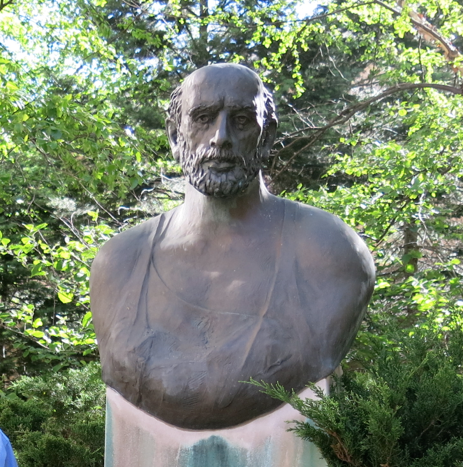
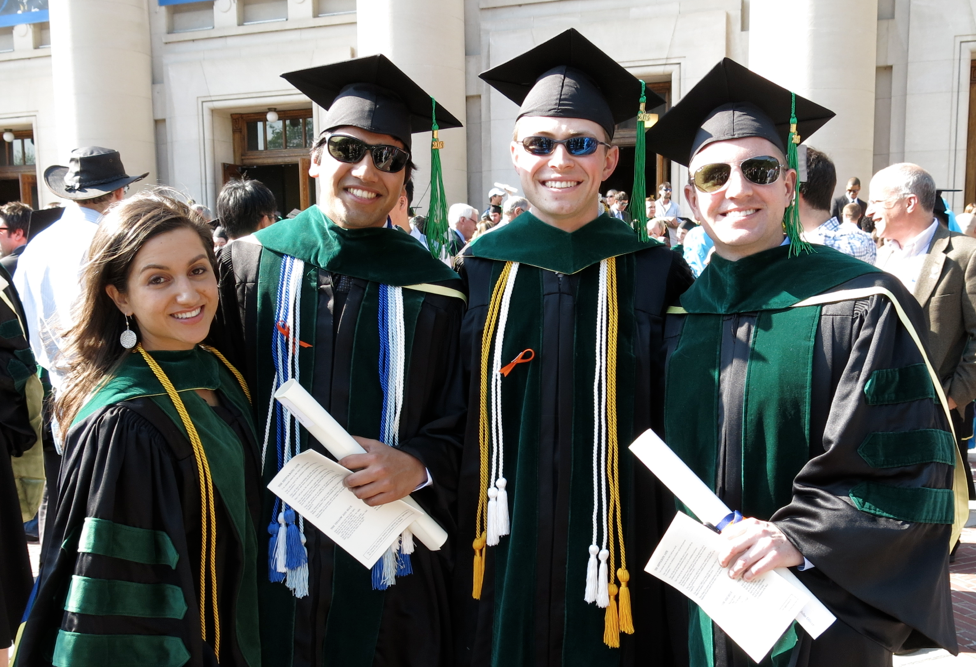
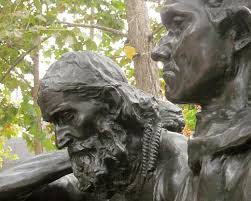
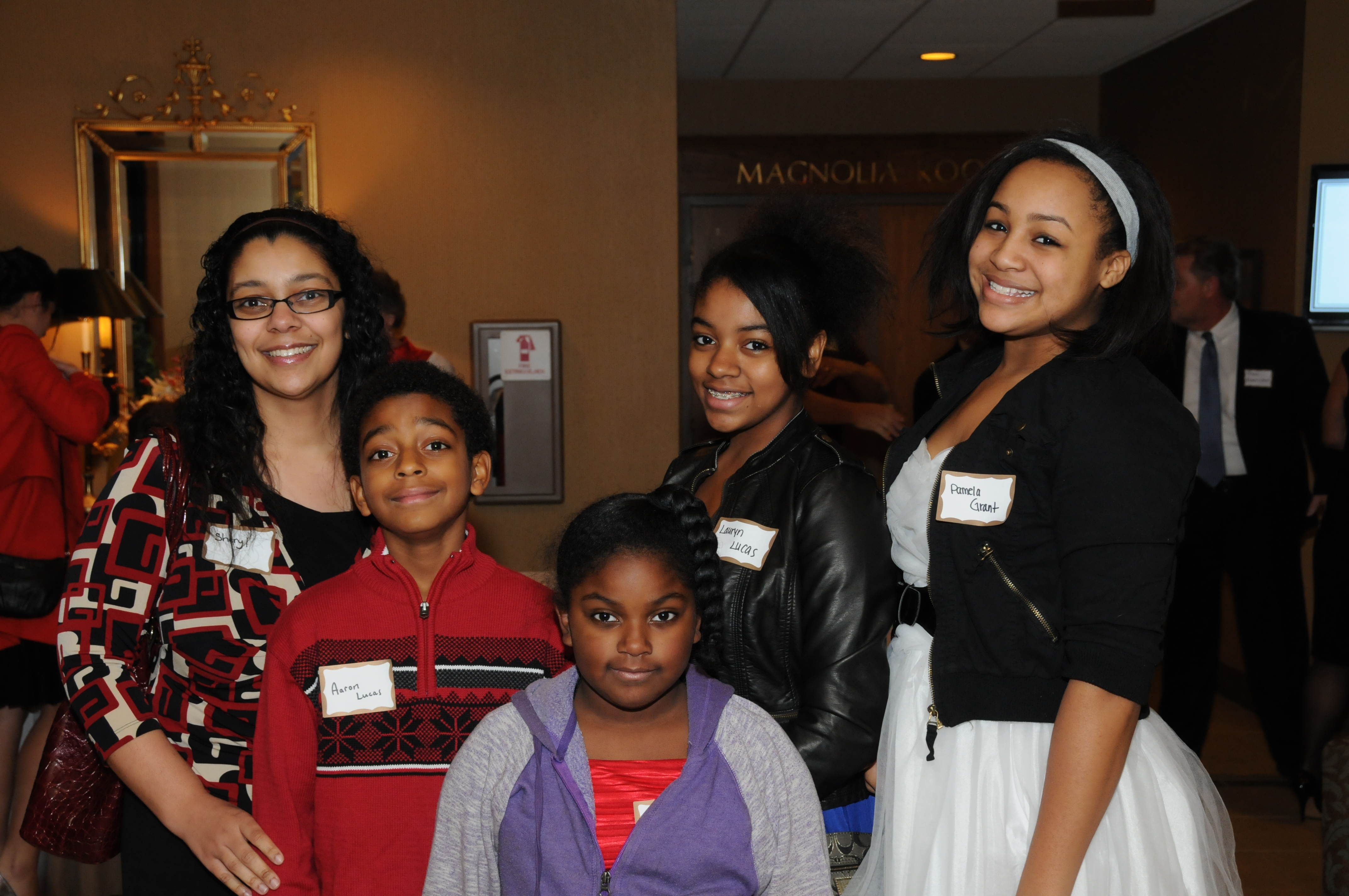
Hippocrates  Screen Shot 2015-04-29 at 3.59.14 PM

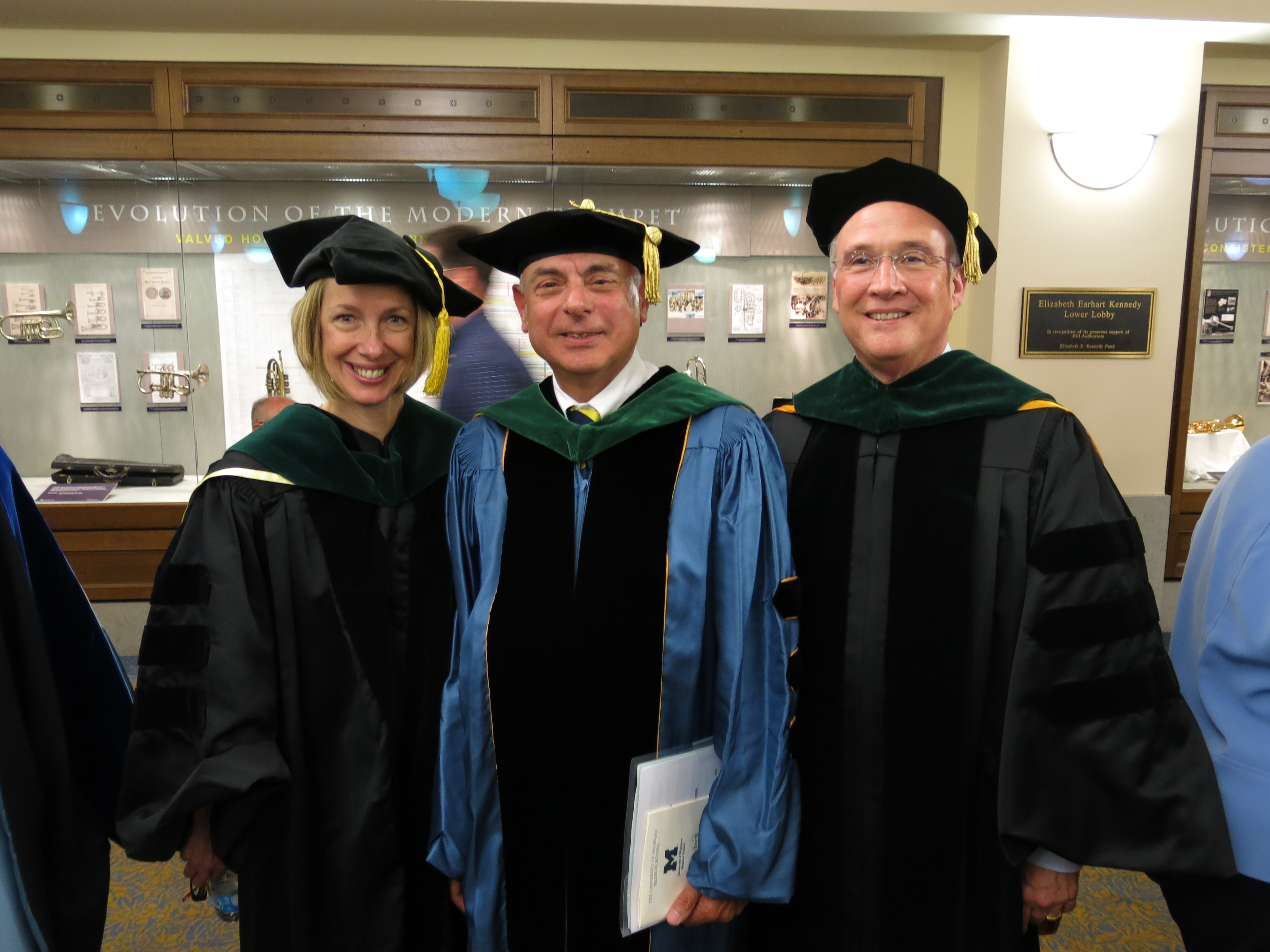
[Left: Hippocrates’ statue at UM. Right: UMMS graduates in 2013 who entered urology programs. Now, nearly PGY3s, they are halfway through residency. Sarah Hecht now at Portland, Nirmish Singla in Dallas, Adam Gadzinski in San Francisco, and John Delancey in Chicago at Northwestern]


2.          This May is also noteworthy for the AUA Annual meeting when our faculty and residents present their work in the intellectual marketplace of international urology. Michigan urology usually has well over 100 podium presentations, posters, and other prime time appearances. The national meeting is the place to hear new ideas, discover new technologies, extend our reputation, spot new talent for recruiting, as well as reconnect with our own alumni and friends. Sunday’s Reed Nesbit Reception hosts well over 100 of our alumni and friends annually, and we will report on this next month. What does the Hippocratic oath have in common with the AUA? Both are manifestations of professionalism, the medical arts at large and urology in particular. Professions have a long record throughout human history, the medical ones going back to healer-priests, the Hippocratic School, and the Company of Barber-Surgeons as examples. In professions societies recognize the specialized knowledge of groups of individuals and accords them rights to practice, educate themselves, set standards, and innovate. These rights are conveyed in the interest of the public. It’s hard to imagine how government or the business world could perform these functions as well and as efficiently as do the professions in this day and age with 150 areas of medical and surgical areas of expertise, to say nothing of dentistry, pharmacy, nursing, podiatry, much less all the many other professions in the complex tree of knowledge. There is no free lunch, however, and the cost for these freedoms is a social contract in which the professions must look out for the public interest if they are to maintain the public’s trust.


3.          The invisible hand that seems to maintain the efficient function of society is a useful metaphor that traces back to Adam Smith, if not before him. Some of that mysterious force is Darwinian and this is discussed nicely by David Sloan Wilson in a new book, Does Altruism Exist? Culture, Genes, and the Welfare of Others. He wrote: Group-level functional organization evolves primarily by natural selection between groups. This would explain evolution of the functional behavior of termite civilizations, bee colonies, and human society. The principle guiding hand in human society is hardly invisible and that is the hand of the ruling priest, king, or governing agency that sets laws and regulations to determine how people behave and how business enterprises work. A second factor, in addition to the regulatory laws, is at play in the commercial world and this is Adam Smith’s invisible guiding hand. Somehow the commercial world markets, largely and efficiently, regulate themselves. A third guiding hand comes from the professions, work groups that transcend mere jobs, to create cultures that set standards for their work, educate their successors, and fulfill expectations of the public. The profession of medicine has served human society from its earliest days and the Hippocratic Oath, dating back nearly 2500 years, is evidence of how a self-ordained profession can define its scope of work, declare its values, and pledge a set of behaviors in service to the public. Other professions have followed this model of an oath, although the Hippocratic remains the most durable and popular prototype.  


4.          Kipling a  Rudyard Kipling is well known for stories and poetry, but I was surprised to learn he authored the Ritual of the Calling of an Engineer and that it was first recited as an oath at the University of Toronto 90 years ago today. The idea came from professor H.E.T. Haultain of that university, who believed graduating engineers should have an ethical framework. The Quebec Bridge disasters were a motivating factor and Haultain, on behalf of the Engineering Institute of Canada, persuaded Kipling to write the words. Other professions also grapple with ethical responsibilities. The American Institute of Architects recently considered a petition to consider whether its members should be censured for designing solitary-confinement cells or death chambers. An article by Michael Kimmelman considered the ethical issue of humane prison design: “What are the ethical boundaries for architecture? Architecture is one of the learned professions, like medicine or law. It requires a license, giving architects a monopoly over their practices, in return to a minimal promise that buildings won’t fall down.”  [NYT. Critic’s Notebook. Feb 17, 2015. C1] The Institute rejected the petition, but the implication was clear that many members of the profession believe that the public deserves more than that minimalist promise of product stability. Codes of ethics and rituals bind people of like skills and interests together. Most professions derive their main value and meaning in relation to public service. It seems to be noble and virtuous for a profession to articulate and perpetuate its values and standards of service to the public. Ultimately, the professions exist at the pleasure of the public. When the public loses faith in the public service of a profession, that profession becomes just another business and a commodity. [Rudyard Kipling by Philip Burne-Jones. 1899. The Granger Collection NY. Public domain]


5.          Scale.  Our Department of Urology has reached a considerable size. When I joined the Section of Urology of the Department of Surgery, as it then was in 1984, I was the 6th faculty member and the only pediatric urologist. Now we have 5 pediatric urologists and a total of 37 regular faculty and 15 joint faculty shared with other departments. People ask: isn’t that too large a department? Or, how big should we be? The matter of size is important mainly from the point of understanding our mission and being able to execute it excellently. Our mission has three parts: education, research, and clinical care. However, from the mission derives our essential deliverable: kind and excellent patient-centered care, thoroughly integrated with education and innovation at all levels. This essential deliverable is both the milieu for deployment of our mission and our moral epicenter.


6.          From the educational perspective, an excellent urology department needs to deliver great urologic care in all facets of urology. To teach urology a team of faculty needs to be engaged in urologic practice. This requires a certain depth of faculty, that is a redundancy of personnel to manage complex and routine urologic conditions around the clock. For some subspecialties in urology, such as andrology, two faculty members may permit ample coverage, whereas in other areas a larger number is necessary. For example, we hope to establish a program to provide 24/7 urinary tract stone coverage, whereby a patient can receive state of the art management of a stone by a full-time stone expert. This will require a team of at least 5 endo-stone urologists plus their support team. If it takes around 7000 RVUs to support one urologist, the clinical activity to support such a team can be calculated fairly quickly.


7.          Another way to look at departmental size from the educational perspective is to consider the number of surgical cases necessary for a resident or fellow to become proficient at an operative procedure. The numbers vary among the facets of urology, whether pediatric urology, uro-oncology, pelvic-reconstructive urology, andrology or stone management. In the last example, we know that a minimum number of cases for a resident’s experience is 60 ureteroscopy cases, according to our certifying organization. The University of Michigan program of 4 residents a year for a 5-year training program, is organized such that those 60 cases are performed in the first two years of training, therefore we could calculate a need for a minimum of 120 ureteroscopy cases yearly. However, not all these cases are suitable for a novice, some cases will need to be performed mainly by faculty, and in many other instances a resident may not be available. Therefore it is no exaggeration to expect that a robust stone team should be performing at least 200-300 ureteroscopies per year. If it takes, let’s say, 5 clinic visits to generate one ureteroscopy, then a stone team might be expected to see at least 1000 – 1500 patients with stone disease a year. This type of back-of the envelope calculation could be extended to percutaneous nephrostomy cases, ESWL cases, or bladder stone patients.


8.          Yet another level of consideration of scale involves how many annual surgical cases are necessary to maintain proficiency. The average urologist in the United States performs less than 5 radical prostatectomies and less than 2 cystectomies annually. Because recent data (and common sense) correlates quality with volume, and it seems reasonable that a urologist who performs 30 cystectomies a year would be your preferred surgeon to someone who performs one a year, or one every other year. Thus a robust institution should deploy surgeons with robust volumes in their areas of expertise. The critical mass ensuing from a team of such surgeons, naturally would favor learning, teaching, and investigation worthy of a strong university. Decisions regarding size of an academic department are therefore most efficiently made within academia at the local level, recognizing that the history, geography, demography, economics, and politics of each institution, best determine its scale and destiny.


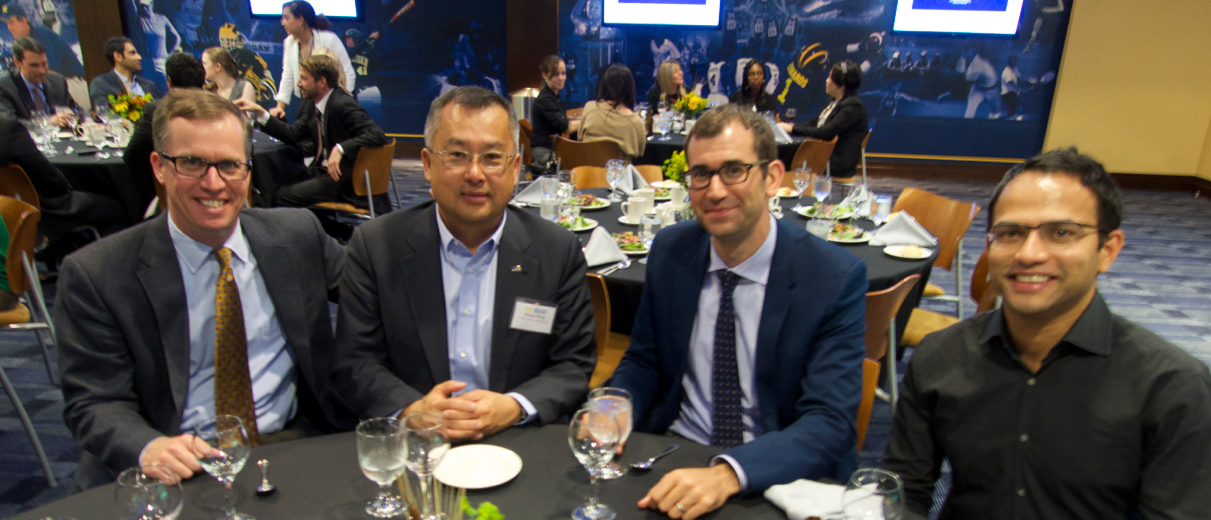
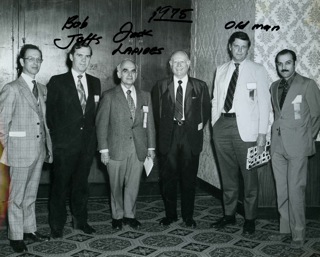
9.          Lapides & Lyon  Last month we mentioned Jack Lapides, Section Head of Urology here in Ann Arbor from 1968 – 83. Jack’s friend and contemporary Dick Lyon (seen second on your right and self-described as “old man.”) thereupon sent me this picture of Jack from 1975. In their era of practice a urologist was a generic general urologist. Few graduates of residency took fellowships, and most went out into practices that covered all aspects of urology. The world of urology has changed greatly since the days Lapides and Lyon, and considerable impact can be credited to their careers. Subspecialties have blossomed and Dick was one of the very first to identify with pediatric urology. Today it is most unusual in North America or Europe for a significant pediatric urology condition to be managed by anyone but a pediatric urologist, and this effect is diffusing throughout the rest of the world. A similar trend is forming for urologic oncology and neuropelvic reconstructive urology. The same subspecialization of labor is reflected throughout health care, other professions, and the workforce at large. This is an inevitable trend as knowledge accrues and technology expands.
 

10.       While May Day historically celebrates the generic laborer, we recognized this is quaint terminology. Modern cosmopolitan life includes all sorts of workers of all sorts of skill levels. A myriad number of occupations not only contribute to modern civilization, they are the basis of it. Each skill and each job has dignity and should offer further opportunity. The great challenge for government, public policy scholars, and economists is to expand employment and mitigate poverty. All people deserve a chance for meaningful occupation and fair compensation. The most problematic divide in the world today is not between working class and an upper class, or between blue collar and white collar workers. The greatest divide is between the impoverished and the rest of mankind. Lacking viable jobs with sustainable wages that include health care and other benefits of a civilized society, an impoverished sector tends to perpetuate a cycle of poverty with all its attendant maladies. Its members are less likely to contribute to society, more likely to require substantial assistance, and their neighborhoods are more likely to explode, as evidenced this week in Baltimore. As we celebrate all workers in all the many specialized jobs of today, we should recognize the obligation to extend decent employment as widely as possible while maintaining a fair safety net for those left behind. This should be the promise of civilization. 


Screen Shot 2015-04-29 at 4.26.20 PM [Medieval Uroscopist]


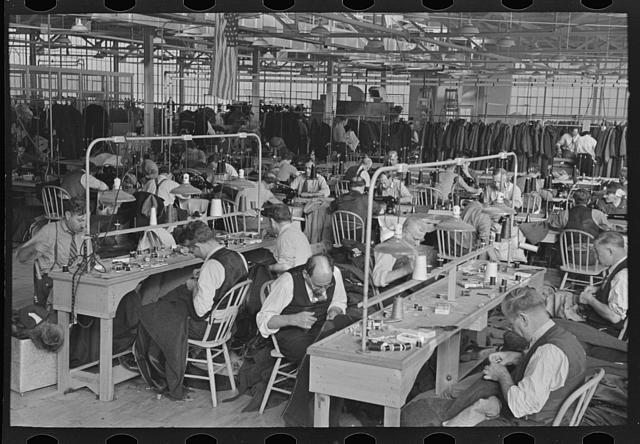
 Garment workers [Garment Factory Workers 1936. Photo Russell Lee, public domain. The Living New Deal Website]
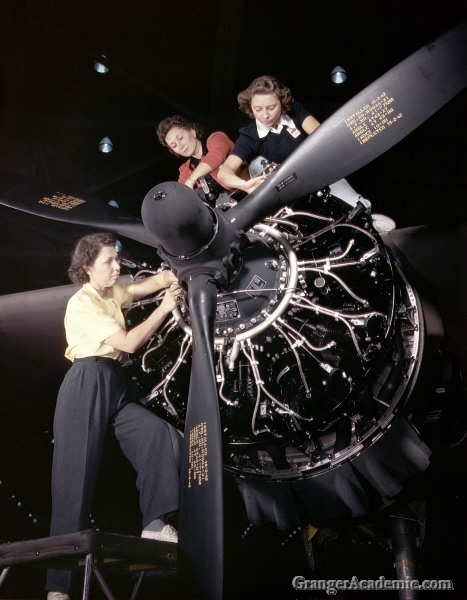
 

Airplane workers  [WWII: FACTORY, 1942. Women installing an aircraft engine at the Douglas Aircraft plant in Long Beach, California. Photograph by Alfred T. Palmer, June 1942. Granger Academic]


Post script  (introduction from 2013)

Clues to predict the future have been highly prized throughout the millennia of human history, especially so when the future is related to prognosis of disease and disability. External cues from the heavens, in the weather, via tea leaves, or with playing cards have played major parts in the prediction of health. The logic of using more immediate evidence from physical signs or bodily fluids was evident to early practitioners of medical arts. Humans share the trait with other mammals of daily personal interest in their urine, for example, and its scrutiny during illness was obvious. Hippocratic writings documented uroscopy, as it came to be called, 2500 years ago and over the ensuing centuries the practice elicited imaginative prognostications as healers identified as uroscopists examined the gross characteristics of urine in flasks called matulas and speculated on the course of illness. The visual image of a “piss prophet” gazing at a matula served as the main symbol of physicians in art until only about 200 years ago when the stethoscope replaced the flask as medicine’s badge of office. We begin this electronic journal with a respectful tip of the matula to that original essayist Michel Eyquem de Montaigne who began his eclectic personal observations around 1572 when he was around 39 years of age. It is likely that Montaigne was well acquainted with physicians and matulas, as his father purportedly died of urinary stone disease and Montaigne himself began to suffer from them in 1578. What impulses compel us humans to share our observations and thoughts may someday be revealed through the matula’s diagnostic successors such as the MRI and other marvels of imagination, but there is no arguing that those impulses are strong and prevalent in our species. This blog (finally, I have used the awkward term) is a new forum for the monthly email broadcast I called “What’s New” that I started in 2007 in our Department of Urology at the University of Michigan and with the help of friends have continued regularly since then. These little spaces and sentences will be filled by things that a.) catch my attention and b.) I hope will interest some readers. For the most part this will be an alternative space and presentation of “What’s New.”


Best wishes, and thanks for spending time on Matula Thoughts.

David A. Bloom

v\:* {behavior:url(#default#VML);}
o\:* {behavior:url(#default#VML);}
w\:* {behavior:url(#default#VML);}
.shape {behavior:url(#default#VML);}

0
0
1
2820
16079
University of Michigan
133
37
18862
14.0

Normal
0
false

false
false
false

EN-US
JA
X-NONE

/* Style Definitions */
table.MsoNormalTable
{mso-style-name:”Table Normal”;
mso-tstyle-rowband-size:0;
mso-tstyle-colband-size:0;
mso-style-noshow:yes;
mso-style-priority:99;
mso-style-parent:””;
mso-padding-alt:0in 5.4pt 0in 5.4pt;
mso-para-margin:0in;
mso-para-margin-bottom:.0001pt;
mso-pagination:widow-orphan;
font-size:10.0pt;
font-family:Cambria;
mso-ascii-font-family:Cambria;
mso-ascii-theme-font:minor-latin;
mso-hansi-font-family:Cambria;
mso-hansi-theme-font:minor-latin;
mso-fareast-language:JA;}
Matula Thoughts April 3, 2015

Michigan Urology Family

Toolkits & tornados (3916 words)


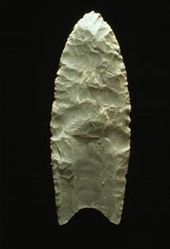
1.   170px-Clovis_Point With April we emerge from wintry mindsets ready for the challenges of spring and summer ahead. Once upon a time these challenges were mainly matters of hunting, gathering, and the immediate issues of survival. Today we take our food, shelter, and security largely for granted; although this holds true for most readers of this electronic column it does not pertain for all of our neighbors. This April finds us with substantial national concerns related to poverty, economy, academic health care, and more fearful existential geopolitical and climactic anxiety for civilization’s survival. These fears are offset to some extent by the excellent human toolkit we have assembled. We have a strong track record as an inventive species building this toolkit, extending back to the Clovis blade seen above (radiocarbon dated 13,200 to 12,900 calendar years ago), a big step in its time for hunting, butchering, murdering, or trimming long beards. At risk of being excessively self-congratulatory as a species, no one can deny that the human ability to formulate ideas and innovate technology is astonishing. The best purpose of such progress, its meaning whether you view our history through a theological lens or a cosmopolitan perspective, is to improve the human condition. Facial appearances, visible testimony to the human condition, have improved along the way since the rough work of early stone blades. On this particular day of the year (3 April) in 1973, Francis W. Dorian, Jr. patented a “dual razor assembly.” Shaving is a pretty widespread human activity, and with nearly 4 billion people on earth in Dorian’s time, you might wonder how it was that he was the one to seize the day with that clever innovation. Nevertheless, he did it and his ingenuity was rewarded. The idea of a patent is to provide an inventor some protection to the sole use of his or her invention before it becomes freely available to the public. Government thus protects innovators for a limited period of time and thereby enhances conditions favorable to further innovation. The first English patent, coincidently, dates back to this same day (3 April) in 1449 in England when John of Utynam was given exclusive privilege by King Henry VI to a specific method of making colored glass. Patent protection was a valuable addition to the human toolkit. [Picture: Clovis fluted blade. 11,000 years old, Copyrighted image – Government of the Commonwealth of Virginia Department of Historic Resources]


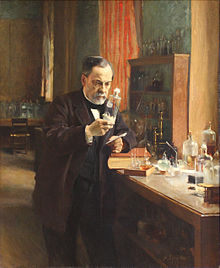
2.   Pasteur in lab Pasteur used to say, (and Jack Lapides head of Michigan Urology from 1968 – 1983 repeated this phrase often) “chance favors the prepared mind.” Pasteur probably said something like this many times to people in his labs or to his students, but the historically documented quote came from a lecture at the University of Lille on December 7, 1854: “Dans les champs de l’observation le hasard ne favorise que les esprits prepares.” Many of Pasteur’s ideas, on topics as wide ranging as the germ theory of disease and religion were viewed as heretical by some, but his native country respected free speech, liberal inquiry, and peer review thus allowing the best of his ideas to grow and yield even further innovations. Thankfully, no self-righteous hardliners killed him in his lab or on the street and he lived a full life of amazing contribution to humanity. Pasteur criticized the fashion of compartmentalizing types of “science” thus anticipating the beautiful concept of consilience, the unity of knowledge, that E.O. Wilson espoused well over a century later. In 1871 Pasteur wrote (in translation): “There does not exist a category of science to which one can give the name applied science. There are sciences and the applications of science, bound together as the fruit of the tree which bears it.” In this light, the stern separation of basic sciences from clinical sciences in medical school curricula must be viewed skeptically.

Lapides_2

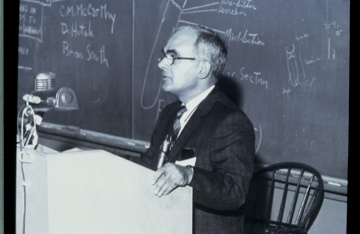
Jack Lapides, seen above, was of a similar mind as Pasteur to challenge conventional wisdom and investigate portions of the world that interested him. Many ideas of Lapides have stood the test of time and his concept of clean intermittent self-catheterization (CIC), that went abruptly against the grain of conventional wisdom in his day, proved to be a revolutionary breakthrough that changed the lives of countless people (you could easily estimate the number in the millions) and opened the door to complex urinary tract reconstruction. Our friend and colleague Bernie Churchill at UCLA has often said that if there were a Nobel Prize in Urology, it would certainly have gone to Lapides for CIC. We have had a paper in progress for nearly a decade on Lapides and hope to complete it soon and then find a place for publication, although that latter issue may prove the greater challenge. [Illustrations: Pasteur in his lab and Lapides in the lecture hall]


3.   Knowledge, the substrate of human progress, leads to technology, a signature feature of the human condition. Over time rock-scraping tools became knives that in turn became spears and bow-propelled arrows. Within a countable number of intervening centuries the Swiss Army inspired a universally handy knife and Steve Jobs came along with the iPhone – both of these innovations are in my pockets everyday. Rather than stained glass technology or better razor blades the intellectual products of academic medical centers align to clinical practice, education, and discovery. Our Department of Urology well understands that the generation of knowledge and technology are at the core of our mission. The fusion gene in prostate cancer discovered by Arul Chinnaiyan and his team, and the histotripsy concept and technology (first clinical trials now successfully completed) of Will Roberts and his team are stellar examples of success at Michigan. Physicians are naturally curious about normal biologic function and investigation of normal biologic function and want to investigate pathology of disease. We satisfy that curiosity and investigate infirmities in clinics, at bedsides, in operating rooms, in laboratories, in datasets, in conferences, and in thought experiments. As Pasteur anticipated in his comments on categorization in science we should use the term clinical research more thoughtfully. Clinical has come to imply immediate practical utility for patient care. Research is an approach to discovery using observation, hypotheses, reproducible methods, analysis, and experimentation in many instances. We call this way of thinking science, and validate the discoveries that come from research by peer review and further testing. Some narrowly claim that any worthy research is hypothesis-driven research or randomized clinical trails (RCTs). Such investigations are important to be sure, but not at the expense of raw curiosity, observation, trial and error experimentation, and other methodological study. RCTs work better for drugs in rats than the ever-changing milieu of clinical medicine, and newer approaches such as adaptive design trials are necessarily coming into play. Major breakthroughs ahead of us in knowledge and technology are likely to come from unexpected and unorthodox sources and methods. We should be seeking them and incubating them.


4.   What specifically do we want from clinical research? We want better understanding of biology and pathology so as to treat human disease and disability. We want better operative procedures and other therapeutic regimens, including clinical pathways and systems to manage episodes of disease. We want better healthcare delivery platforms and systems. We want better access to care for all people. We want better understanding of the health care workforce and better ways to match it to the needs of people. We want better pedagogical systems for all aspects of the workforce. We want better public health. We want better safety – in healthcare settings, in homes, in the workplace, in transportation, and in food. We want better disaster preparedness and management. All of these things relate to clinical research, including our world of urological clinical research.


5.   Twisted lip My comments last month about panhandlers, homelessness, and hunger generated interesting feedback (forgive the double entendre), especially from a few sources of wisdom including Martha Bloom & Julian Wan. The local impact of these problems is visible almost every day on some streets in Ann Arbor, and even more so in larger cities. Mental illness, a huge problem in society, crosses all socioeconomic levels, yet at the lower end of the spectrum mental illness and substance abuse are major factors in the dysfunction of homelessness. Julian reinforced the idea that “not all panhandlers are homeless” pointing out that this is not a new idea. In 1891 Sir Arthur Conan Doyle published the Sherlock Holmes story of The Man with the Twisted Lip built around the idea that a country gentleman, Neville St. Clair, supported his lifestyle by posing as a destitute beggar in London. [Sidney Paget illustration in “The man with the twisted lip.” The Strand. December, 1891. Original caption: “He is a professional beggar”] Also, referring to last month’s Four Freedoms, Julian noted the importance of freedom from social restrictions that has attracted scientists and engineers from other countries to the U.S.A. “not just because of the earning opportunities” but also because they are less constrained by professional and social strictures than in their native countries. This last point is worth considering further. Social and professional strictures are intellectual tools necessary for 7 billion people to get along efficiently and fairly. At issue is the degree of constraint and acceptance of them by those so constricted. For us in western medicine, the Hippocratic Oath is widely accepted, comfortably self-imposed, and meaningful. On the other hand we find regulations that at one extreme may demand certain doctor-patient discussions (e.g. conversations regarding screening tests or surgical procedures) be held and documented in the medical record, while at the other extreme specific discussions such as abortion may be unacceptable or even illegal in some jurisdictions. Few would argue, however, that clinical suspicion of child abuse demands mandatory reporting.


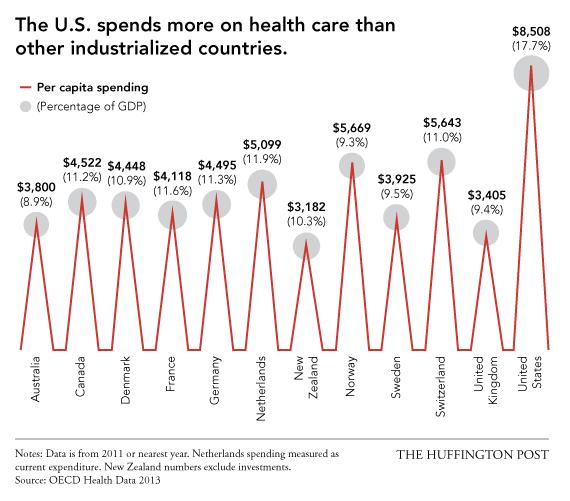
6.   Steven Brill’s new book, America’s Bitter Pill, was discussed last month in these columns where I opined that the Affordable Care Act’s (ACA) main effects are here to stay for a while, but may not be sustainable in the long run. The market, the academic community, and the government will inevitably offer up new ideas and experiments. Some may even be good. I read the book word-by-word, but you could save time by going to Brill’s final chapter, Stuck in the Jalopy, his metaphor for America’s healthcare system. He lauds the main intent of the ACA – extending the reach of healthcare to the people in the United States of America. Brill thinks we are destined to spend 16-20%, of the national gross domestic product (GDP) on healthcare. He believes the ACA will further increase the percentage “as employers continue to increase deductibles and blame it on Obamacare.” The government’s share of costs for protecting those without employer-based coverage will also keep rising. He writes: “Expanded Medicaid coverage and expensive premium subsidies will be only partially offset by the taxes, fees, and Medicare savings extracted in those deals with industry.” Yes, millions of Americans now have healthcare coverage with the ACA, but millions of others still do not. Furthermore, many millions, particularly those in the middle class, will continue to struggle to retain healthcare and strain to manage their premiums, co-pays, and other shifted costs. Healthcare, in the ACA paradigm, may be terribly unaffordable for many in the middle class – the part of America that is the engine of its economy. I can’t be very positive regarding Brill’s actual writing. His simplistic solution to our looming national problem consists of 7 “proposed” federal regulations to “free up” the private systems. His questions to President Obama in the appendix struck me as an embarrassment. Nonetheless, Brill provides a thorough narrative of a complex and important topic with careful references and supporting footnotes.


7.   Last month in our Departmental What’s New communication, organized by John Wei, we heard about the yearly Urology Joint Advocacy Conference (JAC), a yearly visit to talk to congressmen and staffers. This year Jim Dupree, Gary Faerber, Kate Kraft, Julian Wan, and Start Wolf joined the conference and gave us their observations in What’s New. High on the agenda for nearly 20 of the 30 years of the conference has been the topic of a “fix” to the sustainable growth rate (SGR) issue I mentioned here last month. This is just one of a host of broken parts in Brill’s “Jalopy of Healthcare.” Maybe a bi-partisan fix is finally at hand.  Next year’s JAC will be February 28-March 1, so consider joining in. Talk to our participants from this year. It is inescapable to me that we will be able to manage healthcare in the intermediate or long-term future without a more robust public system, in competition with the private sector just as we have an effective public postal system (yes, Post Office spends more money than it makes, just like the Department of Defense, the Public Health Service, Housing & Urban Development, and the State Department, that all serve the public interest).  The mail analogy is useful. Our Post Office works better because of UPS and Federal Express. And vice versa. The public has options to mail a letter or package practically anywhere in the world. The competition benefits the consumer and keeps each organization relatively lean and honest. If the Post Office were our only option, or alternatively if Federal Express or UPS were the sole supplier of mail services, the public would not be served as well as it is now because of competition. Similarly, national healthcare needs a variety of tools for a variety of conditions – economic conditions, disease conditions, social conditions, and public health. Our VA works pretty well, the Federally Qualified Health Center (FQHC) model works pretty well, and a few public hospitals still function. Public options (a loaded phrase, I know) will ultimately have to expand in number and variety to provide full and fair national coverage as well as to manage costs. In fact, if these are not grown thoughtfully and robustly, the entire private system and our economy remain at risk for a wholesale collapse and unfortunate replacement by a single payer national system. The real competition we need in national health care is not, as many like Brill suggest a matter of Aetna, Vs. United Health, vs. Cleveland Clinic etc. The needed competition is that of those versions of the private sector (“nonprofit” & “for profit”) against other very different models including systems in the public sector.  Government, the private sector, and the world of non-governmental organizations (NGO) in concert and under sensible ground-rules can supply all healthcare needs excellently, equitably, innovatively, economically, and safely. Our problem is how to put this altogether to create a giant Swiss Army Knife for the healthcare of a nation.


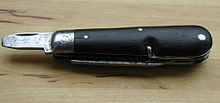
8.   220px-Wester_&_Co_2 The Swiss Army Knife actually began as a folding pocket knife with a screwdriver for disassembling the Swiss service rifle and a tool to open canned food. Karl Elsener began to make this new type of pocket knife in his cutlery workshop in 1884 in Ibach-Schwyz, but his tinkering lasted 6 years before he came up Modell 1890, shown above. The army liked it. No Swiss company had production capacity at the time and the initial 15,000 knives were delivered by Wester & Co. in Solingen, Germany, in October, 1891, although in time Elsener was able to manufacture the knives in Switzerland. Competition ensued in 1893 when the Swiss cutlery company Paul Boéchat & Cie, (which later became Wenger) also received a contract to produce the knives. Elsener used the cross and shield to identify his product and in 1896 Elsener figured out how to attach tools to both sides of the handle via an innovative spring mechanism. In 1897 an Elsener knife included a second cutting blade and corkscrew that was patented as The Officer’s and Sport Knife, separate from the military contract. After Elsener’s mother Victoria died in 1909 he renamed the company Victoria. In 1921 his company began to use stainless steel (known by the French term acier inoxydable, or inox for short) in the knives and the company was renamed Victorinox. Victorinox and Wenger continued to split the military contract and by agreement the Victorinox product was called the Original Swiss Army Knife and the Wenger was the Genuine Swiss Army Knife. Ten years ago, in April 2005, Victorinox acquired Wenger and again became the sole supplier to the Swiss Army. The two separate knife brands, however, were not merged into a single brand until 2013. The Swiss Armed Forces still issues uniform Soldatenmessers (soldier knives) to all its members. A model incorporating corkscrew and scissors was also produced for officers, but because these additional items were not deemed necessary for survival, an officer was left to purchase the upgrade individually. Recognized by the Guinness Book of Records as the world’s most multifunctional penknife, The Giant, includes every tool ever used in Swiss Army Knives with 87 devices that fulfill 141 different functions. The price is around $1000. Although I am a devotee of Swiss Army Knives (in spite of TSA’s determination to relieve me of them) I don’t have a Giant, and actually prefer the more compact Executive.

1024px-Soldatenmesser_08-2

[Soldatenmesser 08, the knife issued to the Swiss Armed Forces since 2008]


9.   Spring with its longer hours of sunlight and daylight savings time brings seasonal downsides that include tornado season in the Midwest. Of course, every season and geographic location has its particular geologic and climactic vulnerabilities, but in Ann Arbor we live at the mercy of the tornado belt, although luckily just at its edges.

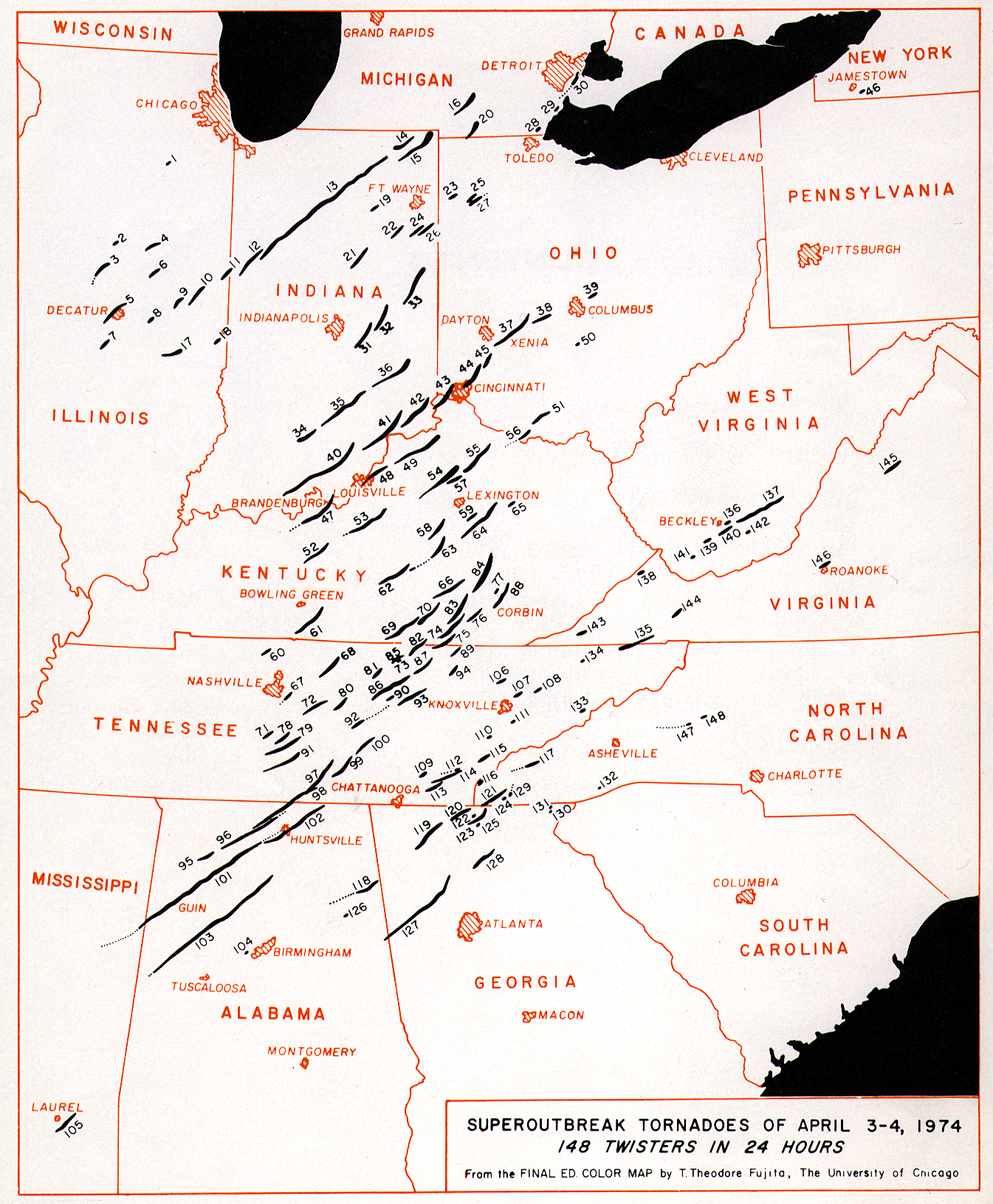
1974 super outbreak

[1974 Super Outbreak]

In 1974 North America’s biggest tornado outbreak in recorded history occurred on this day [pictured above]. That Super Outbreak lasted 18 hours with 148 confirmed tornados and a death toll of 315, with nearly 5,500 injured. This was surpassed in 2011 April 25-28 with an outbreak over 3 days and 7 hours, 355 confirmed tornados, and 324 dead. Whether or not anthropogenic climate change is causing more extreme meteorological events will take some time to know, but there is no doubt that extreme weather conditions will continue to wreck havoc.

Severe-Reports

[Kansas City weather report April 27, 2011]

The human tool kit fortunately includes predictive models for weather. Wind, rain, snow, and ice can be treacherous so some warning is helpful. Extreme cold and heat annoy us and push up energy bills, but temperature can be lethal for the more vulnerable people out on the streets. Last month we mentioned that the biennial count of Washtenaw County’s homeless population (performed by outreach workers and community volunteers this past January 28) found 80 unsheltered people sleeping outdoors on the day of the count. While a sad fact, this was less than half the number counted 2 years earlier in 2013 (133), perhaps indicating a positive trend according to the Washtenaw Housing Alliance. The accuracy of climate prediction is steadily improving due to refinement of climate models. [Illustrations: Wikipedia. I did my $100 donation this year and hope a few of you readers also help keep it afloat.]


10.  Ideological tornados – tiny and huge. The human toolkit is heavily leveraged to technology, but civilization and our humanity are no less enhanced by the study of what we are, the human condition if you permit the phrase again, through the study of history, literature, and the arts. Some ideas in the human toolkit, while disruptive, have been revolutionary in a positive way leading to a better world as most people would view it. Inevitably, retrograde ideas and schools of thought perpetually challenge our better nature.

•   I’ve recently come to loggerheads with our own journal, the Journal of Urology, established in 1917 and still owned and managed by our profession, the American Urological Association. The journal rejected a paper I wrote and researched with Clair Cox (UMMS 1958, former Chair of Urology University of Tennessee), along with a journalist we encountered in our investigations. The paper was not even sent out for review but was summarily dismissed on the grounds that it was “history.” Our paper explored the reasons for the creation of the first formal national office of the AUA and the interwoven story of the urologic roots of Graceland when it was sold to Elvis. The story is interesting, was largely untold, and required research to discover it. Please don’t view my take on this rejection as a whiny complaint – my emotional balance and career don’t hinge on this publication. I understand that “history papers” in scientific literature may not budge impact factors or subscription rates. Furthermore, I recognize that much previous work in this area has been viewed as “lacking rigor” or has been “celebratory history” (on the assumption that celebration has little merit). On the other hand, few can claim that all “original research” has been worthy. We have seen plagiarism, manipulated data, erroneous conclusions, and undisclosed conflicts of interest, too often. It seems self-evident that all submissions of urological inquiry deserve a chance for peer review by our own journal and by our professional community. Our past is important, our story of urology is important. I suspect this present phase of turning a blind eye to history will fall away to larger and more liberal views within our microcosm of urology (until now our journal over its past 100 years has had a small but rich sprinkling of papers relevant to urology’s history).

•  It’s one thing to disrespect the past, but quite another to purposefully try to obliterate it. Without intending to draw too fine a point of comparison, one finds this trend echoed throughout the world today (and maybe throughout the history of mankind) from small examples such as my complaint to far more sinister levels. The emerging caliphate in the disintegrating nations of Syria and Iraq offers a salient and horrific example, the purposeful destruction of cultural remnants of the past deemed irrelevant or at odds to its fixed apocalyptic vision. Having brought this separate issue up I can’t quite let it go, for it is a geopolitical tornado of the moment. If you want to understand this particular disfigurement of the human condition you might look at Graeme Wood’s article last month in The Atlantic: http://www.theatlantic.com/features/archive/2015/02/what-isis-really-wants/384980/

Wood contends that the so-called Islamic State is no mere collection of psychopaths, it is a religious group with carefully considered beliefs among which are ‘amr – the legitimacy of having territory – and its key agency in “the coming apocalypse”. These beliefs are fixed on an ancient utopian theology intolerant of the progress of ideas that ensued over 1000 years since its 7th century origins. In contrast to Wood, an opposing point of view by Mehdi Hasan “How Islamic is the Islamic State?” in The New Statesman [10 March 2015] argues that it is wrong to view this self-declared state as Islamic. However one views this belligerent group, it does have a central theological claim and an ambitious geopolitical agenda that threatens not only its immediate region, but also the rest of the world. History and current events demonstrate that theologically-based intolerance is hardly a novelty of the Islamic State. Those of us who view the best expression of the human condition in terms of democracy, personal liberty, equality, free speech, education, opportunity, innovation, cosmopolitanism (multicultural society), founded on a basic respect for human rights, and dignity seem to be on the defensive today. Yet as these big ideas have been percolating throughout civilization since that first Clovis Blade, challenges and atavistic regressions have always been at play, testing man’s better nature. These regressions, in a Darwinian way, have ultimately put finer points and better details on Mankind’s best beliefs, and history should reassure us that this trend will continue.

[Ideological tornado. Map courtesy of Institute for Study of War showing territory under caliphate control and areas it has attacked as of March 4, 2015.]

ISIS_Sanctuary_Map_with captions_approved_lo


Best wishes, and thanks for spending time on “Matula Thoughts.”

David A. Bloom


Matula Thoughts March 6, 2015

Matula Thoughts, 6 March 2015 

Seeing ourselves, health care, & other thoughts. 

3486 words


Screen Shot 2015-02-28 at 11.06.59 AM

1.    By March, winter has pretty much worn out its welcome in Ann Arbor. Strictly speaking it’s officially spring in 15 days, although it hasn’t been feeling that close. Nevertheless, we muster on contending with polar vortices by means of central heating, L.L. Bean fleece, March Madness and comfort food. On this particular day, March 6 in 1943, the Saturday Evening Post published Norman Rockwell’s illustration Freedom from Want. Although the illustration might have seemed more suitable for a Thanksgiving issue, the work was number three in his Four Freedoms series. Rockwell’s oil paintings were inspired by Franklin Delano Roosevelt’s 1941 Four Freedoms State of the Union Address. Rockwell actually started this particular painting in November 1942 depicting his friends and family at their Thanksgiving. The other end of the spectrum from Rockwell’s idyllic scene is the image evoked in a report I saw recently from the Bangweulu Wetlands in Zambia on the unintended use of mosquito nets for fishing where:  Out here on the endless swamps, a harsh truth has been passed down from generation to generation: There is no fear but the fear of hunger.  [Gettleman NYT Jan 25, 2015 p.1]  

 Freedom_from_want_1943-Norman_Rockwell

2.    Freedom from want is a timely theme. During these cold wintry days, it is discomforting to cross paths with panhandlers on our streets. How do we each respond, knowing that many panhandlers have terrible life stories and are at their wits’ end without resources for the next meal or warm bed? (Yes, many of them are clever enough to make a living on the street and a few actually retreat to their own abodes to sleep at night). It is important to realize that most homeless people are not panhandlers and that not all panhandlers are homeless. Furthermore, mental illness is a pervasive condition among panhandlers and the homeless. Most experts on homelessness agree that handouts to panhandlers are not a good solution for homelessness, hunger, and mental illness; a set of community solutions is vastly preferable. University towns like Ann Arbor provide good environments for panhandlers who can turn streets full of students into their workplaces. Still, many of these people are truly homeless and hungry – so how do you and I face those who confront us directly with their need? It is a personal dilemma. I often point them to the Delonis Center, only a few blocks away as a resource that offers decent food, shelter, and a pathway out of homelessness. Many of us in the community support Delonis, but its capacity is stretched and some who need shelter and services are adverse to it for varied reasons. The failure of our society in the industrialized world of 2015 to provide food, security and decent shelter to all its citizens is troubling. Health care is as basic “a need” as food and shelter and most of those folks on the street are incapable of attending to their basic health needs. One measure of our humanity is the sense of empathy that allows us to see ourselves in the faces of the needy who confront us. The great religions value empathy, our most respected leaders throughout time displayed empathy, and mankind’s greatest thinkers argued for it, notably in my mind Adam Smith in his opening sentence of the Theory of Moral Sentiments. Yet, we must be constantly aware for ourselves as we gain privilege and power, that power diminishes empathy. When we lose the recognition that the homeless and the panhandlers are in a real sense our doppelgängers we lose much of our humanity.

3.    Homelessness and hunger are invisible to us most of the time in our busy lives in clinics and operating rooms, contending with hospital capacity issues, residency education, MiChart, RVUs, regulatory mandatories, grant deadlines, and the rest of the broth of clinical and academic medicine. A recent Lancet editorial [The Lancet 384:478, 2014] and series [Faizel, Geddes, Kushel The Lancet 384:1529, 2014 and Hwang & Burns  384:1541, 2014] dealt with homelessness, noting that on any night in the USA and Europe around 1 million people are homeless (median age is 50 years). And what about the Middle East, South America, Africa, and Asia? In our own Washtenaw County, the federally-mandated count on a cold day this January found 307 sheltered and 80 unsheltered homeless people. Of the 387 that day: 52 were children, 94 had severe mental illness, 44 had chronic substance abuse, and 34 were victims of domestic violence. Chronic homelessness accounted for 71 of the total and 29 of the 387 were military veterans. Homeless people, just like us luckier ones, may suffer from multiple morbidities, infectious and noninfectious, including all of the genitourinary disorders that we urologists manage. Yet, most of the homeless are well outside networks that feed into our health care system. The Affordable Care Act (ACA) made inroads into this underserved (or unserved) population, but better models and systems of health care are needed if we hope to truly mitigate freedom from want and provide basic humanitarian services fairly. At the personal level, it’s unrealistic to expect most of us in academic medicine to volunteer in soup kitchens or hand out blankets and socks on the streets. Clinical work is demanding and our environment heaps on additional burdens such that few of us work less than 80 hours a week. However, our community offers a variety of philanthropic opportunities that can use our dollars and leadership just as handily as direct labor. So if you feel some moral traction when you pass by a panhandler, rather than handing over cash (that may or may not be used well), look further (and point them to) resources in our community that help the homeless, hungry, and uncared for – the Delonis Center, the Packard Clinic, and others. If these resources are inadequate, help make them better.

4.    Steven Brill’s book called America’s Bitter Pill was a follow-up to the focused issue of Time magazine he wrote, and I discussed, 2 years ago in these columns. I read the book word-by-word, including the appendix and footnotes. Brill frames the story well and reasonably fairly. Replete with detail as to the historical background of healthcare economics in the USA, Brill takes the reader from March 2007 when the ACA started to take shape as an idea to a year ago in April 2014 when its implementation was in full swing. Much of American health care is the envy of the world, in terms of medical education, residency training, research, and innovation. Yet we are also rightly and severely faulted (often by ourselves) for failure to provide equitable care, for our costs, and for our results. Brill is a journalist and between his Time issue and his new book he experienced a catastrophic illness that gave greater nuance to his reporting. On April 4, 2014 he underwent repair of an expanding symptomatic aortic aneurysm at Cornell. He praised the doctors and the staff, but disparaged the administration of the hospital. His repair and 8 days in the hospital cost $197,000 – and he says it was worth every penny of it, to him. The politics and sausage-making deals with the hospital industry, insurance industry, pharmaceutical industry, and device industry are not pretty. The sausage, by the way, was pure pork. Effectually absent from the bargaining table (and thus on the menu) were the consumers, health care workers, health care scientists, and the educational community of healthcare. Representing the consumers (that is, the public who otherwise were never at the bargaining tables) was the basic structure of the ACA which was totally modeled on Romney Care and its triple intent. These three legs have been variously stated, but they boil down to these:

a.) expanding healthcare coverage throughout the nation;

b.) continuation of an “insurance-based” system that remains employer-funded, private pay funded, & government-funded; 

c.) abandoning the constraints of pre-existing exclusions & life-long limits of coverage.

Kicked down the road was the matter of cost, which inevitably will rise with expanded coverage, enormous subsidies, and corporate protections (future “give-backs” from industry notwithstanding). It was pure speculation to assume that costs will drop after ACA implementation due to less waste, electronic record implementation, bundling of services, improved safety, better “quality” and the “give-backs” of industry. Just about a year ago the federal exchange, HealthCare.gov, was resurrected (in large part with help from Google experts) after its disastrous initial launch. Given that healthcare has become such a massive part of our economy, no single fix, even as complex as the ACA is likely to solve the main problems. Furthermore in the unlikely event of totally disabling the ACA, the negative impact on health care and the larger economy would be unimaginable at this point. Inexplicably, Congress’s flawed 1997 Sustainable Growth Rate (SGR) law that linked Medicare’s relative value units (RVUs are measures of clinical work) to changes in national gross domestic product (GDP) was not addressed in the ACA. This law has now been “put off” by last-minute Congressional “fixes” 17 times. As for my position on these matters, I am a believer in social objectives of the triple intent that underlies RomneyCare, ObamaCare, the ACA, or whatever label you want to throw at it. Few reasonable people doubt that the pre-existing state of health care was unsustainable. Nevertheless, Brill’s book with its collection of leadership lapses, bungled technology deployment, management failures, turf battles, political grandstanding, closed-door deals, corporate greed, personal tragedies, and more, is not inspiring. The ACA may be ultimately so complex, so flawed, and as yet so indeterminate that it will prove to rival the injustice, personal pain, and unsustainable costs of the pre-existing state of heath care. Time will tell. I’ll give what I think is the bottom line on Brill’s book next month. Meanwhile, I believe the ACA’s main effects are here to stay for a while (we will learn what the Supreme Court thinks about the “four word mistake” in the law), but are not sustainable in the long run. The market, the academic community, and the government will inevitably float new ideas and experiments. Some may even be good.

5.    Ultimately, the idea of funding a nation’s health care mainly on an insurance model is not sensible. Basic health care is a human right; people need health care from before birth until death. Furthermore, universal health care is in the public interest – you don’t want people standing next to you on the street with active TB, influenza, measles, or smallpox. Nor do you want a suicidal driver to crash head-on into your car. We don’t need Emergency Departments overwhelmed by health care crises that could have been pre-empted by good preventative medicine and timely care of routine illnesses. We also need the next generation to be healthy in mind and body so as to improve our world and civilization (and fund social security!). Insurance, however, is a sensible way to fund big ticket and catastrophic expenses – such as ruptured aortic aneurysms, renal failure, liver transplantation, major trauma, or amyotrophic lateral sclerosis care to name a few terrible problems.  One experiment in health care delivery already underway is the Federally Qualified Health Center or FQHC.  We have discussed this in these columns and after a few years of preparation finally implemented involvement of our Department of Urology at the Hamilton FQHC in Flint.

6.    FQHC. In January John Wei held the first urology clinic at the Hamilton FQHC in Flint, in February John Stoffel held the second, and we intend to continue a monthly presence there. Hamilton’s facilities include a new user-friendly multi-specialty building just north of the city. Last year’s Hamilton budget was around $22 million, including its basic federal grant of $3.5 million, and it is very well run under the leadership of Michael Giacalone and Clarence Pierce. The following details may seem arcane, but are worth knowing. FQHC’s operate under the auspices of the Health Resources and Services Administration (HRSA). These grant-funded (330B) Health Centers satisfy the following requirements: they are in high need communities, are governed by community boards, offer comprehensive primary care with supporting services, provide services to everyone (with adjusted fees according to need), and meet government accountability requirements. Nationally in 2013 FQHCs served 21.7 million patients and provided 86 million visits. In addition, HRSA supervises two other types of Health Center programs. One is the non-grant supported “FQHC Look-Alike” that operates under Section 330 of the PHS Act. Washtenaw County was just approved for its first “look-alike” at the Packard Clinic. Look-alikes nationally served 1 million patients in 2013 with 4 million visits. The other alternative outpatient program functions under the Indian Self-Determination Act. Although insurance paradigms currently work well with FQHCs, it is the grant funding that provides the backbone.


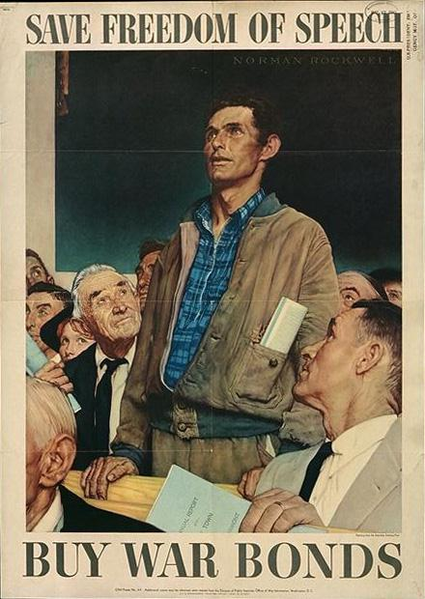
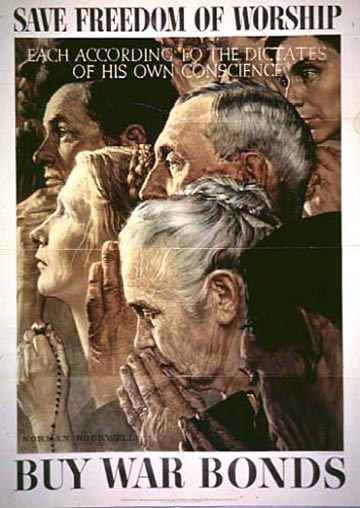
 425px-Save_Freedom_of_Speech  save_freedom_worship  Freedom From Fear

7.    The other freedoms that FDR’s State of the Union addressed were: speech, worship, and fear. In that order those Rockwell illustrations were published in 1943 on February 20 and 27, and March 13 each accompanied by a matching essay. The FDR freedoms contrast and compare with the equalities articulated by Danielle Allen in her book Our Declaration, mentioned here last month. Allen makes the point that a just society cannot have freedom without a framework of equality. FDR’s freedoms are in themselves manifestations of equality throughout a society including basic human needs of food, shelter, health, and safety with the political freedoms of worship and speech. It is compelling that the final figure, Freedom from Fear, shows 2 parents concerned about their children’s future. [All paintings are at the Norman Rockwell Museum in Stockbridge, Massachusetts.] The future of our children is not only a fundamental human concern, but it is evident throughout much of the animal kingdom. I recall TV docu-drama years ago dealing with the Cuban missile crisis during the Kennedy presidential administration in which JFK summed up our ultimate mutual long-term interests with the Soviets in a phrase something like this: We all inhabit the same Earth, we breathe the same air, and cherish our children’s future. These sentiments derive from thinking of the Enlightenment, tenets of social justice expressed (although imperfectly) in some modern governments, and emerging belief in the necessity for planetary stewardship. Kennedy’s point: if two conflicting sides recognize the similarity of their human condition and ultimate aspirations, conflict can be mediated. This is the empathy of the doppelgänger. I’ve been unsuccessful so far in learning if this was an actual quote from Kennedy or part of the television script, but the words are good. Of course, as we are learning in the Mideast, barbarity and conflict endure when similarity of the human condition is not mutually recognized such as when one side claims divine advantage.

8.    The future of our children and the future of our planet have been best represented by universities for the past 600 years. Universities have been the only enduring heavy-hitters in the matters of educating our successors and expanding the knowledge base of humanity. To a great extent this mission developed accidentally and is fulfilled inadequately. Far from recognizing this essential role, most modern universities fret about rankings, reputations, endowment races, NIH market shares, applicant/acceptance ratios, athletic programs, profitable products, and so forth. We see few grand educational visions. We see little focus on creating a better planet tomorrow – better citizens, better workforce, better governments,  and better energy sources to allow 8 billion or more people to inhabit the same Earth, breath the same air, and give all children a decent chance for self-determined lives. 

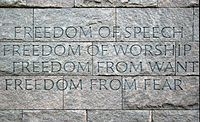
9.   Senses. The idea that we, among many other biologic constructs, have 5 senses goes back to the time of Aristotle if not well before then. Hearing, touch, sight, taste, and smell comprise the classic senses, but the reality is more complex for most creatures with additional senses as proprioception, thirst, hunger, and magneto reception. Humans also have a unique sense of time. The human intellect can integrate and creatively imagine senses, such as when you read, dream, or think. Importantly for our species although perhaps not unique to us, is the sense of compassion as so well articulated by Adam Smith that I want to again bring forward. His book, The Theory of Moral Sentiments, in 1759  begins: How selfish soever man may be supposed, there are evidently some principles in his nature, which interest him in the fortune of others, and render their happiness necessary to him, though he derives nothing from it except the pleasure of seeing it. This sense of philanthropy (love of humanity) is a fundamental part of the human condition that has allowed us to build teams, societies, and civilizations in which we take care of ourselves, including the needy and the vulnerable, as well as to try to create a better tomorrow for our children and their successors. FDR’s Four Freedoms (etched into stone at the FDR monument in Washington, DC) extend Adam Smith’s optimism in mankind’s better nature.

200px-FDR_Memorial_wall


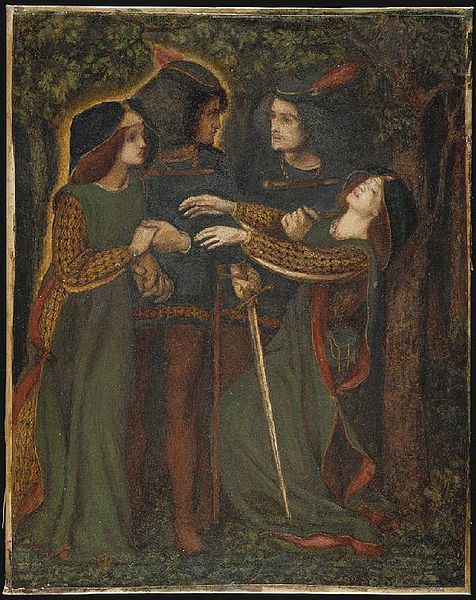
 Doppelganger

10.   Faces – a big step in the world of surgery. Excluding the rare true doppelgängers, it is our faces that mainly set us apart. [Illustration: Dante Gabriel Rossetti – How They Met Themselves. Watercolor 1864. Fitzwilliam Museum] For higher orders of mammals facial recognition is the key identifying feature. The nuances of human expression are essential to conscious and subconscious communication. Darwin wrote a book on this topic in 1872 called The Expression of the Emotions in Man and Animals. Among all the equalities that modern civilization is built upon, the equality of human recognition is no less essential than any other. Seeing the faces of our fellow members of society is a requisite part of the equality of reciprocity in civilization. Facial expression is essential to full interactive participation in society, to understand intent, acceptance, irony, honesty, displeasure, and all the other nuances necessary to the normal daily give and take of citizens, neighbors, customers, and all stakeholders in modern life. To “lose face” is a basic human shame in the figurative sense, but a horrendous circumstance in the physical sense. Ten years ago the first face transplant was accomplished and a recent Lancet article reviewed the first 28 facial transplants done to date in this new surgical frontier.[Khalifian, Brazio, Mohan, et al. The Lancet 384:2153, 2014]

 The authors wrote:

Facial transplantation is a single operation that can restore aesthetic and functional characteristics of the native face by giving ultimate expression to Sir Harold Gillies’ principle of ‘replacing like with like’ … Unlike solid organ transplantation, which is potentially life-saving, facial transplantation is life-changing. The possible consequences of life-long immunosuppression in otherwise healthy individuals  – including cancer, metabolic disorders, opportunistic infections and death – must be carefully balanced to minimize risk and maximize benefit. Yet surgical innovation has outpaced the scientific community’s ability to fully address certain immunological and clinical challenges. Here, we review the immunological, neurological, and anatomical principles gleaned from the 9 years since the first facial transplantation with a discussion of ethical considerations, highlighting lessons learned from clinical experience.    

A few comments on this quotation. You see once again how surgical innovation outpaced knowledge in the so-called scientific community. Yet isn’t it a strange belief that the surgical community is “not scientific” – for what is science after all but matters of imagination, methodological experimentation, analysis, and new hypothesis? Gillies, by the way, was one of the great early pioneers of modern plastic surgery. The last phrase lessons learned from clinical experience is the essence of the rational practice of medicine and this applies equally in the unnecessarily separated domains of medicine and surgery. A cynic might argue that the 28 salvaged lives cannot justify the costs and risks involved. Wiser voices would counter while the dozens of steps on the moon hardly justified the costs and risks of the lunar program, the collective spinoffs to knowledge and technology were of immeasurably greater value. In a parallel way face transplants similarly extended the reach of medicine and philosophic understanding of the meaning of a face. What have been the big steps in genitourinary surgery? Cystoscopy, cystolithalopaxy, orchidopexy, hypospadias repair, closure of exstrophy, prostatectomy for benign disease, perineal prostatectomy for cancer, the use of bowel in urinary tract reconstruction, cystectomy and bladder substitution, TURP, renal transplantation, ESWL, the Mitrofanoff principle, minimally invasive urologic surgery, and nerve sparing retropubic prostatectomy come to mind. Certainly there are others and more importantly, there will be more. Some will come from here in Ann Arbor.


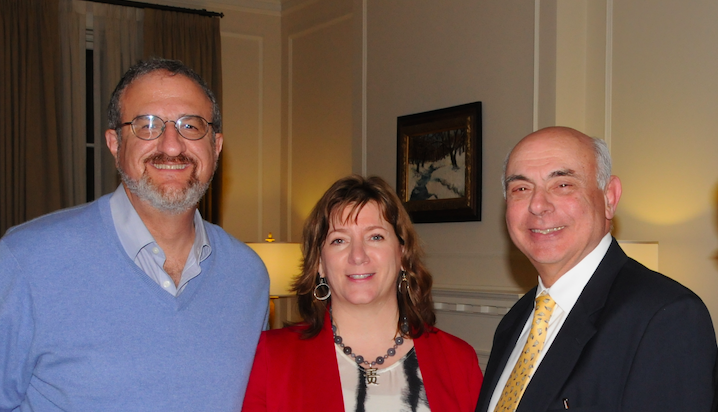
Screen Shot 2015-03-02 at 11.01.07 AM

A final comment. We will miss Michael Johns, who has been with us for much of the past year providing wisdom and effective leadership for our medical school and health system as Executive Vice President for Medical Affairs. We welcome his successor Marschall Runge.

[ President Mark Schlissel, Special Counsel to President Liz Barry , & Michael Johns]


 Best wishes, and thanks for spending time on “Matula Thoughts.”  David A. Bloom

v\:* {behavior:url(#default#VML);} o\:* {behavior:url(#default#VML);} w\:* {behavior:url(#default#VML);} .shape {behavior:url(#default#VML);}

0 0 1 3105 17703 University of Michigan 147 41 20767 14.0

Normal 0 false false false false EN-US JA X-NONE

/* Style Definitions */ table.MsoNormalTable {mso-style-name:”Table Normal”; mso-tstyle-rowband-size:0; mso-tstyle-colband-size:0; mso-style-noshow:yes; mso-style-priority:99; mso-style-parent:””; mso-padding-alt:0in 5.4pt 0in 5.4pt; mso-para-margin:0in; mso-para-margin-bottom:.0001pt; mso-pagination:widow-orphan; font-size:10.0pt; font-family:Cambria; mso-ascii-font-family:Cambria; mso-ascii-theme-font:minor-latin; mso-hansi-font-family:Cambria; mso-hansi-theme-font:minor-latin; mso-fareast-language:JA;}
 David A. Bloom

Matula Thoughts January 2, 2015

Matula Thoughts January 2, 2015

Michigan Urology Family

Watersheds, leadership, & 2015 again

3676 words

 120px-Glycine-zwitterion-2D-skeletal


1.     Happy New Year. Its hard to believe 2015 is already here, but this fact reminds us once again that the forward march of time is relentless and time runs backward only in our imagination. History, nevertheless, still defines us with each new minute, new day, and new year serving as a watershed framing the past and future. This new year of 2015 is a significant watershed for everyone who will reach a milestone age in it, whether 40, 50, 60, 70, or even more years having enjoyed the contingencies of genetics, circumstance, modern health care, physical safety, and luck. As I begin the year at a significant personal watershed Gary Faerber is already in place as Acting Chair, following the previous turns of John Wei and Stu Wolf, who then returned to their roles as Associate Chairs with quantum leaps in knowledge, talent and leadership for the department. When Dean Jim Woolliscroft and I set up this experiment in leadership succession a few years back, I had no doubt it would be successful, but hardly imagined the great degree of success. Leadership is something everyone provides at one level or another in our organization, as well as within their families and communities. Leadership is a focus for us in our department, and certainly no less in the rest of the university from our valiant football team among the other athletic programs, throughout the 19 schools and colleges, in the Musical Society and a myriad other parts of the UM as it approaches its bicentennial. No one, even among the overpraised CEOs who write best-selling memoirs, is a perfect leader at every challenge in their life and career. Published perspectives, naturally tend to be self-congratulatory vignettes of successes, usually with sparse mention of the shoulders of giants on whom such leaders have stood. Plenty of more general leadership books are available, a few of them worthwhile, and you can always discover more about the topic if you are intent on developing your skills. The best way to learn, I believe, is to take the initiative yourself and try to lead wisely, be self-critical and learn from your mistakes, as well as to learn from the examples (successes and failures) of other leaders. We have some fine role models among us in the Medical School and Health System as well as within our professional peers elsewhere. Flawed examples of leadership (sometimes found in our own mistakes) offer equally valuable lessons. On the national and international political scenes noteworthy leadership seems  sparser. Looking back to the 20th century only rare great examples come to mind.


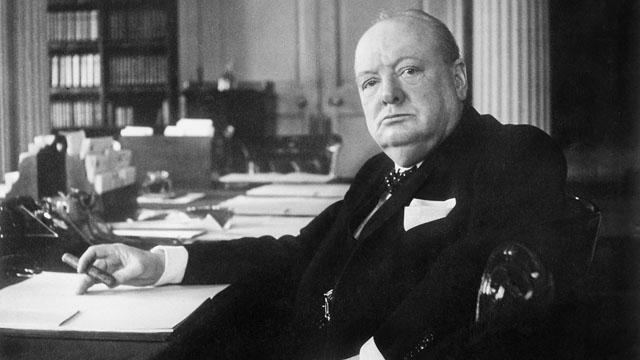
2.     WSC 1874-1965. It was 50 years ago that Winston Churchill died having reached 99 years of age in spite of innumerable bullets, cigars, prodigious quantities of food and drink, to say nothing of his determined political adversaries. His death in 1965 was a significant watershed – few people have so completely and uniquely altered the course of human events as did Churchill,  on a number of fronts including 2 World Wars. Admittedly a Churchillphile, I nonetheless recognize his many imperfections, yet he was the perfect man to rescue the course of history from catastrophe. You can expect a number of new books published about him this year and one of the first of these is by Boris Johnson, the mayor of London. Many biographies and studies of Churchill have been written (and at least a dozen fill my shelves), but Johnson’s The Churchill Factor occupies a unique niche offering a timely analysis of Churchill’s  impact on civilization. The world would be very different today had it not been for Winston Churchill. Someone other than Gutenberg would have figured out the printing press, and the same goes for the contributions of Columbus, Watt, Darwin, Lister (eventually!), Ford, Gates, and most other innovators. Only a rare few individuals have turned the tide of world events so positively and against such great odds. Without Churchill the second half of the 20th century and probably these past 15 years into the 21st would have been very dark times. Amazingly he was around 70 years of age when his greatest tests presented themselves. It is inconceivable that World War II would have turned out as it did without Churchill.      

 winston_churchill 

[Churchill  at 10 Downing St. 1940, by Cecil Beaton]


3.     Impact. None of us is likely to have impact of Churchillian proportions, but that’s not to say that as individuals we are not serious about making a difference. At any watershed moment each of us is likely to question “the meaning of life.” I recently listened to the audiobook autobiography of the controversial evolutionary biologist Richard Dawkins wherein he said something to the effect that “Intelligent life only comes of age when it works out the reasons for its own existence.”  [Had I read the actual book I could be more precise and reference a specific page; whether you agree or disagree with his theological viewpoint, his evolutionary biology contributions have been significant.] All life forms struggle for their survival searching for a difference, whether a favorable environmental differential, a nutritional differential, or a reproductive differential. We humans share this biologic imperative of curiosity to discover favorable niches, but our drive goes further into the superorganism of our civilizations in that we want to “make a difference” in the social sense. For many people this drive is satisfied by a sense of being taken seriously, wanting our opinions to matter to others. For other people this drive is expressed in intense ambition to invent, create, build, or help others. The individual need to make a difference is part of the rich fabric of sociobiology, allowing brilliant flashes of greatness such as Churchill in his day and Pope Francis now in our time. The Pope’s extraordinary Christmas message last week to the cardinals and bishops who make up the Roman Curia, could apply equally well to any large organization. Francis warned against endemic “spiritual diseases” of bureaucracy including the pathology of power, the temptation of narcissism, cowardly gossip, and the building of personal empires. His courageous and unprecedented speech hinted at the darker side of sociobiology, namely the innate tendency of any social group (political, religious, ethnic, or national) to be manipulated by a single autocratic leader or inner circle of leaders toward ends inimical to the larger shared values of not just the particular social group but to humanity at large. Pope Francis is one of the rare leaders with the credibility and force of character to bridge disparate factionalisms within his organization or in the larger geopolitical world by appealing to a human commonality. With all the problems in the world, you might think we are overdue for a few more extraordinary leaders like Churchill and Francis.

pope-francis-ap2_custom-35b090fdb44d1cd3207660a63e5d93856a112c0a-s600-c85

[Front left to right: Israel’s President Shimon Peres, Eucumenical Patriarch Bartholomew I, Pope Francis, Palestinian President Mahmoud Abbas – June, 2014 during peace prayers at Vatican gardens]  


4.     Sociobiology and mission. The idea of sociobiology, initially postulated and named by E. O. Wilson, recognized that a very few species – humans among them – have achieved a superorganism structure wherein individuals spend their lives to support the objectives of larger social structures of teams and societies. He called these eusocial species. Humanity alone, however, has been able to articulate social objectives, create principles and working rules for their deployment, and produce functional models of government. Our work in the Department of Urology of the Medical School within the University of Michigan, while minute in the grand scheme of things, fits in perfectly within the sociobiology framework. Like any individual, any team, or any large eusocial unit we are subject to the same evolutionary pressures of maintaining relevancy and preparing for the changing environments of tomorrow. We spend significant time in our Department of Urology considering and reconsidering our mission. While I dont believe a leader should tell any organization its mission, I do believe that a leader should help the organization articulate its mission as well as keeping it lively in the work, plans, and lives of its stakeholders. Our mission of Michigan Urology is centered on health care: teaching it, doing it, and making it better. It boils down to this essential deliverable: KIND AND EXCELLENT PATIENT-CENTERED CARE THOROUGHLY INTEGRATED WITH INNOVATION AND EDUCATION AT ALL LEVELS. We mean it and we believe in it. Our mission here goes deeper than those specific words. We are a great public university with a medical school influential in the story of modern medicine. Our urology unit has provided many of the best ideas, techniques, and leaders of our field for the past century. I can point to strong evidence of our successes in the weekly Whats New electronic communication that John Wei coordinates for our department that you can find on our website. When you really consider our mission, you might recognize that our mission is to provide for tomorrow the tomorrow of our patients, our students, our residents, our department, our faculty and staff, our community, our field, our children, and our species. We thus fit very neatly in the milieu of a university – universities exist to make tomorrow better. No organization in human civilization aside from universities has carried out this specific responsibility of preparing for tomorrow, year after year, decade after decade, and century after century.  In the daily struggles of finances, politics, governance, and crises most universities plod ahead it is their nature to be conservative – doing their work well enough although below their potential to build that better tomorrow.


5.     The future. Imagining the future is also a task of art and fiction. The Time Machine of H.G. Wells, the stories of Jules Verne, Orson Welles’s War of the Worlds, and for our present generation the Back to the Future film trilogy are stories that resonated with me on the back end of my present watershed. The first of the trilogy was set in 1985 and it imagined a future set in 2015. In that future the gimmick that made time travel possible was a plutonium-fueled flux capacitor (which needed a jolt of lightning to start it when Marty went “back to the past” in 1955 and he couldn’t find plutonium). Going forward to the future, however, the flux capacitor’s energy required only household waste in a commonplace “Mr. Fusion Home Energy Reactor” in 2015.  We aren’t at that point yet in terms of energy production, but since we can imagine a Mr. Fusion Reactor, it seems likely someone or some team will eventually solve this existential problem. Back to the Future excited the public imagination to the extent that it was the largest grossing film of 1985. I loved it, my kids loved it, and my grandkids love it. What are the counterparts of the Mr. Fusion Reactor for urology, or for health care in general? Perhaps the best insights for this will come from people writing imaginative short stories.


6.      Predictions. Yogi Berra allegedly said: “Its tough to make predictions, especially about tomorrow.” Each New Year is full of promise and challenges, some expected and others unexpected. If we could spot the specific key threats and opportunities right now at the start of the year and plan around them we could take those plans to the bank, as they say. While we don’t have the gift of foresight or the mythical “Gray’s Sports Almanac” that was central to Back to the Future Part II, we still could make some good guesses. If, for example, we knew a large asteroid was headed our way (another theme explored in the cinema) we might take steps to ameliorate it. Or if we knew an Ebola-like disease were likely to become epidemic we might create a vaccine and public health measures to manage it. (Remarkably we’ve known about Ebola since 1976, but somehow were unprepared for it last year.) It’s not always as tough as Yogi thought. Even without Grays Almanac we can make serious bets and useful decisions. We actually have figured out some forms of time travel of which astronomical sciences and space probes are outstanding examples. You might consider literary science fiction a form of hypothetical time travel to the future.

 Sports Almanac

[The pivotal sports almanac, stolen by Biff in 2015 and taken back to November 12, 1955 when he made some lucrative bets.]


7.     Challenges 2015. What will be the immediate challenges for Michigan’s Department of Urology in 2015? At the top of my list is the matter of struggling to stay afloat economically in a punishing economic milieu. We have around 30 clinical faculty doing the actual clinical work that 16-17 full-time clinicians could perform, and doing that work at the top of the game. Why is this? The answer is that, as faculty members in a university, our non clinical moments are spent in educating the next generation, expanding the conceptual basis of urology through investigation, supplying a large amount of administrative expertise and effort to run our heath system, and leading regional, national, and international organizations relevant to urology. The fiscal problem is that even at best these other tasks that are so essential to our missions have zero to only fractional revenue streams to support them. Clinical dollars have made the academic missions possible, but those dollars are shrinking under ruthless pressure. Our aggregate faculty carries a phenomenal portfolio. As the person tasked with paying the bills I am challenged in recruitment and retention by more generous compensation schemes at most of my peer institutions. Like most of my fellow chairs, I face inimical wealth redistribution from the heath system to our greater university, the inefficiencies of our own hospital (as a patient here myself while I had great care from individuals and teams, I also experienced a number of disconnects that Ritz-Carlton might consider rookie errors in the hospitality business), and severe facility constraints  based on 20 years of inadequate strategic planning and execution. Maybe with a new university president and EVPMA in addition to a restructuring of our health system governance and management we might finally get things right. Do the new leaders recognize that the key to success for a great academic health care enterprise is (first and foremost) great clinical care? On the forward side of this immediate watershed the winners in health care (the best of class survivors in the Darwinian sense) will be the few places that offer unsurpassed state-of-the art clinical care with the best outcomes, safety, patient experience, employee experiences, lean processes, educational outcomes, research productivity, and successful fiscal spreadsheets. If the new leaders are not evangelically wed to this belief and fail to elicit the wisdom of crowds and the opportunities of lean processes, success will slip further and further away. The single large success I believe we can claim over the past decade here at Michigan has been the Faculty Group Practice, led by David Spahlinger. We are now poised to re-structure and expand it into the University of Michigan Medical Group. Will this new format embolden us to find opportunities to reinvent and optimize healthcare in 2015 or will we continue to struggle to stay in the game? I for one favor the former scenario – after all we call ourselves leaders and best? I believe 2015 is now or never for us.


8.     A watershed molecule. Eleven years ago on this day (the leap year 2004) the spacecraft, Stardust a 300 kg robotic space probe launched by NASA in 1999, successfully flew past Comet Wild 2, collecting cosmic dust samples from the coma of the comet. Wild-2 is as old as the Earth and was discovered in 1978 by Swiss astronomer Paul Wild. For most of its time the comet orbited the Sun in the far reaches of the Solar System until 1974 when its orbit was changed by the gravitational pull of Jupiter bringing it just inside the orbit of Mars on its closest approach to the Sun. Its orbital period has thus gone from from 43 years to six years. Wild-2 has a 5 km diameter that wouldn’t do us much good if it came much closer to Earth’s celestial path. Stardust fulfilled its mission and returned to Earth in January 15, 2006 with its samples. Initial findings of the analysis were published in papers in Science in December, 2006. Analysis of the comet’s dust by a mass spectrometer on board revealed, among other things, glycine – an amino acid of great importance. Among the 23 proteinogenic amino acids, glycine is not only the smallest, but an organic chemist might consider that it is the smallest one structurally possible (it has a molecular weight of only 75 and its codons are GGT, GGC, GGA, and GGG). This is also the only non-chiral amino acid. Most proteins have only small amounts of glycine, although collagen consists of about 35% glycine.

120px-Glycine-zwitterion-2D-skeletal

A science fiction writer might conjecture that this was a watershed molecule between simple cosmic elemental combinations and the complex organic structures that comprise the building blocks of life. What glycine was doing in interstellar space boggles the imagination, but it fuels the belief of many that building blocks of life came to Earth. Water was also discovered among the comet’s bits of dust, although that was expected. To analyze the interstellar dust further, one million photographs will ultimately image the entirety of the sampled grains. The images will be distributed to home computer users so they can aid in the study of the data using a program titled, Stardust@home.

[Wikepedia: Top left – fuzzy blur of Wild-2 in space, top right – 

the comet close up , Bottom- Stardust] 

250px-Comet_81P_Wild_2010-01-17  120px-Wild2_3 

290px-Stardust20110323-full


9.     What’s New – reprise. Early in Y2K when I was working in Allen Lichter’s Dean’s Office, we began a monthly email to all the medical school faculty that we called What’s New. The belief was that some occasional, constrained, predictable, and enumerated communication to the entire faculty might be useful, interesting to some, and preferable to a constant stream of regurgitated and often random messages of deemed importance. When I became chair of urology we produced a weekly What’s New for faculty and residents, with only very rare other communications. This went out every Friday. In time I began to distribute the first of these editions on the first Friday of each month to our entire staff, Nesbit alumni, and friends of the department. As the email chain got a little tricky to manage I learned to set the first Friday What’s New up as a blog that we call Matula Thoughts. It has been a learning process and it still is a work in process. John Wei, as Associate Chair for Communications, manages the 3-4 other What’s New columns every month and usually has someone or some unit within our department “guest edit” each of these. He has innovatively added a little query to each issue to test the waters of opinions within our department.  If you ever want to roll back the pages of time for Michigan Urology since 2007, you can find old editions kindly archived by Rick Saur.


10.    Screen shot 2014-12-28 at 10.10.09 AMMatula Thoughts – going forward. You may fairly view What’s New and Matula Thoughts as displays of vanity. On the other hand, don’t we all want to believe that our thoughts matter to others, and in setting them down and presenting them in the public marketplace of opinions we shape them, we refine them, and we test their value (and by their proxy, our own individual value). For me to some extent, these columns have become forums to comment on phenomena, questions, papers, books, or events that I think are worth your consideration. Equal rights to thought-sharing is a fundamental basis of any democratic society, or indeed the basis of any highly-performing team. We set up these little forums of What’s New and Matula Thoughts not just as our departmental soap-boxes, but as a venue for others such as you in which to participate. What’s New is sent out by email to around 550 people, whereas Matula Thoughts, the blog version that we have been struggling to master, is picked up by a much smaller but more diverse band of readers. Even though the blog version has only a small readership at this point in time, we can track it and have found a surprisingly wide international reach as the screen shot above shows. [I took this December 28 from the WordPress statistics page for Matula Thoughts] The Canadian readership may be huge in terms of geography, but I doubt we actually have many Inuit readers. We invite (indeed, we often cajole or nudge) others onto these electronic soap boxes each week.  It is has been said that some professions attract people with extreme forms of narcissism, politics and professional sports being notable examples. Surgeons probably belong closer to one end of the spectrum than the middle. Yet we humans are all necessarily narcissistic to some extent, and the need for the interest of others, if not their admiration, is perhaps a surrogate for our very basic desire for personal relevance and meaning. Of course extreme narcissism, in its sense as a personality disorder (an interesting term in itself, for what is it, after all, that constitutes an ordered personality?) is the overwhelming need for admiration paired with a severe lack of empathy toward others – the antithesis of a good clinician. As physicians and surgeons, as faculty and staff, as nurses or PAs or MAs, as colleagues and friends we all reverberate to the belief that our thoughts matter and therefore, of necessity, the thoughts of others must be heard and considered with the same relish that we offer our own. So with that last thought at this watershed moment, Happy New Year, and good luck to us all now that we are back to the future in 2015.


Best wishes, and thanks for spending time on Matula Thoughts.

David A. Bloom

Department of Urology

University of Michigan Medical School.


0
0
1
3027
17256
University of Michigan
143
40
20243
14.0

Normal
0

false
false
false

EN-US
JA
X-NONE

/* Style Definitions */
table.MsoNormalTable
{mso-style-name:”Table Normal”;
mso-tstyle-rowband-size:0;
mso-tstyle-colband-size:0;
mso-style-noshow:yes;
mso-style-priority:99;
mso-style-parent:””;
mso-padding-alt:0in 5.4pt 0in 5.4pt;
mso-para-margin:0in;
mso-para-margin-bottom:.0001pt;
mso-pagination:widow-orphan;
font-size:10.0pt;
font-family:Cambria;
mso-ascii-font-family:Cambria;
mso-ascii-theme-font:minor-latin;
mso-hansi-font-family:Cambria;
mso-hansi-theme-font:minor-latin;
mso-fareast-language:JA;}
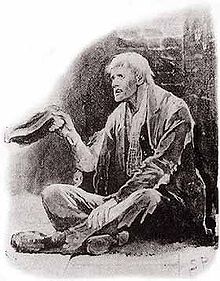
Matula Thoughts December 5, 2014

Michigan Urology Family

[This blog is an alternate presentation of “What’s New” the monthly email newsletter of the Department of Urology, University of Michigan]

Humanity’s new superpower. Declarations of mission, deliverables, & equality. Smiles.

10 items 3038 words

opte-image

Santa’s sleigh routes. Visualization from the Opte Project of Barrett Lyon, American Internet entrepreneur and artist. This displays the various routes through a portion of the Internet based on opte.org. Each line is drawn between two nodes, representing two IP addresses. The lengths of the lines indicate the delay between two nodes. Lines are color-coded Dark blue: net, ca, us; Green: com, org;  Red: mil, gov, edu; Yellow: jp, cn, tw, au, de; Magenta: uk, it, pl, fr; Gold: br, kr, nl; White: unknown.

1.     With December underway and 2015 just around the corner we are nearly halfway through the fiscal year of 2015. Yet even as we move forward in time history still heavily defines us. On this day, forty five years ago, in 1969 the four-node ARPANET was established (four computer/routers: UCLA, Stanford Research Institute, UC Santa Barbara, & University of Utah), paving the way for the internet without which it is hard to imagine today’s world. The WorldWideWeb was the name of the first web browser (a software application for retrieving, presenting, & navigating information in the form of uniform resource identifiers – URI/URLs) that Tim Berners-Lee created in 1990 using a set of rules to govern the transfer of information between computers. These rules were called the hypertext transfer protocol (HTTP). The browser of Berners-Lee was later renamed Nexus. Soon better competing products appeared – Erwise, Mosaic, Netscape Navigator, Microsoft Internet Explorer, Firefox, Apple Safari, and Google Chrome. Take your pick and enter today’s World Wide Web, our latest information revolution. This so-called digital revolution followed the industrial revolution, which in turn followed Gutenberg’s earlier information revolution of commercial printing. The web is now the digital revolution playing ground with data ubiquity, human connectivity, and computer power translating into “the internet of everything.” The promise of equal access to information should give all people a fair shot at the basic aspirations of civilization – a decent self-determined life affording liberty and the pursuit of happiness, although I don’t see this happening with great speed around the world. The conditions of good government, law & order, food security, health care, education, and personal safety are necessary to ensure all people their due decent life. As physicians, urologists, teachers, nurses, PAs, clerks, administrative staff, and scientists we do our part for mankind’s wellbeing in terms of healthcare, but our attention as citizens to government, justice, and poverty is no less compelling. The internet offers unprecedented opportunity to understand and impact these crucial issues of citizenship. The internet also allows malevolent souls who might be oceans and continents away access to your bank account, personal information, and home thermostat much like an evil Santa Claus entering your life through the chimney of your internet connection. [Diagram – nearly everybody uses the internet: internet users per 100 people. Source International Telecommunications Union]

360px-Internet_users_per_100_inhabitants_ITU.svg

2.     The clinical gaze. The toys of the digital revolution are no substitute for a finely honed clinical gaze. There is no “physician app.” The mandated electronic medical record (EHR) is part of a well-intended effort to bring American health care into the digital age, although most large health care organizations already had effective and meaningful electronic data systems prior to the HITECH Act of 2009. The expensive and clunky systems that satisfy governmentally-defined “meaningful use” and comply with the complex new international classification of diseases (ICD-10) have been a painful adjustment for most physicians and have misdirected their clinical gaze from patients to the patients’ avatars, namely computer screens and keyboards. This misdirection impairs safety and satisfaction. Even though I am not an expert in infectious diseases or Texas hospitals it seems painfully obvious the initial mishandling of the first case of human Ebola in North America was due to a constellation of mistakes, surely including that new avatar. The first and foremost error was the failure to appropriately recognize and react systemically to a sick person from Liberia in September, 2014 when the world knew an Ebola epidemic was spreading out of control. A medical student’s history and physical would have discovered this story, but the dot phrases, templates, pull down menus, and cutting & pasting of the federally-mandated EHR products interfere with the thoughtful acts of looking, asking, and listening to patients. With the computer as the patient’s avatar the human element and fundamental skills of physicians are relegated to the sidelines while the keyboard garners most attention from the doctor in the “encounter.” The systems we are constrained to use obliterate narratives and stories.  Those systems are co-conspirators in the Texan tragedy and I have no doubt that many more rookie errors will follow, whether infectious disease-based or not. Somehow it is up to the healthcare professions to mitigate the commoditization and retain the professionalism of our art and science. It would be a shame to lose the clinical gaze that our profession has sharpened and taught over centuries. Stanley Mukundi, a superb Physician’s Assistant in our General Urology Division, pointed out a recent JAMA article by Timothy Daaleman (The quality of mercy, will you be my doctor? JAMA 312: 1863, 2014) that spoke of “administrative waterboarding of prior authorizations, disability determinations, medical leave forms, and the like…” Such is the landscape of contemporary clinical practice, and the legislated EHR has added to the burden for most of us. Whether it be personal political involvement, organizational advocacy, or institutional leadership we each need to engage seriously in the changing face of healthcare to render it effective and safe for patients, as well as attractive in terms of career for the best and the brightest of the next generation.

3.     Residency applicants – the next generation. Michigan Urology, I like to believe, is a high performing team, a term we appropriate comfortably from the business world. We are hardly perfect in this sense in Ann Arbor, but as I look around the country we stack up pretty comfortably among our peer urology programs that are generally recognized as the top tier. Thus, it was easy for us to “sell” our training program and our mission as we met with the 63 candidates elected for interview from  340 applicants. No doubt we missed some other great candidates, but the amazing individual accomplishments, the high scores, great letters of recommendation from our colleagues, and our own time constraints mandated a line of demarcation between those we interviewed and those left behind. Without question, the medical students who want to become the next generation of urologists are the sharpest we have ever seen. The next step in the process is for us to make a list of those we want to join us – from number one to number 40 or so. The candidates make similar lists for themselves and then a computer sorts things out. We usually end up with 4 out of our top ten as many factors weigh into their individual decisions. For some candidates, family proximity or job of a spouse (or fiancé or significant other) may favor or disfavor an Ann Arbor location. In another 2 months I should be able to tell you who will comprise our class of 2020.

4.     Mission. A highly performing team has to keep the idea of its mission firmly centered in the workplace and in the minds of its members if it is to remain a high performer. Our mission in the Department of Urology is focused on health care: teaching it, doing it, and making it better. We had a recent discussion of our mission at a faculty meeting and Jeff Montgomery suggested a single word change to get rid of some redundancy and to improve clarity of our mission statement. That involved using the word clinical instead of quality thus leaving the following mission statement: The University of Michigan Department of Urology exists to relieve urologic disease & disability by providing exceptional clinical care, training future leaders in urology, & expanding urologic knowledge through research, innovation, & collaboration. The value in articulating a clear mission statement in language that fits the day, is to understand the reasons for existence and the goals of the organization and then to unite them to the aspirations of its stakeholders.

5.     Essential deliverable. The essential deliverable of any organization may not exactly be the same as its mission. The mission statement tells why an organization exists, while the essential deliverable refers to its primary product. You could argue that our essential deliverable is the next generation of urologists and scientists, or that the main deliverable is the next iteration of knowledge in our field. Accountants might narrowly argue that the primary deliverable of our urology department is bringing money to a health system. The real story is this: we have a mission of three main parts: educating the next generation, growing the knowledge base of urology, and delivering high quality state of the art urologic care. This last mission facet provides the essential milieu for the first two aspects of our mission. Furthermore, it becomes the moral priority, the epicenter of the organization, because the demands of clinical care (so often unexpected) at any given moment trump all other duties. The art of our work, however, is achieved in building the teaching and research around clinical urology. Our essential deliverable is “Kind & excellent patient-centered care, thoroughly integrated with education & innovation at all levels.” We developed this phrase over the past few years and some of the faculty find it compelling enough to include as a sort of declaration of our department, on their routine correspondence. The electronic medical records, deemed appropriate and meaningful by recent federal regulation, now relegate the essential transaction to a business-like encounter. In fact the doctor-patient interaction is currently called an encounter. What do patients want from these encounters? Speaking as a patient I hope for expertise, kindness, and convenience, in that order. For me, as a healthcare provider (physician), mastery, autonomy, and meaningful purpose are the main drives (and I credit Daniel Pink’s book, Drive, for helping me articulate those desires).

6.     20071018_declarationOur Declaration. Speaking of declarations, as you contemplate some holiday time ahead, free from the demands of schedules and obligations, one book worthy of your attention is Our Declaration by Danielle Allen. This provides a lively study of the historical context and a deep analysis of the meaning of the Declaration of Independence. The author makes a strong case that the Declaration does not establish a competition between the values of liberty and equality as many people have assumed. The two attributes do not play off each other to create a zero sum game; liberty does not exist at the expense of equality or vice versa. Rather Allen believes that equality is a necessary condition for liberty in a democratic society. Her understanding of equality, however, was far more sophisticated than mine before I read her book. As citizens enjoying the blessings of a free society and as teachers in a great public university, it is our duty to be literate in the underpinnings and structure of our national situation.

7.     Equality. Everyone deserves a fair shot at a decent self-determined life. This is the basic presumption of equality. Allen suggests equality consists of 5 main aspects: a.) no domination – equality of presence & opportunity; b.) equal access to government and laws; c.) equality in contribution to collective intelligence (everyone’s opinion matters); d.) equality of practices of reciprocity (this one is a key point – the balancing of agency in human relations, that is the mutual ability to recalibrate or redress imbalances in encroachments of freedom); & e.) equality of ownership of public life. Recently I thought another facet of equality should be considered – the equality of recognition. This idea came to mind as I read about an American woman who became involved in terrorist activities and was tried in court wearing a burka that covered all of her face but her eyes. Facial recognition and facial expression are essential elements of society and human communication. While in a free society people should be able to dress and worship as they like, if they want to engage in public civil and legal rights, they must represent themselves on an equal basis with their fellow citizens. No subset of society should have a general right to concealment. As I studied Allen’s 5 main facets of equality, however, I came to appreciate their sophistication and realized that the point of  recognition equality is not separate from but intrinsic to each of the 5 aspects that she carefully explains. Equal access to information (data ubiquity) is also fundamental to all of the equalities that Allen describes.

8.     The fragile human condition. It’s too soon to forget about Ebola, and even if it fades for now it is just one more example of humanity’s recurring deadly threats, notably infectious diseases of micro-organisms and social epidemics of the human mind whether the latter are the Crusades, the medieval inquisitions, communism, Nazism, McCarthyism, or Middle East extremism. Once viewed as an exotic problem with improbable global spread, Ebola is now part of the daily conversation of practically every emergency department on the planet, having joined the roster of global threats. Paul Farmer wrote an interesting piece on Ebola in Liberia [London Review of Books 23 October 2014] and made this well-informed claim. “An Ebola diagnosis need not be a death sentence. Here’s my assertion as an infectious disease specialist: if patients are promptly diagnosed and receive aggressive supportive care – including fluid resuscitation, electrolyte replacement and blood products – the great majority, as many as 90 percent, should survive.” Comprehensive national health care, sadly lacking in much of western Africa, is a basic expectation for any competent state or nation. Equal access to basic health care, a pre-condition for any civilized modern society, should have been by now one of the essential fruits of these great “revolutions” of humanity – the industrial and the informational.

9.    Burghers. One might describe citizens of the world as burghers, a term that once implied a comfortable existence. In fact, all citizens of the world deserve comfort. As technology brings new superpowers, such as the internet, to humanity and the tribal village emerges into a global village, good government becomes even more paramount to global security, individual safety, equality, and freedom. Although far from perfect, the United States of America has gotten government about as good as it has gotten so far. All nations, however they construct themselves, must bring their governments closer to a basic standard of effectiveness and fairness if humanity is to endure. Failed nations, such as we see in Africa, the Middle East, and other places surely cannot continue to fail without bringing down the rest of the planet. Ebola is only one tiny and hopefully transient, example. The challenges of political leadership perpetually perplex humanity. I was reminded of this a few months ago in Washington DC at the Hirshhorn Museum when passing a cast of Auguste Rodin’s sculpture, The Burghers of Calais, commissioned in 1884. This was intended as a monument to an event in 1347 during the Hundred Years’ War when that French port was under siege by the English. You can read the story of the siege in Wikipedia, but the anguish that Rodin depicted in the burghers of Calais  is a universal one seen century after century by our parents, grandparents, and great grandparents back through time. The self-inflicted wounds of humanity are sadly self-inflicted.  Transgressions against equality, freedom, and the right to decent self-determined lives repeatedly overpower the new superpowers we accrue.

Calais

[Burghers of Calais, Smithsonian Museum/Hirshhorn Sculpture Gardens on a bright sunny day in Washington, DC, August, 2014. Curiously, French law allegedly decrees that no more than 12 casts of any Rodin work can be made. The original version of the Burghers in Calais was cast in 1895. The Smithsonian/Hirshhorn sculpture was cast in 1943 and you can find other casts near the Houses of Parliament in London, the Rodin Museum in Philadelphia, The Norton Simon Museum in Pasadena, the Metropolitan in NYC, the Kunstmuseum in Basel, and others in Copenhagen, Belgium, Paris, Tokyo, and Seoul. Stanford has sculptures of the individual figures, no doubt skirting the letter of the French law.]

10.   images   The burghers of Calais reflect the faces of anguished citizens in far too many parts of the world. Perhaps 2015 will be the year we start to straighten out ourselves as a species, but come what may I expect the highly performing team of the Urology Department here at the University of Michigan will be doing its part in pursuit of its missions and essential deliverable. Tomorrow is our departmental holiday party, one of my favorite events of the year, where we will see 250 or more Michigan Urology “burghers” and many of their children. Smiling children beat grimacing burghers any day. The ultimate missions and essential deliverables for all global citizens today should be targeted to maximizing the smiles of the next generation. Happy December and best wishes for a good 2015.

Santa 2014   Xmas 2014

[Santa & the children of Michigan Urology at Fox Hills, December 2013; Sheryl Lucas from Mott Surgery/Urology ACU and children]

Michigan Urology Soundbites. Professor Brent Hollenbeck was inducted into the U of M Medical School League of Research Excellence. Assistant Professor Daniela Wittmann has received a 1.6 million dollar award project as principal investigator for 3 years focused on sexual recovery after prostate cancer treatment funded by the Movember/Livestrong organizations. David Miller announced that “Chad Ellimoottil, our NIDDK-T32 Health Services Research (HSR) fellow currently away for the year at Loyola University in Chicago, received a one year Urology Care Foundation Research Scholar Award for ‘Medicare Payment Variation for Kidney Transplantation: Implications for Episode-Based Bundled Payments.’ Chad’s proposal was selected from among 48 applicants, and this prestigious grant reflects the quality of his work and his potential for a career in academic urology and HSR. We look forward to having him return to Ann Arbor in July.” Last month our internal weekly “What’s New” profiled: a) two new faculty: Nick Warner specializing in reconstructive surgery at the VA and Jim Dupree specializing in andrology/infertility, b) a Pediatric Urology Update by Julian Wan, and c) “What’s New” in the Taubman ACU by John Stoffel. Website: http://www.med.umich.edu/urology/about/MonthlyNewsletter.html.

Thanks for spending time on “Matula Thoughts.”

David A. Bloom

Matula Thoughts October 3, 2014

Matula Thoughts October 3, 2014

Michigan Urology Family

Aspirations, bandwidth, clinical value, & existential epidemics.

3379 words, 12 items.

1. Human FactorWith the colder and less sunny days of October at hand, it’s refreshing to come back to this aspirational symbol that the Dow Corporation developed to describe what they call “THE HUMAN ELEMENT.” This implies something unique and emergent to our species. Mankind’s days, even on the cold and dark ones, are distinguished by human aspirations that extend beyond the basic drives, common to all life forms, of survival and comfort. Those of us with health care careers are especially compelled by the more complex human drives and aspirations that Adam Smith, Scottish philosopher and pioneer economist, noted in his book The Theory of Moral Sentiments in 1759: “How selfish soever man may be supposed, there are evidently some principles in his nature, which interest him in the fortune of others, and render their happiness necessary to him, though he derives nothing from it except the pleasure of seeing it.” Then and now, Scotland has been an important intellectual and economic part of the British Empire, although its days within the empire nearly ended just last month.

2. Tough days. Days are getting shorter by this point in the year and we find ourselves halfway to that time in the northern hemisphere when human optimism encounters its great celestial challenge from the shortest diurnal stretch of daylight. With the calendar now in its final quarter we can tally a good measure of notable human accomplishments for 2014, although these are counterbalanced by terrible existential threats for mankind including viral contagions and epidemics of extremist sectarianism. Ebola is likely to be a game-changer for civilization and the terrorism perpetrated by fanatic groups is no less horrific, although with less capacity to become global in a matter of days. Curiously both of these threats are infectious diseases – one due to a virus and the other an infectious disease of human thought. The responses of the civilized modern world to these contagions will set the stage for 2015 and thereafter. We have dealt with game-changing infectious diseases before and can overcome these new ones as well, but not without much pain and tragedy. A TED talk by the astronomer Martin Rees filmed in March 2014 touches on human existential concerns and well worth 7 minutes of your time, leaving you with both anxiety for our ultimate fate and optimism for the potential bright side of the human element [Rees. Can we prevent the end of the world? TEDGlobal 2014].

EbolaCycle-1

300px-Filovirus_phylogenetic_tree.svg

220px-Ebola_virus_virion

[Ebola cycle, family of viruses & the actual virus – from CDC]

3. Data & information. The positive side of the 2014 ledger to date must include the Second Dow Health Services Research Symposium we held in mid-September. The meeting focused on big data and its implications for health services research. While information may be sensory, narrative, or numeric, it is the numeric information that we call “data.” Big data is the current phrase for data sets too large and complex to manage with simple calculators, tools or traditional data processing applications. Detail about our symposium is beyond the scope of today’s message, so write me if you want a CD of the proceedings. I will come back in future months to the concepts of information and data, but let me cherry-pick a few highlights of the meeting at this time. Stewart Wang presented the amazing morphomics model he built out of big data to manage patients with major traumatic injuries. He also challenged analysts to consider “what is not there” in the data – for example the critical social element behind any information.  Jason Owen-Smith explained the importance of social networks to physicians and health care. John Ayanian discussed big data in health care reform. Charles Friedman talked about “learning health systems” and analyzed the Panama Canal as a complex project requiring many forms of data integration including that of social factors, political forces, and infectious diseases. He highlighted Dr. William Gorgas, the chief sanitation officer on the canal project, as the hero of the infectious disease mitigation necessary for success. Craig Sincock, CEO of Avfuel Corporation here in Ann Arbor, showed that a passionate human element is necessary to translate data and ideas into excellent execution of any job, or in the larger success of any business or organization. He explained how context counts; no one can know everything and a team with a diverse crowd of talents on board is able to solve problems far better than a team consisting only of a single set of skills and world-views. Caprice Greenberg spoke about models of learning and new concepts of experiential “student-driven” learning for surgeons to make personal progress on the “asymptotic curve of mastery” (Daniel Pink’s metaphor). While we are focused intensely on data, and big data is a current favorite bit of jargon on the center stage, it is only its interpretation and utility to the human element that gives it meaning and makes it matter. As Craig Sincock told us, and as his company Avfuel proves, it takes enthusiasm and passion to parlay data into meaningful and great results. The symposium was superb, so feel free to take me up on the offer of a CD.

4. Pictures from a symposium.

Knowledge

[My view of the information to wisdom highway]

Miller HSR

[David Miller addressing our second HSR symposium]

Back of room

[From the back of the room]

Wang etc.

[Dave Miller, Stewart Wang, John Gore, Khurshid Ghani]

Sincock

[Craig Sincock, CEO of Avfuel, explaining how passion creates great performance from data]

Ayanian

[John Ayanian and John Hollingsworth in the Big House after Craig’s talk]

5. Bandwidth. A geek might say that soon we will exhaust the calendar bandwidth of 2014. Actually, you and I use that term equally comfortably as it has moved from the world of techno-speak to the vernacular of nearly everyone. Such is the mutability of language, bandwidth now fills an essential niche in modern life. That linguistic space was previously but inadequately filled by terms such as attention or time. We often heard statements like: “You didn’t pay attention to me” or “I don’t have time for this.” These phrases carry the intended message, but wrongly imply a social shortfall of personal needs – the attention that I need or the time that I have. We have come to discover, learning through the technology that we invented, that the real problem is physical limitation – the width of our band – namely the limited capacity of our 8-pound cerebral neuronal network to manage the ambient information.
Shannon's Gen comm system

[Claude Shannon’s diagram of a general communications system c. 1949]

6. Attention pollution. Our brains have been hardwired over hundreds of thousands of years to contend with strengths, weaknesses, threats, and opportunities in changing environments. The parameters of change, however, were finite – limited mainly to feast or famine, cold or heat, predators or parasites, rain or drought, hurricaines or earthquakes, occasional eclipses, and rare meteor impacts. People interacted in finite ways and within finite social units. Complex civilization and modern technology now offer nearly infinite possibilities of change, including interactions with thousands of unwanted friends and linked-in pals. The information available to mankind today, evidenced by the Shannon number (see Matula Thoughts May 3, 2013 on Claude Shannon at matulathoughts.org) and Wikipedia, defines comprehension. Our wireless brains, like our home wireless networks, are limited by the physical constraints of our individual bandwidths. This is especially problematic for modern health care workers, particularly in academic medical centers with triple missions. The doctor-patient relationship has grown unbelievably more complex as the essential transactions of health care, including its educational, discovery, regulatory, and financial facets, now occupy most bandwidth of patients and providers. Personal bandwidth in clinical medicine is terribly crowded and we need to strip out the nonsense that detracts from the essential transactions of patient care. Attention pollution has become a quality and safety concern. Alarms from public address systems, bedside monitors, pagers, smart phones, fire alarm testing, and beepers distract from consistent thought and focus. Federally mandated electronic record systems have further diverted attention from the patient to the keyboard and created avatars of patients made from cut and pasted scripts, dot phrases, and drop down menus that are phony models for actual authentic patients.

Crayon drawing

[again let me show this picture from Elizabeth Toll: The cost of technology. JAMA 307: 2947, 2012. © TG Murphy]

7. Screen Shot 2014-10-01 at 12.24.52 PMBig healthcare. We work in a complex and large environment that is short of physical bandwidth and attention bandwidth relative to the essential transactions of healthcare. Last month for the first time in history, our Emergency Department was so overwhelmed on one day that the clinical departments were asked to divert their emergencies to other hospitals. On many other days, it is a standing condition that our ICUs, operating rooms, and hospital beds are fully loaded such that transfers cannot be accepted or routine OR cases have to be deferred. On top of our facility overload we have to factor in the overload of individual bandwidth of health care providers by electronic medical record perversions, regulatory constraints, and all that noise around us. A new normal condition of professional attention deficit disorder is at hand. I was recently asked to bring two renal failure patients from other healthcare organizations into our system at Michigan. One pediatric patient was from another country  while the other was a local pre-transplant patient, the wife of a local business owner, and already a patient at a competing system of ours. I think I struck out on the first patient, trying with a number of calls and conversations to hand it off to others to make the connection and get it organized. Regarding the second patient, however, a single call to a colleague did the trick and brought her to UM where she now is in place waiting for next steps in her care.

In de-briefing the family, I rediscovered a few useful facts. Fact number one: most colleagues and services lines here at Michigan are reliable and even though not “hungry for new patients” they are hungry to help. Yes, our facilities and manpower are sadly insufficient for our daily clinical needs. More patients want clinic visits and more of them need operative procedures than our capacity easily allows. Faculty, at considerable personal cost, mitigate this mismatch every day. Too often it takes heroic deeds to solve trivial problems. This mismatch has existed for well over a decade, but it keeps getting worse. Why the mismatch exists is not a complex question. Our organizational structure and leadership(myself included) have not been able to match institutional capacity to accommodate daily clinical needs and seasonal variation.

8. Time. Fact number two: time is important to patients. This should hardly be a surprise, time is important to everyone. For someone facing a kidney transplant who wants to come to the UM, an entry appointment in 1-2 weeks is far more acceptable than one in 6 weeks, even if the actual transplant is not imminent. The time to first appointment for a new patient is a surrogate for “concern” or interest of the clinical service and its physicians (and by extension – “concern of the UM”). Fact number three: people appreciate preparation – and some visible evidence of preparation on the part of the clinician is another surrogate for “concern.” The husband of the second patient said they were quite satisfied with the first visit. My colleagues “squeezed” her into their busy schedules and saw her promptly. I asked what the negatives might have been with the visit (there are ALWAYS negatives – but unless we dig for them we may not understand them). Not wanting to seem ungrateful, the husband said that they liked our doctors and had enough confidence to transfer her care here. However, I could tell there were some negatives and asked what we could have done better. He said that one thing that had impressed him and his wife when visiting our competitor was that those physicians had looked at the notes and chart before they walked into the room. I confess that I haven’t always done this – my bandwidth seems to be pretty full even before I squeeze another patient onto my schedule. However, I believe I need to make this adjustment to make a semblance of introductory conversation that indicates familiarity with the issue at hand. Even cursory preparation allows me to walk in the room with necessary materials – for example if a new patient is a child with posterior urethral valves, I can walk in the room and say something like “I see from Dr. Jones’s note that your child has posterior urethral valves – and I have some reading materials on the problem for you. But first tell me from your point of view what’s been going on.” Patients usually hate to be asked: “why are you here?” (It may sound like – “Why are you bothering me?” to them.)

9. Time again. Fact number two again, we can’t overstate this: time is important. The other thing the husband reluctantly told me is that the visit took 7 hours. As a customer-oriented businessman, while very grateful to have been “squeezed in,” he thought 7 hours was “kind of” a lot more time than necessary. We have become prisoners to our systems and facilities and are not good at creating efficiency for ourselves and our patients. This is part of the so-called value proposition. I think we need to find a way to “concierge” our patients through each stage of care. At the UM we have somehow managed, through the design of our workflows and our facilities to squander time for both our patients and our providers. Other competitors, like the Mayo Clinic, long ago figured that the provider is a crucial rate-limiting factor in clinical care. So if you visit Rochester, Minnesota you see systems built and organized to maximize the efficiency of providers and maximize value to patients. Clinical value is largely a matter of time, perception of expertise, and ability to satisfy a patient’s needs. In my opinion patients want three main things: expertise, kindness, and convenience. The business school rhetoric may be that charges and true costs are key features of the value equation, but clinical value must be viewed from the patient’s perspective, which is rooted in time, perceived expertise, and satisfaction of expectations. We must find ways to mitigate these internal stresses and “self-inflicted wounds” in healthcare of our systems and mindsets because the external stresses are likely to increase.

10. Infectious diseases. Among the external stresses we face in health care are the infectious diseases that shape the world. This is nothing new, for they have shaped civilization, individual nations, and even the University of Michigan. Two diseases are of particular interest. The university began its operations in Detroit in 1817, but had to cease operations several times in the 1830s, closing its doors because of raging cholera epidemics in southeast Michigan. This instability set the stage for the relocation of the university to Ann Arbor in 1838. While cholera, a bacterial infection caused by Vibrio cholera, was transferred by ingestion of contaminated water here in Michigan, further to the south on this continent a different contagion, yellow fever, had a another means of spread. This RNA Flavivirus is transferred from person to person by female mosquitoes of the Aedes aegypti species and in severe epidemics yellow fever mortality exceeded 50%. Today, a safe and effective vaccine is available for yellow fever, and mosquito control limits the vector in much of the world. Cholera can be easily eliminated by sanitation and clean water, the very basics of civilization. Nonetheless Vibrio cholera caused the deaths of Peter Tchaikovsky, James Polk, and Carl von Clausewitiz, nearly 10,000 Haitians after the 2010 earthquake, and currently well over 100,000 a year worldwide in a world we have called civilized. Curiously, cholera was unknown in Haiti until aid workers brought in to help after the quake introduced the bacilli via poor sanitation facilities. You can read about it in an article in Science just a few weeks ago: the specific workers were from Nepal where the bacillus is endemic. [Kean. S. As cholera goes so goes Haiti. Science. 345:1266-1268, 2014] As cynics say – no good deed goes unpunished. Cholera remains a huge public health issue in Haiti – in spite of the fact that its prevention is a mere matter of keeping poop from the water and food people ingest. Currently another frightening new threat is in the news – enterovirus D-68. In this day of smart phones and other technological accomplishments of the human element, it makes one wonder why big pharma seems focused on blockbuster life-style drugs with their direct-to consumer advertising instead of looking into the biology, prevention, and treatment of our real existential threats. The same criticism can be leveled at us in universities.
300px-Cholera_bacteria_SEM  220px-Cholera [Cholera & 1919 poster]
230px-YellowFeverVirus  220px-Aedes_aegypti_bloodfeeding_CDC_Gathany  [Yellow fever virus & vector Aedes aegypti]
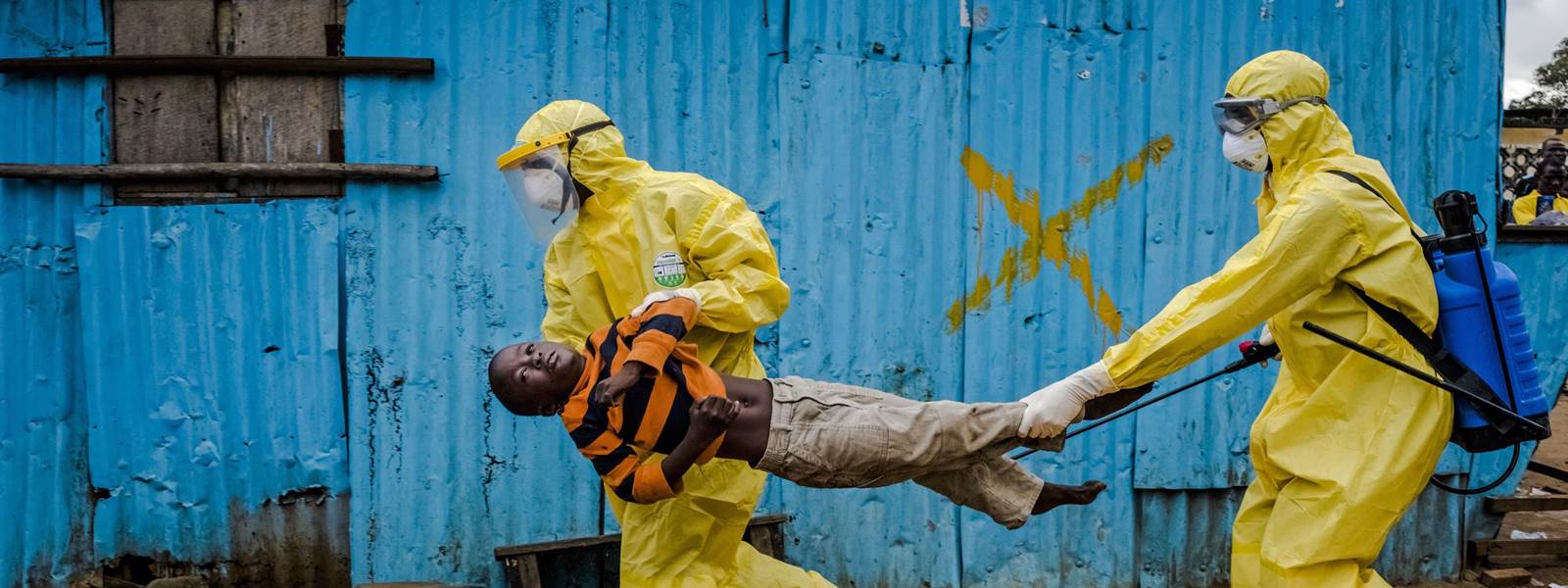
11. This day in history. Every calendar day has its historic overtones, some universally recognized and others obscure, but significant. Back in 1854 in Toulminville (near Mobile), Alabama, William Crawford Gorgas (1854-1920) was born on this particular day. His name is familiar to you as the U.S. Army surgeon of essential importance to the completion of the Panama Canal. Gorgas had parlayed the ideas of Walter Reed (who in his own turn had parlayed the ideas of Cuban physician Carlos Finlay) into eradication of yellow fever and malaria in Havana after the Spanish-American War in 1898. Based on that success he was appointed chief sanitation officer of the Panama Canal construction project in 1904 where he successfully implemented sanitation and mosquito control. He later became president of the American Medical Association (1909-1910) and Surgeon General of the U.S. Army (1914). He died in London on July 3, 1920 shortly after receiving an honorary knighthood from King George V. While the story of Gorgas is of interest, so too is that of the doctor who delivered him as an infant on this day in 1854.  [Picture: US Army Center of Military History. The Panama Canal: An Army’s Enterprise. 2009 p. 36. CMH Pub 70-115-1]

12. A curious coincidence. The obstetrician was Josiah Clark Nott, an obscure name today but one I encountered in recent historical studies. Yellow fever was a big problem in South Carolina, Alabama, and Louisiana, where Nott had worked during much of his career. In 1848 he wrote an astonishing paper in the New Orleans Medical and Surgical Journal entitled “Yellow Fever contrasted with Bilious Fever – Reasons for believing it a disease sui generis – Its mode of Propagation – Remote Cause – Probable insect or animalicular origin. etc.” [4:563-601, 1848] This predated the germ theory, Koch’s postulates, Semmelweis’s experiment, Lister’s antisepsis proofs, and the confirmation by Finlay and Reed that yellow fever was transmitted by a particular mosquito species. Ironically, Nott lost 4 of his own children to yellow fever within a single week in 1856 even though he had moved his family out to the country from Mobile hoping to escape an epidemic of Vibrio cholera. Nott’s enduring intellectual history was subsequently framed and marred by his misguided advocacy of polygenesis and white supremacy. Yet Nott’s legacy as a physician, like that of most physicians, is unknowable in terms of the lives he impacted as a caregiver and teacher. The lucky coincidence of Gorgas’s birth as well as the visible remnants of his patient care and teaching evidenced in a few historical documents are all that remains. As with most physicians, however, their impact on the lives of others, perhaps a cardinal motivating factor in their entry into the field of medicine, although incalculable, is a sustaining feature of civilization. We feel this fact most acutely today in the accruing numbers of physicians in West Africa who are succumbing to the effects of the new terrible epidemic that they are trying to mitigate in their patients. Regardless of our individual bandwidths or that of modern society, Ebola and other bad actors are at hand and it will be dealt with – how well we deal with them will be define us. Doctors without Borders and other international volunteers embody the better aspirations of mankind and Adam Smith’s observation that “However selfish soever….” We are hopeful that a few modern-day Gorgas’s or vaccines will turn up to stem the tide of these impeding devastations.
Ebola scene  Hn8

[NBC News DANIEL BEREHULAK / REDUX PICTURE]


Best wishes, and thanks for spending time on “Matula Thoughts.”

David A. Bloom

Matula Thoughts August 1, 2014. Art & medicine.

Matula Thoughts August 1, 2014: Art & medicine

This is the blog format of the monthly email communication called “What’s New” from the University of Michigan Urology Department.


1.  Drive home

My drive home from work in the summer is likely to occur in cheerful sunlight, even when the hour is late. A good piece of this seasonal pleasure still remains for us at the start of August. July 2014 has come to a close and with it the celebration of the Fourth, the Ann Arbor Art Fairs, and the Chang-Duckett-Lapides Lectureships of the Urology Department. Our PGY1s (interns) class of 2019 began at least five years of residency training that may easily extend by several additional years with fellowships that many of our graduates undertake. The lectureships we hold every year around this time add some formality and socialization as the new academic season of residency training commences. Andrew Kirsch of Emory University gave a remarkable Duckett Lecture on his work with magnetic resonance urography (MRU) and Kassa Darge of the Children’s Hospital of Philadelphia produced a superb Lapides Lecture on the wide scope of urologic imaging and his experience with MRU. We had excellent attendance and wonderful discussion. MRU is clearly the new IVP. Yes, it is at present much more costly, but as we saw in the discussions, a careful history and physical exam with high quality GU ultrasonography in the hands of well-trained and experienced clinicians will answer anatomic questions well enough to deal for most problems we see. In complex situations, however, the detailed anatomic and functional information from the MRU is unsurpassed. George Drach of the University of Pennsylvania presented a clear discussion of a muddy topic – the Affordable Care Act. He promised that the topic will get even muddier next year as complex add-on legislation accrues in the year ahead.

Kirsch

[Andrew Kirsch, Duckett Lecturer, with Susan Kirsch]

Duckett Drach Darge

[Peggy Duckett, George Drach, & Kassa Darge, Lapides Lecturer]


2.    The Chang Lecture on Art and Medicine (our 8th) was given by James Ravin, a well-known ophthalmologist from Toledo who had trained here in Ann Arbor. I first learned about him through his book, The Artist’s Eyes, which had been sent to me by Steven and Faith Brown, Michigan alumni and strong supporters of Michigan Urology. The lecture was amazing and we can mail you a CD of the lecture if you send us a note. Before Dr. Ravin took the microphone, I asked the audience: Why should a urology department care about the link between art and medicine? My answer was twofold and I’d like to repeat it here. The first reason is simply the matula. This long-standing symbol of the medical profession is the flask used for the macroscopic examination of urine. Not insignificantly that is also the name we selected for this blog. The second reason is that this linkage is hardwired in our species. Genetics and epigenetics demand this attention from us. Maybe this is a presumptive conceit, but most people believe our existence among life forms is unique and that the distinctive human condition we claim is built upon our curiosity, our creativity, and our tendency to reflect upon ourselves as well as our fellows. These traits have led to our ability to solve problems cooperatively and accomplish complex tasks like building cathedrals, performing symphonies, writing encyclopedias, or doing cystectomies and urinary diversions. Art is part of all human performances, most especially the medical arts.

Chang's

[Hamilton Chang, James Ravin – Chang Lecturer, & Dr. Cheng-Yang Chang]


3.    That the study of art should occur in a university is no surprise, universities are the primary stewards of the future – the human future and the global future. Universities educate tomorrow’s builders, thinkers, and citizens. They and their graduates are the primary sources of tomorrow’s ideas and inventions. No other institution in society has such a broad mandate, much less fulfilled it so well over centuries as universities. Ben Shahn, an American Artist of the second part of the 20th century, put together an essay in a book called The Shape of Content in 1960, where he specifically addressed the matter of visual art in universities, writing: “What can any artist bring to the general knowledge or theoretical view of art that has not already been fully expounded? What can he say in words that he could not far more skillfully present in pictorial form? Is not the painting rather than the printed page his testament? Will he not only expend his energies without in any way increasing the general enlightenment? And then, what can an audience gain from listening to an artist that it could not apprehend far more readily simply by looking at his pictures?” While Shahn was specific that his comments related to visual art, his point extends more broadly.


4.    Shahn answers his own questions in the essay, developed from lectures at Harvard College and offers two reasons why universities (and by extension medical schools and their departments) should be interested in art. First, the product of universities, educated persons, should have what he called the accomplishment of perceptivity – a necessity for tomorrow’s international citizens. His second reason is that the universities, themselves, are enriched by bringing art, he says, into the circle of humanistic studies. This point anticipates the vision that E.O. Wilson called consilience, the idea of global village of knowledge in which boundaries between fields of study are mere human conceits. Wilson contends that the most important findings for our species will be made at the interfaces and boundary waters among the fields. Shahn expands on this second point in his essay, saying that bringing art into the circle of humanistic studies serves the: “… general objective of unifying the different branches of study toward some kind of a whole culture. I think it is highly desirable that such diverse fields as, let us say, physics or mathematics, come within the purview of the painter, who may amazingly enough find in them impressive visual elements or principles. I think it is equally desirable the physicist or mathematician come to accept into his hierarchy of calculable things, … [the] nonmeasurable and extremely random human element which we commonly associate with poetry or art.” [Shahn p. 9]


5.    Visiting professorships are an important part of academia, bringing the best insights of established thought leaders, as well as the newer voices and controversial ideas of those who challenge the status quo. We do this fairly well at Michigan Urology throughout the year in each of the disciplines within our field. It is equally and especially important for universities to offer periodic public lectures on broad themes such as Ben Shahn provided at Harvard for general audiences on topics that offer important humanistic insights, cut across fields of study, and stimulate conversation and cultural curiosity. We try to fulfill our part with the Chang Lecture and if you missed it this year, consider holding that calendar slot next year on the Thursday of the Art Fairs. Our speaker will be Pierre Mouriquand of Lyon, France. He is an extraordinary pediatric urologist, a deep thinker, and a committed artist who paints nearly every day.


6.    A number of years ago I came across a wonderful statement made by the late and great Michigan faculty member and world-class physiologist, Horace Davenport. A student recalled him telling a medical class that “physicians are the attendants at the service station of life.” Of course, in Dr. Davenport’s days the gas stations were true service stations where someone pumped your gasoline, checked your oil and tires, washed your windows, and actually fixed problems with your automobile. Notwithstanding the dated image of the service station, it is an appealing metaphor. While the current phrase patient-centered care is bandied about as though it were a new idea, the consideration of “what the patient wants” has really never been far from the minds of good physicians. While we all have seen instances of domineering and inconsiderate medical care, the idea of a “patient-centric” approach is hardly revolutionary and new. It is unfortunate, albeit useful, that we need to proclaim that the health care we offer in our organizations is “patient-centric.” As health care has become more complex, specialized, and team-based it is easy to retreat onto islands of our professional turfs and focus on the solutions of isolated clinical problems. This professional convenience, however, turns patients and their inevitable co-morbidities of modern life into mere packages of DRGs in search of CPTs. The complex billing systems we dignify with the phrase modern electronic medical records are more than innocent co-conspirators in this crime. The success of the modern health care enterprise will depend on its ability to simultaneously fulfill the desires and needs of each patient in the contexts of their physical, emotional, and social problems. This will require teams and systems that are at once lean and adaptive.


7.    Long before science impacted the work of physicians, medicine was described as an art and I believe there still is much art to our work insofar as you might look at art as anything that is choice. Science and evidence cannot and will never define all of our choices in medicine. Two fundamental questions define modern health care. The first is: what does the patient (and family) really need and want? The second is: what does society want from its health care enterprise? The answers to the two questions are quite different. It is the first question that drives our essential transactions in health care, patient-by-patient and family-by-family. Of course these transactions must exist in the framework of society and the sense of what is right and reasonable to do for each individual patient. On the other hand as we create public policies and deploy health care systems, the second question comes heavily into play and begs the question: how much should a nation spend on the well-being of its people? So is 20% of GDP, for example, too much or is it not enough? It’s interesting to compare health care to food expenses. In some nations, families spend 60% of their household income on food, while in the USA food accounts for less than 10%. Granted that individual household expenses and national GDP are very different “apples and oranges” and the constraints of a nation differ from those of a household, it is clear that the more one expense dominates a budget the less remains for other necessary and desirable expenses. As a matter of public policy, however, ideally how much should a nation spend on its health care? How much on the education of its next generation? How much on its self-defense, on its research & development, on its infrastructure depreciation, or on its service of past debt? However you answer these questions, it is a fact that in the USA we are moving towards 20% of GDP for health care, and other advanced nations are not terribly far behind and moving towards us. That being said – a good third of the expense is generally recognized as waste – money spent that helps neither patients nor society.

Table from The Economist

[Table from The Economist]

Huffington Post

[Huffington Post July 10, 2014]


8.    An interesting point of view, written 2 years ago in the New England Journal of Medicine by MJ Barry and S Edgman-Levitan, called Shared Decision Making discussed a Picker Institute report that identified eight characteristics of care as the most important indicators of quality and safety from the perspective of patients. These characteristics are: respect for patient values, preferences & expressed needs, coordinated & integrated care, clear information & education of high value for the patient & family, physical comfort with alleviation of fear & anxiety, appropriate involvement of family & friends, continuity, and access to care. This list mirrors a more simple set of things that I believe patients want, since these are the simple things I want from my personal physicians: kindness, expertise, and convenience. Perhaps the attributes you might list would differ in number or terminology, but I think most people want roughly the same things. [MJ Barry and S Edgman-Levitan, Shared Decision Making. NEJM 366:780, 2012]


9.    Crayon drawing

I’ve shown this picture before in our Department of Urology “What’s New” column, but am compelled to share it again. The picture appeared on the cover of JAMA, a fact that dates this work since for the past year or so the new editor of the journal, Howard Bauchner, while he retained the art feature, moved it from its long-standing place on the cover of each issue. [JAMA 3017:2497, 2012. Toll E. The cost of technology. Copyright 2011 Thomas Murphy] Change is inexorable, however, and I have to say that he has done a superb job with the journal, both in format and in topic selection. The illustration shown (with previous permission of the author, Elizabeth Toll) shows a crayon drawing of a scene in a doctor’s office. The 7-year old artist drew her sister sitting on the examining table looking at the viewer in a most Vermeer-like fashion. Mother, with a younger child on her lap, is seated at the far right. The artist sits in between, at work on her picture, but also gazing intently at the viewer. The astonishing feature of the artwork however is the physician sitting at the far left, totally absorbed at the keyboard in the technology that is mandated in healthcare. The software has become a surrogate for the patient. The artist told it as it was and, no doubt the physician felt some shame on viewing the artwork. The enormous sums of money we have been forced to expend on clunky and dated software, compliance for poorly fashioned regulation, and the turmoil of the restructuring of a massive industry are a significant part of the waste. What will the next generation of health care look like when we leave behind the RVU, meaningful use, EPIC, and ICD-10? Such a world cannot be too far away. We hope academia, industry, and public policy can put together systems that are accessible, fair, lean, adaptive, and good for patients.

Halter, Bauchner, Malani Kerr

[Jeff Halter, Howard Bauchner, Preeti Malani, & Eve Kerr at a reception at   Preeti’s home 2013]


10.   The well patient exam has been challenged as “unnecessary.” So too has the routine pelvic exam, the PSA testing, and even routine urinalysis. This brings me to the question, what is the point of healthcare? As physicians we like to solve and fix problems of patients, but is that all that patients really want? Yes, often a patient comes with a very specific problem, but very often not all the problems are evident and sometimes they are deeply entangled with the other issues we like to call co-morbidities. This brings me back to Dr. Davenport’s thought. People and their cars have to stop at service stations from time to time. Sometimes they need gas or have a flat tire. At times the car isn’t working well and help is needed of one sort or another, but the problem isn’t immediately evident and the attendant must diagnose before repair. It is also useful, at other times, to have an expert look at the car, see how it runs, listen to the engine, and check under the hood. Preventive maintenance and inspections may discover occult issues for which early intervention can prevent serious harm. I can’t believe this isn’t true for human bodies and minds. People need to stop by the service stations of life from time to time just as well, for after all we are susceptible to far more ills than our motor vehicles. A doctor, or other health care provider, can look, listen, counsel, advise, and teach. The pastoral side of a doctor’s art should still be a major part of the toolkit. Not every problem discovered needs remedy, but every person should be seen, listened to, and examined periodically by some kind and expert attendant at the service stations of life where art and medicine converge. This is how we care for the human condition.

Gas Station

[1936 Union Gas Station. Main & Weatherlow. Lassen County History. Wikipedia – Historic gas stations]


Best wishes, and thanks for spending time on “Matula Thoughts.”

David A. Bloom, Department of Urology, University of Michigan


Matula Thoughts July 4, 2014


Ruminations on the Fourth of July, Michigan’s most important upcoming choice, brands, and mad men.

1. Happy Independence Day. The Fourth of July on a Friday this year offers a long weekend for most of us in the Michigan Urology Family, except for those on call or otherwise at work dealing with the inevitable urgencies and emergencies of urology that need attention. With a little luck, their Fourths will be easy and in 2015 they will get their chance to turn off their beepers (if we still have those archaic things). July 4 commemorates a moment in time when some mad men decided to break colonial bonds with England and form a more perfect nation centered on the rights of mankind to life, liberty, and the pursuit of happiness. No matter how you read the founding documents, it is difficult to believe that health care and education are not intrinsic and essential to those rights. We are mighty lucky to live in a place where a stable government and economy allow most people a fair shot at a safe and decent life, with opportunity for their children. By the luck of the draw we do not live in Syria, Iraq, Nigeria, or the many other places where safety and human rights are so massively lacking. The Trumbull painting of the Declaration of Independence depicts the five-man drafting committee presenting its work to Congress. It was a moment of great salesmanship, because many differing beliefs had to be accomodated. You can find the original painting in the Rotunda of the US Capital Building, where its message of accomodation is ignored routinely. A truncated version is found on the two dollar bill, although it cuts off 4 individuals on the left side and 2 on the right. Perversely, the engraver added 2 mysterious figures to the two dollar bill that are not present in the original Trumbull work.

Signing of Declaration

2 Dollar Bill

2. A two-dollar bill doesn’t buy as much as it once did and today people may need at least ten of them to handle a co-payment for their clinic visits. With a new fiscal year upon us, however, we need to collect and count those co-pays more carefully. Challenges are ahead in health care and not the least is the implementation of a mandated costly and cumbersome “electronic medical record” that caused us to discard our functional and familiar systems. We are getting used to new programs, but find they are changing our usual patterns of workflow, especially in the operating rooms where we already see deterioration of clinical productivity and morale as well without net gain to the patient or provider. Things will get better and we will cope and innovate our way through this, but whatever spin is given to the story this deterioration in productivity and workplace satisfaction is a fact and will remain so at least in the near future. This is a national story that I hear from colleagues around the country.

3. With changes of leadership at Michigan’s highest levels we anticipate a new sense of an educational vision, hopefully a rich and grand vision, for after all Michigan is a storied educational enterprise. The historic decentralized nature of Michigan’s academic and other units has been a key factor in its many legacies of success, whether in the LS&A School, the College of Engineering, the Musical Society, the Law School, the Athletic Department, the School of Art and Design, the Libraries, or the Medical School to name just a some of our Crown Jewels. The challenge of a university president is curiously binary. On one hand a great president must get out of the way and allow the units of the school to flourish, providing resources and support. On the other hand the president’s grand vision should inspire and bind the schools, colleges, and departments to allow them to develop and pursue their own grand visions, in some alignment with each other. Even better, a leader might synergize and energize the parts to make the university greater than the sum of its units in terms of the regional, national, and international conversations and experiments necessary to create a better “tomorrow.” While leaders often complain that they must make “difficult choices”, leadership is far more than the matters of cost management choices or personal beliefs. It has been said that President Harry Truman once wished for one-handed economists – that is advisors to give him single points of view rather than saying “On one hand this … while on the other hand that … .” Truman favored simple choices between clear positions. Modern life and modern universities, in particular, rarely allow for such simplicity. The world is ambiguous, changing, and full of risks. No single person can have all the answers and create the perfect strategies, but the wisdom of crowds is an emergent phenomenon that has been the central organizing feature of human civilization. The complexity of a great university, being naturally cosmopolitan, affords rich opportunity to extract the great wisdom intrinsic to the diversity of its “crowds.” Effective leaders find ways to use their human capital so as to make the best choices, figure out the best strategies, and run the most useful experiments that will leave our children a better tomorrow. This opportunity works well only in a free society. The ideal leaders for this scenario are not clones of Harry Truman or Steve Jobs, although we certainly need folks like them among other unique players in our crowds.

4. Michigan’s Medical School began in 1850 and was a simpler place back then consisting only of a Department of Medicine and Surgery. In 1869 a faculty house was converted into a dormitory for patients undergoing surgery, a rare event at the time, in the Medical School. Thus Michigan became the first university in the world to own and operate a hospital, although that first version was a primitive one. Soon thereafter a proper hospital was constructed and then another and another until 1986 when the present fifth University Hospital opened its doors. Now we have several additional hospitals and many other facilities. The administrative structure that encompasses the Medical School and Health System at Michigan for the past dozen plus years has been led by an executive vice president for medical affairs. We currently have a gifted leader, Michael Johns, in this position, although only for an interim period. He is a Michigan Otolaryngology alumnus, former dean of the medical school at Johns Hopkins, and recent chancellor of Emory University. The choice of the next EVPMA will be a big gamble for the University of Michigan, perhaps the biggest in its nearly two centuries. The success of our “medical affairs” – and all that they encompass – will drive the University toward the mean or toward the top percentiles in terms of reputation and financial stability.

UMMS Grad

[Carol Bradford, Mike Johns, & Jim Woolliscroft at UMMS Graduation 2013]

5. I’ve been involved with a number of searches and committees that targeted leaders at lower levels. Some processes have been crisp and successful, but university committees, as we know, can tie themselves up into knots. As one looks at the process of finding a successor to Dr. Johns for this important job it seems to me that two main questions should frame the selection. The first is simply: “As EVPMA what will be your fundamental driving daily concern?” The second question is: “Have you taken an academic health care enterprise from good to great and how can you assure the many tens of thousands of stakeholders at Michigan that you will be able to do this on our scale?” The main answers I would like to hear to the first part of each question are something like: a.) executing, maximizing, and perfecting the essential transactions of health care – one patient at a time and one system at a time, and b.) yes, with good evidence. The questions may appear simple superficially, but actually what are the essential transactions of healthcare? Most assuredly they are the essential transactions of clinic visits, making diagnoses, testing, operative procedures, hospitalization, medication, counseling, reassurance, and provision of supplies. They are also the transactions of deploying clinical teams, creating access to care, implementing new technology, as well as maintaining facilities that are safe, favorable, and state-of–art. The essential transactions of education (at the medical school level, the Ph.D. and postdoc levels, the GME level, and CME levels) not only are part of this spectrum of essential transactions, but they are the foundational purpose of our medical school and hospitals. The essential transactions of scholarship, research, and technology transfer speak for themselves, forming a core expectation by society from its universities and the global healthcare enterprise.

6. If we get this leadership choice and our clinical business right then everything else will follow – excellent education, excellent discovery, and solid financial performance. Our mission is described as tripartite: education, research, and clinical care. However, of the three parts clinical care stands apart. It is not merely the context for education and discovery, but also something more. Once responsibility is assumed for clinical care it becomes the moral trump card – subjugating either other part at any given moment. As it happens the clinical care piece, in today’s world, is also the economic engine on which the rest of the missions depend. Dr. Johns understands this story and the necessary intangibles of tomorrow’s healthcare leadership. We hope his successor will understand as well.

7. Academic medicine is always in the business of job searches, less often for presidents and EVPMAs, but more often for faculty, residents, nurses, administrators and staff. Many of these people are sought for specific leadership positions, but nearly everyone we hire will be or will become a leader of one sort or another. Tomorrow’s leaders need to be far different than those of yesterday. Most jobs have a primary expectation that is usually defined unambiguously in the title. Our next EVPMA is being sought to manage medical affairs, a complex and high-stakes expectation in FY 2015 USA. Such a job description does not and should not specifically seek a cardiac surgeon, urologist, health service scientist, anatomist, pathologist, RO1 funded researcher, health policy expert, nursing educator, medical school dean, or managed care CEO. While I believe the specific attributes for a major health care leader can be found in the two questions posed earlier, a number of essential personal characteristics (many are obvious, some are intangible) for any leader fall into three categories and apply with increasing importance up the ladder of higher levels of leadership. I have enjoyed batting these thoughts around and refining them with a number of colleagues and our leaders. A. Personal characteristics: kindness, moral center-character-integrity, sense of humor, stability, social flexibility, competence, and ability to listen > propensity to talk. B. Intellectual: curiosity, ability to deal with complexity & ambiguity, skill in finding clarity, high intelligence quotient, and higher emotional quotient. C. Organizational: shared beliefs and sense of mission with the organization, a “hands-on” capability coupled with proven record of successful delegation, consensus gainer, drive to understand stakeholders & value streams, decision-maker, team player, team-builder acquisitive of diversity, solid record of accomplishment, and will to lead.

8. Higher education in America historically focused on leadership. This happened first in 1636 with the founding of Harvard College, intended to produce the next generation of civic leaders, who at the time were mainly clergymen and public figures. A second generation of higher education began in 1824 when Rensselaer Polytechnic Institute, technically-focused as its name, was fashioned on European models of higher education to create a new generation of builders and entrepreneurs. A third generation was epitomized in 1891 at the University of Chicago where the higher degree of Ph.D. became the focal point for the full-fledged implementation of a research university. Sometime since then, a new model of higher education has evolved and Michigan is a prime example. This quaternary iteration (I can find no better descriptor) encompasses schools that indeed prepare sectarian and nonsectarian leaders, as well as engineers, architects, teachers, lawyers, healthcare workers, and other key participants of modern society. In addition these universities are still the powerful research engines that provide the new knowledge on which tomorrow will depend. However this fourth generation university also encompasses performing arts, athletic teams, technology transfer, patents, business ventures, health care enterprises, social policy development, global liaisons, and other pursuits intended for the well-being of mankind and the planet. Universities are the single entity in modern civilization that exists for the purpose of fashioning a better tomorrow.

9. Globe
The Quaternary University actually might not be such a bad term, it occurs to me. When you look up quaternary on Wikipedia you find it refers to the most recent of the time periods of the Cenozoic Era in the geologic time scale. This period began around 2.6 million years ago and is characterized by two big facts: one was (and is!) the series of glacial expansion and contraction and the other has been the proliferation of anatomically modern humans. The Quaternary Period is split into 2 parts called epochs – the Pleistocene and current Holocene, but many experts suggest that a third epoch, the Anthropocene, be considered as the era when humans began to profoundly change the global environment. If we are going to change the self-limiting path of the Anthropocene, quaternary universities may be our best (and last) hope.

10. However you may consider this time on our small blue dot of a planet (metaphor from Carl Sagan), our species has strongly marked its brand on it. The idea of branding hit full expression in healthcare recently. In the Midwest, the Mayo Clinic has been long-venerated brand since its early years under William Mayo (MD, Michigan class of 1883) and Charles Mayo (MD, Northwestern class of 1888). Henry Ford Clinic (1915) and Cleveland Clinic (1921) followed chronologically as similarly cherished brands in health care. In some ways the Michigan Block M brand in health care is a newer effort, in spite of the UM’s long history. This branding puts a label or sound bite on something that has long-existed. Patients have been seeking Michigan’s hospitals for care and physicians have been calling on UM physicians for help with their sickest patients since that first university hospital in 1869. Nowadays health care is far more complex than it was even 50 years ago requiring large coordinated teams, extensive facilities, expensive technologies, and complex systems. Health care is also far more competitive with billions of dollars in play even at single sites. Direct marketing of health plans and health care systems to prospective patients has caused even the smallest practices, hospitals, and health care systems to develop and advertise their brands. Everyone needs a brand to survive, so it seems. While commercial branding in health care is good news for television and newspaper advertising revenues, it does little to further the public good and diverts dollars from care, supplies, education, research, and development. However, it is a game that seems to be necessary today as even some of the most mediocre healthcare establishments taut their “international excellence” although marketplaces of public opinion eventually differentiate among products that are great, good, or poor. Even the slickest advertising campaigns ultimately fail if their objects of attention fall short.

11. The Economist Magazine last spring offered an article on Wally Olins, a man described as “a high priest of the religion of branding.” The intellectual footprint of Olins, who died 14 April 2014, is visible today all across the planet. To quote from the article: “The idea that not just bars of soap but organisations, people and places can have brands is such a commonplace one that it is easy to forget how recent it is. In the 1960s admen concentrated on devising brands and campaigns for specific products and markets, rather than creating an identity for the companies that made those products. The industry that churned out these campaigns was dominated by a handful of giant ad agencies, each divided between an officer corps of ‘suits’ (who managed the accounts) and an army of lower-status ‘creatives’ (who wrote the jingles).” [Schumpeter: The ascent of brand man. The Economist April 26, 2014. p. 66]

12. Interestingly, the Olins article was carried not in the obituary section of The Economist, but in the section called Schumpeter, named after Joseph Alois Schumpeter (8 February 1883 – 8 January 1950). This Austrian American economist and political scientist briefly served as Finance Minister of Austria in 1919 but was one of the most influential economists of the 20th century. He popularized the term “creative destruction” in economics and the weekly Economist section, under his posthumous byline explores themes that give evidence of that nature. While the idea of creative destruction is currently quite popular in healthcare, Schumpeter’s take on creative destruction was a rather dark view of evolutionary economics. He predicted that as capitalism leads to corporatism, the resulting social backlash would be antithetical to entrepreneurship and corporatism would become replaced by “laborism.” At least this is my take, as a non-expert in the dismal science.

Schumpeter   Man Men

Nevertheless, mad men matter and they seem to be mattering more in health care recently. The television series Mad Men began nearly 7 years ago, first airing on 19 July 2007, and its final “season” will end in 2015. While the show is entertainment its “fiction” hits close to the home of truth and reminds me of Daniel Pink’s important book “To Sell is Human.” (If you want a 30-minute version of this book you can find it, of course, on Amazon.) In a free society each of us is a salesman, and this is especially true in academic medical centers, where we sell our ideas, our expertise, our clinical services, our systems, and our trainees. As the current generation of Michigan’s faculty, residents, nurses, PAs, researchers, staff, and administrators we safeguard the integrity and the quality of our products that bear the Michigan imprimatur of “leaders and best.” We carry the honor of this responsibility one patient at a time, one resident at a time, one scientific presentation at a time, one clinic at a time, one site at a time, and one ACO at a time. Every time we fall short in any of our essential transactions of healthcare (and one way or another, at one time or another this will happen to each of us) we place our brand at risk. Perhaps, however, part of the Michigan difference is the individual and corporate learning that we derive from experience to improve ourselves, our products, and ultimately our brand. The stakes for us and the Michigan brand have never been higher and our future is more heavily contingent on the choice of the next EVPMA than for that or any other position at any time in Michigan’s past.

Best wishes, Happy Fourth of July, and thanks for spending time on “Matula Thoughts.”

David A. Bloom, M.D.

Matula Thoughts June 6, 2014

Matula Thoughts Logo1
Challenges of FY 14, leadership, conflicts, & our successors.

1. Not so long ago fiscal year 2014 loomed large as an ominous transition point in health care with the collision of multiple forces of major impact. The rising rate of spending relative to GDP, the struggling world economy, climate change, expensive new pharmaco-technology, increasing economic and healthcare disparities, aging populations, the growing complexity of the health care work force, unintended consequences of large scale legislative health care legislation, underfunded necessities of research and education, duty hour dysregulation, are only some of the many forces that quickly come to mind. Other factors are less immediately obvious, but no less significant. New appreciation of the complexities of chronic disease management has rendered our models of health care delivery archiac (e.g. the primary care-specialty care model, employer based coverage, and even the very idea of “an insurance model” to manage health care for a large population). The effects of gerrymandering in determining election outcome, and hence legislation and public policy, similarly have impaired the public good. All of these things have come together now, more than ever before, to destabilize the economy and structure of healthcare in the United States.

2. Nevertheless, this feared watershed fiscal year is in it’s final month and, for the most part, the essential transactions of health care delivery – clinic visits, medication prescription, diagnostic testing, operative procedures, provision of supplies, education, research, and innovation are still happening on a daily basis even though this work seems to be done against the grain with increasing difficulty. We will soon have our FY 14 numbers (patient visits, operative procedures, RVUs, grant dollars, satisfaction scores, papers written, patents claimed, operational margins, days of cash on hand, etc.) and analysis of these will show us where we stand. However it comes out, even if our fiscal head is above water which we expect, we will be standing well below our potential as a department, as a medical school, as a health system, as a university, as a state, and as a nation. Irrespective of the constraints of the larger environment (including our self-inflicted wounds of the HITECH Act, legislative gridlock, and reactive regulation such as the duty hours story) we have the ability and duty to our patients, trainees, employees, community, and our children to do our work better. While the FY 14 boogeyman didn’t bring the world to a screeching halt, we still need to rapidly find new ways to maintain the missions of academic medicine – clinical care, education, and research. Underpinning all this is our essential deliverable: kind and excellent patient-centered care, thoroughly integrated with education and innovation at all levels. If we get this right, one patient at a time as well as one system at a time, then most everything else we want will follow.

3. Today’s date, June 6, is a big anniversary for a far more monumental watershed point in time for mankind. Operation Overlord was launched on this day in 1944. Had this massive organizational feat failed the world would be very different today. In fact it’s leader, Dwight David Eisenhower, was not so sure of success given the myriad contingencies in play beginning at the launch of Overlord exactly 70 years ago and he accordingly prepared an alternative brief statement on July 5 to be released in case of failure: “Our landings in the Cherbourg-Havre area have failed to gain a satisfactory foothold and I have withdrawn the troops. My decision to attack at this time and place was based on the best information available. The troops, the air and the Navy did all that Bravery and devotion to duty could do. If any blame or fault attaches to the attempt it is mine alone.” Eisenhower offered no optics, spin, or scapegoats.
Eisenhower
[The Eisenhower mea culpa never needed to be sent.]

4. Eisenhower was not unchallenged as a leader or soldier even though he had the trust of Roosevelt and Churchill. His British counterparts were demeaning: Bernard Montgomery said “Nice chap, no soldier” and Alan Brooke proclaimed that Eisenhower knew nothing about strategy and was “quite unsuited” to be Supreme Commander. In retrospect, those comments seem to reflect mere petty jealousies as the outcomes of Eisenhower’s leadership at that key point in time dwarf any accomplishments of those detractors. Leadership matters greatly. While leaders have great latitude in times of relative peace and stability, they have consequential impact when times get tough. The world today would most likely be very different had it not been for Eisenhower, Roosevelt, and Churchill seventy years ago, and the same holds true as such for Lincoln and Washington in their times as well. Much more recently and locally look at Bill Ford and Alan Mulally for extraordinary leadership success. On the other end of the spectrum leaders of very different character such as Pol Pot and Adolph Hitler hijacked their constituencies and neighbors into terribly dark days. This is evidence of the problematic duality of our species. We are the only one of the rare eusocial species who can deliberately select leaders and determine our governance – but that is another story, better told by E.O. Wilson. [Two books of reference: a.) Anthony Beevor. D-Day. The Battle for Normandy. b.) Edward O. Wilson. The Social Conquest of Earth.] [Pictures – Normandy beach 70 years ago and same beach and American Cemetery on my visit in 2010]
battlefield
screenery
Screen Shot 2014-06-05 at 3.10.40 PM

5. Leadership was at play last month at the AUA national meeting in Orlando, on many podiums and in many committee sessions. One noteworthy example was the Michigan Urological Surgery Quality Collaborative (MUSIC) conceived by Jim Montie and “Eisenhowered” by David Miller. At the MUSIC session I saw urological colleagues participating from around the state including a number of our own former students and residents. Dr. Miller and Dr. Brian Stork gave excellent presentations, highlighting the beautiful social/scientific collaboration of urologists who have, through trust and hard work, pooled their individual and local experiences to figure out to deliver better care at better value in collaboration with Blue Cross/Blue Shield. This should be a model for the future in health care. Especially inspiring was to see how MUSIC has brought private practitioners to podium presentations and to authorship positions thus erasing the “barrier” between the academic and non-academic sides of urology. Leadership has also been in play with Stuart Wolf’s amazing work overseeing the AUA guidelines. Prominently visible was the running video on guidelines showing Michigan faces throughout the AUA including Stuart, Quentin Clemens, and Ann Gormley. John Park’s Mott video was also running outside the pediatric sessions, showing Julian Wan, Vesna Ivancic, and Kate Kraft as well as John Park and Carla Garwood, representing our pediatric nursing team. A video also showed members of the prostate SPORE group. The Reed Nesbit Society held its reception on Sunday night. This has become a lovely annual habit and is financed by both the Department of Urology and the Nesbit Society. This year we hosted around 120 people. Friends of the department, new and old alumni, faculty, and residents acquaint or re-acquaint themselves. If you missed it this year consider joining us in 2015 in New Orleans on Sunday, May 17. Perhaps the biggest news of the meeting was the awarding of the AUA Gold Cystoscope to our Associate Professor Will Roberts later in the convention. Ed McGuire received this honor back in 1982, so out of a total of 38 Gold Cystoscopes, Michigan Urology now accounts for two. David Miller was awarded the Society of Urologic Oncology (SUO) Young Investigator Award. Ted Skolarus, Jeff Montgomery, Florian Schroeck, and Khurshid Ghani were awarded Best Abstract at the 2014 VA Forum. Bahaa Malaeb, Aruna Sarma, and Rod Dunn received Best Poster Award for their work on the relationship between diabetes and sexual dysfunction.
Roberts
[Photo by Wendy Roberts]

6. National meetings of specialties are the fundamental marketplaces for the ideas, products, and talents of healthcare processions. Large organizations such the AUA, ACS, ASCO, AAP, EAU, or SUO may seem like an alphabet soup to outsiders, but they are the interfaces between today and tomorrow for medical specialties. Each year in between the meetings faculty, residents, and research teams develop ideas, create hypotheses, test products, and perform other acts of scholarship even while doing the never-ending daily work of clinical care and education of our successors. The chance to stand at a podium and present one’s observations to the world of urology at large is a big moment for residents, and aggregation of those moments develops reputations and careers for faculty. Michigan Urology had a big year at Orlando’s AUA meeting. We used to try to count the number of appearances for our faculty, residents, and students at this meeting and found the count running well beyond 100, but this year I won’t even try that little exercise of hubris. The bottom line is that Michigan Urology’s people and ideas are a major force in this marketplace of urology. I had too much fun talking and taking pictures at our Nesbit reception so I deferred my brief “State of the Department” presentation for an appendix in this “What’s New.”

7. The AUA national meeting is heavily subsidized by urologists as well as the corporate world. We and our departments spend big dollars on the research that produces the talks. We also pay travel expenses for the faculty, residents, and nurses who give the talks and listen to others. The practice of urology is a profession that exists within the social industry of healthcare. We depend upon social opportunities such as this annual meeting to exchange and stimulate new ideas, to see new products, to network for new opportunities, to find jobs for our trainees, and to develop collaborations. While replete with opportunities, the interfaces of the medical profession, industry, and academia have ethical risks. We are all human, and some of us test boundaries of self-serving behavior more than most others. A smaller number, reflecting the dark side of our duality, wander into territories of mischief or even deliberate wrongdoing thus rules are necessary. We recoiled when we read about the Ivy League professor promoting his (unacknowledged) proprietary antihypertensive drug to a class of medical students as THE drug of choice, or learn of an orthopedic surgeon routinely using his own invention in patients without full disclosure of his commercial interest. Our own institution is not blameless as seen recently by the professor in another department who gave confidential drug trial results to hedge fund operators that allowed insider trading. These people are scoundrels and dirty our profession. Not all conflicts are purely monetary and some are conflicts of commitment. It is not uncommon for many of us to try to wear too many hats, even though our heads are only finite in dimension. In fact we each actually do need a few hats, for rain, cold, construction work, mosquito protection, etc. Ego, however, makes us overestimate our head size tempting us to accept a few too many. You could call this phenomenon the hat trick of ego or perhaps “the blinding effect of arrogance”, a risk for each of us.

8. Academia and industry need to intersect for the public good. We sometimes manage this intersection well and other times not so well. One good example is histotripsy, a technology invented here at Michigan by a team including our own Will Roberts, along with radiology and biomedical engineering colleagues. As a department, Michigan Urology has invested a decade of time and money in Will and this idea. Ultimate product development, however, exceeded our capacity and required initial venture capital to the tune of $11 million. Within only about four years now clinical trials for BPH are underway (with full disclosure) at a number of sites – Tim Schuster in Toledo (Nesbit 2004) did the first histotripsy prostate enucleations. We have a thorough conflict management plan that details the extent of our departmental involvement in this product development and its trials. We are doing this well and properly. It is important to develop good standards to manage conflicts of interest and conflicts of commitment, although ultimately we must depend on shared values and appropriate behaviors. [Actually, and somewhat unfairly, the University of Michigan through its policies rather than our Department of Urology, will assume most of any financial gain if HistoSonics Corporation is successful.]

9. Although I was present at the discussions and votes around our medical school’s new conflict of interest policy, I was uneasy supporting the stipulation that faculty, residents, and nurses must refuse hosted social occasions at national meetings. As we prepared to go to the AUA meeting messages went out that our new conflict of interest policy warned against accepting food or drinks from the pharmaceutical and industrial representatives who otherwise would be with us in Orlando supporting the meeting. In the past I have freely enjoyed the hospitality of, for example, the Olympus Corporation with our representative Bill Herpek while on other occasions I’ve picked up the check for the burgers he and I had at the concession stands in the exhibit halls. Bill has become a friend and colleague for 25 years, quickly available for replacement scopes in the OR when urgent repairs are necessary, or finding us good deals (in the world of competitive bidding) when we need new technology. The extent of our mutual hosting has really been nickel and dime, not paid excursions, serious gifts, or stock options. (In full disclosure he did give me a wildlife calendar once.) Might someone assume that our friendship or the burger I bought him translated into a sweeter deal for the cystoscopes we purchased? Doubtful – but our relationship does provide a basis for fair deals and open communication. It’s not just our own Michigan policies that don’t seem quite right. When we had Marston Linehan here recently for a Von Hippel Lindau symposium, NIH policy required him to pay for his own dinner at the event. Given the shenanigans of Congressional and other leaders, I am embarrassed by the double standards. Our colleague here at the University of Michigan Charles Eisendrath tells us that in his journalism career the self-imposed standard was that “if you can’t eat it or drink it, you shouldn’t take it.” On the other hand the egregious exploits related to insider trading I mentioned earlier involved far more than cheeseburgers, but I’d contend they didn’t begin on the ”slippery slope of a lunch” at a national meeting, but rather involved cozy self-serving deceit right from the start. How about participation on heavyweight national boards by university leaders? I have heard the many “pros” of the argument, but really our top academic and health system jobs are not only quite well compensated but they also seem to be demanding enough on a 24/7 basis. Yes the interface between academia and industry needs to be somewhat fluid, and yes leaders “can learn things” and develop relationships on major boards. On the other hand, proper board service is demanding of time and commitment, things that might be more reasonably offered when individuals are no longer in the pilot’s seat for a major enterprise. The hat trick of expertise is an alluring illusion and we are each susceptible to its temptations. No policies or laws can substitute for a good internal compass, although any compass can be swayed by strong elemental forces (iron, silver, or gold). An essential part of our jobs as teachers and role models in the health care industry is the duty of imparting a strong moral compass to our successors. As I look at our Nesbit alumni – it seems that Michigan Urology has done this well for nearly 100 years.

10. Our foundational mission at the University of Michigan Medical School and Department of Urology is to train our successors, and the evidence of our success is beautifully visible each year at the Nesbit AUA Reception. As you know, the context for education of our successors is necessarily the practice of medicine amidst the innovation of the science, technology, and systems of healthcare. Our essential deliverable of all this is kind and excellent patient-centered care, thoroughly integrated with innovation and education at all levels. The basic building blocks of education are medical school and residency training. Michigan’s medical school graduation took place just a few weeks ago and our 169 graduates will go out to start their residencies in the next few weeks. Michigan students are highly prized in training programs around the country, reflecting the excellence of our medical school and the departments in which students discover their careers. The match rate this year was 100%, meaning that all Michigan students were accepted by the training programs they sought. Of these 28% will stay at Michigan for training and 32% will remain in our state. The others will go to top programs around the country.

Five Michigan medical students went into Urology this year: Denise Asafu-Adjei to Columbia University Physicians & Surgeons in New York, NY; Spencer Hiller to Beaumont Health System in Royal Oak, MI; Zachary Koloff to University of Michigan in Ann Arbor, MI; Kola Olugbade to SUNY Downstate Medical School in Brooklyn, NY; and Brian Orr to Indiana University Medical Center in Indianapolis, IN.

Of our four new urology interns coming to our program: Ella Doerge from Baylor College of Medicine in Houston, TX; Zachary Koloff from University of Michigan Medical School in Ann Arbor, MI; Ted Lee from New York University School of Medicine in New York, NY; and Parth Shah from University of Texas Medical School at Houston, TX. Michigan residencies pick the strongest students from other schools as well as ours – of the interns that entered in 2013 for all specialties here 41% were members of AOA, the medical school honorary society.

We have three new fellows: Sapan Ambani from University of Michigan for a two-year endourology fellowship, Lindsey Herrel from Emory University for a three-year urologic oncology fellowship, and Yahir Santiago-Lastra from Massachusetts General Hospital in Boston as a clinical program trainee in the female medicine and reconstructive surgery (urology) for two-years.

Graduating Chief Residents: Sapan Ambani will be staying with us for an endourology fellowship. Dan Miller will be doing a fellowship in endourology and minimally invasive surgery at the University of California San Diego/Kaiser Permanente. Jackie Milose is going to Northwestern in Chicago for a GURS Fellowship. Matt Smith is headed to Muskegon to work with the team of urologists at West Shore Urology. Fellows: Nina Casanova is completing her pediatric urology fellowship. Florian Schroeck is joining the faculty as an Assistant Professor in the Department of Urology at Geisel School of Medicine at Dartmouth. Anne Suskind is headed to UCSF on the faculty as an Assistant Professor in the Department of Urology.

The highest step in the academic ladder is the rank of Professor and this title was granted by the University to Quentin Clemens, Khaled Hafez, Brent Hollenbeck, and John Park. Jeff Montgomery became an Associate Professor. Academic promotions are recommended and approved by each departmental promotion and appointment committee, then by one of the three Dean’s Advisory Committees (the faculty vote on memberships for these), then by the Medical School Executive Committee (also elected by faculty vote), then by the Provost, and finally by the Regents. These promotions are effective September 1.

Best wishes, and thanks for spending time on “Matula Thoughts.”

David A. Bloom, M.D.

Matula Thoughts April 4, 2014

Matula Thoughts April 4, 2014

Michigan Urology Family

Matula Thoughts Logo1

Disparate thoughts on bugs, flags, and April 4

  1. It has been a full year since we began to post our Michigan Urology Department monthly global email called “What’s New” on this blog, labeled “Matula Thoughts,” as explained in our first posting. The blog format allows the postings to be kept chronologically (so I can try to prevent repetition) and it doesn’t clutter up email. While much more relevant detail about our department, faculty, and personnel is found in our weekly internal “What’s New,” Matula Thoughts, on the first Friday of each month, ranges further afield with around a dozen items related to our department, history in general, or issues of the day. Mainly, I write this because I like to collect and connect ideas, events, and thoughts even if many seem unrelated directly to our specialty. If you read this, I thank you for your interest and invite your comments.

  2. We take for granted today’s world of scientific specialty-based medicine, but it’s worthwhile to occasionally reflect on the past. Genitourinary surgeons, as urologists previously described themselves, found a big part of their daily work related to communicable diseases, particularly venereal diseases. Today, other specialties have picked up a large part of this burden and urologists have moved off of the front lines of communicable disease for the most part.  While C. difficile has refocused our attention recently, hand washing routines, antisepsis, asepsis, antibiotics, and immunization underpin our work every day.

  3.  This arduous winter may have occasionally flagged our spirits, but spring is in the air with many of its harbingers.  Flu season should be winding down. In the US the season usually begins in October, peaks in January-February,  and ends around May. Infectious diseases still account for significant human misery and mortality, but vaccination and antibiotics have hugely reduced the toll. Vaccination has been pretty well shown to be effective in mitigating disease for the past 2 centuries although influenza challenges us with novel presentations of the viruses each season. Still, it amazes me that our employee vaccination rate at the UM health system is only  86%. Conspiracy theories, myths, and individual fears (and a few rare true allergies) seem to account for the gap from 100%. More amazing to me is the infrequent deployment of handkerchiefs for sneezing and coughing.  If I ever get arrested for assault it will likely be on an airplane when the person next to me sneezes in the open one too many times.  Handwashing is a good thing after a sneeze, cough, or even for random reasons.  Amazingly, in our new Mott it is hard to find free sinks for this use.  Influenza is transmitted by viruses, and the alcohol-based hand lotions are useless against them (also useless for Clostridial spores, as well as most garden variety bacteria).  Anyway, my advice in this concluding flu season, for next season, and in between – buy some handkerchiefs, carry some kleenex, and wash your hands compulsively. The simplest solutions are usually quite effective.

  4. ICS_Lima.svgFor centuries we have known that many diseases are contagious. Flags were routinely flown from ships to warn a town that disease was on board. The idea of quarantine comes from 17th century Venetian term quaranta, indicating the 40-day waiting period on ship to be certain that no active communicable disease was present before disembarking.  Yellow flags have a long history of marking locations of disease, although green, black, or even a skull’s head have been used. The Lima (L) flag, or yellow jack is still in use, although yellow jack was also a name for yellow fever. A plain yellow flag (Quebec or Q) may have also been so used in the past, but as meanings change with the times, today a plain yellow Q flag means a ship is free of disease and can be routinely boarded and freely disembarked. We are somewhat insulated from the stark terror that infectious diseases inflicted on populations, not so long ago. A gathering storm of Ebola virus or renewed treachery from influenza may resurrect the ancient panics of lethal infectious diseases.  Our colleague Howard Markel in the department of Pediatrics, wrote an excellent book called Quarantine! in 1997, that is well worth a place on your shelf.

  5. Immunization has had a profound effect on history. Edward Jenner is assigned priority in the story of vaccination, although others even centuries earlier  understood its potential intuitively and utilized inoculation principles empirically. But Jenner was methodical, communicated his ideas well, and gets the credit for smallpox vaccination in 1796.  Smallpox was a terrible disease, apparently wiping out much of the indigenous American population after European explorers brought the virus over across the Atlantic. Well after Jenner,  the disease persisted and it has been estimated that in the 20th century alone smallpox killed 500 million people. The last natural case of smallpox was diagnosed in 1979, and it is believed now to be totally eradicated.

  6. 800px-US_20_Star_GreatStar_Flag.svg  800px-US_flag_20_stars.svgSpeaking of flags, Congress on this date, 4 April 1818, adopted a national flag standard with 13 alternating red and white stripes (for each of the original colonies) and a star for each of the 20 states at the time. This was the suggestion of U.S. Naval Captain Reid with a new star to be added for each new state. Up to then then no official standard existed and the number of stripes had grown to 15 with no particular arrangement of the stars specified.  A number of variants  were then in use including the circular arrangement of stars of the so-called Betsy Ross flag. The blue square, by the way, is called “the canton” in flag-speak and even Reid’s model allowed variable arrangements in the canton.

  7. At that point in time the University of Michigan was only one year old and its next 21 years of operation in Detroit would be significantly interrupted by cholera epidemics until the move to Ann Arbor. No medical school existed at the university in those years (although one had been envisioned from the start) and urology as a field was represented mainly by uroscopy and lithotomy in the hands of self-styled experts.

  8. Some questions of priority, such as the chicken and egg, will likely be matters of debate for time eternal, whereas others are deciphered through historical study or modern scientific method. As an alumnus of Walter Reed Army Medical Center, the yellow fever story has been a matter of interest to me, not just for its influence on public health, but also for its priority in establishing insects as disease vectors. So as I was recently investigating a series of early American medical student theses concerning genitourinary conditions I was surprised to find that priority challenged. Yellow fever was the first illness shown to be transmissible via filtered human serum and transmitted by mosquitoes, and it was Reed who led this effort to contain it around 1900. The disease is caused by the yellow fever RNA virus of the family Flaviviridae.

  9. The story I knew went back to Carlos Finlay, a Cuban physician (graduate of Jefferson Medical College 1853), who “first” proposed in 1881 that yellow fever might be transmitted by mosquitoes rather than direct human contact.  Yellow fever was a big problem in early American history. A Philadelphia epidemic in 1793, then capital of the United States, killed nearly ten percent of the population causing the national government including President Washington to flee the city. Subsequent epidemics devastated Baltimore, New York, Charleston, Shreveport, and Memphis to name some hard-hit locations. Since the losses from yellow fever in the Spanish-American War in the 1890s were extremely high, Army doctors began research experiments with a team led by Walter Reed. Their work proved Finlay’s ″Mosquito Hypothesis″. Yellow fever was thus the first virus proven transmitted by mosquitoes. Reed fully credited Finlay with the idea for the yellow fever vector. William Gorgas MD applied these principles, eradicated yellow fever from Havana, and then combated yellow fever during the Panama Canal construction, after the previous French effort failed largely due to yellow fever and malaria.

  10. So it was a big surprise to me to come across a now obscure paper from 1848 by Josiah Clark Nott entitled: Yellow Fever contrasted with Bilious Fever – Reasons for believing it a disease sui generis – Its mode of Propagation – Remote Cause – Probable insect or animalcular origin, etc. [New Orleans Med Surg J 4:563-601, 1848] Not quick himself to claim priority, Nott wrote “There is no novelty in the doctrine of Insect or Animalcular origin of diseases. Many of the older writers, amongst who are conspicuous Linnaeus, Kircher, and Nyander, have promulgated such an opinion, and …”  Nott, a paragraph later said this: “As far as doctrines are concerned in the history of Medicine is little more than a recital of successive delusions, and we have too much reason to know, that it takes almost as much time to uproot a false medical doctrine as a false religion, when it has once seized upon the public mind.” He then discusses the false doctrine of miasma, or bad air, as the putative cause of malaria since the days of Hippocrates. A few years after writing this paper, Nott lost 4 of his own children to yellow fever within a six day period. As I was tracing the curious career of Nott, I was amazed to find the coincidence of the fact that as a general practitioner in 1854 he delivered an infant boy who would be named William Gorgas.

  11. Today, April 4,  also marks the date in 1968 when Martin Luther King, Jr. was shot and killed in Memphis. Of relevance to this is a recent book review that is among the best reviews I’ve ever read and it is called “The scholar who shaped history” by Drew Gilpin Faust [The New York Review of Books, March 20, 2014]. The book featured is the third in a series produced by Professor David Brion Davis of Yale University, a man quite fortunate  in that luck and excellent public health gave him the opportunity at age 88 to complete his great trilogy. This third book in the set is called The Problem of Slavery in the Age of Emancipation, and while you probably won’t read the entire 422 pages of it, let alone Davis’ previous two books, you should read the 2 pages or so of Professor Faust, herself an astonishing intellect.

  12. For those friends of Michigan Urology who will be in Florida for the American Urological Association annual meeting in May, please stop by our Michigan Nesbit Society Reception where you will see our flag, in one or more of its iterations, on display that Sunday evening on the 18th at the Hilton Orlando Sun Garden. RSVPs are helpful so please let Sandy Heskett know at sheskett@umich.edu.


    LogoB
    Best wishes, and thanks for spending time on “Matula Thoughts, David Bloom