Matula Thoughts June 5, 2015

 Matula Thoughts June 5, 2015

(2686 words)

Summertime, wolverines, universities & other disparate thoughts from a clinical department of medicine at the University of Michigan


1.     Huron River  June at last. Even though clinical medicine is a 24/7 business, in contrast to the seasonality of the university calendar, we can’t help but notice that summer has arrived. Ann Arbor is a glorious place to be this time of year when you can walk along, fish, kayak, or canoe the Huron River (shown above with the Gandy Dancer in the distant background). Our applicants for residency training from the west coast or south see none of this lovely environment when we interview them in late November, a real recruiting disadvantage. Nevertheless, we have again recruited a superb resident and fellow cohort to start training with us next month. Spring and summer also bring the pleasure of seeing and hearing the birds in our neighborhoods. Surviving another rough winter and hatching their 2015 chicks, they bring to mind John James Audubon, who, born 230 years ago (April 26, 1785) in Haiti, documented and detailed all sorts of American wildlife, birds especially. His Birds of America is thought to have been the first book acquired by the University of Michigan after it moved to Ann Arbor in 1837. I learned this in an article by Kevin Graffagnino in The Quarto, the quarterly publication of our Clements Library [Fall-Winter 2014]. Kevin is the Director of the Clements, one of the crown jewels of the UM. The library’s magnificent reading room with its periodic displays is an ennobling place to spend a little time, although you will have to wait until the current renovations are completed.

 Audubon

[White House copy of 1826 painting of Audubon Portrait by John Syme]


2.     Gulo gulo. While Audubon is best known for his birds, his work also extended to mammals and included the Viviparous Quadrupeds of North America, produced in 1845-48. The Quarto, mentioned above, included an image of a wolverine from the Quadrupeds (shown below). A miniscule number of wolverines still exist in the lower 48 states, but their Darwinian niche is contracting and it is unlikely that you or I will ever see one in the wild. Of note, a wolverine was spotted in Utah at a nocturnal baited camera station last summer. Kevin’s article says: “By one account, Ohioans were responsible for pinning the name ‘wolverine’ on Michiganians, claiming that they shared the animal’s ill temper and greedy nature.” Buckeyes can be relied upon for charming perspectives of their northern neighbors. 

OLYMPUS DIGITAL CAMERA

Audubon’s wolverine

 The wolverine (Gulo gulo) is the largest land-dwelling species of the weasel family (Mustelidae). They have weights generally of 20-55 pounds but males have been found as large as 71 pounds. Their fur is thick and oily, making it very hydrophobic and resistant to frost. Like other mustelids their anal scent glands are very pungent. Aggressive hunters and voracious eaters, wolverines are extremely rare in Michigan outside of the Big House. The skull and teeth are the most robust of carnivores their size, allowing them to eat frozen meat and crush large bones. Gulo comes from the Latin term for glutton.

Wolverine

[National Park Service photo in Wikipedia. Taken in 1968]

Wolverine brown

[Wikipedia Commons, author Zefram, 2006]

 Wolverine ranges

[Wolverine ranges – Wikipedia]


3.     Linnaeus, nomenclature and humanity’s obesity. The identification of the wolverine as Gulo gulo is a convention of biologists that traces back to Carl Linnaeus in the 18th century (1707-1778). This Swedish physician got his professional start with a medical practice that rested heavily on its urological aspects and provided him the opportunity to initiate an academic career in Uppsala at the university where he developed his enduring nomenclature system. His university remains one of great institutions of worldwide academia.

Linnaeus

Returning briefly to Gulo gulo, Linnaeaus never anticipated modern molecular biology, but ironically GULO also turns out to be L-gulonolactone oxidase, an enzyme that makes the precursor to Vitamin C in most living creatures although not Homo sapiens. GULO is nonfunctional in Haplorhini (namely us dry-nosed primates) as well as some bats, some birds, and guinea pigs. Loss of GULO activity in primates occurred around 63 million years ago when they (we) split into wet-nosed and dry-nosed suborders (Strepsirrhini and Haplorhini). It has been speculated that the critical mutation leading to loss of GULO production benefited survival of early primates by increasing their uric acid levels and enhancing fructose effects leading to fat accumulation and weight gain. (Johnson et al. Trans. Am Clin Climatol Assoc. 121:295, 2010) The human susceptibility to scurvy thus is a likely side effect of one of the critical evolutionary steps in the making of modern man. This amazing thought leads back to the University of Michigan and our beloved colleague Jim Neel, the founding chair, in 1956, of our Department of Human Genetics, that I believe was the first in North America, if not the world. Towards the end of his life, Jim often showed up for lunch in our medical center’s cafeteria, always toting his old well-traveled knapsack, and we had a number of provocative conversations on such matters as the biology of morality. Johnson refers specifically to Jim’s landmark “thrifty gene” paper of 1962 [Am J Hum Genetics. 1962;14:353-62] wherein Neel suggested that genetic adaptation of our primate ancestors to famine may have left modern day humans with an increased risk for obesity and diabetes when foods became plentiful. Johnson notes that while the thrifty gene hypothesis was initially well received “the inability to identify the specific genes potentially driving this response has reduced enthusiasm for the hypothesis.” Johnson’s 2010 paper revisits Neel’s hypothesis and argues that at least 2 critical mutations led to our genetic adaptation to famine: the silencing of genes necessary for Vitamin C synthesis and for uric acid degradation. These two “knock-outs” enhance the effect of fructose in increasing fat stores.   


 4.     Universities. The durability of Linnaeus’s university is no fluke. Darwinian forces have kept universities in play since their origin in the Middle Ages, and since then even grown their relative effect in society. When you think about it, it seems that universities are the only truly durable organizations that are legitimately here “for tomorrow.” A modern academic, David Damrosch, demonstrated this durability by quoting a study from the Carnegie Council, so permit me to repeat his observation. “A report by the Carnegie Council in 1980 began by asking how many Western institutions have shown real staying power across time. Beginning with 1530, the date of the founding of the Lutheran Church, the authors asked how many institutions that existed then can still be found now. The authors identified sixty-six in all: the Catholic Church, the Lutheran Church, the parliaments of Iceland and of the Isle of Man – and sixty-two universities.” [Damrosch D. We Scholars. Changing the Culture of the University. Harvard University Press. 1996. p. 18] This is a powerful observation. For all their annoying features (medieval hierarchy, guild mentality, ecclesiastical titles, indentured work force, elitism, resistance to change, decentralization) universities function primarily to educate the next generation and advance knowledge.


5.     Named lectures. William J. Mayo, a graduate of the University of Michigan Medical School in 1883, left us $2000 as “a perpetual endowment for a yearly Mayo Lecture on some subject connected with surgery.” So that the fund could grow, he gave the first two lectures himself (1924 and 1925) and had his younger brother Charlie (a graduate of Northwestern University’s medical school in 1887) give the third lecture. Except for 1929, 1930, and 1945 the tradition has been continued. Reed Nesbit was the speaker in 1968. This year our colleague and friend Skip Campbell gave a superb talk called “From volume to value: charting a course for surgery.” He discussed our incipient brave new era wherein payments to health systems and individual physicians for services will disconnect from clinical volume alone (which is easily measured and indisputable) to parameters of quality and value (which are not so indisputably measured).

 Skip - Mayo Lecture

[Skip Campbell]


6.     Dick and Norma Sarns, friends and neighbors, have impacted our world and local community beyond easy measure. The impact of their company in Ann Arbor, Sarns Inc., innovator and producer of heart lung machine technology, has been incredible. The Sarns device was the one used by Dr. Christian Barnard in 1967 for the first human heart transplant. Other Sarns devices followed and the company was acquired in time by 3M and is now owned by Terumo Corporation. Cardiac rehabilitation became the next focus of Dick and Norma with their next company, NuStep, Inc. As benefactors to our community through the Ann Arbor Area Community Foundation, the University of Michigan, and numerous other nonprofits, the Sarns family has been uncommonly generous with astute focus on building a better tomorrow. The Sarns story is now permanently embedded in the  larger University of Michigan narrative in the Sarns Professorship in Cardiac Surgery. The choice of Rich Prager as the inaugural Sarns Professor is fitting. You may recall that Rich gave a magnificent Chang Lecture on Art and Medicine for us in 2013. You can revisit the  talk in his subsequent JAMA article on the murals of Henry Bethune (JAMA: PN Malani, RL Prager, “Journey in Thick Wood: The Childhood of Henry Norman Bethune”, JAMA, October 8, 2014, Volume 312.) Endowments such as the Sarns Professorship will allow the University of Michigan Medical School and Health System to recruit and retain the best of the best in academic medicine to teach the next generation, to discover new knowledge and technology for tomorrow, and to do these in the milieu of our essential deliverable – kind and excellent patient care.

Sarns  Rich Prager

[Top: Dick & Norma Sarns. Bottom: Richard Prager]

 Prager:Sarns

[Standing ovation for Rich Prager]


7.     Next week we will recirculate 3 three existing urology professorships in a ceremony that is long overdue (June 10 at 4 PM in the BSRB Auditorium). The Valassis endowment, originally given to Jim Montie by George Valassis, has grown enough to be split into two independent professorships. Ganesh Palapattu will be installed as the George and Sandra Valassis Professor, previously held by David Wood. Khaled Hafez will receive the George Valassis Professorship, previously held by Jim Montie. Julian Wan has taken over the Nesbit Professorship, occupied up till recently by Ed McGuire. These professorships will continue in perpetuity. These conjoined celebrations of the past and investments in the future will exist as long as the University of Michigan stands. We will need more endowed professorships here in Ann Arbor if we are to remain at the top of the game as a leader and one of the best in academic medicine as federal and clinical funding of medical education and research continue to slip.


 8.     The American Urological Association met in New Orleans this mid-May, having last convened in the Crescent City in 1997. University of Michigan faculty and residents had well over 100 abstracts, posters, podium sessions, and panels in addition to dozens of committee meetings. While it is impossible to even mention but a fraction of these, the MUSIC collaborative initiated by Jim Montie, deployed so excellently by David Miller and now assisted so well by Khurshid Ghani, was a highlight. This collaborative has brought many urologic practices and other urology centers outside the UM to podiums at the AUA in the interest of improving urologic care and practice. The quality, value, and safety of health care cannot effectively be managed centrally by government, industry, or national organizations such as the American Board of Medical Specialties. These attributes of excellence must be played out at the bedsides, clinics, operating tables, hospitals and in the offices of committed practitioners. Lean process believers would say that improvements in complex systems are most efficiently and effectively recognized and tested in the workplace, at the “Gemba” (lean process engineering terminology for workplace). Just as central management of a nation’s economy failed in the Soviet Union, central regulation of quality, safety, and “value” is a doomed experiment. Collaboratives such as MUSIC, built on trust and a desire to improve patient care, work best at the local and regional levels. An educational and social reception at the AUA showcased MUSIC and David Miller challenged the group to extend its work beyond prostate cancer to other urologic conditions. Walking through the main hallway of the giant convention center at the AUA meeting I kept seeing Toby Chai and Ganesh Palapattu on the video screen in the Rising Stars display. Michigan had a heavy presence at the AUA again this year.


9.     Our Nesbit Reception hosted more than 130 alumni, friends, faculty, and residents. For me the Nesbit Society events are high points of the year. We held this event at the 100 year-old Le Pavilion Hotel. Although hit hard by Katrina in 2005, Le Pavilion took in many of its employees with their families and pets in the wake of the devastation, yet was back up and running as a hotel by December of that year. The social part of a profession, especially a profession as social as medicine, is an essential part of its substance and pleasure and the Nesbit Society serves this function well. We had a large contingent from Denmark and the University of Copenhagen including Jens Sönksen and his daughter Louise who was a little girl when they lived in Ann Arbor. Barry Kogan, Bart & Amy Grossman, Marty & Anne Sanda, Kathleen Kieran, and our contributions to the Northwestern urology program (JO DeLancey, Diana Bowen, & Drew Flum) were on hand. So too were Sarah Fraumann and Jackie Milose who will both be doing reconstructive urology for the University of Chicago but at polar ends of the city. Stephanie Kielb of course is in the middle of the city on the Northwestern faculty. Jill Macoska was back from Boston and Bunmi (E. Oluwabunmi Olapade-Olaopa) was the most distant traveler, hailing from Ibadan, Nigeria. Many other former students and friends joined our faculty and residents for a lovely evening that Mike Kozminski and Julian Wan put together with Sandy Heskett and April Malis. Our next Nesbit event will be in the autumn (October 15-17), deep in the midst of football season and we have great expectations for our pigskin wolverines. With a new coaching staff on the scene we can well understand the need to have put aside our annual prostate cancer fund raiser, the Michigan Men’s Football Experience. It must be “first things first” for Coach Harbaugh’s team this inaugural year. While fund raisers come and go, our work in the Medical School and Health System remains nonstop without seasonality. Urologic research at Michigan continues to progress, with a number of exciting findings and technologies in play that will be discussed in upcoming departmental What’s New communications.

 Danes Jens & daughter

[Above-Danish contingent: L-> R Stefan Howart from Coloplast, Peter Oestergren, Lasse Fahrenkrug, Eric Halvarsen, André Germaine, Jens Sönksen. Bottom: Jens & Louise]
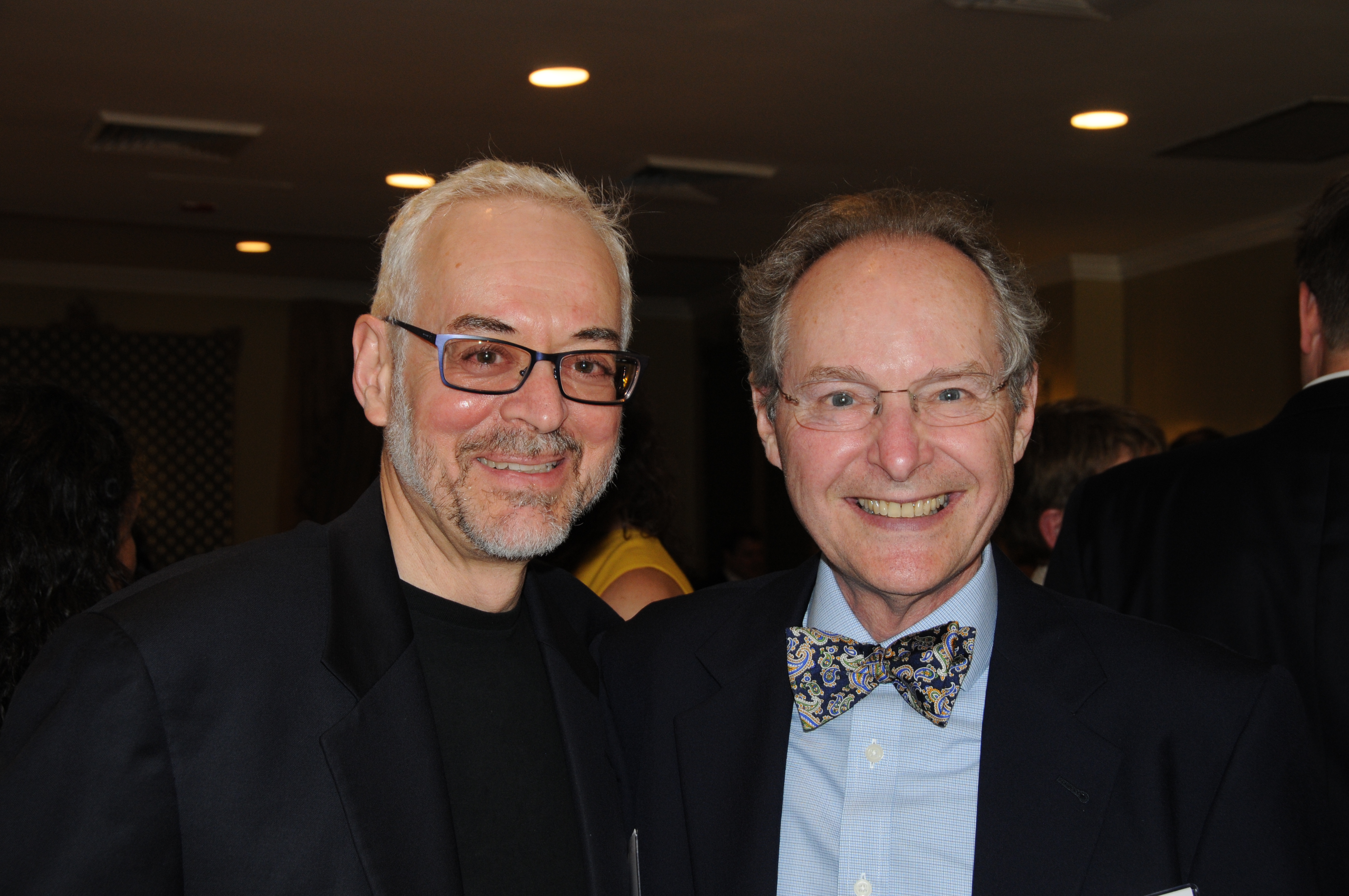
 Barry & Bart Marty & Cheryl

[Top-Barry Kogan Chair at Albany, Bart Grossman from MD Anderson; Bottom-Lindsey Herrel, Cheryl Lee, & Marty Sanda Chair at Emory]

 Osawa NPR ladies

[Top–Takahiro Osawa, Noburo Shinohara, Takahiro Mitsui; Bottom-Lindsey Cox, Yahir Santiago-Lastra, Anne Cameron]

 Alon, PAs, Jacuqi

[Alon Weizer, Jackie Milose, Mary Nowlin, Liz Marsh]

 Bonmie

[Bunmi Olapade-Olaopa, Peter Knapp, Quentin Clemens]


10.    It is worth reflecting upon telltale signals that we either pick up or miss. On this particular day in 1981 the Morbidity and Mortality Weekly Report of the Centers for Disease Control and Prevention reported that five people in Los Angeles, California, had a rare form of pneumonia seen only in patients with weakened immune systems. At the time this observation was a matter of only faint curiosity to most physicians, and of even less interest to the public at large until it turned out, in retrospect, to have been the first recognized cases of AIDS. In the crowded bandwidth of everyday clinical life, narrow subspecialty focus, and the administrative hassles of the practice of medicine it is important to keep a deliberate open mental channel tuned to the greater environment of healthcare and science. Many telltale signs that presage tomorrow surround us and one wonders what telltale signals we are missing amidst today’s noise and summertime moments.

May flowers [Lilacs in front of old Mott]

Upcoming events: Residents graduation dinner. Triple professorship installation. Chang Lecture on Art and Medicine Thursday July 16 – Dr. Pierre Mouriquand Professor Claude-Bernard University, Lyon, France: “Slowly down the Rhône: the river and its artists.”


Thanks for spending time on “Matula Thoughts” this month.

David A. Bloom



Matula Thoughts March 6, 2015

Matula Thoughts, 6 March 2015 

Seeing ourselves, health care, & other thoughts. 

3486 words


Screen Shot 2015-02-28 at 11.06.59 AM

1.    By March, winter has pretty much worn out its welcome in Ann Arbor. Strictly speaking it’s officially spring in 15 days, although it hasn’t been feeling that close. Nevertheless, we muster on contending with polar vortices by means of central heating, L.L. Bean fleece, March Madness and comfort food. On this particular day, March 6 in 1943, the Saturday Evening Post published Norman Rockwell’s illustration Freedom from Want. Although the illustration might have seemed more suitable for a Thanksgiving issue, the work was number three in his Four Freedoms series. Rockwell’s oil paintings were inspired by Franklin Delano Roosevelt’s 1941 Four Freedoms State of the Union Address. Rockwell actually started this particular painting in November 1942 depicting his friends and family at their Thanksgiving. The other end of the spectrum from Rockwell’s idyllic scene is the image evoked in a report I saw recently from the Bangweulu Wetlands in Zambia on the unintended use of mosquito nets for fishing where:  Out here on the endless swamps, a harsh truth has been passed down from generation to generation: There is no fear but the fear of hunger.  [Gettleman NYT Jan 25, 2015 p.1]  

 Freedom_from_want_1943-Norman_Rockwell

2.    Freedom from want is a timely theme. During these cold wintry days, it is discomforting to cross paths with panhandlers on our streets. How do we each respond, knowing that many panhandlers have terrible life stories and are at their wits’ end without resources for the next meal or warm bed? (Yes, many of them are clever enough to make a living on the street and a few actually retreat to their own abodes to sleep at night). It is important to realize that most homeless people are not panhandlers and that not all panhandlers are homeless. Furthermore, mental illness is a pervasive condition among panhandlers and the homeless. Most experts on homelessness agree that handouts to panhandlers are not a good solution for homelessness, hunger, and mental illness; a set of community solutions is vastly preferable. University towns like Ann Arbor provide good environments for panhandlers who can turn streets full of students into their workplaces. Still, many of these people are truly homeless and hungry – so how do you and I face those who confront us directly with their need? It is a personal dilemma. I often point them to the Delonis Center, only a few blocks away as a resource that offers decent food, shelter, and a pathway out of homelessness. Many of us in the community support Delonis, but its capacity is stretched and some who need shelter and services are adverse to it for varied reasons. The failure of our society in the industrialized world of 2015 to provide food, security and decent shelter to all its citizens is troubling. Health care is as basic “a need” as food and shelter and most of those folks on the street are incapable of attending to their basic health needs. One measure of our humanity is the sense of empathy that allows us to see ourselves in the faces of the needy who confront us. The great religions value empathy, our most respected leaders throughout time displayed empathy, and mankind’s greatest thinkers argued for it, notably in my mind Adam Smith in his opening sentence of the Theory of Moral Sentiments. Yet, we must be constantly aware for ourselves as we gain privilege and power, that power diminishes empathy. When we lose the recognition that the homeless and the panhandlers are in a real sense our doppelgängers we lose much of our humanity.

3.    Homelessness and hunger are invisible to us most of the time in our busy lives in clinics and operating rooms, contending with hospital capacity issues, residency education, MiChart, RVUs, regulatory mandatories, grant deadlines, and the rest of the broth of clinical and academic medicine. A recent Lancet editorial [The Lancet 384:478, 2014] and series [Faizel, Geddes, Kushel The Lancet 384:1529, 2014 and Hwang & Burns  384:1541, 2014] dealt with homelessness, noting that on any night in the USA and Europe around 1 million people are homeless (median age is 50 years). And what about the Middle East, South America, Africa, and Asia? In our own Washtenaw County, the federally-mandated count on a cold day this January found 307 sheltered and 80 unsheltered homeless people. Of the 387 that day: 52 were children, 94 had severe mental illness, 44 had chronic substance abuse, and 34 were victims of domestic violence. Chronic homelessness accounted for 71 of the total and 29 of the 387 were military veterans. Homeless people, just like us luckier ones, may suffer from multiple morbidities, infectious and noninfectious, including all of the genitourinary disorders that we urologists manage. Yet, most of the homeless are well outside networks that feed into our health care system. The Affordable Care Act (ACA) made inroads into this underserved (or unserved) population, but better models and systems of health care are needed if we hope to truly mitigate freedom from want and provide basic humanitarian services fairly. At the personal level, it’s unrealistic to expect most of us in academic medicine to volunteer in soup kitchens or hand out blankets and socks on the streets. Clinical work is demanding and our environment heaps on additional burdens such that few of us work less than 80 hours a week. However, our community offers a variety of philanthropic opportunities that can use our dollars and leadership just as handily as direct labor. So if you feel some moral traction when you pass by a panhandler, rather than handing over cash (that may or may not be used well), look further (and point them to) resources in our community that help the homeless, hungry, and uncared for – the Delonis Center, the Packard Clinic, and others. If these resources are inadequate, help make them better.

4.    Steven Brill’s book called America’s Bitter Pill was a follow-up to the focused issue of Time magazine he wrote, and I discussed, 2 years ago in these columns. I read the book word-by-word, including the appendix and footnotes. Brill frames the story well and reasonably fairly. Replete with detail as to the historical background of healthcare economics in the USA, Brill takes the reader from March 2007 when the ACA started to take shape as an idea to a year ago in April 2014 when its implementation was in full swing. Much of American health care is the envy of the world, in terms of medical education, residency training, research, and innovation. Yet we are also rightly and severely faulted (often by ourselves) for failure to provide equitable care, for our costs, and for our results. Brill is a journalist and between his Time issue and his new book he experienced a catastrophic illness that gave greater nuance to his reporting. On April 4, 2014 he underwent repair of an expanding symptomatic aortic aneurysm at Cornell. He praised the doctors and the staff, but disparaged the administration of the hospital. His repair and 8 days in the hospital cost $197,000 – and he says it was worth every penny of it, to him. The politics and sausage-making deals with the hospital industry, insurance industry, pharmaceutical industry, and device industry are not pretty. The sausage, by the way, was pure pork. Effectually absent from the bargaining table (and thus on the menu) were the consumers, health care workers, health care scientists, and the educational community of healthcare. Representing the consumers (that is, the public who otherwise were never at the bargaining tables) was the basic structure of the ACA which was totally modeled on Romney Care and its triple intent. These three legs have been variously stated, but they boil down to these:

a.) expanding healthcare coverage throughout the nation;

b.) continuation of an “insurance-based” system that remains employer-funded, private pay funded, & government-funded; 

c.) abandoning the constraints of pre-existing exclusions & life-long limits of coverage.

Kicked down the road was the matter of cost, which inevitably will rise with expanded coverage, enormous subsidies, and corporate protections (future “give-backs” from industry notwithstanding). It was pure speculation to assume that costs will drop after ACA implementation due to less waste, electronic record implementation, bundling of services, improved safety, better “quality” and the “give-backs” of industry. Just about a year ago the federal exchange, HealthCare.gov, was resurrected (in large part with help from Google experts) after its disastrous initial launch. Given that healthcare has become such a massive part of our economy, no single fix, even as complex as the ACA is likely to solve the main problems. Furthermore in the unlikely event of totally disabling the ACA, the negative impact on health care and the larger economy would be unimaginable at this point. Inexplicably, Congress’s flawed 1997 Sustainable Growth Rate (SGR) law that linked Medicare’s relative value units (RVUs are measures of clinical work) to changes in national gross domestic product (GDP) was not addressed in the ACA. This law has now been “put off” by last-minute Congressional “fixes” 17 times. As for my position on these matters, I am a believer in social objectives of the triple intent that underlies RomneyCare, ObamaCare, the ACA, or whatever label you want to throw at it. Few reasonable people doubt that the pre-existing state of health care was unsustainable. Nevertheless, Brill’s book with its collection of leadership lapses, bungled technology deployment, management failures, turf battles, political grandstanding, closed-door deals, corporate greed, personal tragedies, and more, is not inspiring. The ACA may be ultimately so complex, so flawed, and as yet so indeterminate that it will prove to rival the injustice, personal pain, and unsustainable costs of the pre-existing state of heath care. Time will tell. I’ll give what I think is the bottom line on Brill’s book next month. Meanwhile, I believe the ACA’s main effects are here to stay for a while (we will learn what the Supreme Court thinks about the “four word mistake” in the law), but are not sustainable in the long run. The market, the academic community, and the government will inevitably float new ideas and experiments. Some may even be good.

5.    Ultimately, the idea of funding a nation’s health care mainly on an insurance model is not sensible. Basic health care is a human right; people need health care from before birth until death. Furthermore, universal health care is in the public interest – you don’t want people standing next to you on the street with active TB, influenza, measles, or smallpox. Nor do you want a suicidal driver to crash head-on into your car. We don’t need Emergency Departments overwhelmed by health care crises that could have been pre-empted by good preventative medicine and timely care of routine illnesses. We also need the next generation to be healthy in mind and body so as to improve our world and civilization (and fund social security!). Insurance, however, is a sensible way to fund big ticket and catastrophic expenses – such as ruptured aortic aneurysms, renal failure, liver transplantation, major trauma, or amyotrophic lateral sclerosis care to name a few terrible problems.  One experiment in health care delivery already underway is the Federally Qualified Health Center or FQHC.  We have discussed this in these columns and after a few years of preparation finally implemented involvement of our Department of Urology at the Hamilton FQHC in Flint.

6.    FQHC. In January John Wei held the first urology clinic at the Hamilton FQHC in Flint, in February John Stoffel held the second, and we intend to continue a monthly presence there. Hamilton’s facilities include a new user-friendly multi-specialty building just north of the city. Last year’s Hamilton budget was around $22 million, including its basic federal grant of $3.5 million, and it is very well run under the leadership of Michael Giacalone and Clarence Pierce. The following details may seem arcane, but are worth knowing. FQHC’s operate under the auspices of the Health Resources and Services Administration (HRSA). These grant-funded (330B) Health Centers satisfy the following requirements: they are in high need communities, are governed by community boards, offer comprehensive primary care with supporting services, provide services to everyone (with adjusted fees according to need), and meet government accountability requirements. Nationally in 2013 FQHCs served 21.7 million patients and provided 86 million visits. In addition, HRSA supervises two other types of Health Center programs. One is the non-grant supported “FQHC Look-Alike” that operates under Section 330 of the PHS Act. Washtenaw County was just approved for its first “look-alike” at the Packard Clinic. Look-alikes nationally served 1 million patients in 2013 with 4 million visits. The other alternative outpatient program functions under the Indian Self-Determination Act. Although insurance paradigms currently work well with FQHCs, it is the grant funding that provides the backbone.


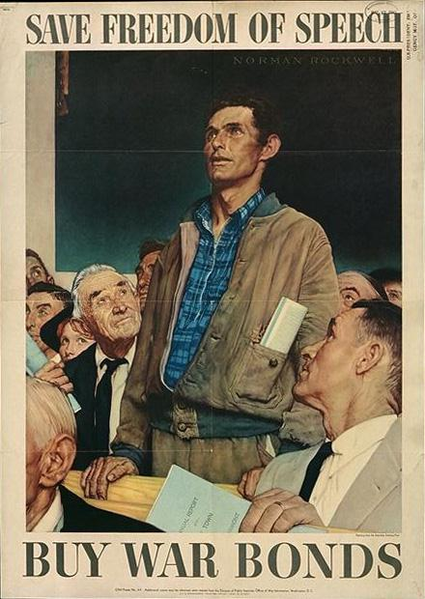
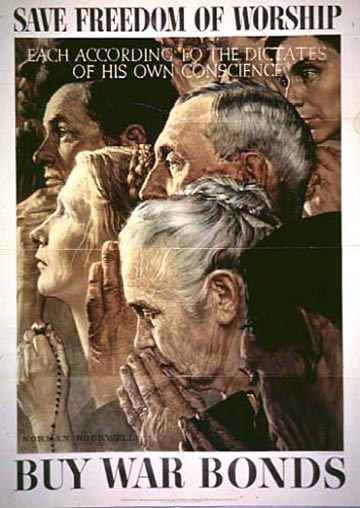
 425px-Save_Freedom_of_Speech  save_freedom_worship  Freedom From Fear

7.    The other freedoms that FDR’s State of the Union addressed were: speech, worship, and fear. In that order those Rockwell illustrations were published in 1943 on February 20 and 27, and March 13 each accompanied by a matching essay. The FDR freedoms contrast and compare with the equalities articulated by Danielle Allen in her book Our Declaration, mentioned here last month. Allen makes the point that a just society cannot have freedom without a framework of equality. FDR’s freedoms are in themselves manifestations of equality throughout a society including basic human needs of food, shelter, health, and safety with the political freedoms of worship and speech. It is compelling that the final figure, Freedom from Fear, shows 2 parents concerned about their children’s future. [All paintings are at the Norman Rockwell Museum in Stockbridge, Massachusetts.] The future of our children is not only a fundamental human concern, but it is evident throughout much of the animal kingdom. I recall TV docu-drama years ago dealing with the Cuban missile crisis during the Kennedy presidential administration in which JFK summed up our ultimate mutual long-term interests with the Soviets in a phrase something like this: We all inhabit the same Earth, we breathe the same air, and cherish our children’s future. These sentiments derive from thinking of the Enlightenment, tenets of social justice expressed (although imperfectly) in some modern governments, and emerging belief in the necessity for planetary stewardship. Kennedy’s point: if two conflicting sides recognize the similarity of their human condition and ultimate aspirations, conflict can be mediated. This is the empathy of the doppelgänger. I’ve been unsuccessful so far in learning if this was an actual quote from Kennedy or part of the television script, but the words are good. Of course, as we are learning in the Mideast, barbarity and conflict endure when similarity of the human condition is not mutually recognized such as when one side claims divine advantage.

8.    The future of our children and the future of our planet have been best represented by universities for the past 600 years. Universities have been the only enduring heavy-hitters in the matters of educating our successors and expanding the knowledge base of humanity. To a great extent this mission developed accidentally and is fulfilled inadequately. Far from recognizing this essential role, most modern universities fret about rankings, reputations, endowment races, NIH market shares, applicant/acceptance ratios, athletic programs, profitable products, and so forth. We see few grand educational visions. We see little focus on creating a better planet tomorrow – better citizens, better workforce, better governments,  and better energy sources to allow 8 billion or more people to inhabit the same Earth, breath the same air, and give all children a decent chance for self-determined lives. 

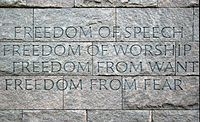
9.   Senses. The idea that we, among many other biologic constructs, have 5 senses goes back to the time of Aristotle if not well before then. Hearing, touch, sight, taste, and smell comprise the classic senses, but the reality is more complex for most creatures with additional senses as proprioception, thirst, hunger, and magneto reception. Humans also have a unique sense of time. The human intellect can integrate and creatively imagine senses, such as when you read, dream, or think. Importantly for our species although perhaps not unique to us, is the sense of compassion as so well articulated by Adam Smith that I want to again bring forward. His book, The Theory of Moral Sentiments, in 1759  begins: How selfish soever man may be supposed, there are evidently some principles in his nature, which interest him in the fortune of others, and render their happiness necessary to him, though he derives nothing from it except the pleasure of seeing it. This sense of philanthropy (love of humanity) is a fundamental part of the human condition that has allowed us to build teams, societies, and civilizations in which we take care of ourselves, including the needy and the vulnerable, as well as to try to create a better tomorrow for our children and their successors. FDR’s Four Freedoms (etched into stone at the FDR monument in Washington, DC) extend Adam Smith’s optimism in mankind’s better nature.

200px-FDR_Memorial_wall


 Doppelganger

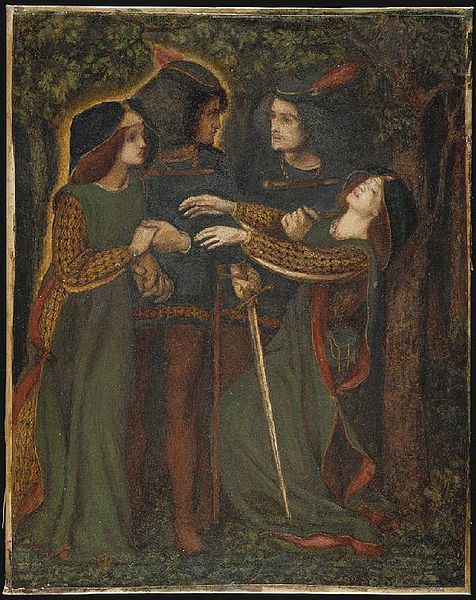
10.   Faces – a big step in the world of surgery. Excluding the rare true doppelgängers, it is our faces that mainly set us apart. [Illustration: Dante Gabriel Rossetti – How They Met Themselves. Watercolor 1864. Fitzwilliam Museum] For higher orders of mammals facial recognition is the key identifying feature. The nuances of human expression are essential to conscious and subconscious communication. Darwin wrote a book on this topic in 1872 called The Expression of the Emotions in Man and Animals. Among all the equalities that modern civilization is built upon, the equality of human recognition is no less essential than any other. Seeing the faces of our fellow members of society is a requisite part of the equality of reciprocity in civilization. Facial expression is essential to full interactive participation in society, to understand intent, acceptance, irony, honesty, displeasure, and all the other nuances necessary to the normal daily give and take of citizens, neighbors, customers, and all stakeholders in modern life. To “lose face” is a basic human shame in the figurative sense, but a horrendous circumstance in the physical sense. Ten years ago the first face transplant was accomplished and a recent Lancet article reviewed the first 28 facial transplants done to date in this new surgical frontier.[Khalifian, Brazio, Mohan, et al. The Lancet 384:2153, 2014]

 The authors wrote:

Facial transplantation is a single operation that can restore aesthetic and functional characteristics of the native face by giving ultimate expression to Sir Harold Gillies’ principle of ‘replacing like with like’ … Unlike solid organ transplantation, which is potentially life-saving, facial transplantation is life-changing. The possible consequences of life-long immunosuppression in otherwise healthy individuals  – including cancer, metabolic disorders, opportunistic infections and death – must be carefully balanced to minimize risk and maximize benefit. Yet surgical innovation has outpaced the scientific community’s ability to fully address certain immunological and clinical challenges. Here, we review the immunological, neurological, and anatomical principles gleaned from the 9 years since the first facial transplantation with a discussion of ethical considerations, highlighting lessons learned from clinical experience.    

A few comments on this quotation. You see once again how surgical innovation outpaced knowledge in the so-called scientific community. Yet isn’t it a strange belief that the surgical community is “not scientific” – for what is science after all but matters of imagination, methodological experimentation, analysis, and new hypothesis? Gillies, by the way, was one of the great early pioneers of modern plastic surgery. The last phrase lessons learned from clinical experience is the essence of the rational practice of medicine and this applies equally in the unnecessarily separated domains of medicine and surgery. A cynic might argue that the 28 salvaged lives cannot justify the costs and risks involved. Wiser voices would counter while the dozens of steps on the moon hardly justified the costs and risks of the lunar program, the collective spinoffs to knowledge and technology were of immeasurably greater value. In a parallel way face transplants similarly extended the reach of medicine and philosophic understanding of the meaning of a face. What have been the big steps in genitourinary surgery? Cystoscopy, cystolithalopaxy, orchidopexy, hypospadias repair, closure of exstrophy, prostatectomy for benign disease, perineal prostatectomy for cancer, the use of bowel in urinary tract reconstruction, cystectomy and bladder substitution, TURP, renal transplantation, ESWL, the Mitrofanoff principle, minimally invasive urologic surgery, and nerve sparing retropubic prostatectomy come to mind. Certainly there are others and more importantly, there will be more. Some will come from here in Ann Arbor.


Screen Shot 2015-03-02 at 11.01.07 AM

A final comment. We will miss Michael Johns, who has been with us for much of the past year providing wisdom and effective leadership for our medical school and health system as Executive Vice President for Medical Affairs. We welcome his successor Marschall Runge.

[ President Mark Schlissel, Special Counsel to President Liz Barry , & Michael Johns]


 Best wishes, and thanks for spending time on “Matula Thoughts.”  David A. Bloom

v\:* {behavior:url(#default#VML);} o\:* {behavior:url(#default#VML);} w\:* {behavior:url(#default#VML);} .shape {behavior:url(#default#VML);}

0 0 1 3105 17703 University of Michigan 147 41 20767 14.0

Normal 0 false false false false EN-US JA X-NONE

/* Style Definitions */ table.MsoNormalTable {mso-style-name:”Table Normal”; mso-tstyle-rowband-size:0; mso-tstyle-colband-size:0; mso-style-noshow:yes; mso-style-priority:99; mso-style-parent:””; mso-padding-alt:0in 5.4pt 0in 5.4pt; mso-para-margin:0in; mso-para-margin-bottom:.0001pt; mso-pagination:widow-orphan; font-size:10.0pt; font-family:Cambria; mso-ascii-font-family:Cambria; mso-ascii-theme-font:minor-latin; mso-hansi-font-family:Cambria; mso-hansi-theme-font:minor-latin; mso-fareast-language:JA;}

 David A. Bloom

Matula Thoughts August 1, 2014. Art & medicine.

Matula Thoughts August 1, 2014: Art & medicine

This is the blog format of the monthly email communication called “What’s New” from the University of Michigan Urology Department.


1.  Drive home

My drive home from work in the summer is likely to occur in cheerful sunlight, even when the hour is late. A good piece of this seasonal pleasure still remains for us at the start of August. July 2014 has come to a close and with it the celebration of the Fourth, the Ann Arbor Art Fairs, and the Chang-Duckett-Lapides Lectureships of the Urology Department. Our PGY1s (interns) class of 2019 began at least five years of residency training that may easily extend by several additional years with fellowships that many of our graduates undertake. The lectureships we hold every year around this time add some formality and socialization as the new academic season of residency training commences. Andrew Kirsch of Emory University gave a remarkable Duckett Lecture on his work with magnetic resonance urography (MRU) and Kassa Darge of the Children’s Hospital of Philadelphia produced a superb Lapides Lecture on the wide scope of urologic imaging and his experience with MRU. We had excellent attendance and wonderful discussion. MRU is clearly the new IVP. Yes, it is at present much more costly, but as we saw in the discussions, a careful history and physical exam with high quality GU ultrasonography in the hands of well-trained and experienced clinicians will answer anatomic questions well enough to deal for most problems we see. In complex situations, however, the detailed anatomic and functional information from the MRU is unsurpassed. George Drach of the University of Pennsylvania presented a clear discussion of a muddy topic – the Affordable Care Act. He promised that the topic will get even muddier next year as complex add-on legislation accrues in the year ahead.

Kirsch

[Andrew Kirsch, Duckett Lecturer, with Susan Kirsch]

Duckett Drach Darge

[Peggy Duckett, George Drach, & Kassa Darge, Lapides Lecturer]


2.    The Chang Lecture on Art and Medicine (our 8th) was given by James Ravin, a well-known ophthalmologist from Toledo who had trained here in Ann Arbor. I first learned about him through his book, The Artist’s Eyes, which had been sent to me by Steven and Faith Brown, Michigan alumni and strong supporters of Michigan Urology. The lecture was amazing and we can mail you a CD of the lecture if you send us a note. Before Dr. Ravin took the microphone, I asked the audience: Why should a urology department care about the link between art and medicine? My answer was twofold and I’d like to repeat it here. The first reason is simply the matula. This long-standing symbol of the medical profession is the flask used for the macroscopic examination of urine. Not insignificantly that is also the name we selected for this blog. The second reason is that this linkage is hardwired in our species. Genetics and epigenetics demand this attention from us. Maybe this is a presumptive conceit, but most people believe our existence among life forms is unique and that the distinctive human condition we claim is built upon our curiosity, our creativity, and our tendency to reflect upon ourselves as well as our fellows. These traits have led to our ability to solve problems cooperatively and accomplish complex tasks like building cathedrals, performing symphonies, writing encyclopedias, or doing cystectomies and urinary diversions. Art is part of all human performances, most especially the medical arts.

Chang's

[Hamilton Chang, James Ravin – Chang Lecturer, & Dr. Cheng-Yang Chang]


3.    That the study of art should occur in a university is no surprise, universities are the primary stewards of the future – the human future and the global future. Universities educate tomorrow’s builders, thinkers, and citizens. They and their graduates are the primary sources of tomorrow’s ideas and inventions. No other institution in society has such a broad mandate, much less fulfilled it so well over centuries as universities. Ben Shahn, an American Artist of the second part of the 20th century, put together an essay in a book called The Shape of Content in 1960, where he specifically addressed the matter of visual art in universities, writing: “What can any artist bring to the general knowledge or theoretical view of art that has not already been fully expounded? What can he say in words that he could not far more skillfully present in pictorial form? Is not the painting rather than the printed page his testament? Will he not only expend his energies without in any way increasing the general enlightenment? And then, what can an audience gain from listening to an artist that it could not apprehend far more readily simply by looking at his pictures?” While Shahn was specific that his comments related to visual art, his point extends more broadly.


4.    Shahn answers his own questions in the essay, developed from lectures at Harvard College and offers two reasons why universities (and by extension medical schools and their departments) should be interested in art. First, the product of universities, educated persons, should have what he called the accomplishment of perceptivity – a necessity for tomorrow’s international citizens. His second reason is that the universities, themselves, are enriched by bringing art, he says, into the circle of humanistic studies. This point anticipates the vision that E.O. Wilson called consilience, the idea of global village of knowledge in which boundaries between fields of study are mere human conceits. Wilson contends that the most important findings for our species will be made at the interfaces and boundary waters among the fields. Shahn expands on this second point in his essay, saying that bringing art into the circle of humanistic studies serves the: “… general objective of unifying the different branches of study toward some kind of a whole culture. I think it is highly desirable that such diverse fields as, let us say, physics or mathematics, come within the purview of the painter, who may amazingly enough find in them impressive visual elements or principles. I think it is equally desirable the physicist or mathematician come to accept into his hierarchy of calculable things, … [the] nonmeasurable and extremely random human element which we commonly associate with poetry or art.” [Shahn p. 9]


5.    Visiting professorships are an important part of academia, bringing the best insights of established thought leaders, as well as the newer voices and controversial ideas of those who challenge the status quo. We do this fairly well at Michigan Urology throughout the year in each of the disciplines within our field. It is equally and especially important for universities to offer periodic public lectures on broad themes such as Ben Shahn provided at Harvard for general audiences on topics that offer important humanistic insights, cut across fields of study, and stimulate conversation and cultural curiosity. We try to fulfill our part with the Chang Lecture and if you missed it this year, consider holding that calendar slot next year on the Thursday of the Art Fairs. Our speaker will be Pierre Mouriquand of Lyon, France. He is an extraordinary pediatric urologist, a deep thinker, and a committed artist who paints nearly every day.


6.    A number of years ago I came across a wonderful statement made by the late and great Michigan faculty member and world-class physiologist, Horace Davenport. A student recalled him telling a medical class that “physicians are the attendants at the service station of life.” Of course, in Dr. Davenport’s days the gas stations were true service stations where someone pumped your gasoline, checked your oil and tires, washed your windows, and actually fixed problems with your automobile. Notwithstanding the dated image of the service station, it is an appealing metaphor. While the current phrase patient-centered care is bandied about as though it were a new idea, the consideration of “what the patient wants” has really never been far from the minds of good physicians. While we all have seen instances of domineering and inconsiderate medical care, the idea of a “patient-centric” approach is hardly revolutionary and new. It is unfortunate, albeit useful, that we need to proclaim that the health care we offer in our organizations is “patient-centric.” As health care has become more complex, specialized, and team-based it is easy to retreat onto islands of our professional turfs and focus on the solutions of isolated clinical problems. This professional convenience, however, turns patients and their inevitable co-morbidities of modern life into mere packages of DRGs in search of CPTs. The complex billing systems we dignify with the phrase modern electronic medical records are more than innocent co-conspirators in this crime. The success of the modern health care enterprise will depend on its ability to simultaneously fulfill the desires and needs of each patient in the contexts of their physical, emotional, and social problems. This will require teams and systems that are at once lean and adaptive.


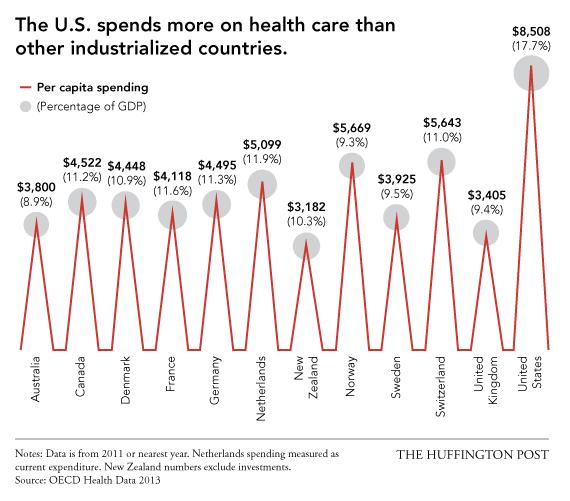
7.    Long before science impacted the work of physicians, medicine was described as an art and I believe there still is much art to our work insofar as you might look at art as anything that is choice. Science and evidence cannot and will never define all of our choices in medicine. Two fundamental questions define modern health care. The first is: what does the patient (and family) really need and want? The second is: what does society want from its health care enterprise? The answers to the two questions are quite different. It is the first question that drives our essential transactions in health care, patient-by-patient and family-by-family. Of course these transactions must exist in the framework of society and the sense of what is right and reasonable to do for each individual patient. On the other hand as we create public policies and deploy health care systems, the second question comes heavily into play and begs the question: how much should a nation spend on the well-being of its people? So is 20% of GDP, for example, too much or is it not enough? It’s interesting to compare health care to food expenses. In some nations, families spend 60% of their household income on food, while in the USA food accounts for less than 10%. Granted that individual household expenses and national GDP are very different “apples and oranges” and the constraints of a nation differ from those of a household, it is clear that the more one expense dominates a budget the less remains for other necessary and desirable expenses. As a matter of public policy, however, ideally how much should a nation spend on its health care? How much on the education of its next generation? How much on its self-defense, on its research & development, on its infrastructure depreciation, or on its service of past debt? However you answer these questions, it is a fact that in the USA we are moving towards 20% of GDP for health care, and other advanced nations are not terribly far behind and moving towards us. That being said – a good third of the expense is generally recognized as waste – money spent that helps neither patients nor society.

Table from The Economist

[Table from The Economist]

Huffington Post

[Huffington Post July 10, 2014]


8.    An interesting point of view, written 2 years ago in the New England Journal of Medicine by MJ Barry and S Edgman-Levitan, called Shared Decision Making discussed a Picker Institute report that identified eight characteristics of care as the most important indicators of quality and safety from the perspective of patients. These characteristics are: respect for patient values, preferences & expressed needs, coordinated & integrated care, clear information & education of high value for the patient & family, physical comfort with alleviation of fear & anxiety, appropriate involvement of family & friends, continuity, and access to care. This list mirrors a more simple set of things that I believe patients want, since these are the simple things I want from my personal physicians: kindness, expertise, and convenience. Perhaps the attributes you might list would differ in number or terminology, but I think most people want roughly the same things. [MJ Barry and S Edgman-Levitan, Shared Decision Making. NEJM 366:780, 2012]


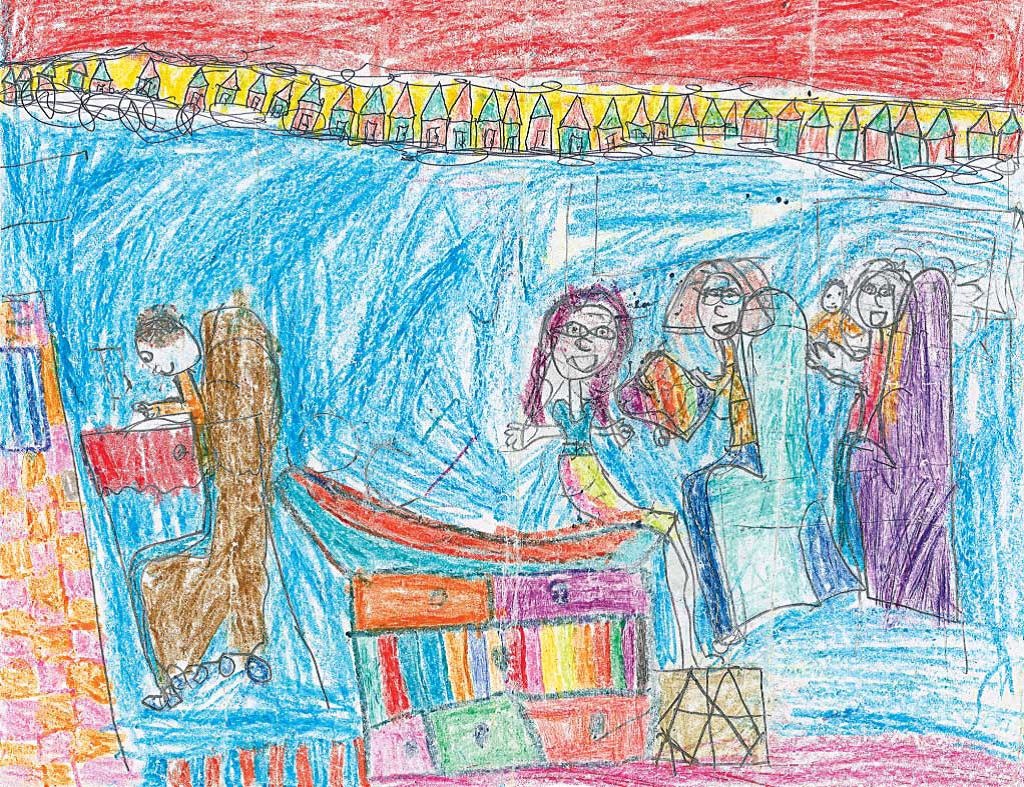
9.    Crayon drawing

I’ve shown this picture before in our Department of Urology “What’s New” column, but am compelled to share it again. The picture appeared on the cover of JAMA, a fact that dates this work since for the past year or so the new editor of the journal, Howard Bauchner, while he retained the art feature, moved it from its long-standing place on the cover of each issue. [JAMA 3017:2497, 2012. Toll E. The cost of technology. Copyright 2011 Thomas Murphy] Change is inexorable, however, and I have to say that he has done a superb job with the journal, both in format and in topic selection. The illustration shown (with previous permission of the author, Elizabeth Toll) shows a crayon drawing of a scene in a doctor’s office. The 7-year old artist drew her sister sitting on the examining table looking at the viewer in a most Vermeer-like fashion. Mother, with a younger child on her lap, is seated at the far right. The artist sits in between, at work on her picture, but also gazing intently at the viewer. The astonishing feature of the artwork however is the physician sitting at the far left, totally absorbed at the keyboard in the technology that is mandated in healthcare. The software has become a surrogate for the patient. The artist told it as it was and, no doubt the physician felt some shame on viewing the artwork. The enormous sums of money we have been forced to expend on clunky and dated software, compliance for poorly fashioned regulation, and the turmoil of the restructuring of a massive industry are a significant part of the waste. What will the next generation of health care look like when we leave behind the RVU, meaningful use, EPIC, and ICD-10? Such a world cannot be too far away. We hope academia, industry, and public policy can put together systems that are accessible, fair, lean, adaptive, and good for patients.

Halter, Bauchner, Malani Kerr

[Jeff Halter, Howard Bauchner, Preeti Malani, & Eve Kerr at a reception at   Preeti’s home 2013]


10.   The well patient exam has been challenged as “unnecessary.” So too has the routine pelvic exam, the PSA testing, and even routine urinalysis. This brings me to the question, what is the point of healthcare? As physicians we like to solve and fix problems of patients, but is that all that patients really want? Yes, often a patient comes with a very specific problem, but very often not all the problems are evident and sometimes they are deeply entangled with the other issues we like to call co-morbidities. This brings me back to Dr. Davenport’s thought. People and their cars have to stop at service stations from time to time. Sometimes they need gas or have a flat tire. At times the car isn’t working well and help is needed of one sort or another, but the problem isn’t immediately evident and the attendant must diagnose before repair. It is also useful, at other times, to have an expert look at the car, see how it runs, listen to the engine, and check under the hood. Preventive maintenance and inspections may discover occult issues for which early intervention can prevent serious harm. I can’t believe this isn’t true for human bodies and minds. People need to stop by the service stations of life from time to time just as well, for after all we are susceptible to far more ills than our motor vehicles. A doctor, or other health care provider, can look, listen, counsel, advise, and teach. The pastoral side of a doctor’s art should still be a major part of the toolkit. Not every problem discovered needs remedy, but every person should be seen, listened to, and examined periodically by some kind and expert attendant at the service stations of life where art and medicine converge. This is how we care for the human condition.

Gas Station

[1936 Union Gas Station. Main & Weatherlow. Lassen County History. Wikipedia – Historic gas stations]


Best wishes, and thanks for spending time on “Matula Thoughts.”

David A. Bloom, Department of Urology, University of Michigan